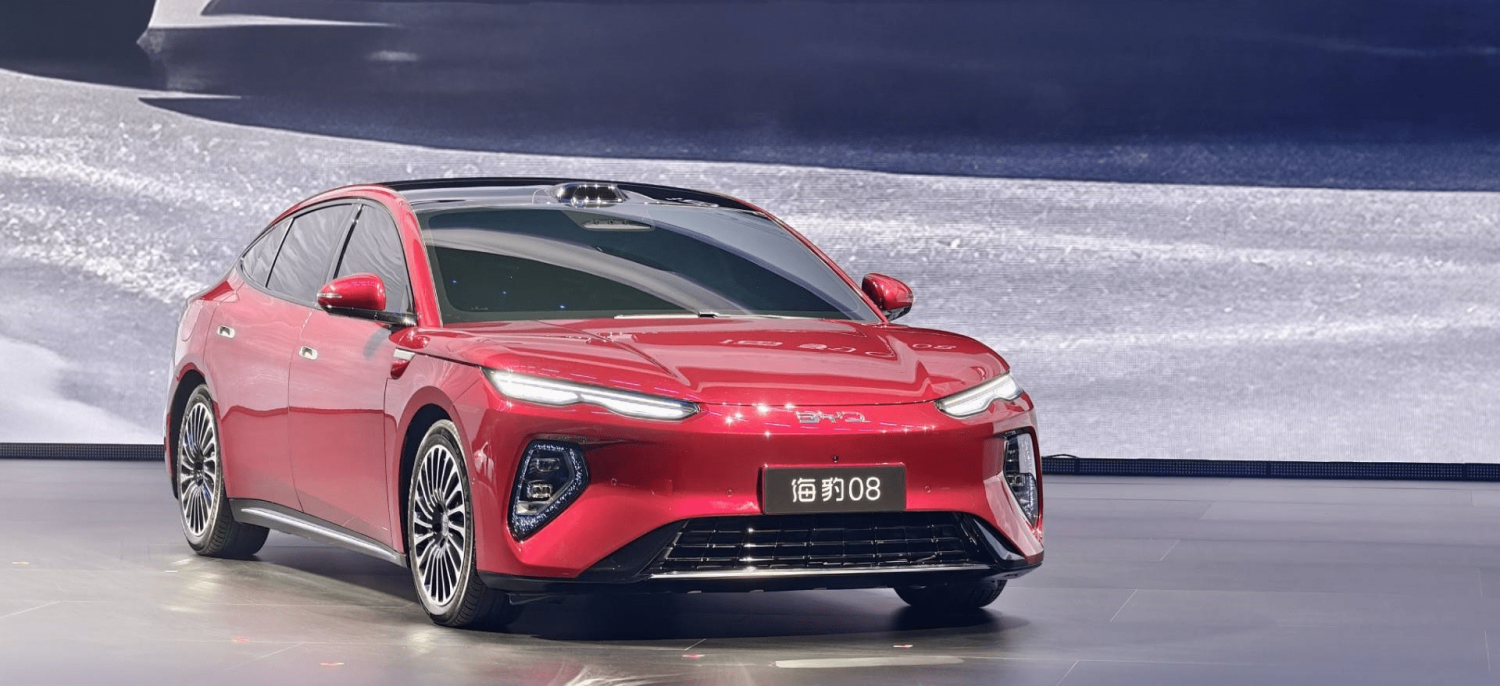
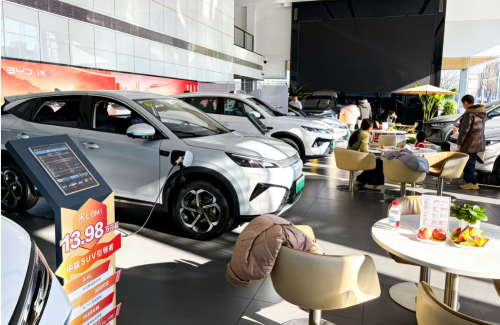
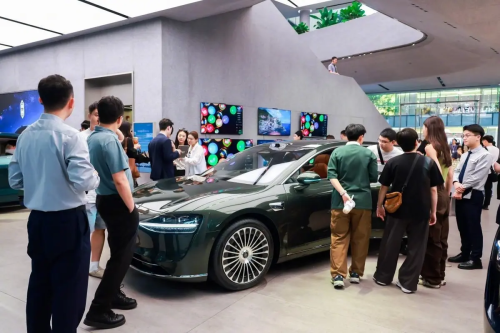
China’s new energy vehicle market recorded a modest price increase in May, supported by narrowing discounts and continued structural divergence from internal combustion models. The average NEV transaction price rose 0.71 percent month-on-month to 160.4K RMB ($23.6K), while pricing power improved slightly even as overall market incentives continued to weaken. The data was released in a joint report by the China Passenger Car Association and CAM Automotive Consulting, covering national passenger car pricing and discount trends for May 2026. BYD Seal 08 to launch July 2. In the broader passenger car market, pricing showed mild gains alongside reduced promotional intensity. The overall price change index stood at -5.85 in May, while average transaction price reached 156.2K RMB ($22.9K), up 172 RMB ($25), or 0.11 percent from the previous month. Segment performance remained uneven. MPV transaction prices rose 2.06 percent, adding 5,225 RMB ($767). Sedan prices increased 1.75 percent. SUV prices fell 0.97 percent. Discounts tightened in parallel with higher transaction prices. The overall discount change index stood at -2.7, while average incentives declined to 24.3K RMB ($3,570), down 521 RMB ($76), or 2.1 percent month-on-month. Within segments, SUV discounts dropped 3.6 percent, MPV incentives fell 2.2 percent, while sedan discounts edged up 0.1 percent. The NEV market continued to outperform in pricing trends. The NEV price change index stood at -8.58, with average transaction price reaching 160.4K RMB ($23.6K), up 1,126 RMB ($165), or 0.71 percent month-on-month. Segment divergence remained pronounced. NEV sedans rose 2.8 percent to 121.2K RMB ($17.8K). NEV SUVs declined 0.5 percent to 183.0K RMB ($26.9K). NEV MPVs fell 2.7 percent to 296.1K RMB ($43.5K). A busy Fangchengbao dealership with shoppers Incentives continued to contract across the NEV segment. The NEV discount change index stood at 0.07, while average incentives dropped to 11.2K RMB ($1,640), down 1,212 RMB ($178), or 9.76 percent from the previous month. SUV incentives recorded the sharpest decline at 12.7 percent. MPV incentives fell 12.1 percent. Sedan discounts decreased 3.6 percent. Overall, the passenger car market in May showed narrowing discount levels and a structurally mixed pricing trend. NEVs continued to post stronger pricing momentum, while industry-wide price-cut pressure gradually eased. Segment divergence became increasingly evident across vehicle categories.