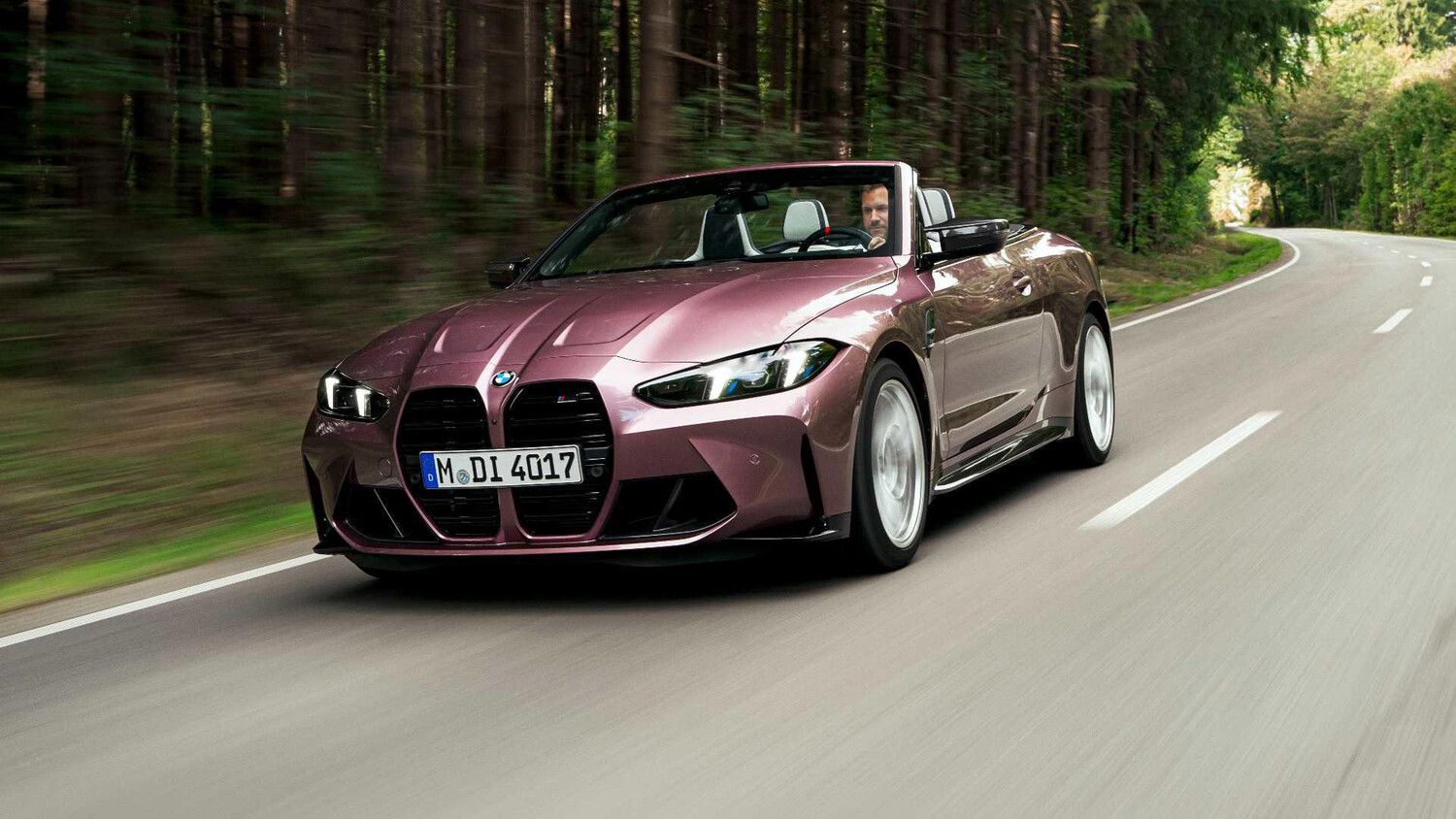
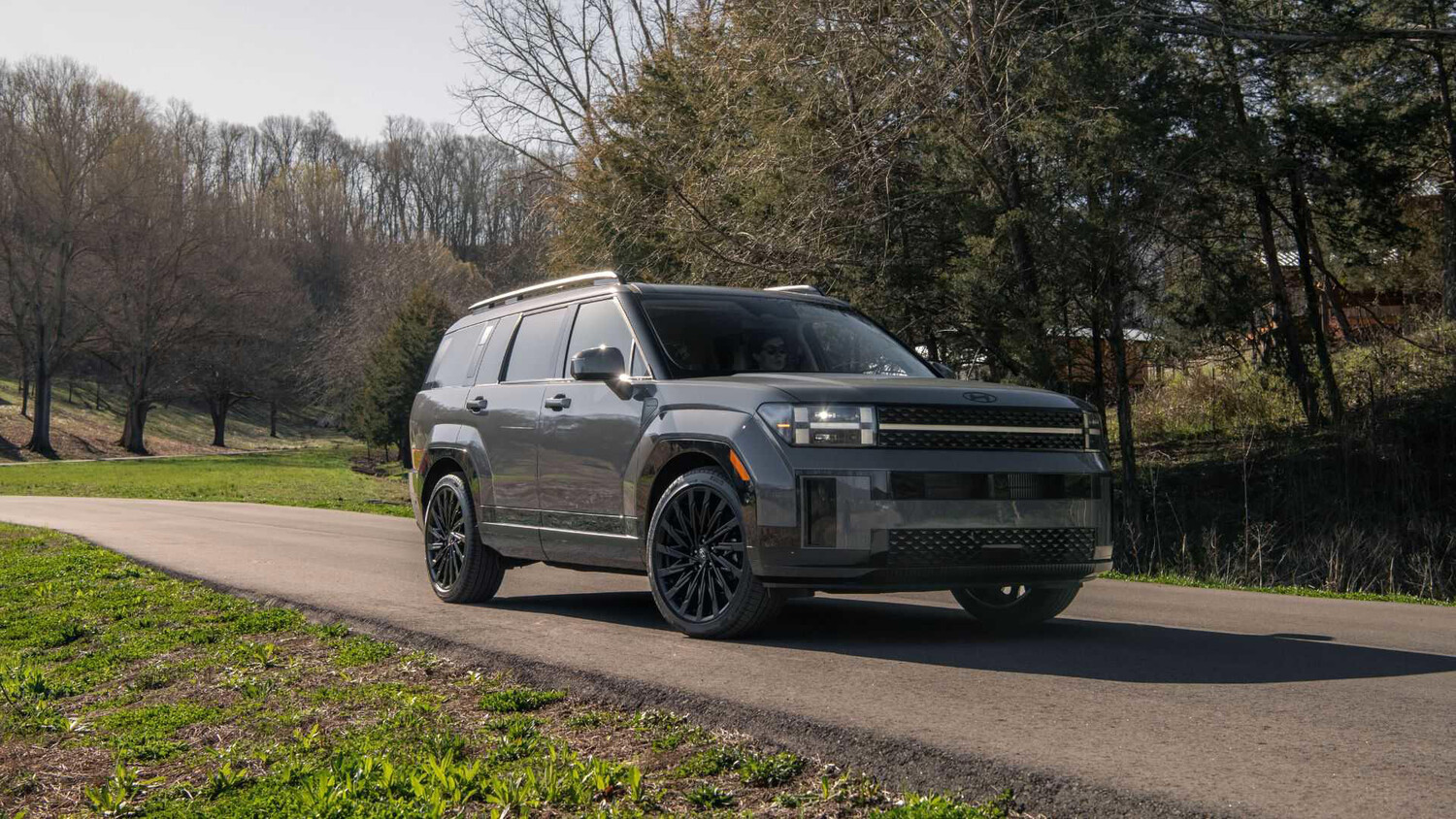
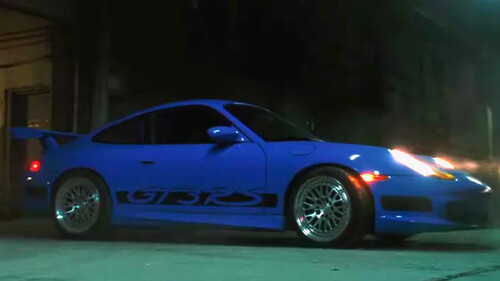
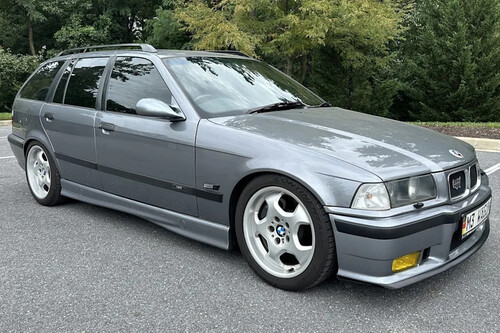
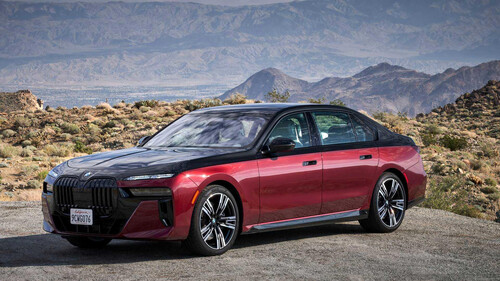
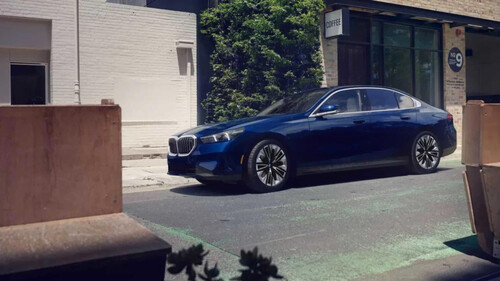
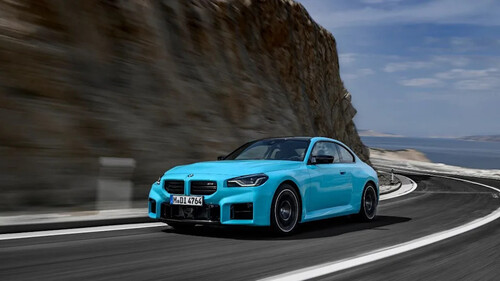
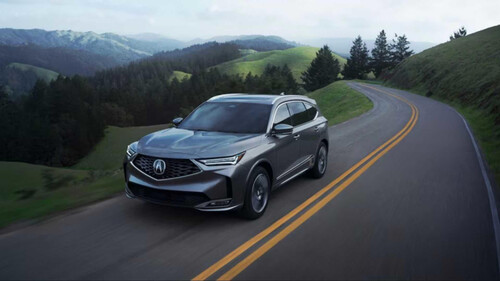
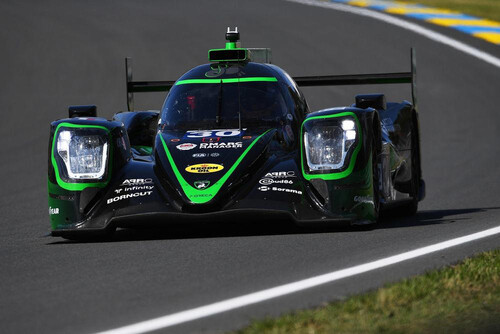
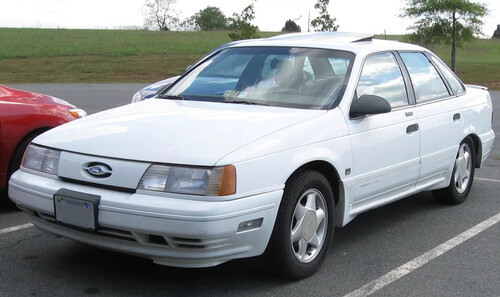
Remember the time when dual-clutch transmissions (DCTs) were the best thing since sliced bread? They offered real enthusiasts everything they were looking for with better shift speed, launch control and acceleration, as well as efficiency gains and daily usability. But time hasn't stood still since those early 2010s, and many think that the dual-clutch gearbox is no longer the best solution.Dirk Hacker, BMW M's head of development, came out and said so, suggesting that manuals or automatics and automatic electrification could be better solutions. Other premium and performance vehicle manufacturers may be following BMW's retreat, and while DCTs are not dead globally, they may no longer be the enthusiast's superior choice. The Fastest Choice Stopped Feeling Like The Safest Bet BMWWhen it first appeared, the dual-clutch transmission system hit the spot by solving a real performance problem. Older automatic systems were smooth enough, but they could be slow to react and didn’t represent a true connection between engine and driver. In the DCT, you had something far sharper, where one clutch handles odd ratios, the second clutch takes care of the even ones, and the transmission pre-selects the following ratio as efficiently as possible. This meant that drivers could change gears rapidly during a hard driving stint with very little interruption to power.In that new DCT era, the alternatives were either a sluggish automatic or an old-school manual that seemed to have gone out of favor across the board. A good DCT system could make a performance car feel a lot more serious, snapping through the gears and delivering crisp paddle response.But for all its good parts, a DCT could still be a liability at much lower speeds. The system had to manage clutch engagement electronically, which often proved problematic during low-speed maneuvers or stop-and-go traffic. A conventional automatic had its torque converter to deal with those everyday moments, but the DCT tried to get around that with a much more complicated array of software, clutches and heat management.Most buyers wouldn’t notice those limitations if they’d bought their performance car for real performance duties, such as weekend track days. They might not be so concerned if they were using the vehicle primarily for those situations, but if they were also using it as an everyday commuter as well, the DCT argument started to weaken. Performance Buyers May Quietly Welcome The New Shift ZF As the DCT continued to make its case in the marketplace, other technologies were now starting to catch up. And a modern torque converter automatic is no longer just a lazy, fluid-coupled compromise but now something far more intuitive and welcoming. The best torque converter automatics can lock up early, shift quickly, manage high torque, and work smoothly at lower speeds. They can also integrate quite cleanly across a variety of all-wheel-drive and electrified powertrains.BMW M has clearly recognized this and is making its argument with an eight-speed M Steptronic system. This can make multi-gear downshifts that would trouble a traditional DCT system and the internal clutches should be sturdy enough to last for the life of the vehicle. Overall, the M Steptronic approach represents a far more flexible package with better daily refinement.The 8HP family from ZF is a good example of a cutting-edge automatic transmission. These solutions can cover a torque range from around 160 lb-ft to 750 lb-ft, making them perfect for everyday premium cars or serious performance machines. Lock-up clutch and damping improvements make these systems far more efficient and able to deal with smoother operation at lower engine speeds.When taken together, these transmission improvements show how quickly the industry can move forward. Ten years or more ago, a DCT system felt like a clear improvement over its predecessor. Buyers may have been willing to accept slower shifts and less edge back then, but today, other systems are a lot more impressive. A modern torque-converter automatic provides refinement, durability, launch consistency, AWD compatibility, and strong real-world behavior. And it also maintains performance across the band while answering any previous questions about clutch wear, shudder, heat, and second-owner repair bills. The Reliability Crisis Changed The Conversation Hyundai DCTs came under the spotlight during Ford's PowerShift crisis, affecting 2011-2016 Fiesta and 2012-2016 Focus models. Here, owners joined a class-action litigation suit alleging that the transmission could slip, buck, kick, jerk, or cause sudden or delayed acceleration. Ford defended the suit but ultimately settled, and the story became one of caution surrounding DCT systems in general. The company also extended warranty coverage on the DPS6 transmission control module up to 10 years or 150,000 miles for affected vehicles. It recognized that problems with the system could lead to intermittent loss of transmission engagement, no-start conditions, or a lack of power.More recently, Hyundai has also been involved in some controversy, with a 2024 recall around the Santa Fe model covering 12,349 vehicles. NHTSA documentation talks about a transmission control issue that would inadvertently engage clutches and potentially damage some internal components while creating a roll-away risk. Hyundai would move away from an eight-speed dual-clutch transmission to an eight-speed torque-converter automatic for its 2026 non-hybrid turbocharged Santa Fe.In 2025, Volkswagen dropped the system entirely from its Taos, moving to an eight-speed automatic. It would restrict any DSG applications solely to enthusiast models like the Golf GTI or Golf R. Porsche PDK Shows Why The Best DCTs Can Still Survive Porsche While the DCT was going through some drama elsewhere, it was still a success over at Porsche. After all, the company’s PDK approach to the problem was part of its core performance system and dated back to the 1980s in motorsport applications. Porsche used this PDK technology in its 962C race car during that era before eventually bringing it to production road cars in 2008 through the 997-generation 911. The company estimated that the first 997-gen PDK could shift up to 60% faster than a Tiptronic S. It also said that a 2008 911 Carrera with Sport Plus might accelerate 0.4 seconds faster than any manual version.It seems clear that a DCT can still work very well in certain applications, especially in a purpose-engineered sports car. But a high-quality wet-clutch DCT in a Porsche 911 is not the same thing at all as a dry-clutch DCT in a family crossover or cost-sensitive economy car. Owners may not crawl through school-run traffic every morning in their Porsche 911 as often as they would in one of those family crossovers, and the systems on those performance cars are certainly very different in terms of hardware, software, and expectations. The Decline Is Segment-Specific, Not Global BMW It’s interesting to note that some world markets are further embracing the DCT, suggesting that its demise may be regional. For example, Global Market Insights reckons that the dual-clutch transmission market has a value of $24.9 billion as of 2025 and predicts it will enjoy a 5.6% compound annual growth rate between 2026 and 2035. Crucially, it expects Asian demand to drive that increase, even though forecasts will vary significantly according to the OEM in question.However, DCTs are certainly losing ground in places where their original advantage has narrowed. This may be because those western premium and performance buyers want both brutal acceleration and smooth parking behaviors. They may value launch control, but they don’t want to deal with any warranty issues down the road either. Crucially, they also expect a gearbox that can handle hybridization, high-torque all-wheel drive, or everyday traffic without complaining during slow maneuvers.Overall, these developments suggest that the definition of performance may have changed over the last couple of decades. As Dirk Hacker from BMW put it, dual-clutch gearbox systems are not inherently bad, but modern buyers no longer accept shift speed as the only measure of a good transmission. Clearly, the DCT still works well in the right cars, and the Porsche PDK system proves that. But in the real world, factors like durability, torque capacity, low-speed control, and long-term confidence matter just as much or more than the fastest possible upshift.