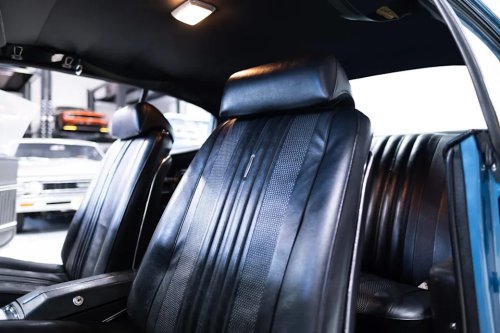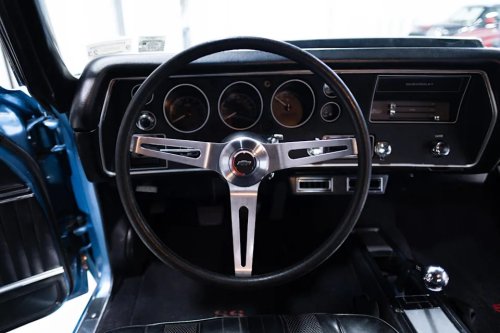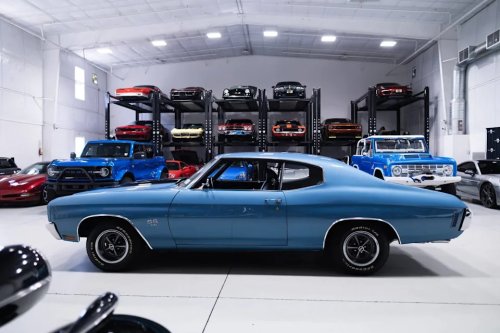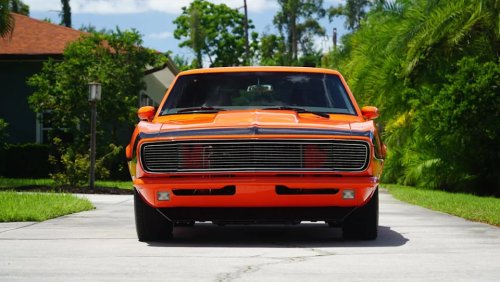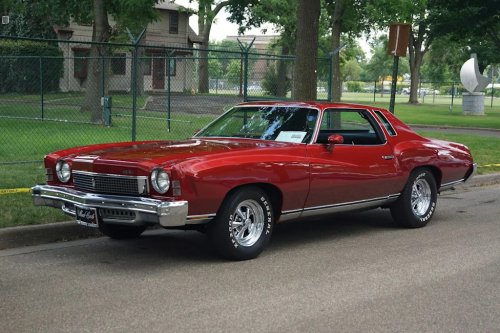
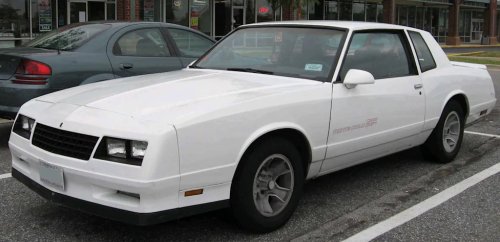
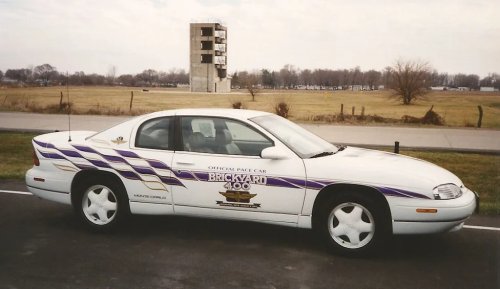
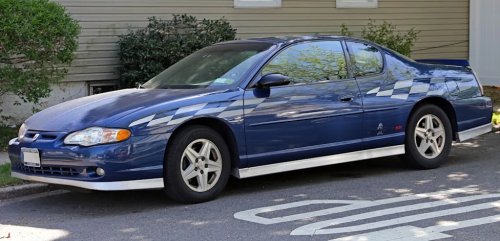



















Few cars have worn as many faces as the Chevrolet Monte Carlo. Born in 1970 as Chevy's answer to the personal luxury craze, it spent more than three decades shape-shifting between elegant cruiser, big-bodied boulevard car, and front-drive NASCAR hero. Along the way its fortunes swung wildly, and the result is one of the most fascinating sales stories Detroit ever produced.A Bowtie Aimed at the Luxury CrowdBy the late 1960s, General Motors already owned plenty of upscale real estate through Buick and Cadillac, but Chevrolet had no piece of the personal-luxury pie. The division fixed that for 1970 with a mid-size coupe that borrowed visual cues from the Cadillac Eldorado, the Pontiac Grand Prix, and Chevy's own Chevelle. The pitch was simple and clever: give buyers the look and feel of a premium car without the weight, bulk, or sticker shock of a full-size land yacht. The formula worked, and that first generation quickly became the benchmark for affordable, style-forward luxury.The second-generation Monte Carlo grew larger and softer.The Soft Years: Bigger Body, Smaller AmbitionsMomentum didn't last. Starting with the second generation, the Monte Carlo drifted away from the sporty, performance-minded character of the original. The sheet metal grew more imposing while the engine lineup shrank, and the spirited SS variant disappeared entirely. Within a decade the once-fashionable coupe had quietly become a comfortable cruiser favored by an older crowd. The third generation didn't change that narrative much; it was essentially a downsized take on the same theme, more of a continuation than a fresh chapter.The fourth-generation SS brought real performance back to the lineup.The SS Returns and the Coupe Finds Its FootingThe fourth generation marked a genuine turning point. For the first time since the muscle-car era, Chevy bolted a real performance package back onto the Monte Carlo and revived the SS badge. Buyers could choose a naturally aspirated V6 or a 305-cubic-inch V8, and the coupe finally recaptured some of the blend of style and muscle that had defined its debut. After years of playing it safe, the nameplate suddenly mattered to enthusiasts again.By the mid-1990s the Monte Carlo had reinvented itself once more.An Identity Crisis, Then a NASCAR ComebackThe fifth generation muddied things again. Little more than a rebadged Lumina, it left many fans cold and the model nearly faded from memory. The sixth generation reversed course with a styling overhaul meant to summon images of Dale Earnhardt's legendary stock car. A supercharged V6 powered the SS, and in 2006 the coupe regained a V8 for the first time in years. That move briefly made the front-wheel-drive Monte Carlo one of Chevy's most talked-about cars, second only to the Corvette.The sixth-generation car leaned hard into its NASCAR image.AdvertisementAdvertisementWhy Collectors Still Love ItThat restless, ever-changing personality is exactly what makes the Monte Carlo so appealing today. Over its run it played the part of refined personal luxury car, plush highway cruiser, and affordable performance coupe, sometimes within the same decade. For anyone hunting one down now, that range is a gift: there's a Monte Carlo to suit nearly every taste and budget. It's that versatility, more than any single model year, that keeps the nameplate firmly in the conversation among American collector cars.RelatedThe Legend Of The Chevy Chevelle1976 Chevrolet Monte Carlo1973 Chevrolet Monte Carlo1978 Chevrolet Monte CarloAdvertisementAdvertisement⚡️ Read the full article on MotoriousSign up for the Motorious Newsletter. For the latest news, follow us on Facebook, Twitter, and Instagram.