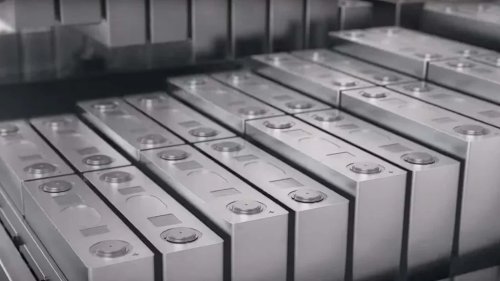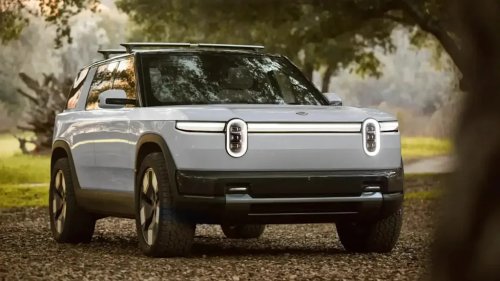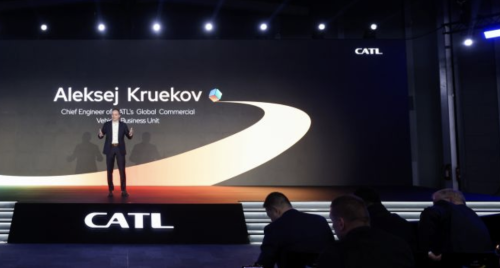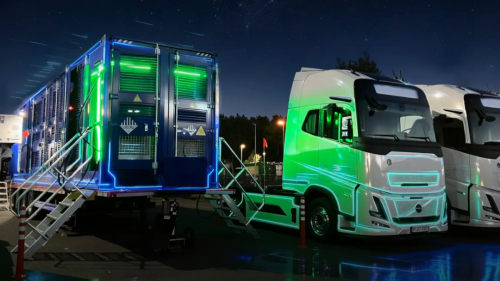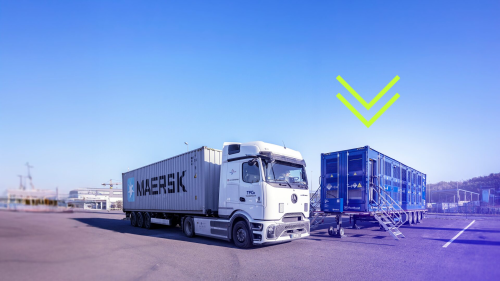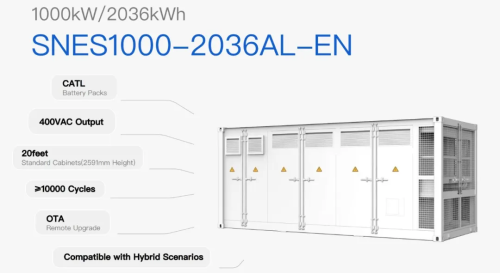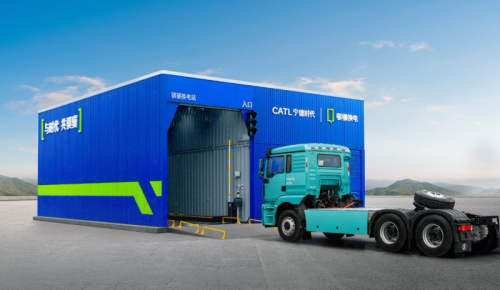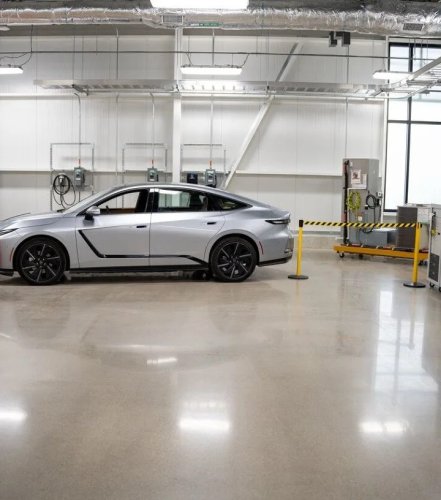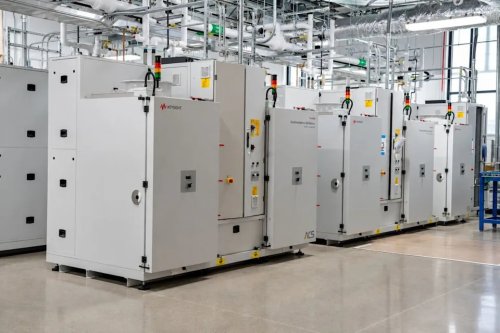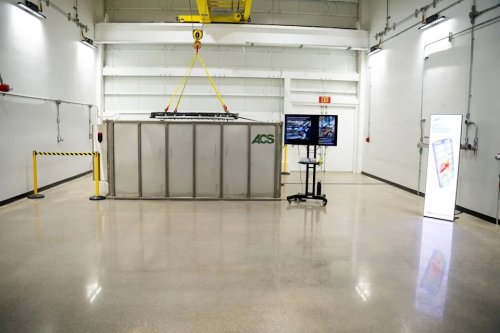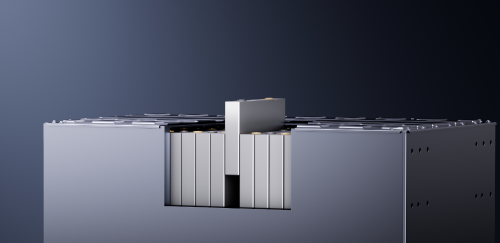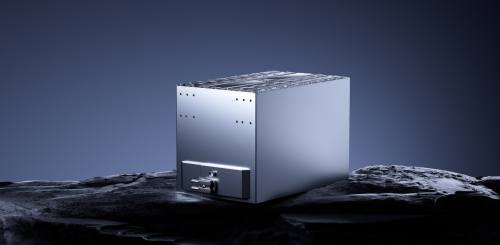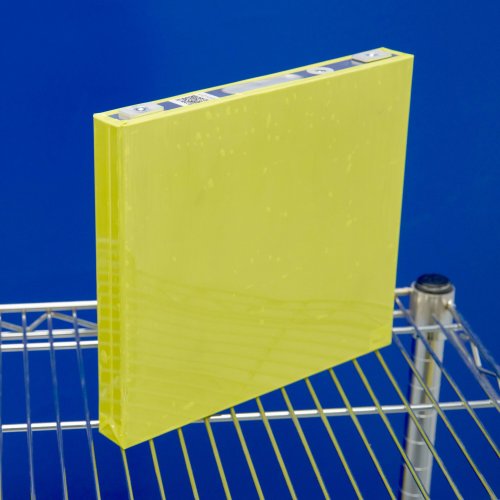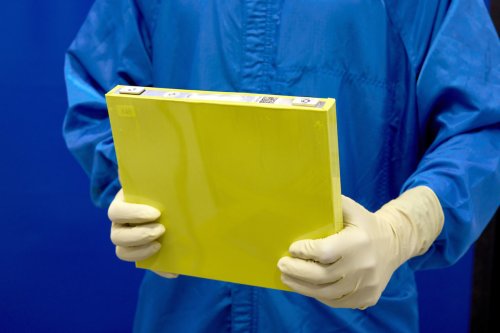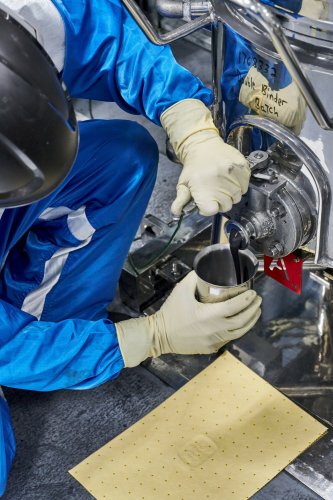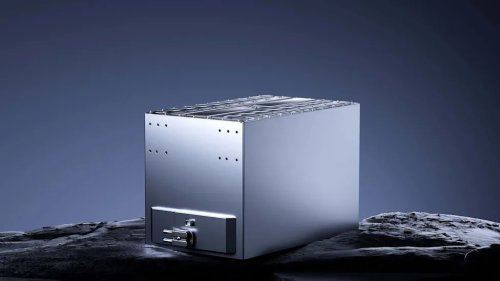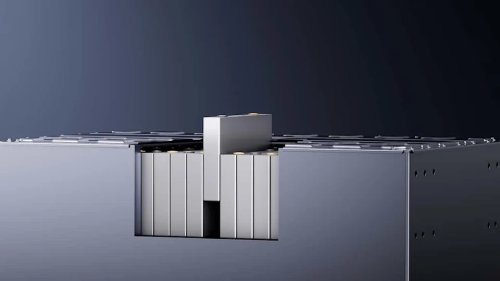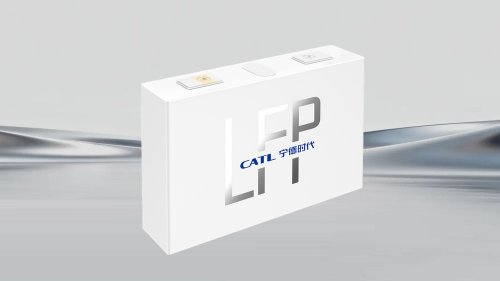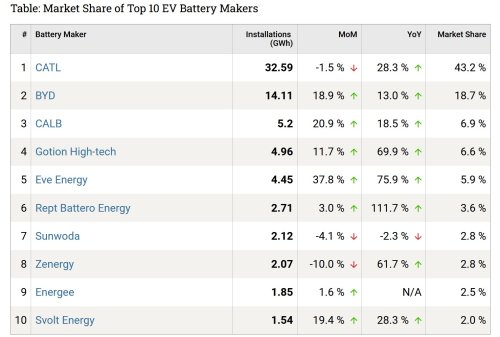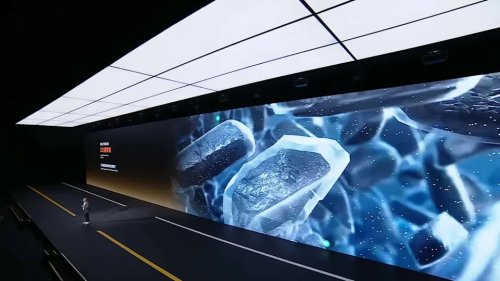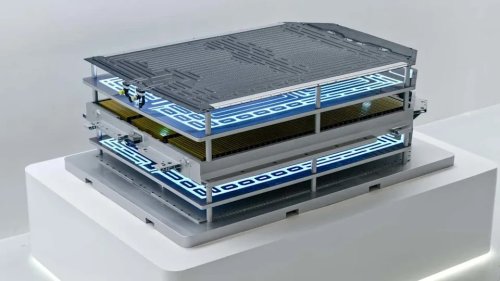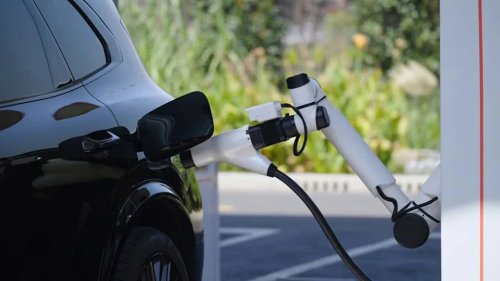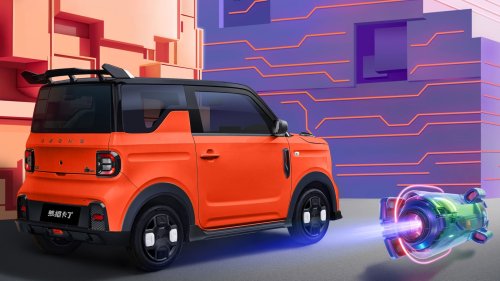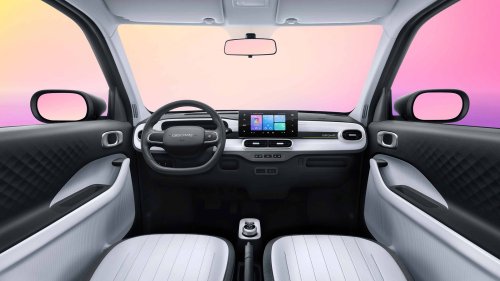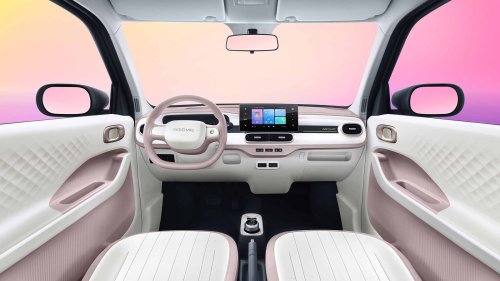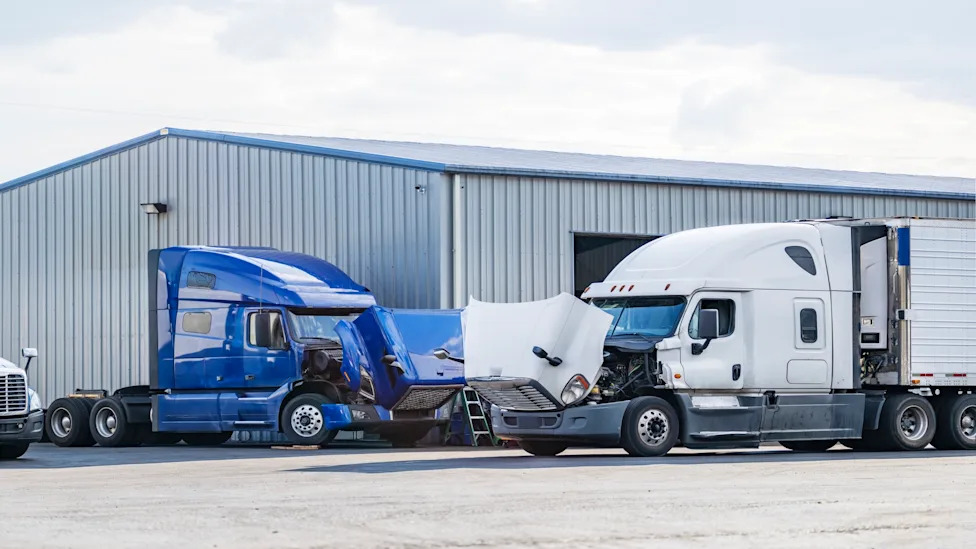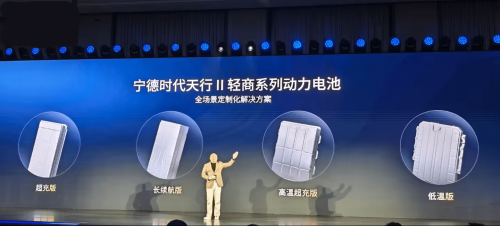
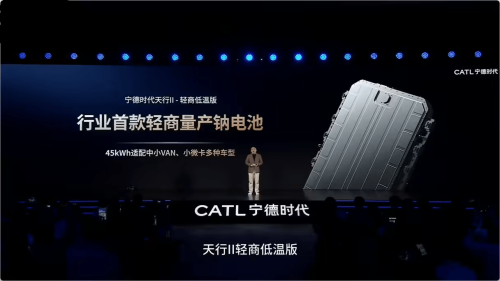
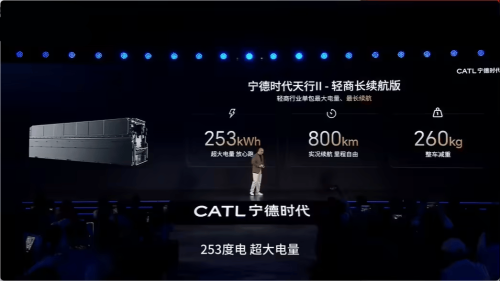
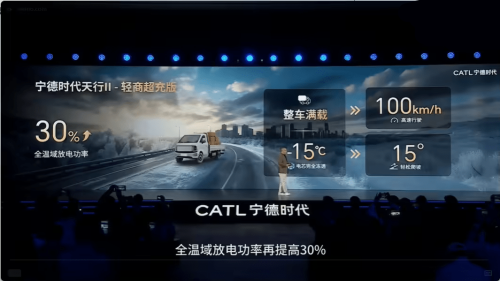



















Four Tianxing II battery variants comprise an ultra-fast charging version, a long-range version, a high-temperature ultra-fast charging version, and a low-temperature version. On January 22, CATL officially launched the Tianxing II battery series, introducing four customized solutions designed to meet the full range of operating scenarios for light commercial vehicles. CATL’s four Tianxing II battery variants for light commercial vehicles Among them, the low-temperature version for light commercial vehicles adopts the industry’s first mass-produced sodium-ion battery. According to the company’s business head, the sodium-ion battery features a 45 kWh capacity and is suitable for multiple vehicle types, including mid-sized vans and micro trucks. Even when the battery cells are completely frozen at -30°C, the system still supports plug-and-charge operation. In environments as cold as -40°C, the battery can retain 90% of its usable capacity. Low-temperature version Targeting different transport scenarios, the Tianxing II lineup simultaneously introduces the ultra-fast charging version for urban distribution, the long-range version for intercity trunk logistics, and the high-temperature ultra-fast charging version for last-mile urban delivery and self-operated fleets. Urban distribution prioritizes charging efficiency, intercity trunk routes emphasize range and operational stability, while last-mile delivery and self-operated vehicles place greater emphasis on high-temperature tolerance and high-frequency usage. CATL stated at the launch event that each battery variant is designed to correspond to a specific typical operating condition. The long-range version for light commercial vehicles offers the sector’s largest single-pack capacity at 253 kWh and delivers a maximum range of up to 800 km. Combined with CATL’s Taishan Pack architecture, the system reduces vehicle weight by approximately 260 kg under the same single-pack capacity. Long-range version In terms of safety, the Tianxing II series adopts CATL’s non-propagating thermal diffusion technology together with aerospace-grade thermal insulation materials, reducing battery failure probability from one in a million to one in a billion, with the goal of eliminating thermal runaway risks at the system level. Certain variants support IP69-rated protection, pass 72-hour water immersion testing, and integrate an intelligent safety monitoring system for real-time operational status tracking. The thermal management system has also been upgraded. The light truck version supports plug-and-charge operation across a wide temperature range from minus 20°C to 60°C, while the heavy truck version is designed for more extreme operating environments. Ultra-fast charging version In terms of commercialization, CATL has reached a partnership with Changan Kuayue, with the Tianxing II 2C ultra-fast charging battery first deployed on the Kuayue Xing V7 EV. The series will subsequently be expanded to major commercial vehicle manufacturers including FAW Jiefang, Shaanxi Auto, and Sinotruk. Meanwhile, CATL Chief Technology Officer Gao Huan said in an interview that the company expects to introduce its sodium-ion batteries to passenger vehicles in Q2 2026, with the first application to debut on a model under GAC Aion. As production capacity expands, CATL plans to scale up deployment across passenger vehicles and commercial vehicles, and further extend the technology to energy storage systems and even construction machinery.