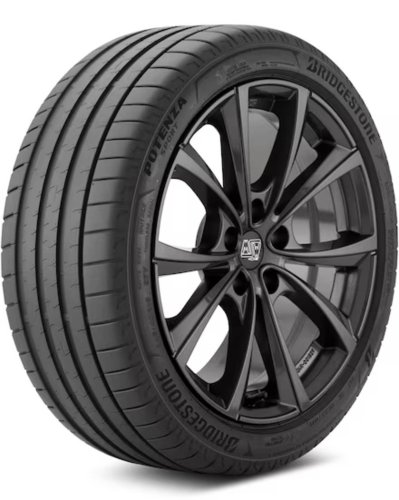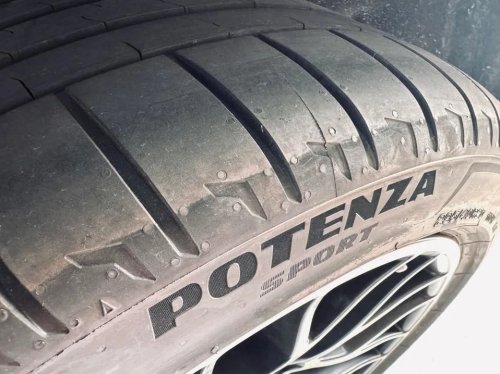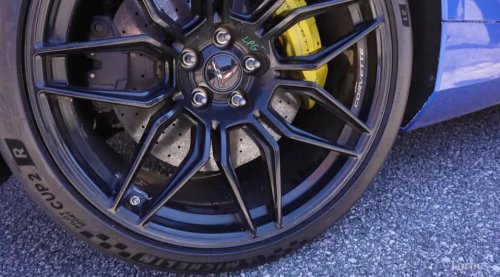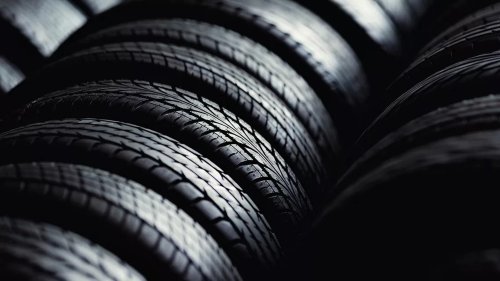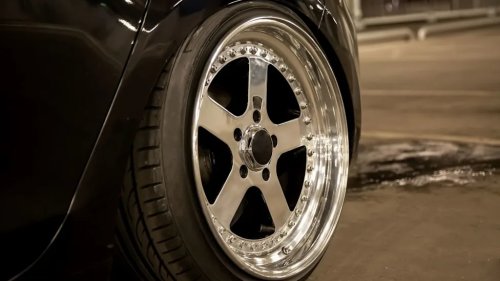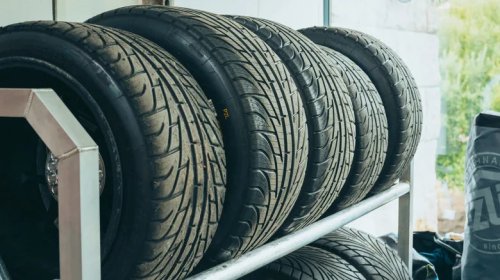





















california might not be banning high performance tires after allA few weeks ago, word got out that California was supposedly going to be banning (from public roads) tires that wouldn't hit a minimum treadlife expectancy.They claimed these tires, specifically sticky high-performance tires that maximize traction over comfort and longevity, were worse for the environment and also would cause drivers to spend extra money on fuel, as they diminish gas mileage.Turns out the rumors were false, or at least exaggerated.california might not be banning high performance tires after allThose extra fuel costs were no joke; the California Energy Commission (CEC) said new regulations would help save drivers around $1 billion. Said regulations would mainly focus on rolling resistance, a metric that effectively analyses how easily a tire rolls down the road. The CEC checks this for each DOT-approved tire using ISO 28580:2018, and a tire that rolls easier gets a better rating.AdvertisementAdvertisementNaturally-and looking at the basics of physics and the coefficient of friction-grippier tires tend to resist rolling more. When a rubber compound grabs a surface better, it helps a vehicle accelerate and corner better; this goes for any on-road or off-road surface, and even though the CEC only looks at on-road testing, tires that grip well off-road tend to be of the softer type, too.California is proposing that tires that don't meet a certain threshold for rolling resistance would be banned, or at least would need to be submitted for an exemption. The maximum rolling resistance allowed is 10.5 N/kN, which is just above the norm for high-performance summer tires. Anything grippier than that would not pass said test.Exceptions would apply to tires that sell fewer than 15,000 units/year, motorcycle tires, snow tires, and space-saver spares.california might not be banning high performance tires after allAll of this tire-banning talk created quite the hullabaloo in the enthusiast community over the last few weeks, sparking debates about whether sticky track-focused tires are necessary and if this should be within California's reach to regulate.AdvertisementAdvertisementAnd though the reality of this being implemented is still up in the air, we at least now have more clarity as to the situation thanks to Motor1, which garnered a statement from a CEC spokesperson:These proposed regulations will not result in a shorter replacement tire lifespan for California drivers. In partnership with Smithers, a leading independent tire testing laboratory, the CEC tested tires that are sold for the most popular cars and light-trucks in California, as measured by California DMV license registrations.Further, we matched this data with real-world treadwear provided by Discount Tire's Treadwell program. The research showed there is no relationship between efficiency and tire lifespan within the California market. There are already compliant tires in the California market with strong performance on both efficiency and lifespan. In addition, the proposal is specifically designed to encourage manufacturers to produce longer-lasting tires, which save consumers money and reduce tire waste.AdvertisementAdvertisementWe'd also like to note that, in consultation with manufacturers, we have developed a specific product category for ultra-high-performance tires. This category will provide an easier target for these tires and will ensure that they remain available for California drivers.The takeaway?None of this is a reality, and there would still be time to adjust should it become such; the CEC is shooting for a 1/1/2028 date for the regulations to go into effect. However, stricter laws brought on by California have done great things in the past, like helping to eliminate smog. And while tire development usually takes years, if not decades, to perfect, don't go writing this off as needless overreach just yet; better tires as a whole might come out of it.Become an AutoGuide insider. Get the latest from the automotive world first by subscribing to our newsletter here.