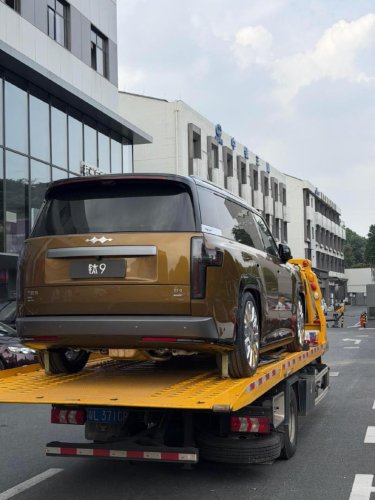
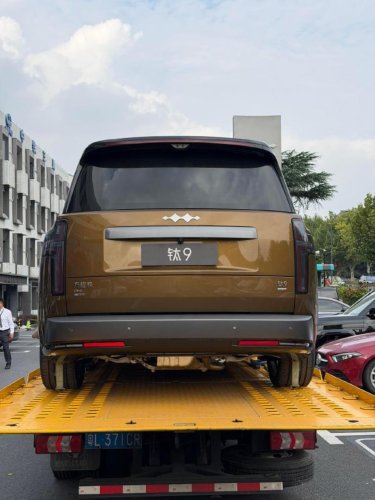
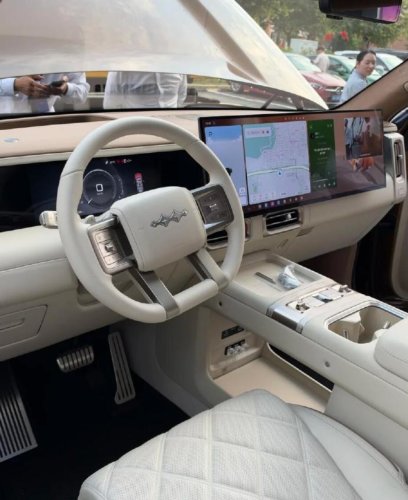
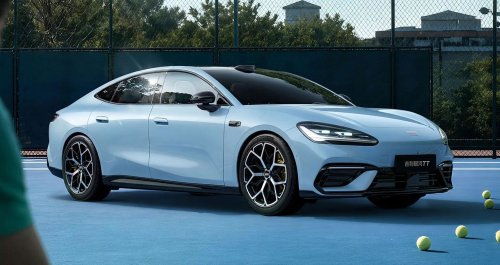
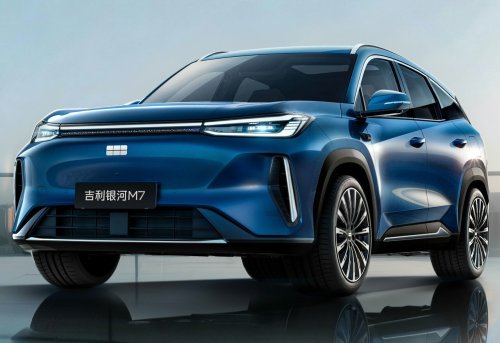
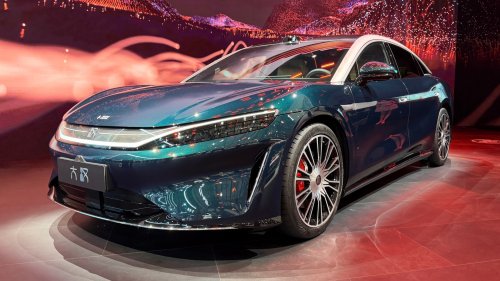
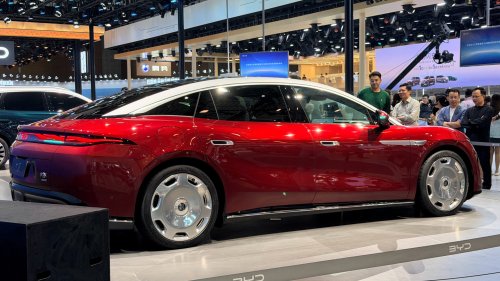
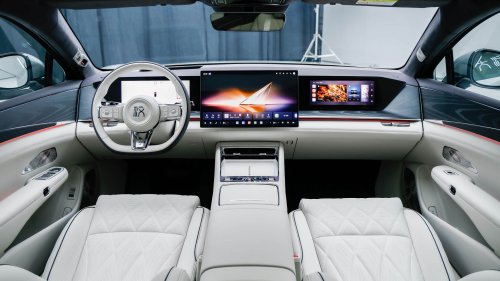
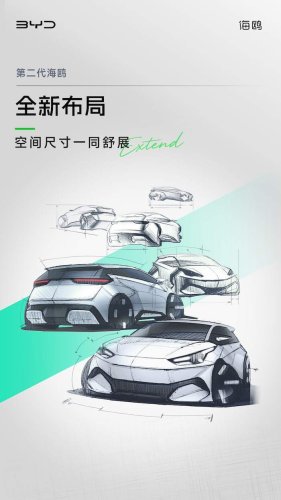
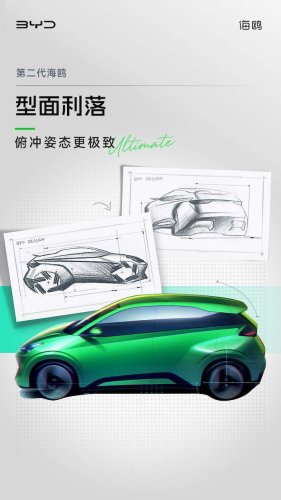
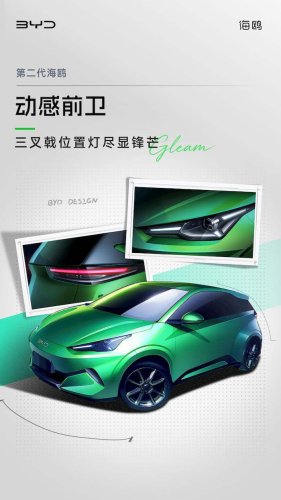
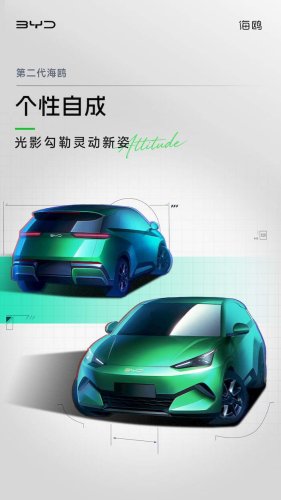
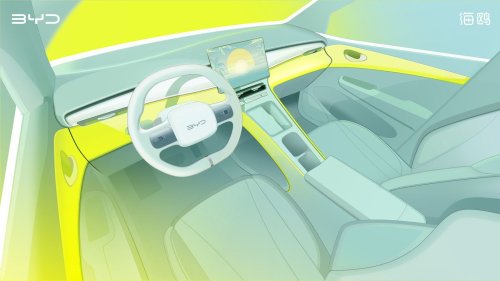
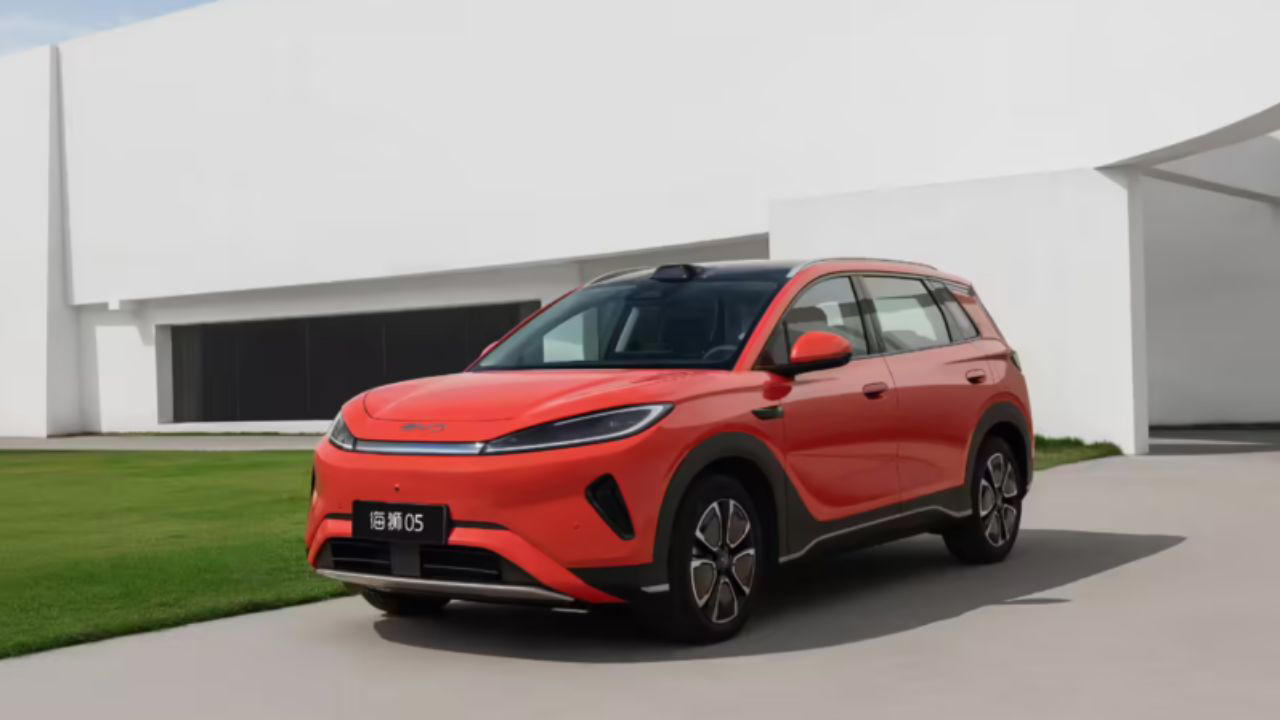
BYD’s Sealion 05 EV launches with smart tech from $16,200BYD has launched the Sealion 05, a compact all-electric SUV that pairs a starting price of about 16,200 dollars with a cabin packed full of smart tech. The model enters one of the busiest segments in China’s EV market and targets buyers who want the feel of a premium crossover without paying premium money. With its mix of range, software features, and driver assistance, the Sealion 05 shows how aggressively BYD plans to defend its lead in mass-market electric cars. The vehicle is aimed at young families and tech-focused drivers who expect their car to behave more like a connected device than a traditional appliance. Its pricing undercuts many gasoline crossovers in China yet still delivers a large touchscreen, advanced driver aids, and a choice of battery and motor setups that cover both city commuting and longer trips. What happened BYD has introduced the Sealion 05 as an all-electric SUV positioned in the compact segment, with a base price in China that works out to roughly 16,200 dollars at current exchange rates. The company is pitching the car as an affordable entry point into its Ocean series, which also includes models such as the Seal and Dolphin, but with a taller, more practical body and a tech-heavy interior aimed at younger buyers. According to detailed product briefings, the Sealion 05 uses BYD’s in-house Blade battery technology and offers multiple configurations that vary in power and range. Entry versions are tuned for efficiency and urban use, while higher trims add more powerful motors and larger battery packs that extend driving range and improve acceleration. This lineup structure allows BYD to keep the headline price low while still offering better-equipped models for customers willing to spend more. On the outside, the Sealion 05 follows BYD’s Ocean design language with a smooth front fascia, slim lighting signatures, and a coupe-style roofline that gives the compact SUV a more upscale look. The styling is meant to set it apart from the boxier, more utilitarian designs that have dominated earlier generations of affordable Chinese EVs. Short overhangs and a relatively long wheelbase help maximize interior space, a key selling point for families living in dense cities. Inside, BYD has fitted a large central touchscreen, a digital instrument cluster, and a clean dashboard with minimal physical buttons. The main display supports BYD’s own software interface, voice control, and smartphone-style app layouts. Higher trims add more advanced connectivity, including over-the-air software updates that can refine energy management, add new infotainment features, or tweak driver assistance behavior after the vehicle is sold. The company has also loaded the Sealion 05 with driver assistance features usually associated with more expensive models. Depending on trim, the SUV can be equipped with adaptive cruise control, lane keeping assistance, automatic emergency braking, and parking aids that use a mix of cameras and radar. BYD’s goal is to make these systems feel like part of a unified digital experience rather than a scattered collection of add-ons. Early first-look coverage notes that the Sealion 05’s cabin materials and build quality appear to punch above its price point. Soft-touch surfaces, ambient lighting, and a tidy center console layout are all aimed at buyers who might otherwise be looking at compact gasoline SUVs from joint-venture brands. Reviewers have also highlighted the generous rear legroom and flat floor, both of which benefit from the dedicated EV platform. On the performance side, BYD is offering front-wheel-drive versions of the Sealion 05 that prioritize efficiency, along with more powerful variants that provide stronger acceleration for highway merging and overtaking. The battery options are tuned to deliver a mix of shorter-range city-focused models and longer-range versions that can handle intercity travel without frequent charging stops. Exact range figures vary by configuration, but BYD is clearly targeting numbers that keep the Sealion 05 competitive with other compact electric SUVs on sale in China. Charging hardware reflects the car’s role as a mainstream family vehicle rather than a halo product. The Sealion 05 supports AC home charging and DC fast charging at public stations, with peak charging speeds designed to bring the battery from a low state of charge to a practical level within a typical shopping stop or meal break. BYD also integrates battery preconditioning and energy management software to help maintain range in colder weather and extend battery life over time. Pricing and positioning relative to its appearance are a key part of the story. Early coverage of the model notes that the SUV looks more expensive than its sticker suggests, with exterior detailing and interior tech that could easily belong to a higher price bracket. That perception gap is core to BYD’s strategy: to make the Sealion 05 feel aspirational while still sitting firmly in the mass-market price band. Analysts tracking the launch point out that the Sealion 05 is arriving at a time when competition among Chinese EV makers is intense and price cuts are common. BYD is using its scale in battery production and vertical integration to keep costs low, which helps explain how it can offer such a well-equipped SUV at this price level. The Sealion 05 is expected to play a major role in maintaining BYD’s sales momentum in its home market and potentially in export markets where compact SUVs are popular. Why it matters The Sealion 05’s arrival at around 16,200 dollars is significant because it pushes advanced EV tech further into the mainstream. A compact SUV with a large infotainment screen, sophisticated driver assistance, and a modern design used to be the territory of premium brands. BYD is now offering that package at a price that undercuts many gasoline competitors, which raises pressure on both legacy automakers and newer EV startups. BYD already holds a strong position in China’s EV market, and the Sealion 05 strengthens its hand in one of the most contested segments. Compact SUVs are popular with young families and first-time car buyers, and they are often the default choice for consumers moving up from smaller hatchbacks. By targeting this group with a tech-rich electric model, BYD is trying to lock in loyalty before those buyers consider rival brands. Launch coverage suggests that BYD is deliberately blurring the lines between budget and premium segments. The Sealion 05’s cabin design, ambient lighting, and digital interfaces are intended to feel more upscale than its price tag would suggest. That strategy could reshape expectations for what an entry-level EV should offer, especially for tech features like large rotating touchscreens, connected services, and advanced safety systems that used to be optional extras. The car also highlights how BYD’s vertical integration is becoming a competitive weapon. The company designs and builds its own batteries, motors, and many electronic components, which helps reduce costs and shorten development cycles. This structure allows BYD to roll out models like the Sealion 05 with strong feature sets at prices that are difficult for less integrated rivals to match. In a market where price wars are common, those cost advantages are critical. The Sealion 05’s tech stack matters beyond comfort and convenience. Over-the-air software updates and connected services turn the car into a platform that can evolve over time. BYD can refine energy management algorithms, improve driver assistance behavior, or add new infotainment apps without requiring a dealership visit. That approach keeps the car feeling fresh for longer and can improve residual values, which in turn makes EV ownership more attractive to cost-conscious buyers. From a broader industry perspective, the Sealion 05 illustrates how Chinese automakers are closing the gap with global brands on perceived quality while still competing aggressively on price. For foreign automakers that rely on compact SUVs as profit centers, models like this pose a direct threat. If BYD decides to export the Sealion 05 or a closely related variant, it could undercut established players in markets where consumers are highly price sensitive but still expect strong tech features. Consumer expectations around safety and driver assistance are also shifting. By making adaptive cruise control, lane keeping support, and automatic emergency braking available on a relatively low-cost SUV, BYD raises the bar for what buyers will accept in this segment. Rivals that still treat these systems as expensive options risk looking outdated, especially in markets where regulators are pushing for wider adoption of active safety technology. The Sealion 05’s pricing has implications for EV adoption in emerging markets as well. A compact electric SUV that starts around 16,200 dollars is still not cheap, but it is much closer to the price of popular gasoline models than earlier EVs. As charging infrastructure improves and battery costs continue to fall, vehicles like the Sealion 05 could accelerate the shift away from internal combustion engines in countries where cost has been the main barrier. Early analysis also suggests that BYD is using the Sealion 05 to showcase its latest software and user interface work. The large central screen, voice control, and smartphone-like app environment are designed to appeal to younger buyers who expect their car to integrate seamlessly with their digital lives. If the software experience proves smooth and reliable, it could become a key differentiator for BYD in a crowded field of EVs that often look similar on paper. Finally, the launch underscores how quickly the center of gravity in EV innovation has moved toward China. A few years ago, a compact electric SUV with this level of equipment at this price would have been considered ambitious. Now it is part of a broader wave of competitively priced Chinese EVs that are reshaping global expectations about what electric cars can cost and how much technology they can include. What to watch next The next phase for the Sealion 05 will be its performance in the Chinese market and any potential expansion into overseas markets. Analysts will be watching early sales volumes and customer feedback to see whether the mix of price, range, and tech resonates with buyers in the way BYD expects. Strong demand would reinforce the company’s strategy of pushing advanced features into lower price bands. One key area to monitor is how BYD manages the Sealion 05’s trim walk and options. The entry-level price of about 16,200 dollars is a strong headline, but the company needs to balance that with higher-margin variants that offer longer range and more equipment. If too many buyers gravitate toward the cheapest version, profitability could be squeezed. If mid and high trims prove popular, BYD will have shown that buyers are willing to pay extra for software and comfort features even in a budget-conscious segment. Another factor is how rivals respond. Competitors in China’s EV market are unlikely to ignore a compact SUV that looks more expensive than it is. Price cuts, new model launches, and feature upgrades are all possible reactions. Some rivals may focus on even lower prices, while others try to differentiate with performance, design, or brand cachet. The Sealion 05 could therefore trigger a new round of competition specifically in the compact electric SUV space. More from Fast Lane Only Unboxing the WWII Jeep in a Crate 15 rare Chevys collectors are quietly buying 10 underrated V8s still worth hunting down Police notice this before you even roll window down


















 +40 others