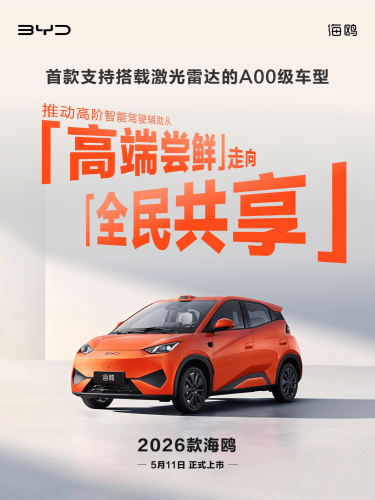
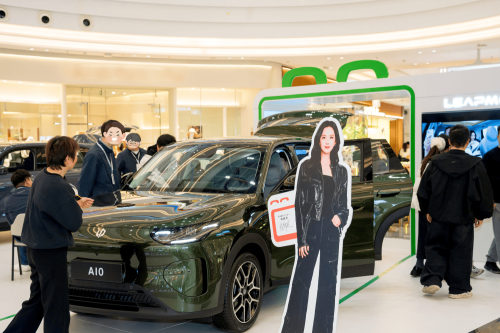
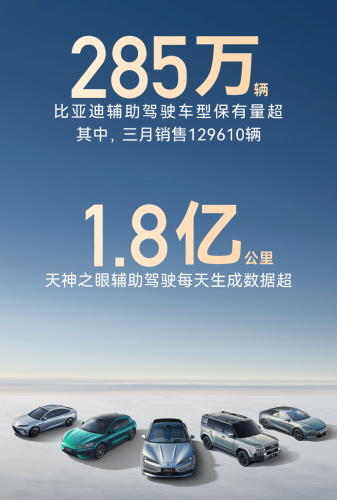
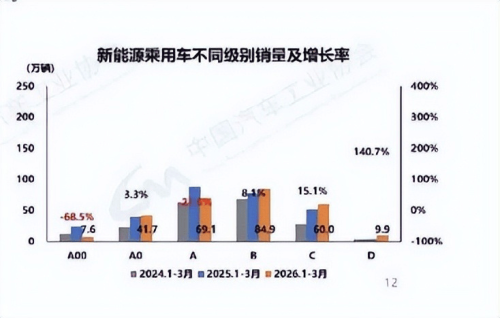
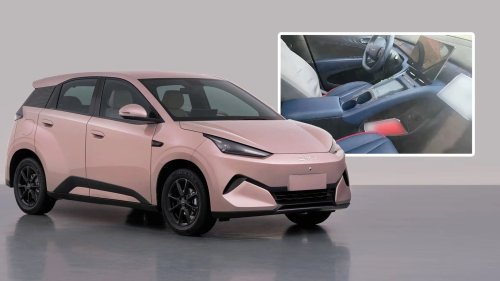
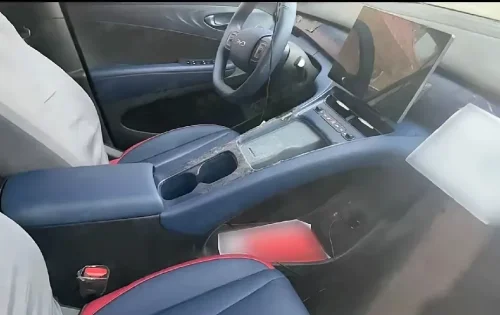
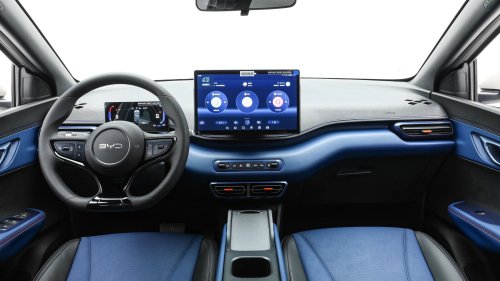
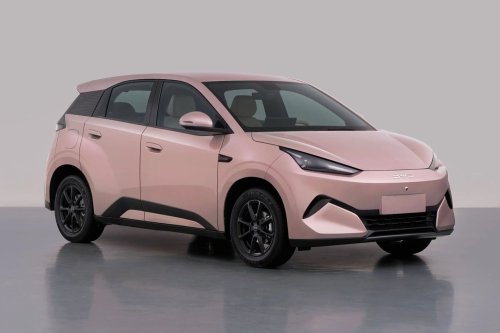
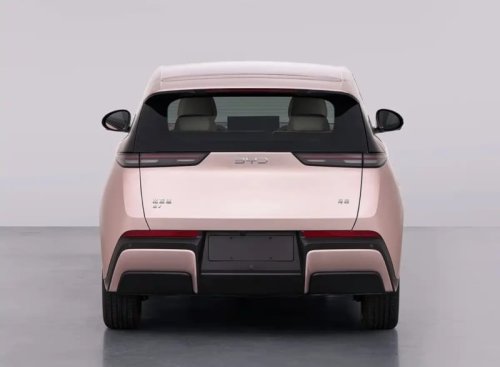
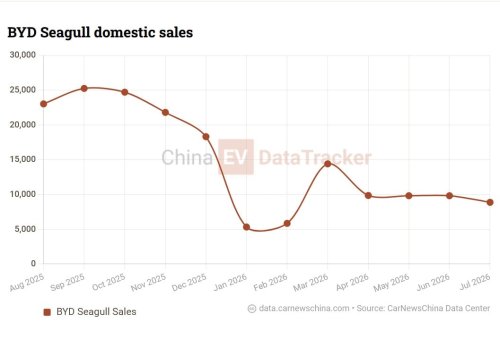
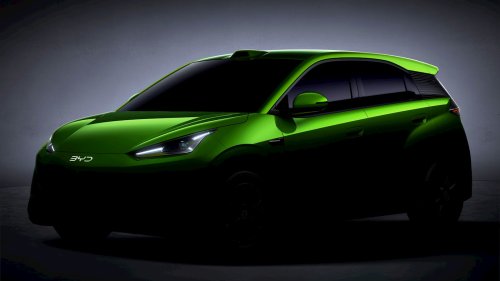
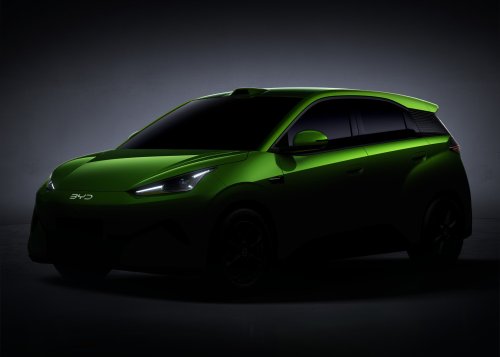
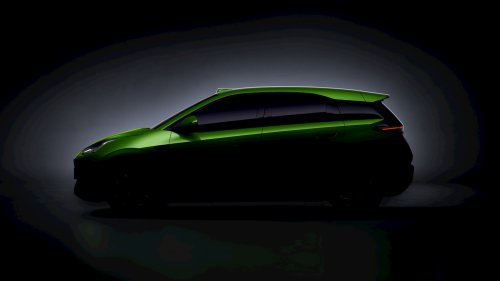
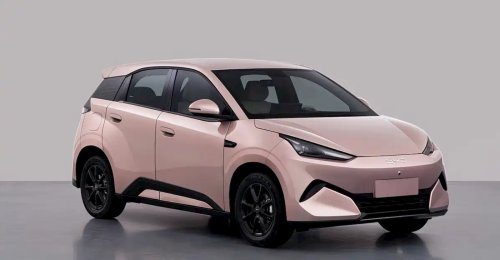
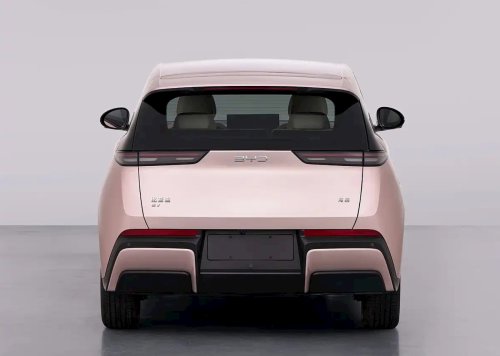
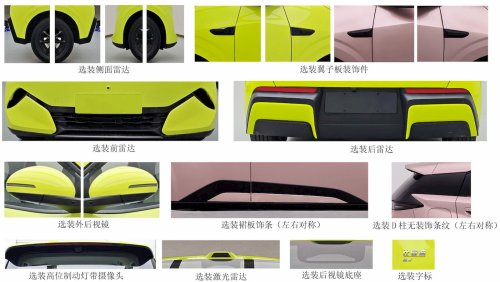
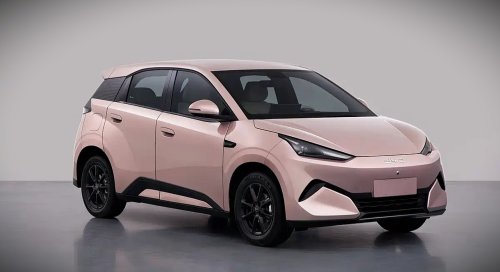
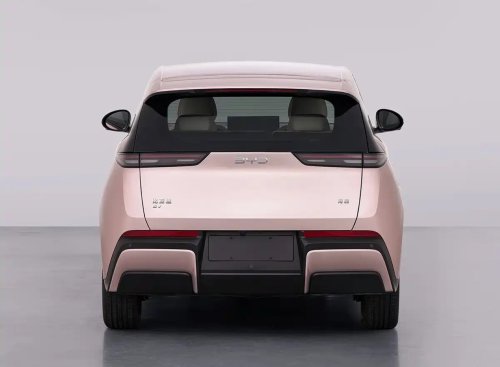
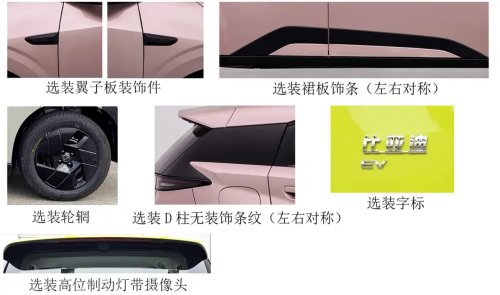
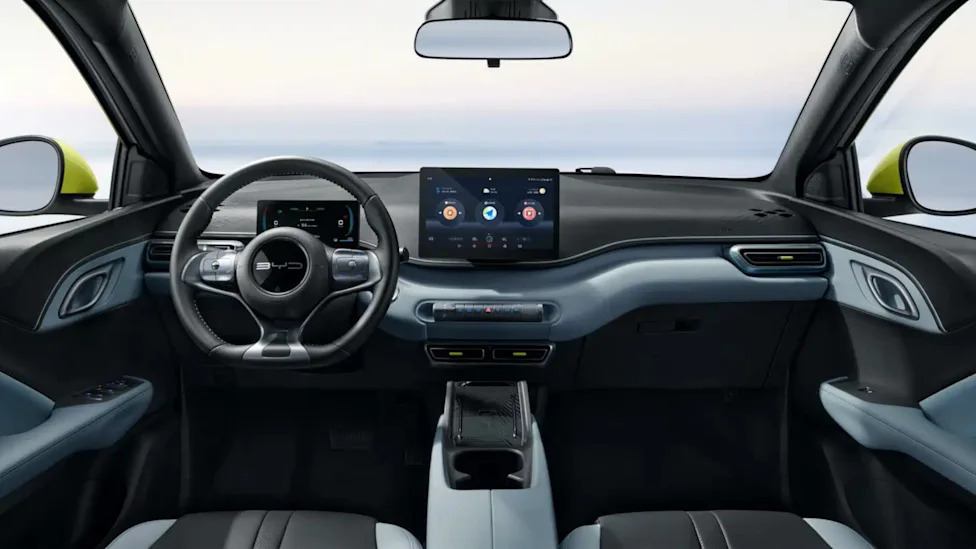
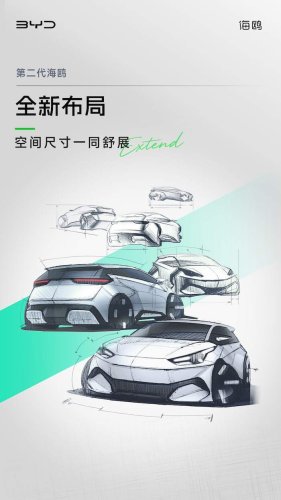
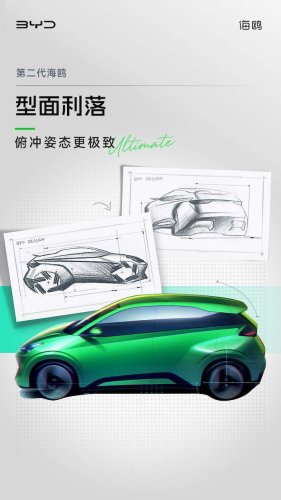
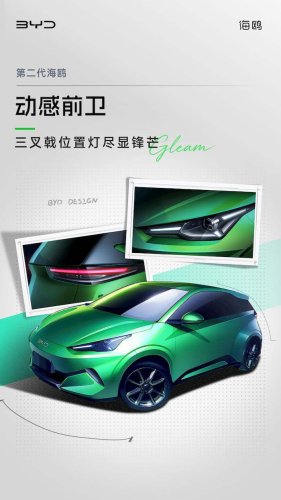
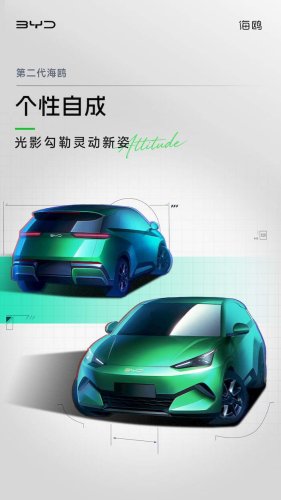
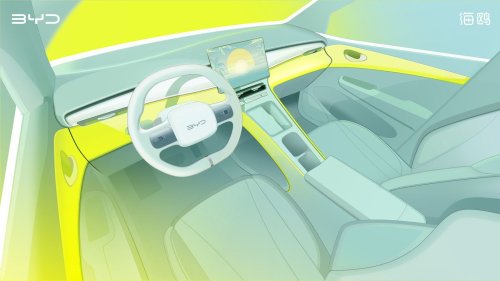
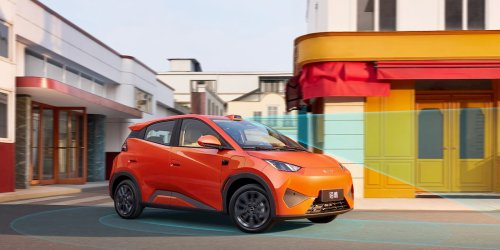
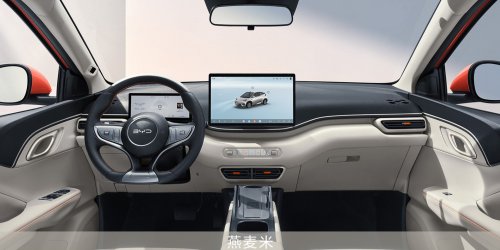
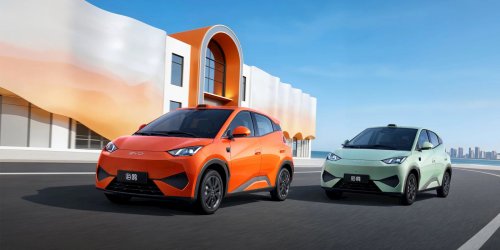
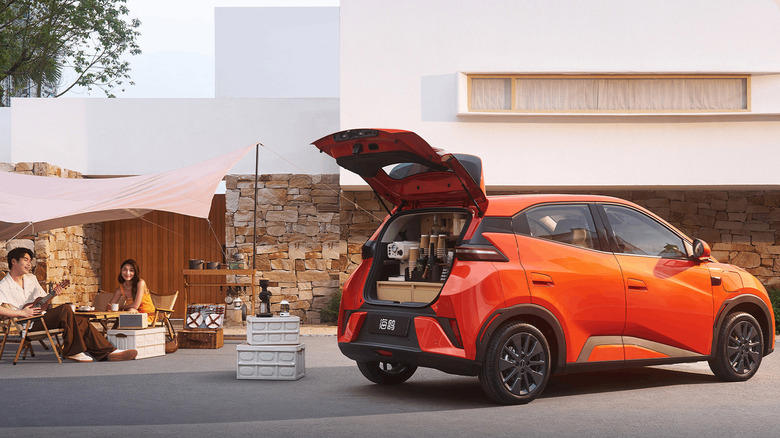
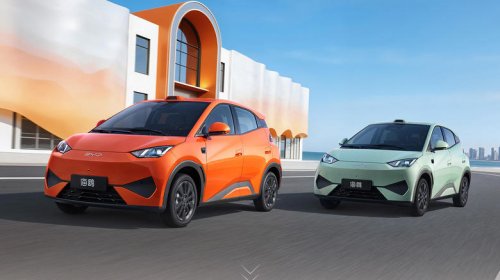
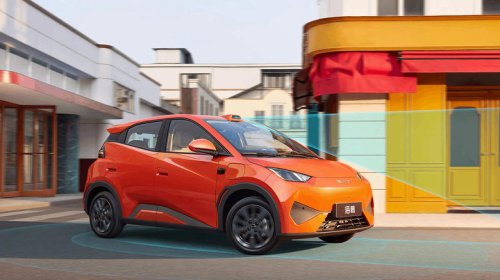
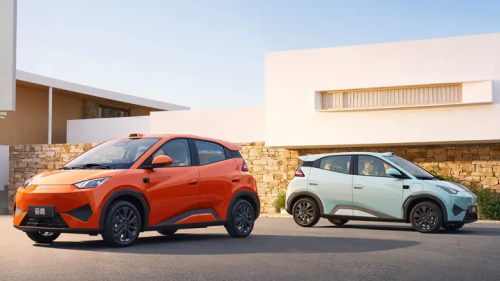
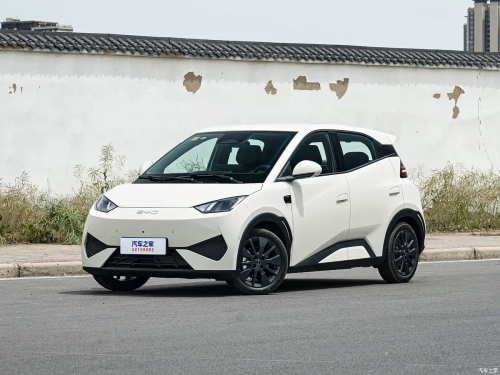
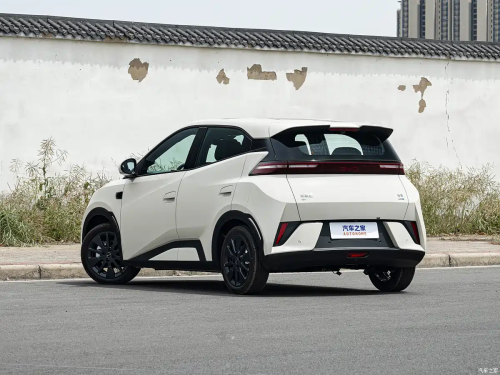
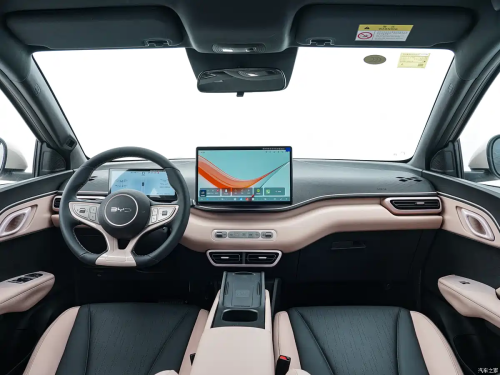
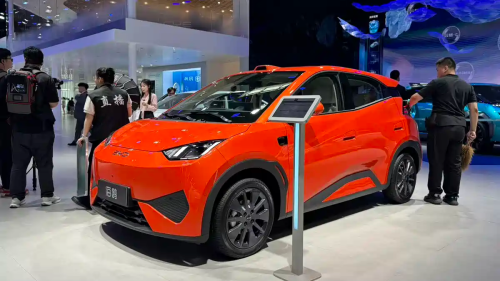
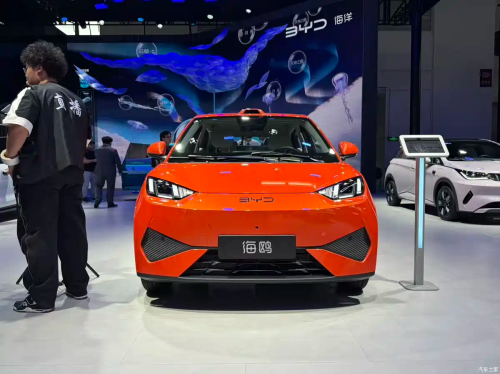
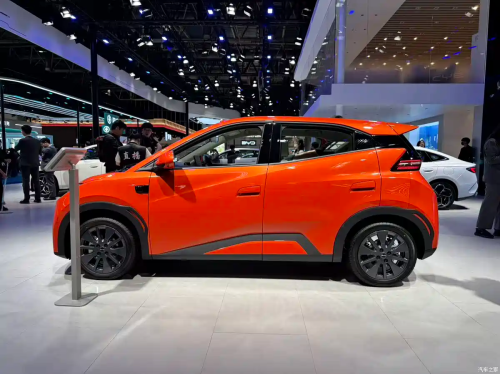
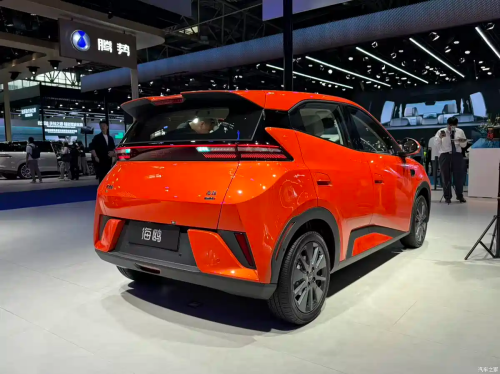
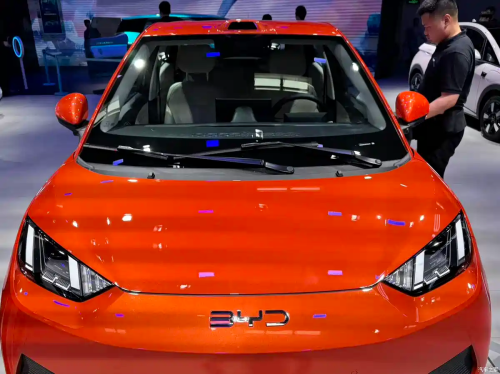
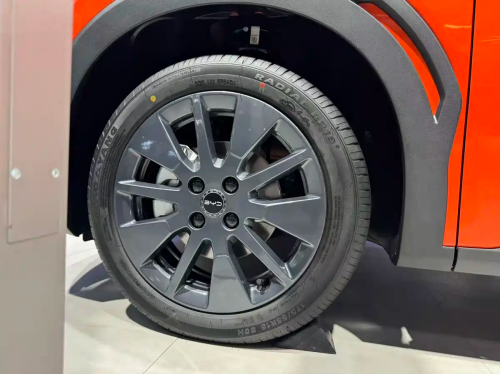
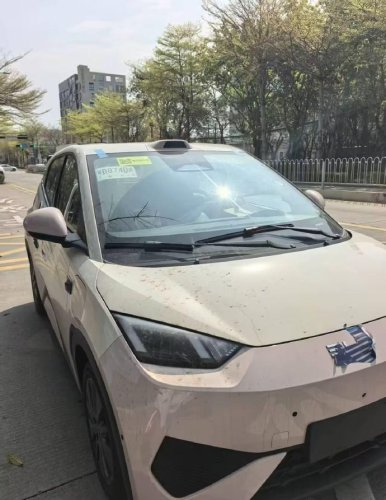
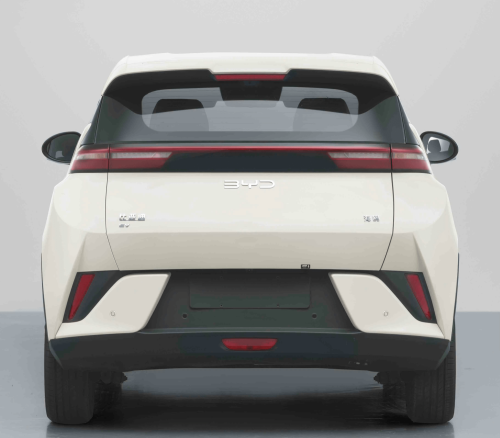
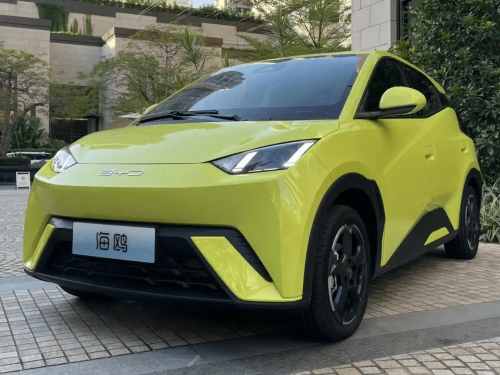
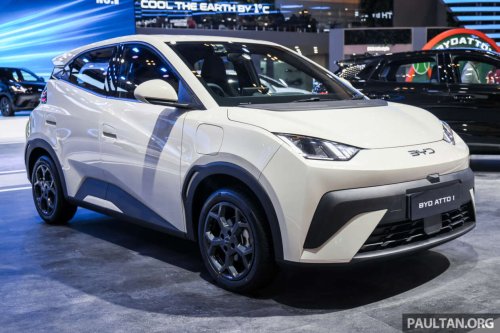
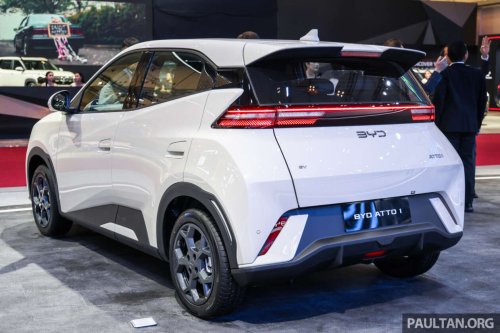
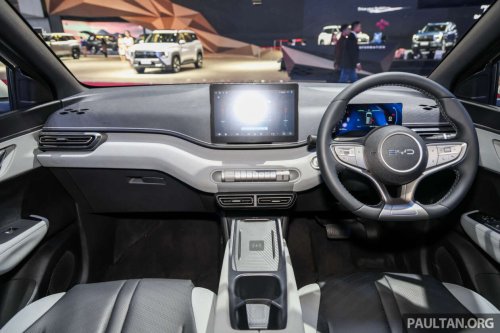
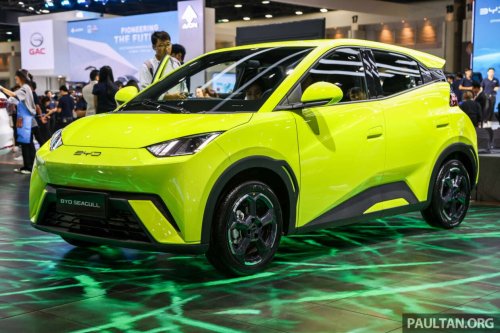
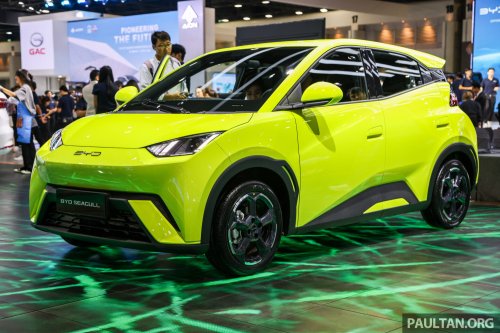
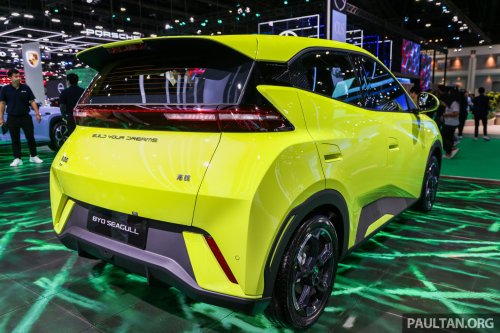
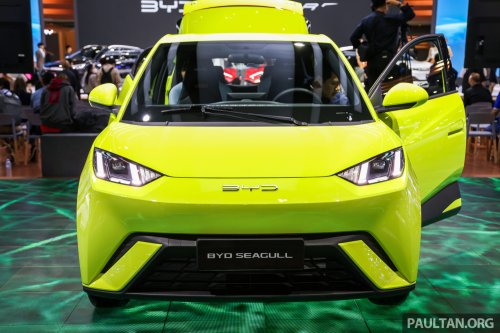
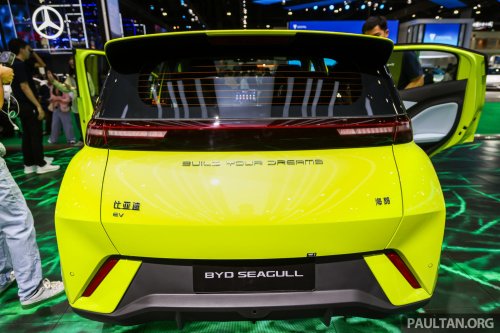
On May 9, BYD Ocean Network general manager Zhang Zhuo announced that the 2026 BYD Seagull, marketed overseas as the Dolphin Mini/Surf, will officially launch on May 11. More than a routine annual facelift, the updated Seagull is attracting attention because it will become one of the first A00-segment vehicles capable of being equipped with LiDAR. 2026 BYD Seagull will officially launch on May 11 Over the past few years, LiDAR has largely remained exclusive to premium intelligent vehicles. Whether among EV startups or traditional automakers, advanced driver assistance systems were typically concentrated in vehicles priced above RMB 200,000 ($29,250). But since the beginning of this year, the technology has rapidly started moving into lower-priced segments. As of April 2026, multiple vehicles priced below RMB 100,000 ($14,625), including the Leapmotor A10, Changan Q05 and BYD Seagull, have begun offering LiDAR-equipped variants. In particular, the LiDAR-equipped version of the Leapmotor A10 has lowered the price threshold to RMB 86,800 ($12,690), becoming one of the first sub-RMB 100,000 vehicles to offer point-to-point navigation-assisted driving functions. Leapmotor A10 The main reason LiDAR is entering lower-priced segments is falling hardware costs. Previously, a single automotive-grade LiDAR unit could cost several thousand U.S. dollars. Now, as China’s domestic supply chain matures, prices have dropped sharply. Chinese suppliers including Hesai and RoboSense have reduced the cost of some LiDAR products to below $500, and in some cases below RMB 900 ($132), through chip-based designs, automated production and vertical integration. At the same time, the A00 segment has traditionally been one of the industry’s most cost-sensitive categories in terms of bill-of-materials expenses. Historically, vehicles in this segment prioritized affordability and basic urban mobility, while intelligent driving and advanced sensing systems were often among the first features removed to control costs. BYD had more than 2.85 million vehicles equipped with its driver-assistance systems The arrival of LiDAR in this market suggests that intelligent driving hardware costs are approaching a key industry inflection point. Over the past year, BYD has also accelerated the rollout of driver-assistance hardware across its lineup, rapidly expanding from premium models into mainstream family vehicles across multiple price ranges. Official data shows that as of April 15, BYD had more than 2.85 million vehicles equipped with its driver-assistance systems on the road. The company said its “God’s Eye” system now generates more than 180 million km of driving data daily. At the same time, however, the A00 segment itself has been shrinking. According to data from CAAM, cumulative sales of A00-class NEVs totaled only 76,000 units in the first quarter, down 68.5% YoY, with market share in the pure-electric segment falling to around 9%. Sales volume and growth rate of various NEV classes from January to March for the years 2024, 2025, and 2026 The A00 market was once the core growth engine of China’s early EV boom. Early mini EVs and low-cost urban mobility cars rapidly scaled through aggressive pricing advantages. But as consumers increasingly prioritize driving range, safety, cabin space and intelligent features, demand has gradually shifted toward larger vehicles. In other words, low pricing alone is no longer sufficient to sustain growth in the A00 segment. That is why a new generation of compact EVs, including the Seagull, is increasingly moving toward higher-specification and smarter configurations.


































![BYD offers a closer look at the new Seagull EV [Images]](https://cdn.topcarnews.net/thumb/id/aHR0cHM6Ly9pMC53cC5jb20vZWxlY3Ry-ZWsuY28vd3AtY29udGVudC91cGxvYWRz-L3NpdGVzLzMvMjAyNi8wOS9CWUQtbmV3-LVNlYWd1bGwtRVYtdXBkYXRlLmpwZWc_-dz0xNTAwJmFtcDtxdWFsaXR5PTgyJmFt-cDtzdHJpcD1hbGwmYW1wO3NzbD0x/9c0b758dc4a218f611566b2a03c52e8a.jpeg?t=20261002&post_id=64651)

