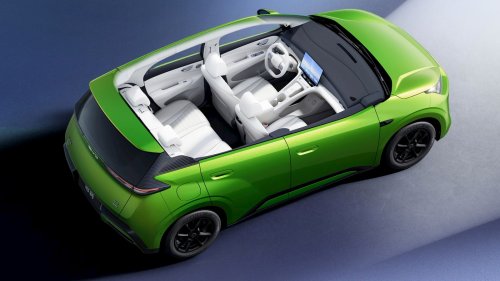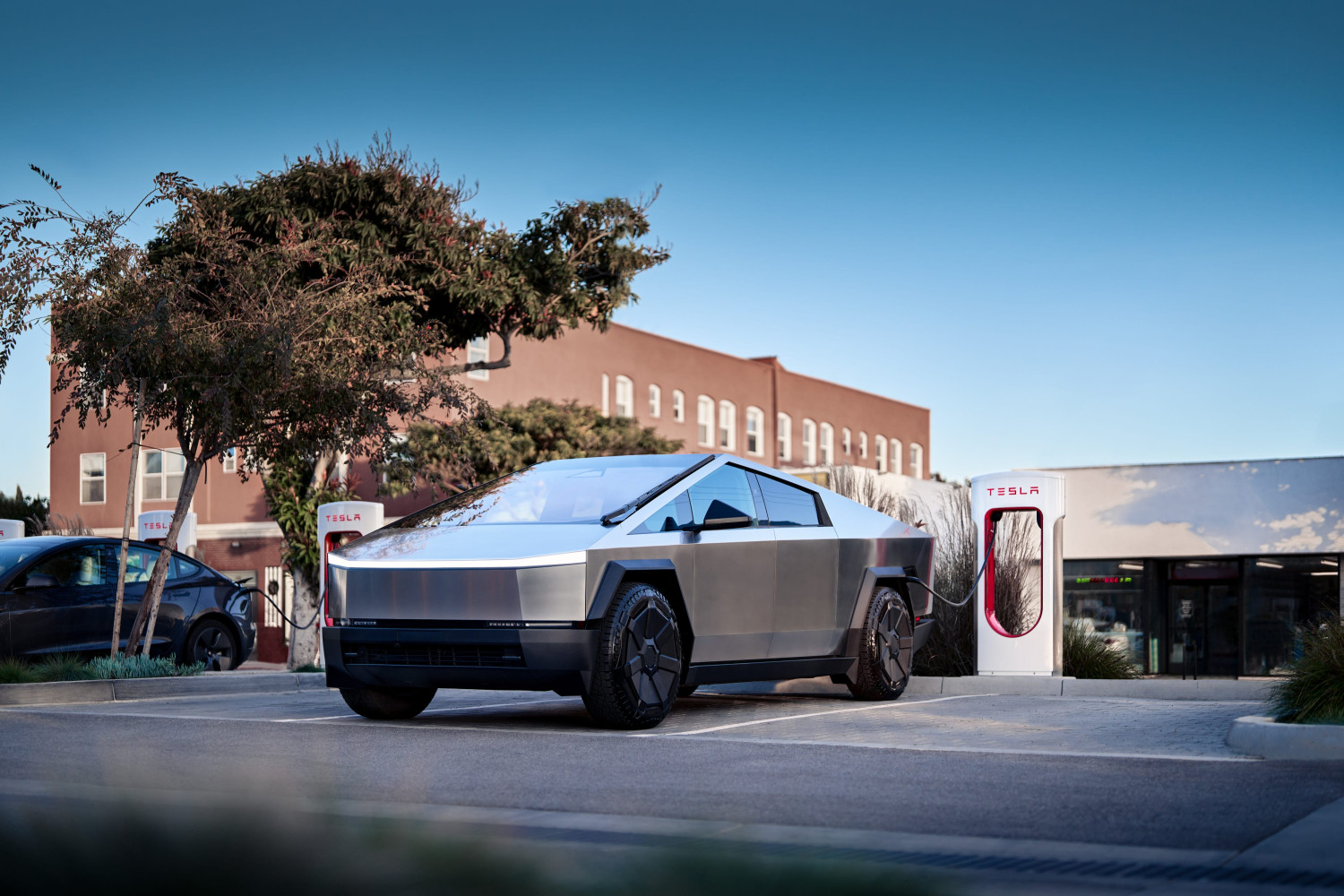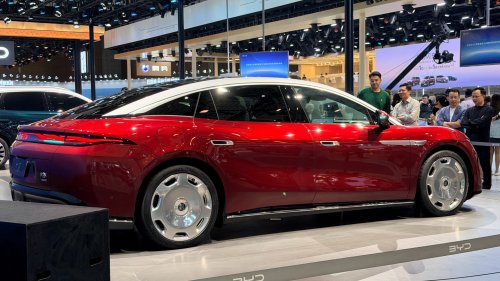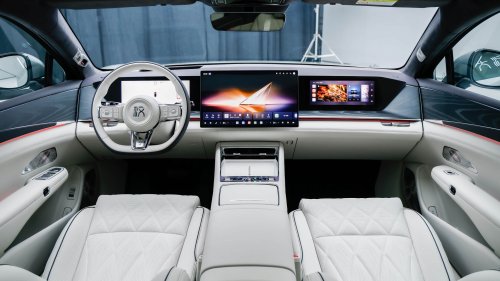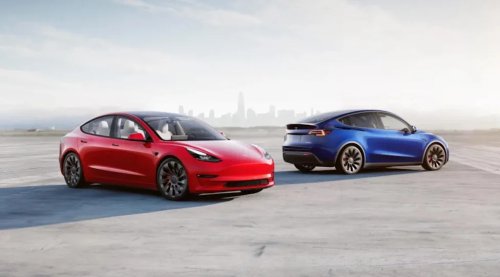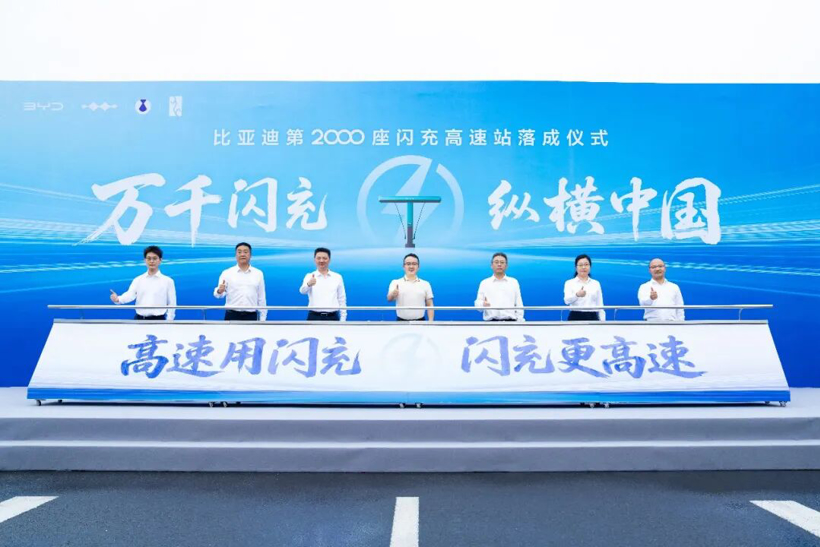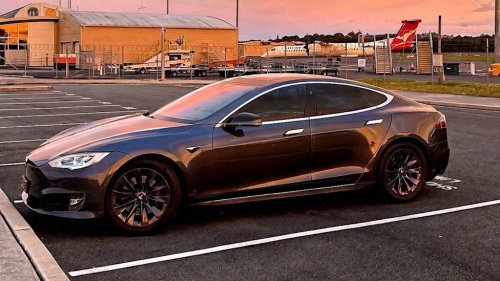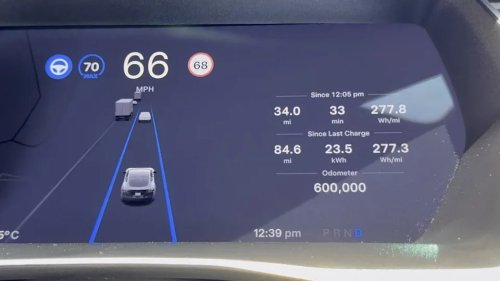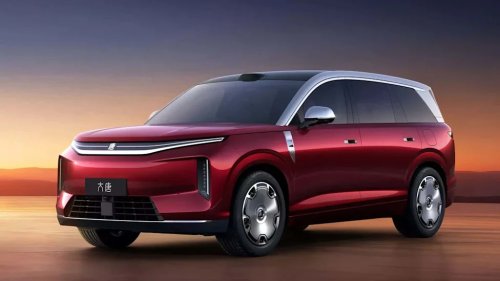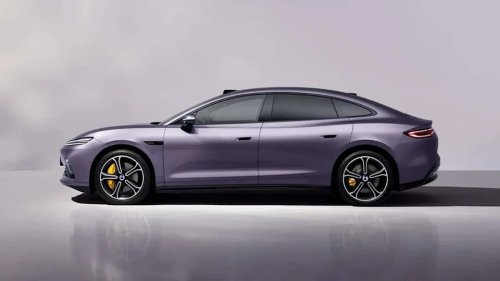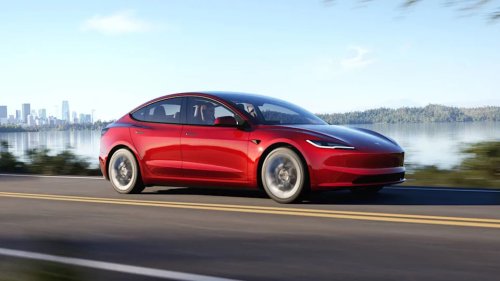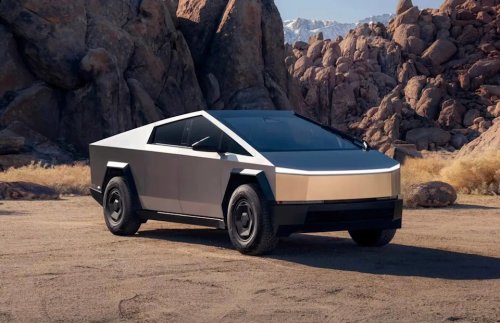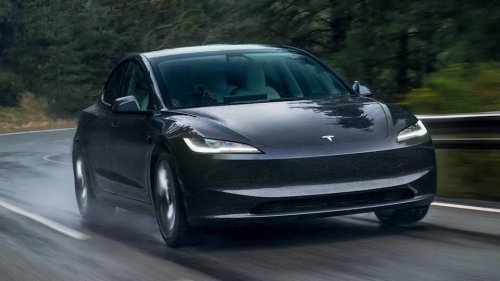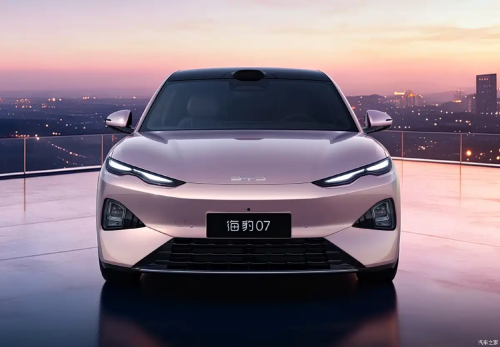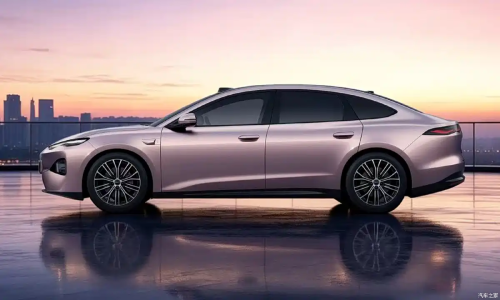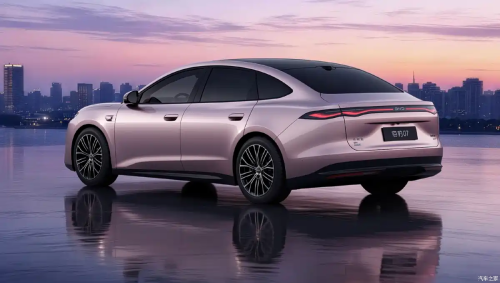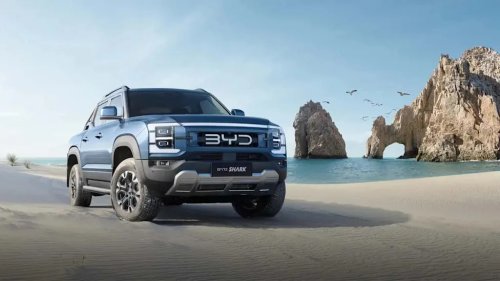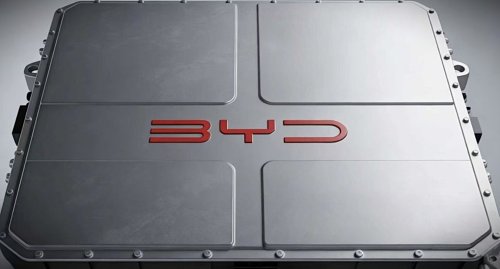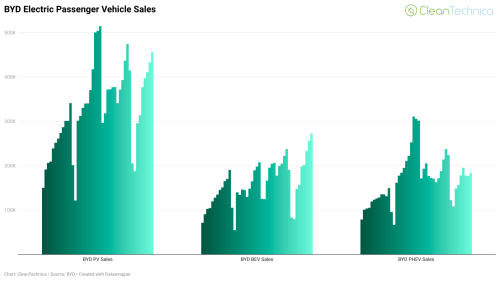
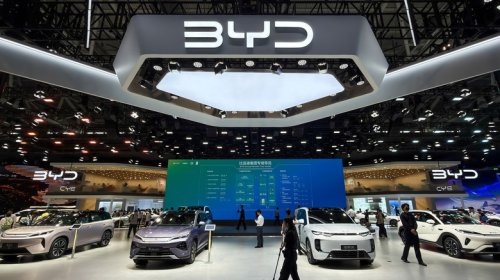
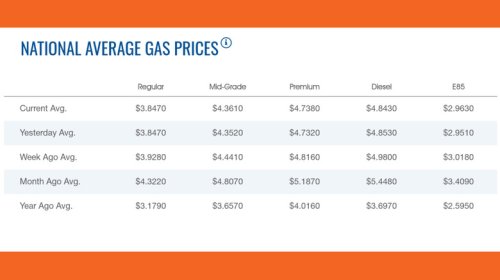




















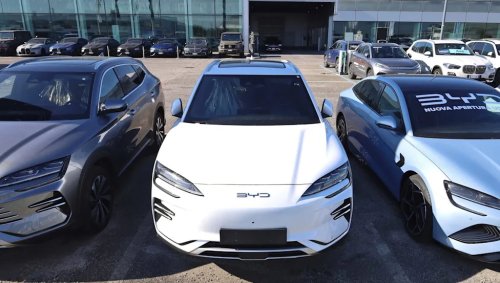

Lewistsepuilung/Getty Images Happy Wednesday! It's July 1, 2026, and this is The Morning Shift — your daily roundup of the top automotive headlines from around the world, in one place. This is where you'll find the most important stories that are shaping the way Americans drive and get around. In this morning's edition, we're looking at BYD's aims for the EV sales crown, and those brands that are succeeding in our modern automotive market. We'll also look at the state of Western automakers in China, and the weapons manufacturers taking chips from cars. The Morning Shift now has its own newsletter! For a roundup of automotive news in your inbox every morning, sign up here. 1st Gear: Tesla took the EV sales crown back from BYD earlier this year, but BYD is poised to take it back Cheng Xin/Getty Images Way back in 2024, BYD beat Tesla for pure EV sales for the first time. The Chinese company has largely remained ahead of the American one, save for a dip in sales during the first quarter of 2026 — a dip large enough for Tesla to take the crown back. Now, though, it's looking like it'll go back to BYD. From Bloomberg: BYD Co. is poised to reclaim the title of the world's top seller of fully electric cars from Tesla Inc. as the Chinese automaker ships an increasing number of vehicles abroad. The maker of the Dolphin delivered 557,090 battery-electric models in the three months through June, according to figures released Wednesday. While that's fewer than in the same period last year, it'll probably be enough to beat Tesla. The US manufacturer is expected to report quarterly sales of around 396,500 vehicles next week, according to analyst estimates compiled by Bloomberg. BYD first overtook Tesla in the fourth quarter of 2024, and maintained a significant lead through 2025 as Elon Musk's political activities and close ties with US President Donald Trump disenchanted consumers, particularly in Europe. One automaker makes good cars, the other alienates its target market by cozying up to far-right race nationalist parties around the globe. I can't imagine why Tesla is losing in sales. 2nd Gear: The dire U.S. auto market isn't so dire for Hyundai, Kia, and Honda Tomeng/Getty Images 2026 has been a bad year for car sales writ large, but there's an exception to the rule: Hybrids, which have gone gangbusters as fuel prices have climbed. Hyundai and Kia have ridden that wave to sales success, while Honda has found success the old-fashioned way. From Automotive News: Hyundai and Kia racked up more U.S. sales gains in June on strong hybrid and crossover volume, while Honda Motor Co. volume rose 17 percent on robust CR-V and Accord demand. Sales last month rose 11 percent to 77,555 at Hyundai and 10 percent to 70,507 at Kia, the companies said July 1. Hybrid volume, up 74 percent at Hyundai and 187 percent at Kia, drove the gains last month, the companies reported. Two of Hyundai's core crossovers, Tucson and Palisade, posted double-digit gains of 20 percent or more, while Kia's overall crossover deliveries rose 4 percent. Kia said its retail sales also posted double-digit gains last month, up 17 percent. ... At American Honda, June volume rose 17 percent at the Honda division – with Accord up 49 percent, CR-V up 30 percent and Civic up 15 percent – and 13 percent at Acura. Honda said sales of electrified models, nearly all of them hybrids, rose 11 percent to 36,580. The Korean triplets have been making some truly great stuff recently, so it's nice to see that reflected in sales. Maybe American car buyers do have taste. If only we could get them all to stop buying boring grayscale cars. 3rd Gear: Chinese buyers are abandoning Western brands Hidden Peak/Shutterstock Ten years ago, Western automakers were tripping over themselves to get a foot in the door in the lucrative Chinese market. Now, though, Chinese automakers are building better cars for less money — and the Western automakers are losing out to domestic sales. From the Wall Street Journal: The mid-2010s were a golden age for Western carmakers in China, the world's biggest auto market. Brands such as Buick and Volkswagen thrived as a newly empowered class of buyers couldn't get into foreign cars fast enough. But now that footprint is slipping away. The biggest Western automaker in China, Volkswagen, saw the market share for its brands fall to 9.7% in 2025 from 14.7% in 2015, according to data from industry consulting firm AlixPartners. The German carmaker is now eyeing tens of thousands of job cuts globally, in part because of lost ground in China. Volkswagen went from $5 billion in profit from its Chinese operations to a projected $228 million to $684 million this year. Today, Western car companies face intense competition from the local companies they once taught how to make cars. American brands' total market share fell to 5% last year from 12% in 2014, according to AlixPartners. Chinese cars that offer more features, better technology and more competitive pricing make up two-thirds of new car sales in the country and have almost entirely elbowed foreign manufacturers out of the electric and plug-in hybrid market. Even Tesla, which helped spark China's EV boom, has seen its market share decline there. We're more alike the average Chinese citizen than most people would probably like to admit. We all enjoy a pickup truck doing donuts, a cool fireworks explosion, and a cheap car made locally that offers more features than the competition. 4th Gear: Weapons manufacturers are taking automotive chips to build missiles Travis Gorhum/Getty Images The United States has plowed through a lot of our missile inventory, and the government is offering big money to any company who can help it restock. That means a fertile ground for startups looking to get into the weapons business, and a wealth of new companies that are now grabbing parts from automotive supply chains. From Reuters: WASHINGTON, July 1 (Reuters) – Defense tech startups are repurposing automotive chips and pipes used in fracking — while copying production methods from drugmakers — in an effort to deliver weapons to the Pentagon faster and at lower cost. Soaring demand for rocket motors used to power missiles and other weapons has spurred new thinking about supply chains. Seeking big returns, Silicon Valley-style startups are now taking on defense companies that have long dominated the industry, pulled into the competition by a need for production speed, high volume and lower costs, according to ten industry executives, experts and U.S officials interviewed by Reuters. The U.S. has plowed through over fifty thousand rockets, missiles and other projectiles propelled by rocket motors since the Russian invasion of Ukraine in 2022 through the U.S. attack on Iran, Pentagon data shows. Washington is setting aside $53 billion and simplifying procurement rules to increase critical missile and rocket production. Personally, if I saw what our missiles are being used for, I wouldn't be champing at the bit to aid in that level of mass destruction. That's just me and my conscience, though. I understand not everyone is so encumbered by morality. Reverse: Iconic? The History Channel calls the Thunderbird "Ford Motor Company's iconic sports car." I feel like there may be just one or two more-iconic sports cars from Ford. I could be wrong. The Fuel Up AAA Today's average price for regular is identical to yesterday's, and mid-grade and premium are actually slightly up. Is this the end? Is the sky falling? Will the heavens rain fury upon us? On The Radio: Femtanyl - 'GIRL HELL 1999' The Supreme Court banned trans kids from playing sports yesterday, upholding laws that allow for child genital inspections. Things are bad, y'all. Have some loud transsexual music about it.