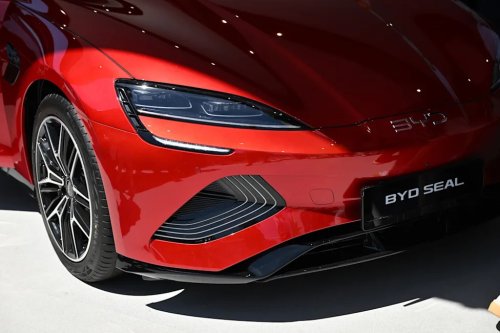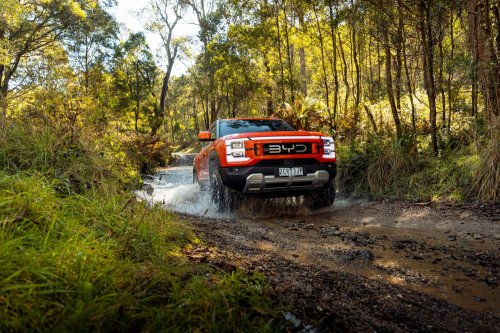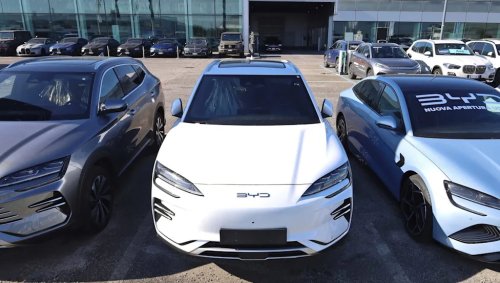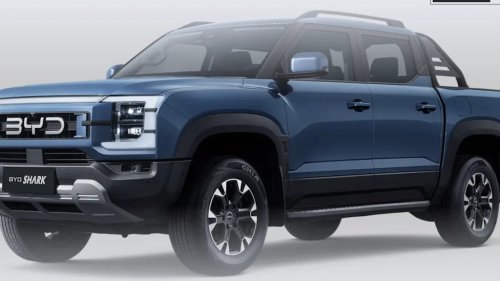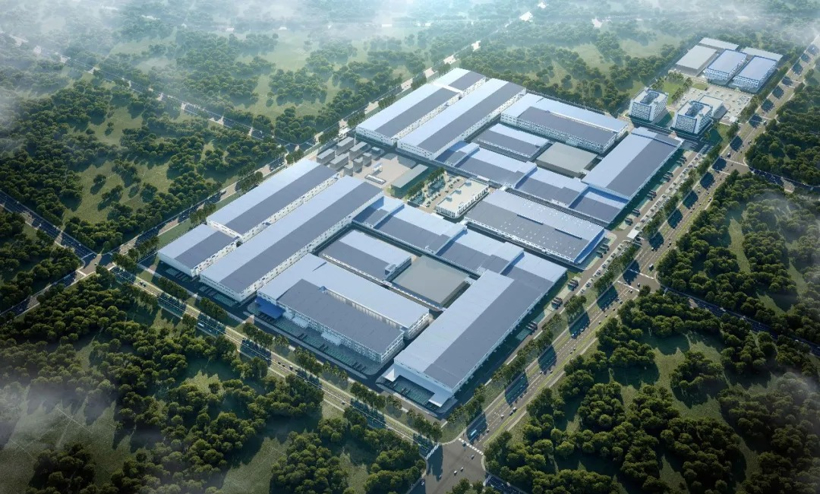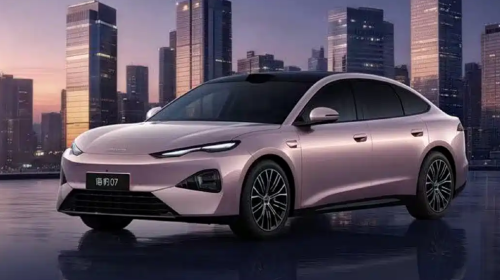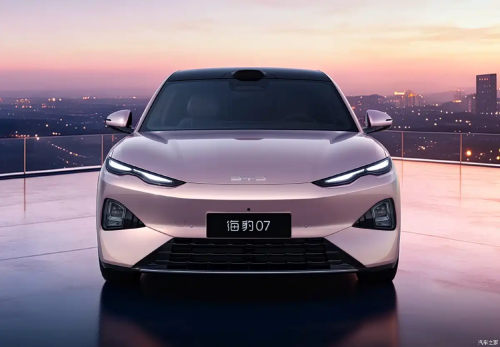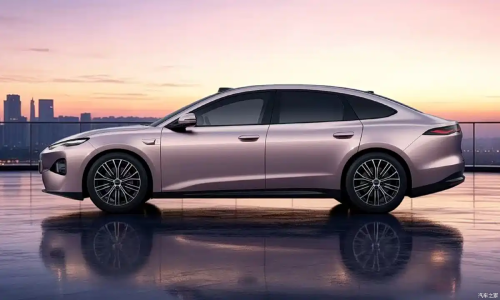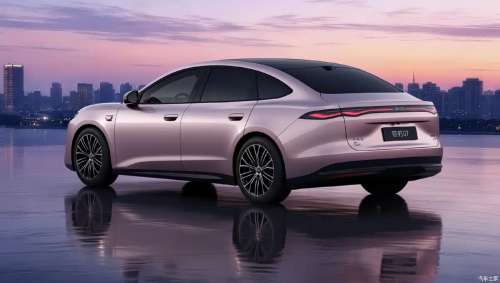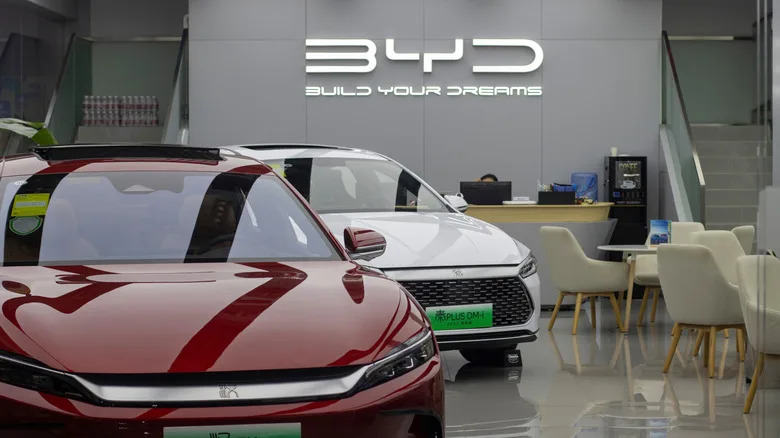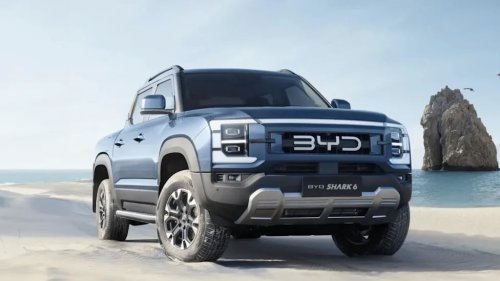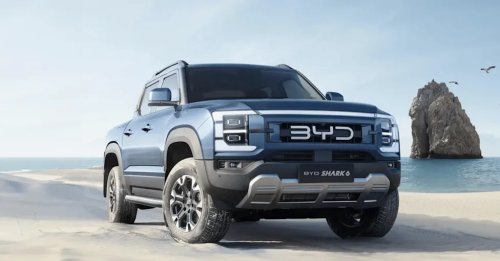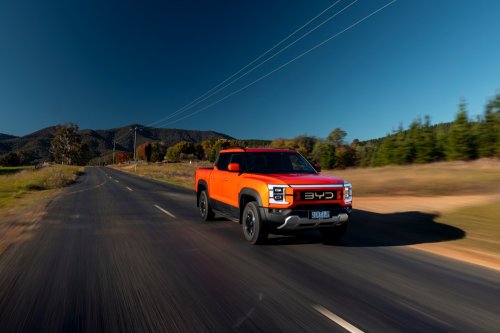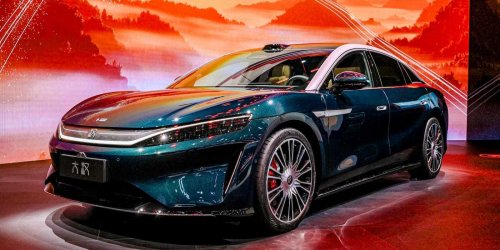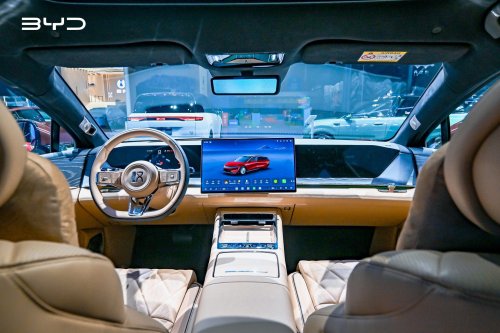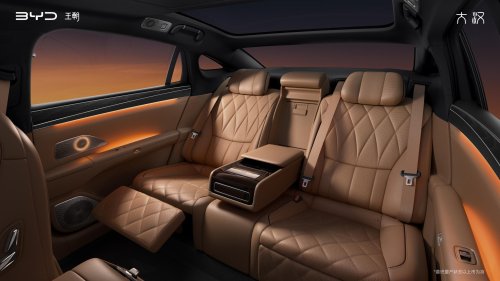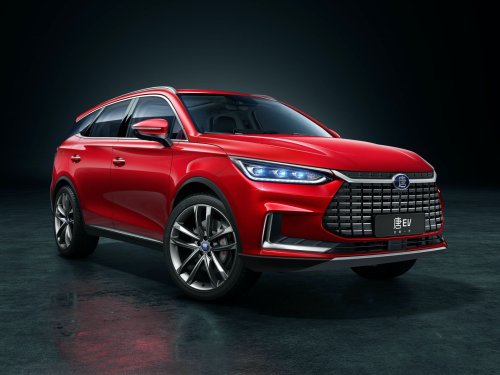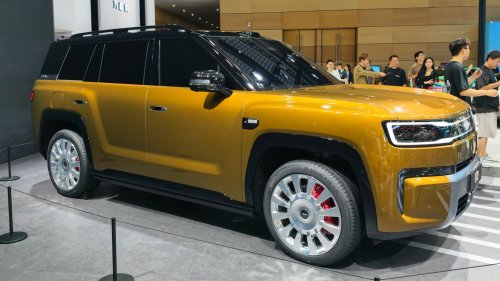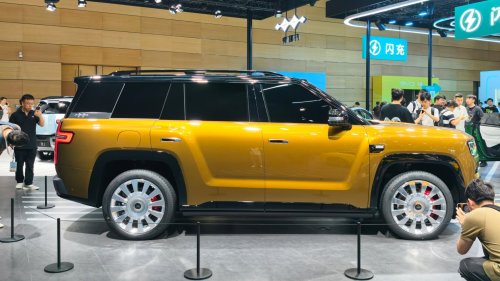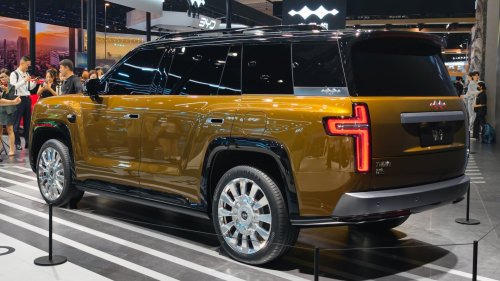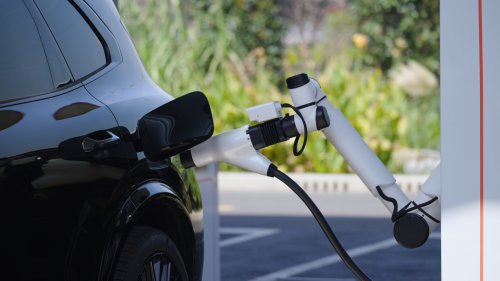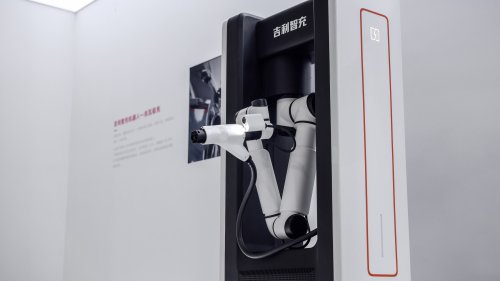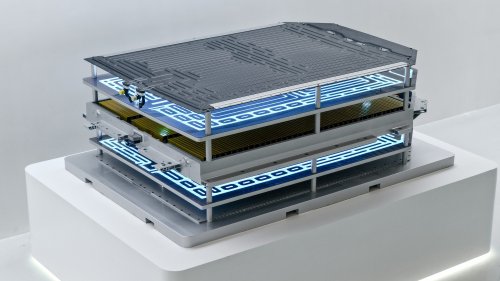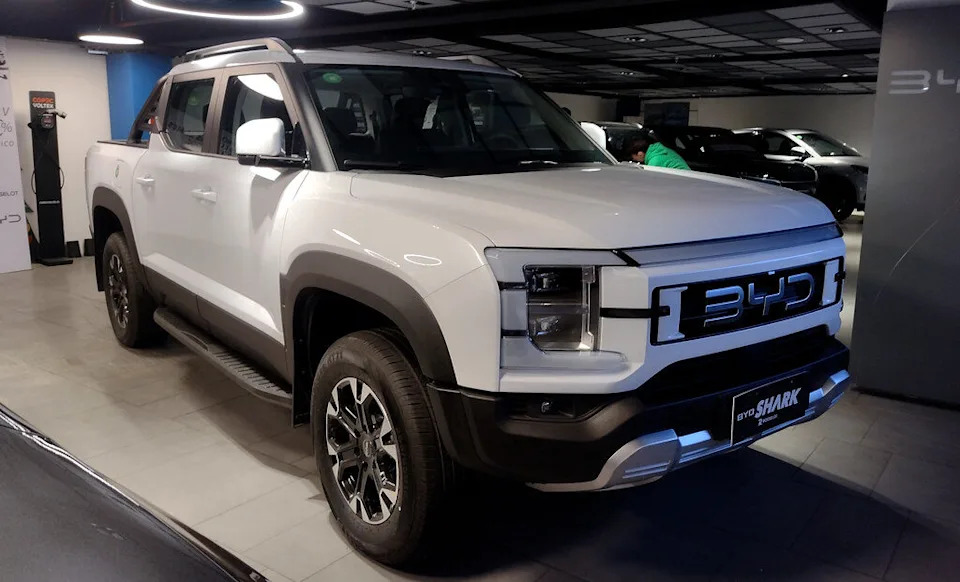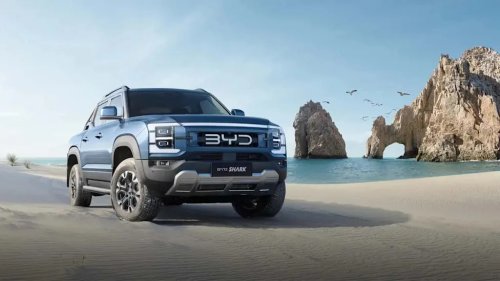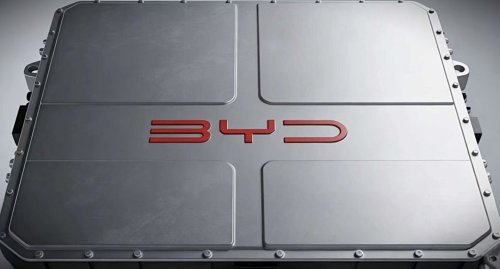
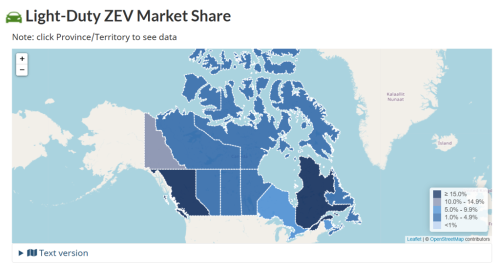
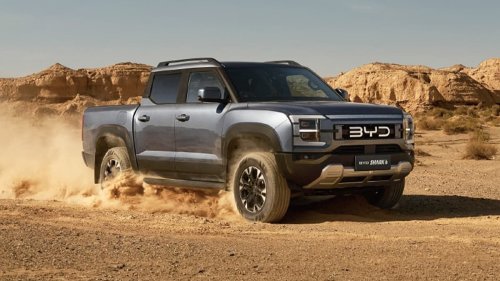



















BYD recently announced that it would be launching 20 dealerships across Canada this year. According to Globe and Mail, three locations are already under discussion in Toronto, Ontario. In addition, dealerships in Montreal (Quebec), Vancouver (British Columbia), and Calgary (Alberta) are also in the plan. Starting in Ontario is interesting. Overall, this is Detroit’s backyard. Politics are heavily tied to the CAW, making it potentially the most hostile province toward Chinese automakers. In addition, while the population is relatively large, Ontario’s EV market share (6.5%) is less than half of British Columbia (17.1%) or Quebec (17.7%). In combination, the three provinces make up the vast majority of EV sales in Canada. However, Ontario could make sense if BYD is planning to start production in the province. There is significant unused production capacity that BYD could take over. Screengrab from: Natural Resources Canada Calgary is also interesting. It gets very cold in Alberta, and EVs have just 4% market share. However, BYD’s new batteries have shown strong cold weather performance, flash charging to 97% at -30 Celsius in 12 minutes with a cold battery, no preconditioning. Combined with longer ranges, that kind of cold weather performance could make EVs more compelling to many new buyers. That could get to another potential business for BYD. Outside of a few population centers, Canada is a sparsely populated country. Canada has 2,700 DC charging station locations with 8,491 charging ports. At the 350V+ power level, Canada has 237 stations with 705 charging ports. With BYD’s ability to deploy Flash Charging stations rapidly, it could transform charging in the country. However, we may not just be looking at BEVs. BYD recently updated the Shark, adding a heavier duty version with a 2l range extender, more powerful 350 kW/700 Nm motors, and increased towing capacity. I could see this PHEV doing well in many parts of Canada. In addition, we might not just be seeing Chinese imports. Currently, Canada is allowing 49,000 EV imports from China, which will rise to 70,000 after a couple of years. However, BYD has an increasing amount of production capacity outside of China. We could soon see vehicles imported from plants in countries like Brazil, Thailand, and Indonesia. Nissan is selling a plant in Mexico, with BYD as a top bidder. Potential Canadian production could then fill a larger part of the demand. Image Credit: BYD However, starting with 20 stores across the country is a significant development. Many expected BYD to concentrate its initial presence at a few stores in one of the larger coastal provinces with higher EV adoption. Beyond the dealers themselves, starting with that large footprint involves costs and complexities of parts, supplies and service training. Clearly, this is a major push into Canada. Most Canadian EV buyers seem open to Chinese brands, and better EVs could increase the number of EV buyers. BYD already had regulatory approval for several models before they were shut out with tariffs, so they have likely been thinking about Canada for a while. Of course, it might not end with Canada. Due to regulatory harmonization, cars that are approved for Canada also meet US standards. Of course, politicians might shift the goalposts again to shut them out, but we may start to see used Canadian market BYDs enter the US. In addition, global manufacturing built to harmonized standards will be harder for protectionists to block. Some may work to isolate our increasingly closed market from competition, but people in the US will increasingly see that their neighbors can buy more advanced, better value EVs.