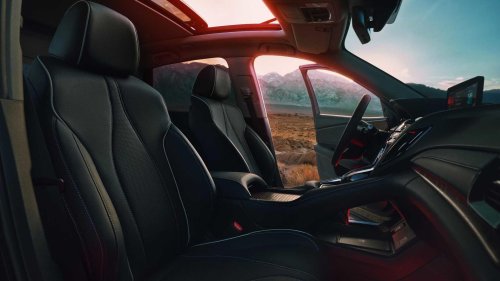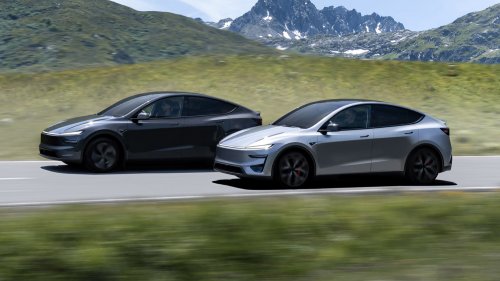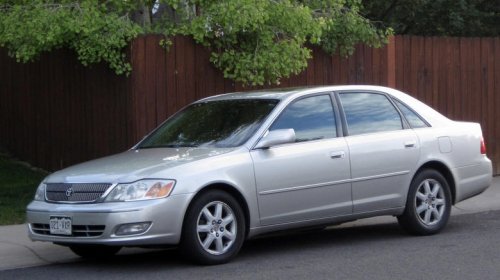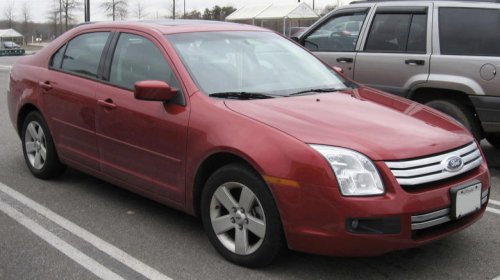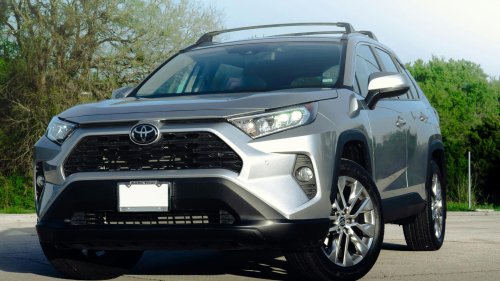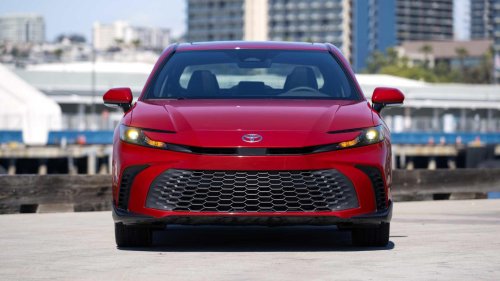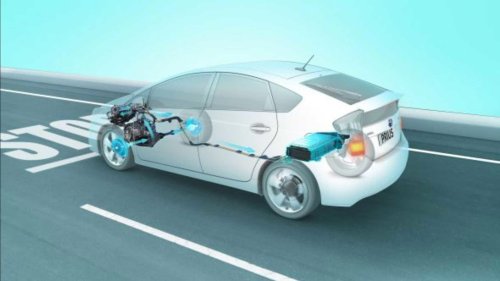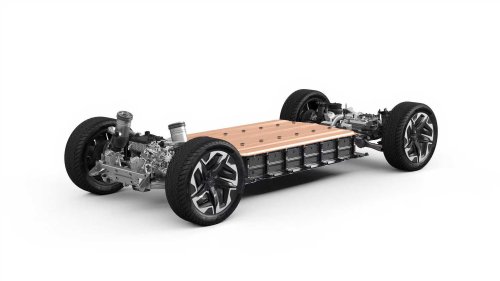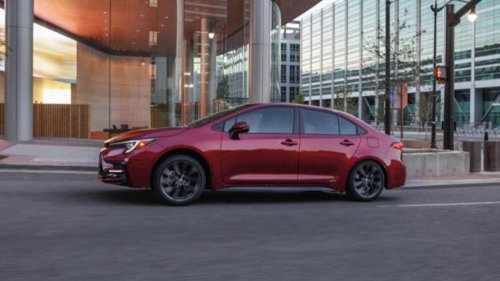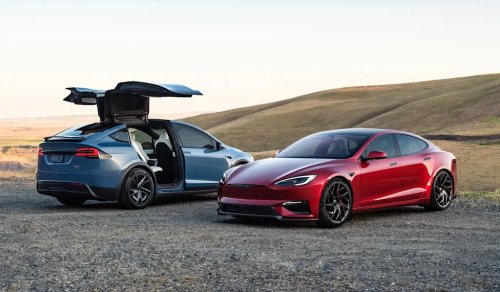
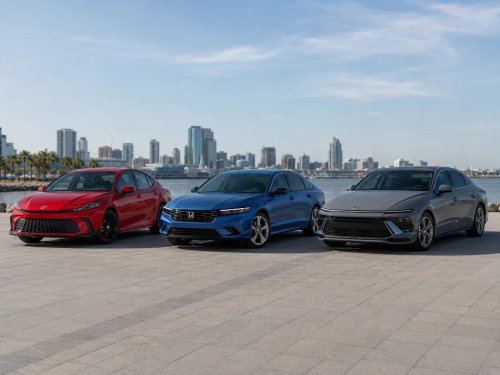
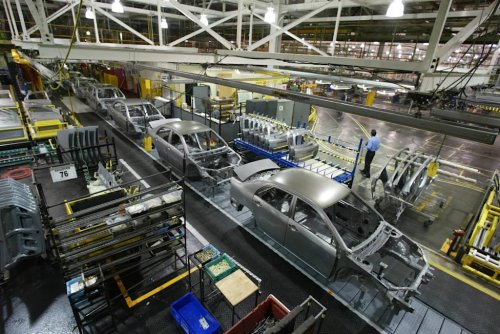



















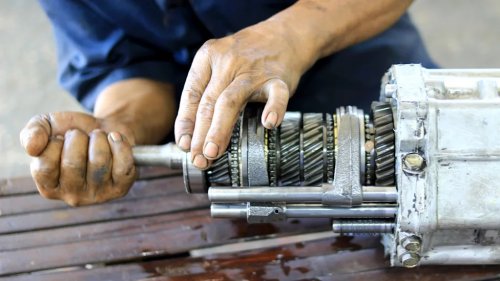

Autoblog and Yahoo may earn commission from links in this article.There's nothing quite like the smell of a brand-new car. The knowledge that you will be the first to enjoy the vehicle and know that it comes with a full warranty and (hopefully) no undisclosed issues tempts millions of people every year to part with large sums of money. But whether you pay in cash or monthly deposits, new cars are getting seriously expensive, it's still hard to believe that the average price of a new vehicle in the US topped $50,000 for the first time this year.But there is another option, and that is to buy a used model instead. We aren't talking about a 20-year-old banger or a finnicky classic car that is more focused on looking good and leaking fluids than actually getting you to your destination, we mean nearly-new cars that have the potential to save you a big chunk of cash without compromising on performance, safety or tech levels.AdvertisementAdvertisementKnowing what to look for makes all the difference between a great used car experience or one that you will regret for years to come. So, we put together a simple guide to set you on the right path.You Can Avoid Massive New Car DepreciationTeslaView the 2 images of this gallery on the original articleThe single most expensive aspect of owning a new vehicle isn't the gas bill or maintenance, it's depreciation. A new car loses the most value in its first few years on the road, and gradually tapers off as it ages. The table below, based on data sourced from Kelley Blue Book, illustrates the typical depreciation trajectory of an average new vehicle with a new MSRP of $45,000:Vehicle AgeAverage Annual Depreciation RateAverage Value1 Year16% – 20%$36,000 – $37,8002 Years12%$30,600 – $32,4003 Years11%$25,650 – $27,4504 Years9%$21,600 – $23,4005 Years7%$18,450 – $20,250Just by opting for a vehicle that is two to three years old, you can sidestep this massive initial value drop and still get a car that looks, drives, and feels modern. In general, trucks and sports cars will depreciate slower than luxury cars and SUVs, while EVs can often lose more than half their value after just three years of ownership. That often means that EVs and once pricey luxury vehicles are great used deals.When You Time It RightMazdaView the 2 images of this gallery on the original articleAdvertisementAdvertisementTiming your pre-owned car purchase wisely can help save you even more. Most manufacturers generally refresh a vehicle model every three to four years with a facelift and introduce a completely redesigned generation every six to eight years.Buying a used face-lifted example of a vehicle, just as the new generation is being launched, gives you two potential benefits. Firstly, the value of the older cars will drop slightly as buyers move on to the latest and greatest, and secondly, a face-lifted car has been through a mid-cycle refresh. This is where manufacturers have identified and fixed early production glitches and mechanical issues of the earlier cars. You also get a few visual and tech upgrade as a bonus.Buying demonstrator or 'demo' cars just as a new model launches can also yield big savings on vehicles that may still be less than six months old with minimal mileage. Many vehicle leases last between 24 to 36 months, and sometimes, there can be an influx of vehicles to dealerships as a particularly lucrative lease deal ends, creating a surplus in supply, lowering prices. Timing is everything, so aim your used car purchase to coincide with the end of a quarterly sales cycle, where dealers may be looking to move cars off the lot quickly.You Can Take Advantage of CPO DealsChatGPTView the 1 images of this gallery on the original articleAdvertisementAdvertisementIf you want the saving benefit of a used car combined with the safety net of a new purchase, Certified Pre-Owned (CPO) programs represent a great compromise. CPO vehicles are pre-owned cars that have been thoroughly inspected, refurbished, and backed by manufacturer-backed warranties. They need to meet strict criteria set by the manufacturer regarding age, mileage, and condition.Key CPO AdvantageWhy It Matters Compared to Buying NewFactory Warranty CoverageCPO cars include extended powertrain and bumper-to-bumper warranties backed directly by the manufacturer, giving you new-car peace of mind without paying full retail.Multi-Point Inspection & ReconditioningVehicles undergo rigorous mechanical inspections, and worn parts are replaced using original OEM parts prior to sale.Lower Total Cost of OwnershipYou avoid initial new-car depreciation while enjoying perks usually reserved for new buyers, such as roadside assistance, complimentary loaner cars, and special financing rates.You Get More For LessAudiView the 2 images of this gallery on the original articleIf you have set aside $25,000 for your next car, whether it is a cash purchase or a finance deal, you will be limited to a handful of entry-level models with basic tech features and the least powerful engines the manufacturer has to offer.A three-year-old car can depreciate between 35% to 45%, which means that your $25,000 budget will stretch far further and open up many more vehicle segments and trim levels. If you pay less for a car, all the costs associated with car ownership also go down. Insurance costs are calculated based on the current market value of your vehicle, as are vehicle registration fees and annual license plate renewals. A two- or three-year-old car will result in lower overall payments over the life of your vehicle compared to the same make and model bought new.Access to Long-Term Reliability DataChatGPTWhen a brand-new vehicle launches, its reliability is an unknown. Even if some of the components are carried over, the original owners are the ones who uncover powertrain, software, and design issues first. Some issues may take years to surface and recall campaigns may only be carried out well into a model's lifecycle.AdvertisementAdvertisementBy the time a car has been on the road for three to five years, real-world data from reputable sources like Consumer Reports gives you a much better insight into the potential reliability of a vehicle.Reduced Environmental ImpactMICHAEL MACOR/The San Francisco Chronicle via Getty ImagesView the 2 images of this gallery on the original articleBuying used and keeping your car for longer is far more environmentally friendly than buying a new car that claims to be 1 mpg more efficient overall. While tailpipe emissions are an important part of environmental sustainability, manufacturing a new car is far more harmful to the environment than driving a nearly new vehicle instead.While a new car will always tempt us with its promise of perfection, that fresh new smell wears off faster than you'd think, but the steep monthly payments will linger on for years. By following a few of the tips above, you can dodge that massive initial depreciation, find a higher specced vehicle with a proven reliability record, and enjoy lower payments without unduly compromising on your driving enjoyment. AdvertisementAdvertisementThis story was originally published by Autoblog on Aug 1, 2026, where it first appeared in the Car Buying section. Add Autoblog as a Preferred Source by clicking here.