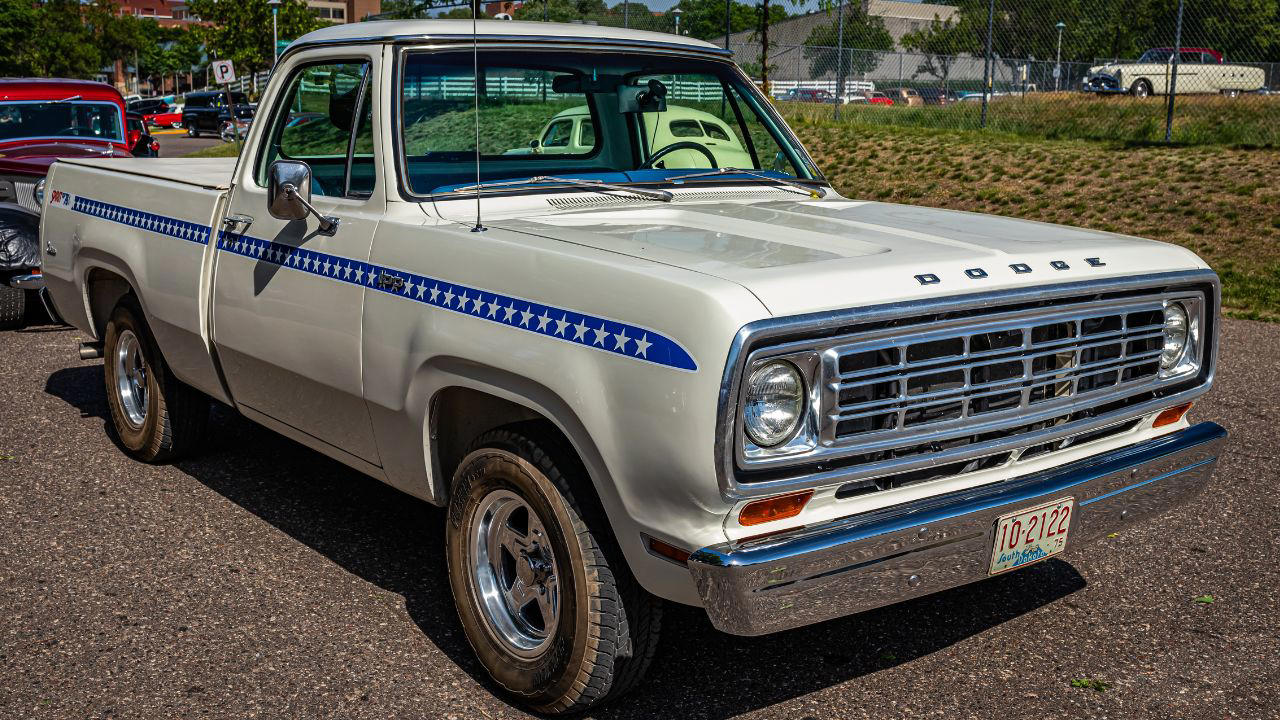
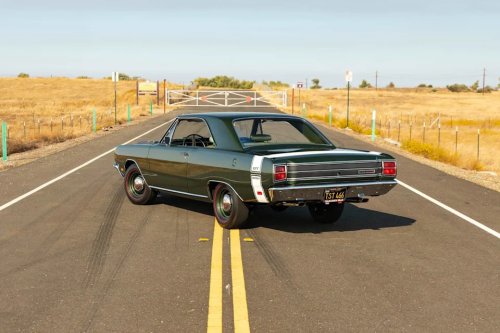
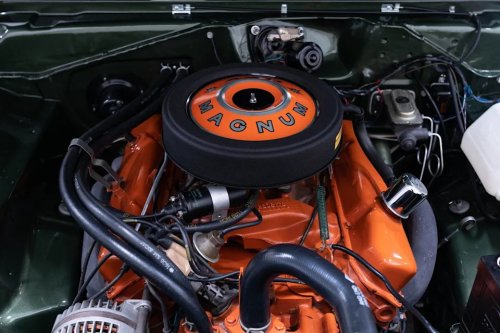
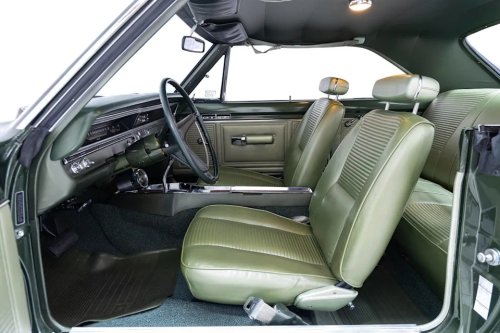
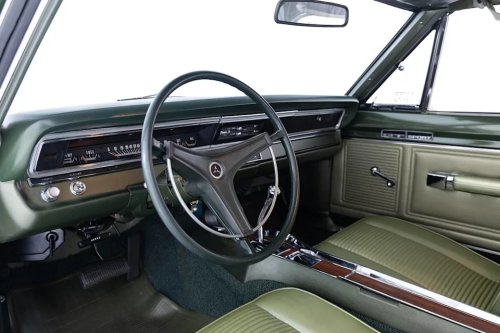
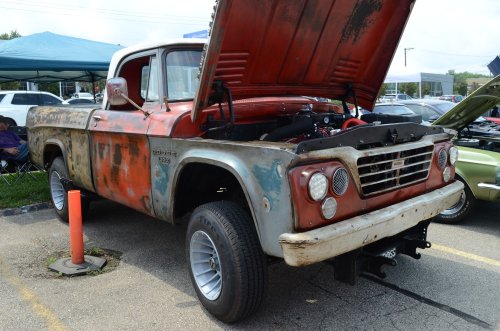
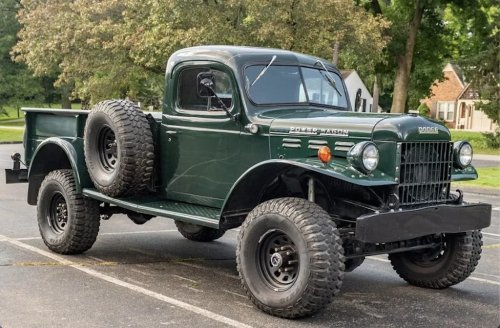
Before comfort mattered the 1975 Dodge D100 focused on getting the job doneThe 1975 Dodge D100 was a workhorse of its time, embodying the rugged essence of utility and durability. Before comfort became a priority in the automotive industry, this truck was designed with a singular focus: getting the job done efficiently and effectively. This article delves into the features, performance, and legacy of the Dodge D100, highlighting its role in the evolution of pickup trucks. Evolution of the Dodge D100 The rise of pickup trucks in the mid-20th century marked a significant shift in the automotive landscape. As America’s economy expanded and suburbanization increased, there was a growing demand for versatile vehicles that could handle both work and family duties. The Dodge D100 emerged during this era, reflecting the burgeoning need for reliable work vehicles. Dodge, already well-known for its robust engineering, capitalized on this trend by introducing the D100 series, which quickly became synonymous with durability. The design philosophy behind the Dodge D100 series was rooted in practicality. Unlike modern trucks that often prioritize luxury and comfort, the D100 was engineered to withstand the demands of labor-intensive tasks. By the time the 1975 model rolled off the assembly line, it had already built a reputation for being a dependable partner for farmers, construction workers, and small business owners. Compared to its predecessors, the 1975 model featured several key enhancements, including improved suspension systems and more powerful engine options, setting it apart as a robust choice for heavy-duty tasks. Design and Build Quality The 1975 Dodge D100 boasted a robust exterior, crafted from materials that emphasized durability over aesthetics. The truck’s body was primarily constructed from high-strength steel, capable of withstanding the rigors of daily work without succumbing to wear and tear. Its straightforward design featured clean lines and a commanding presence, which conveyed its purpose-driven nature. Unlike today’s trucks, which often feature aerodynamic profiles and flashy details, the D100’s design was refreshingly simple, focusing on functionality above all else. Inside the cabin, the utilitarian approach continued. The interior was sparse by modern standards, with basic seating and minimal amenities. The dashboard featured only the essential gauges and controls, ensuring that drivers could focus on the task at hand rather than on unnecessary distractions. This spartan design reflected the needs of its primary users—people who valued reliability and practicality over luxury. The D100’s interior was a testament to an era when vehicles were seen as tools rather than status symbols. Performance and Capability Under the hood, the 1975 Dodge D100 offered a range of engine options, each designed to deliver substantial power and reliability. The most common engine was the 225 cubic inch Slant Six, known for its durability and ease of maintenance. For those requiring more power, Dodge offered a variety of V8 options, including the 318 and 360 cubic inch engines. These engines provided the necessary muscle for towing and hauling, making the D100 a favorite among those in agriculture and construction. The towing and payload capabilities of the 1975 D100 were impressive for its time. Designed to meet the demands of labor, the truck could handle substantial loads without compromising on performance. With a towing capacity of up to several thousand pounds, it was well-suited for transporting equipment and materials. When compared to its contemporaries, such as the Ford F-100 and Chevrolet C10, the D100 held its own, offering comparable, if not superior, capabilities in terms of payload and towing efficiency. User Experience and Practicality The driving experience of the 1975 Dodge D100 was characterized by its straightforward handling and functional ergonomics. While lacking the refined ride quality of modern trucks, the D100 offered a driving experience that was direct and engaging. Its steering was responsive, and the suspension was tuned to handle rough terrain and heavy loads. Drivers appreciated the vehicle’s no-nonsense nature, which made it easy to maneuver in various work environments. Maintenance and repair were also straightforward, contributing to the truck’s longevity. The mechanical simplicity of the D100 meant that owners could perform many repairs themselves, reducing downtime and costs. Testimonials from long-time owners often highlight the truck’s resilience, with many reporting that their D100s are still operational decades after their purchase. This reputation for reliability has made the D100 a beloved vehicle among vintage truck enthusiasts and a testament to Dodge’s engineering prowess. Legacy and Impact on Modern Trucks The influence of the 1975 Dodge D100 on future Dodge truck models is undeniable. It set a precedent for durability and functionality that continues to resonate in the design of modern Dodge trucks. The transition from utility-focused designs to more comfort-oriented models in the late 20th century reflected changing consumer preferences. However, the core principles of reliability and capability, as embodied by the D100, remain integral to the Dodge brand. As pickup trucks evolved, there was a noticeable shift from pure utility to a blend of comfort and functionality. The modern truck buyer expects a vehicle that can perform in work settings while also providing a comfortable ride for daily driving. The D100’s legacy is evident in this evolution, as it laid the groundwork for the versatile, multi-purpose trucks that dominate today’s market. Among vintage vehicle enthusiasts, the 1975 D100 is appreciated for its straightforward design and historical significance, often finding a place in collections that celebrate classic American engineering. Cultural and Economic Impact In 1970s America, the Dodge D100 played a significant role in the cultural and economic landscape. As a reliable work vehicle, it supported various industries, from agriculture to construction, and became a fixture in many American households. Its popularity was largely influenced by economic factors, including the need for affordable, durable transportation during a time of economic uncertainty. The oil crisis of the 1970s also emphasized the importance of practical vehicles like the D100, which provided essential transportation without excessive fuel consumption. The Dodge D100’s presence in media and popular culture further cemented its status as an iconic vehicle of its time. It was frequently featured in films and television shows that depicted American life in the 1970s and 1980s, often representing the hardworking, blue-collar ethos of its owners. This representation contributed to the truck’s enduring legacy, making it a symbol of resilience and practicality in the face of changing times. Today, the 1975 Dodge D100 is not only a collector’s item but also a piece of cultural history that continues to inspire admiration and nostalgia. More from Fast Lane Only Unboxing the WWII Jeep in a Crate 15 rare Chevys collectors are quietly buying 10 underrated V8s still worth hunting down Police notice this before you even roll window down