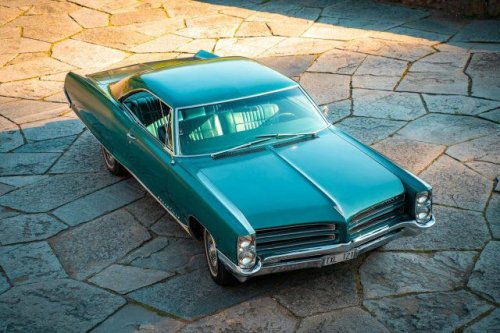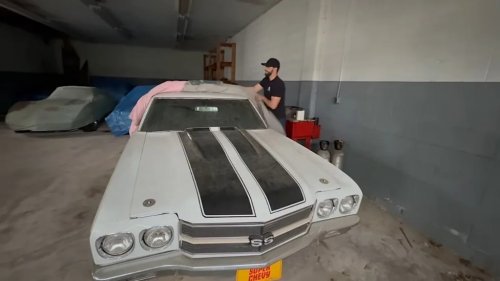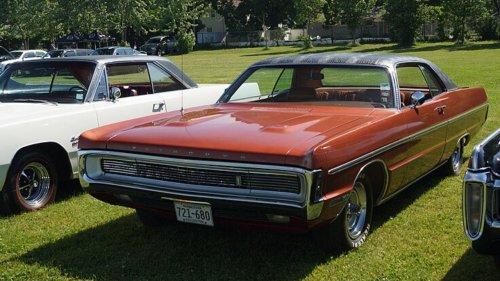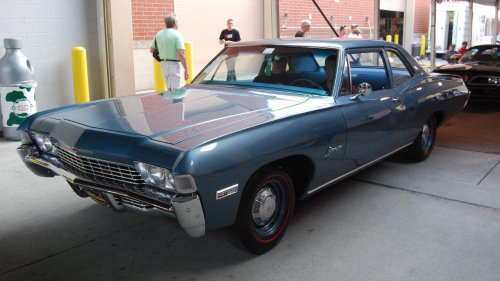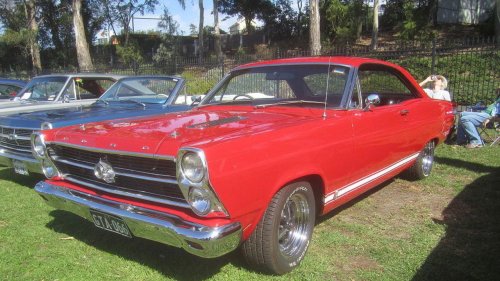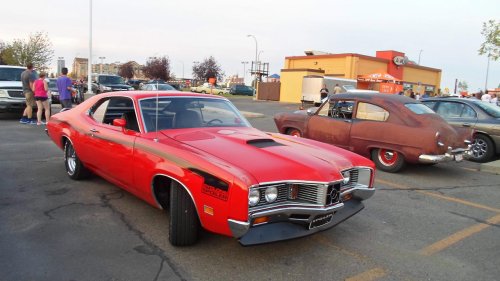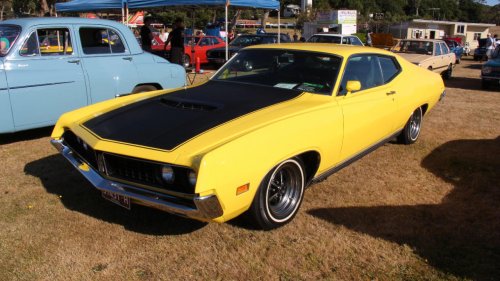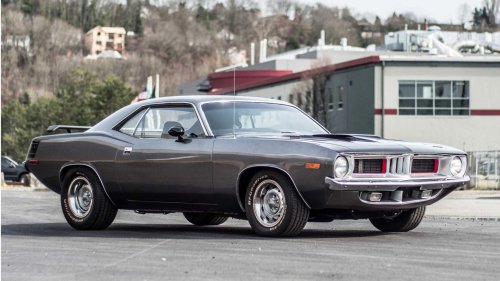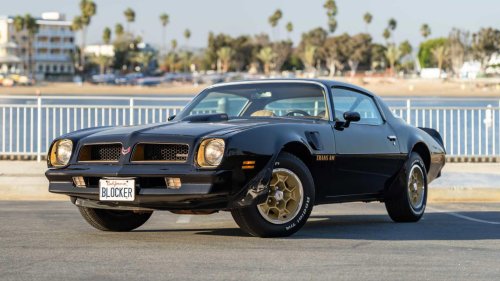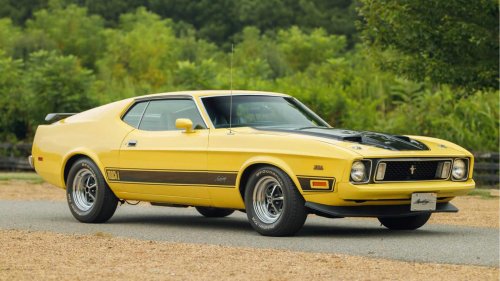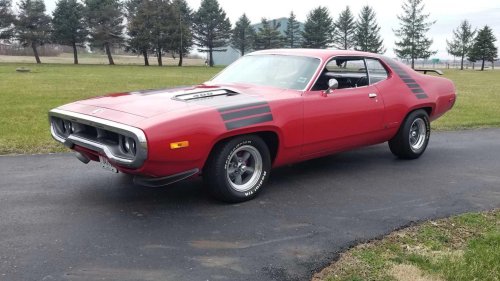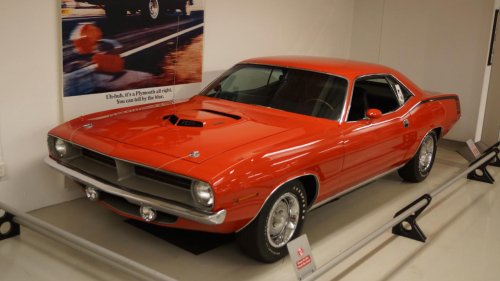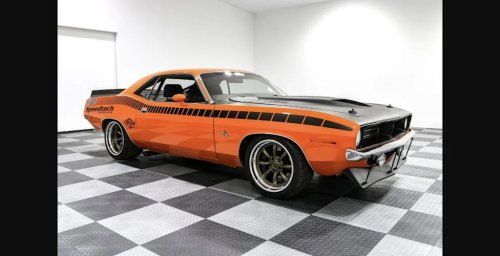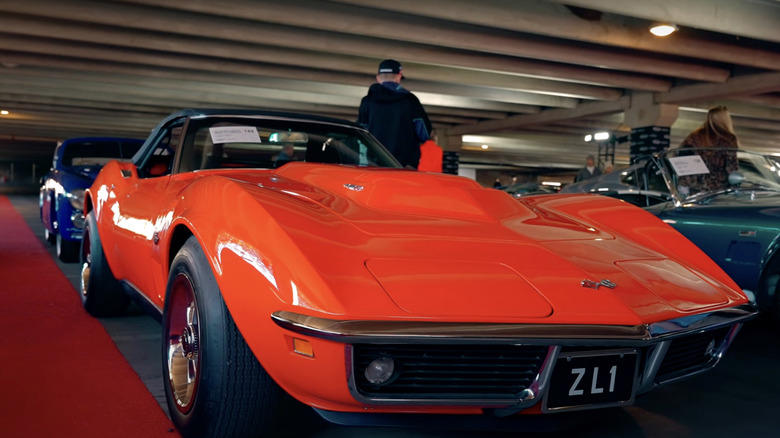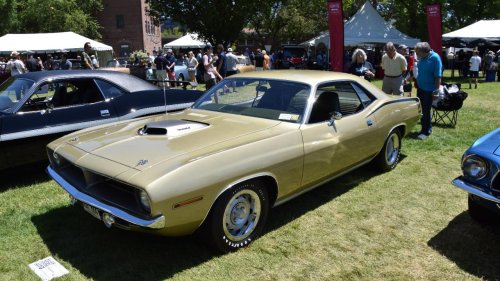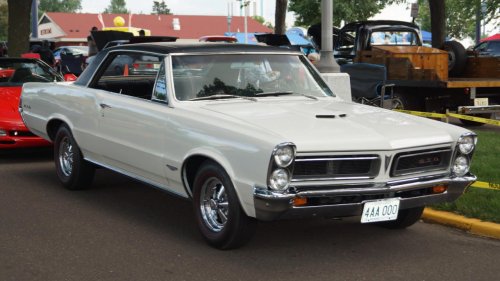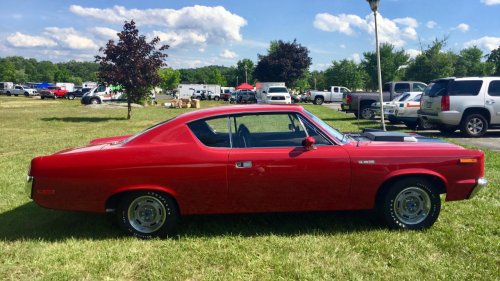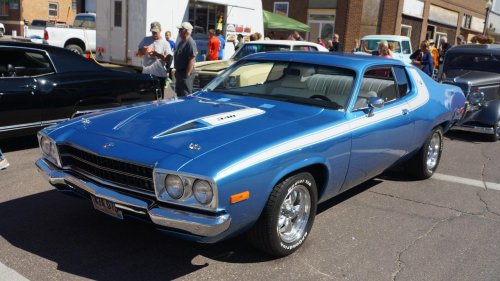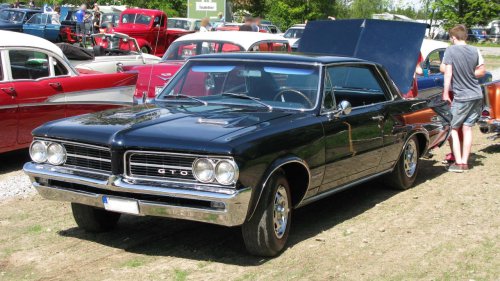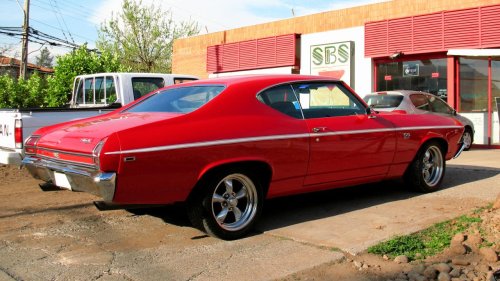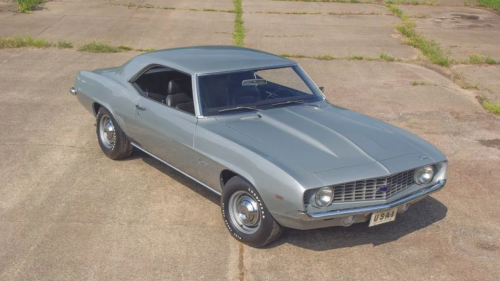

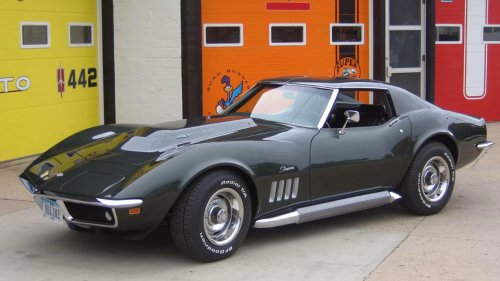
























Not every muscle car made it to glory. Some were banned before they ever hit the streets. Others were quietly crushed after their moment passed—or never came at all. And a few simply disappeared, forgotten in garages or lost to history before collectors knew to look. This list shines a light on ten muscle machines that were built with ambition but ended up on the wrong side of timing, regulation, or marketing. They weren’t just fast—they were rare, misunderstood, or straight-up buried. And that’s exactly why they still spark curiosity decades later.1970 Plymouth Barracuda Rapid Transit Show CarBuilt as part of Plymouth’s “Rapid Transit System” marketing campaign, this one-off 1970 ‘Cuda was heavily customized for display, not drag strips. It wore wild bodywork, side pipes, and an exaggerated front clip. Though it started life as a 440 Six Barrel car, its original drivetrain details are mostly speculation now. After the show tour ended, the car faded from public view. For decades, it was considered lost—until it resurfaced in rough condition in a Michigan garage. Its rediscovery shook the Mopar world, proving that even factory showpieces weren’t safe from abandonment.1969 Chevrolet Corvette ZL1The 1969 Corvette ZL1 was technically a production car—but only just. Chevy built just two of them, both powered by an all-aluminum 427-cubic-inch V8 designed for racing. The engine alone added over $4,000 to the price tag, doubling the cost of a standard Vette. Too expensive and too aggressive for public roads, the ZL1 faded into obscurity almost as fast as it arrived. Both examples survived, but their rarity and staggering potential made them forbidden fruit. They were never officially banned, but for most buyers, they might as well have been.1971 Ford Torino King CobraFord’s response to the Dodge Charger Daytona and Plymouth Superbird was the Torino King Cobra, a sleek fastback with a radically sloped nose designed for NASCAR aerodynamics. Only three prototypes were built before NASCAR changed the rules to limit such designs. With the program scrapped, the King Cobra never reached production. The prototypes were quietly shelved, their 429 Cobra Jet engines silenced before they could make headlines. Today, they’re museum pieces—odd reminders of a short-lived aero war that was won more by regulation than engineering.1965 Pontiac Catalina 2+2 421 HOPontiac’s Catalina 2+2 was built to move—especially when equipped with the 421 High Output engine making 376 hp. Though it was a full-size coupe, it had quarter-mile performance that rivaled mid-size muscle cars. Still, it was overshadowed by its GTO sibling. Production numbers weren’t terrible, but most of these cars disappeared without fanfare. Few collectors paid attention until years later, when surviving examples became prized for their rarity and raw power. Many were simply used up and crushed like regular family cars. A few escaped—but barely.1970 Chrysler 300 HurstBuilt as a limited-run collaboration with Hurst Performance, the 1970 Chrysler 300 Hurst was a strange hybrid—muscle underpinnings in a luxury body. It had a 440 TNT V8 and a fiberglass hood with a functioning scoop, but no one knew quite what to do with it. Only around 500 were made. Many were abandoned, misunderstood, or stripped for parts. For years, they were overlooked entirely by collectors. Today, they’re beginning to get more respect, but most were long gone before people realized what they were. It’s one of those cars that missed its moment.1971 AMC Matador “Machine”AMC planned to follow up the Rebel Machine with a more aggressive Matador version in 1971. The idea was to carry over the Machine’s 401 V8 and graphics, but marketing didn’t back it. A few prototypes were made, but the project quietly died before mass production. What’s left of the Matador Machine concept is mostly photos, paperwork, and a few scattered parts. No known complete cars have survived, making it one of AMC’s strangest near-misses. If it had launched, it might have given AMC a continued foothold in muscle. Instead, it vanished into the archives.1966 Ford Fairlane GT-X PrototypeThe Fairlane GT-X was a Ford prototype created to bridge the gap between the Mustang and the full-size Galaxie. It wore unique badging, interior trim, and reportedly tested a few suspension tweaks that would later show up on GT and Cobra models. It was never intended for production, and after development it was reportedly destroyed. What makes it interesting is how little photographic evidence remains. It’s one of those cars you hear about from engineers and former execs—but no one’s seen in decades. If a body ever turned up, it’d make headlines.