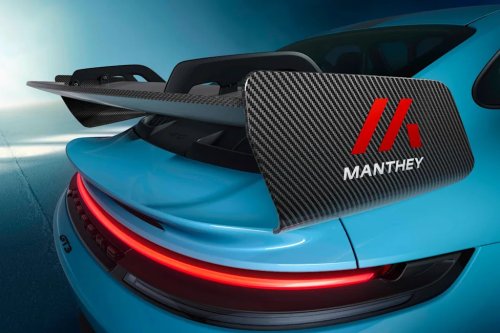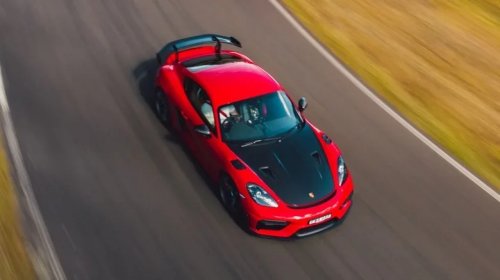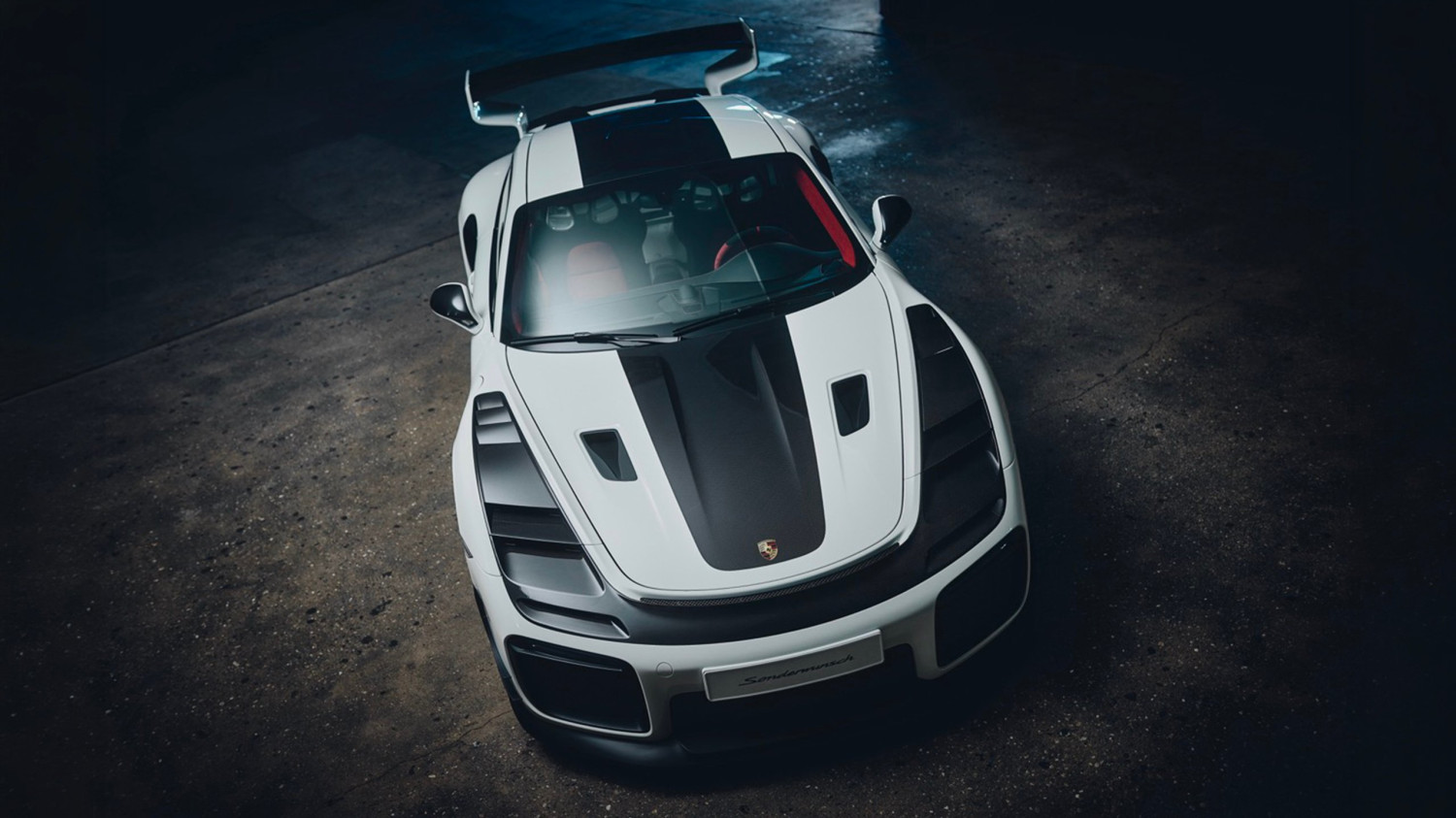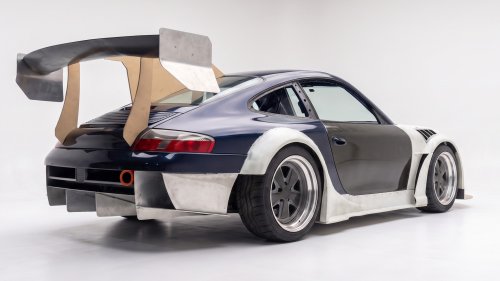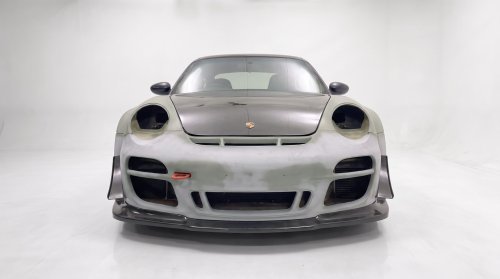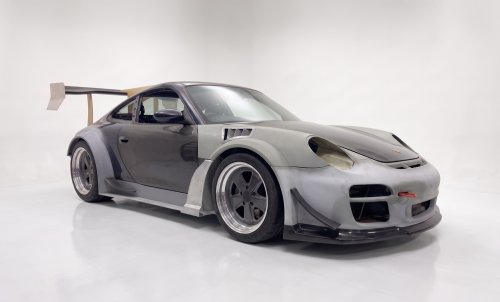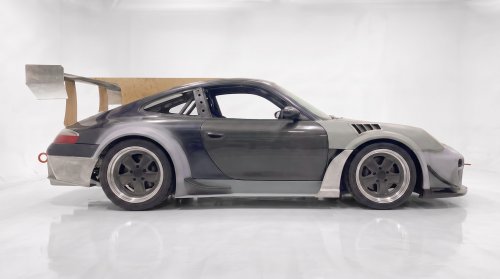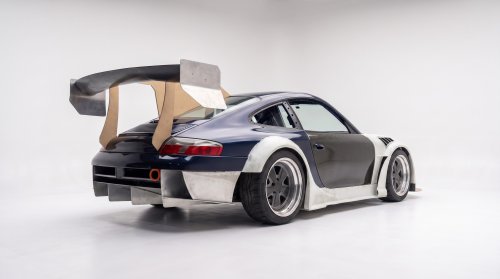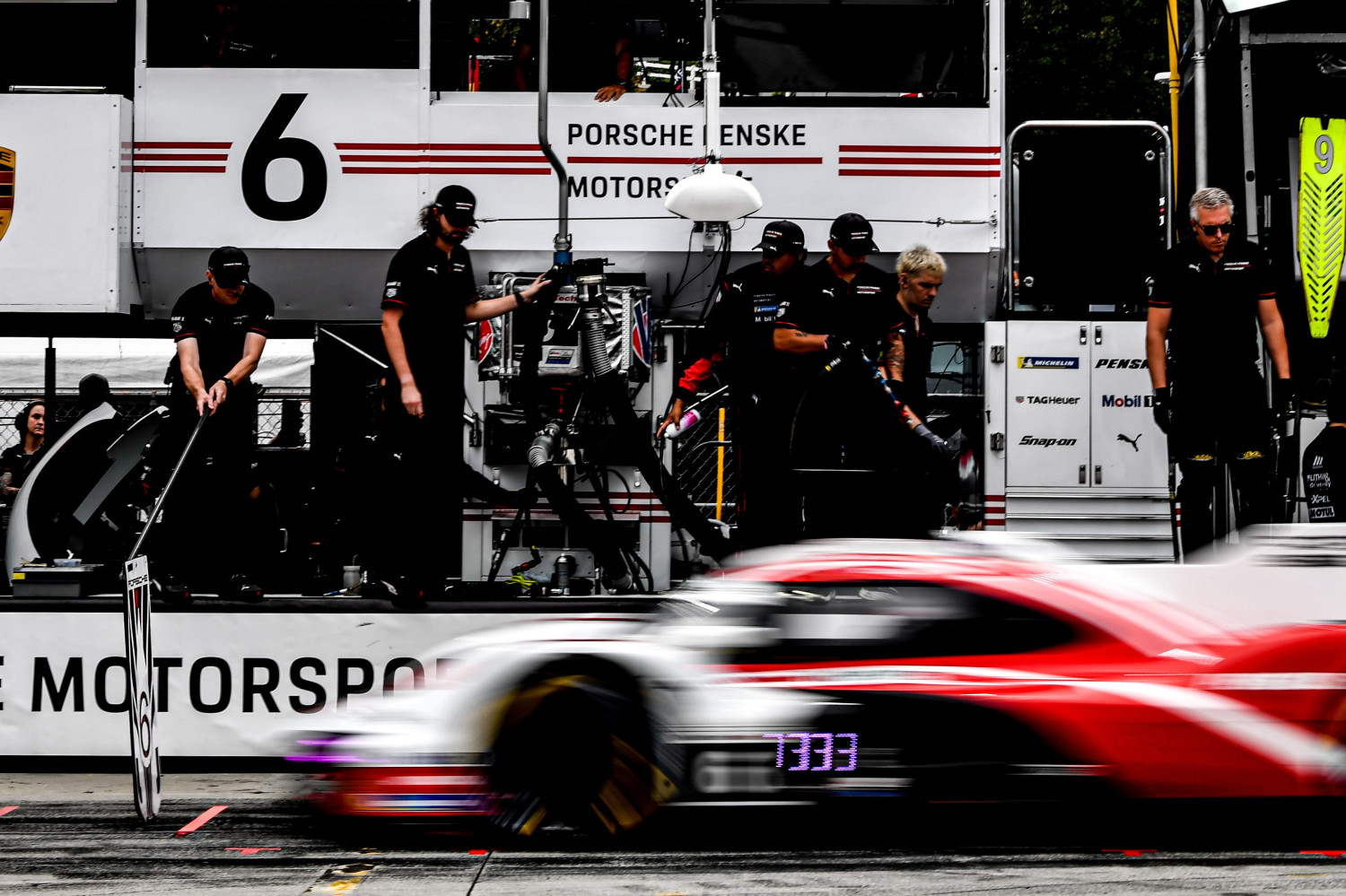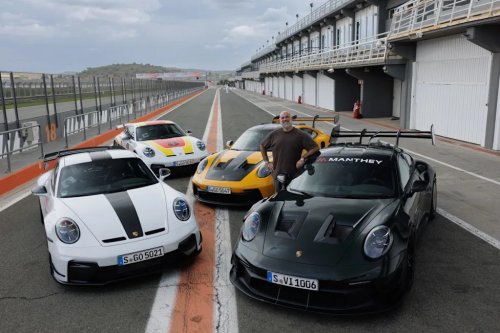
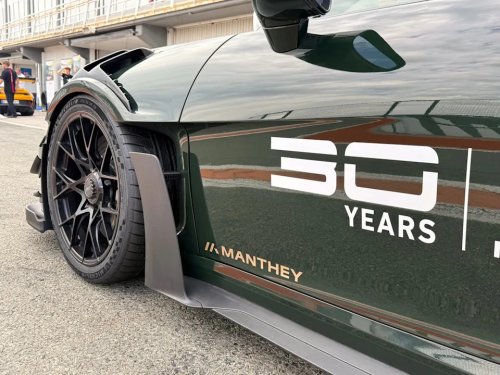
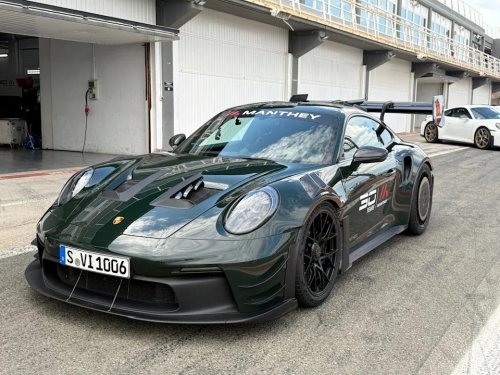
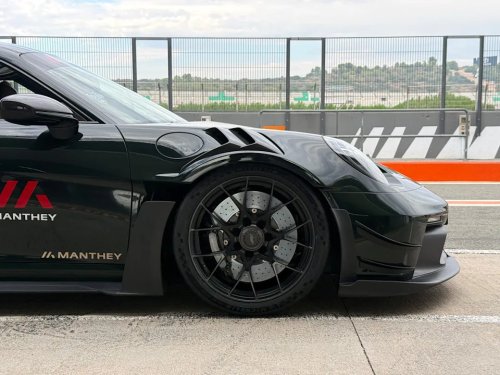
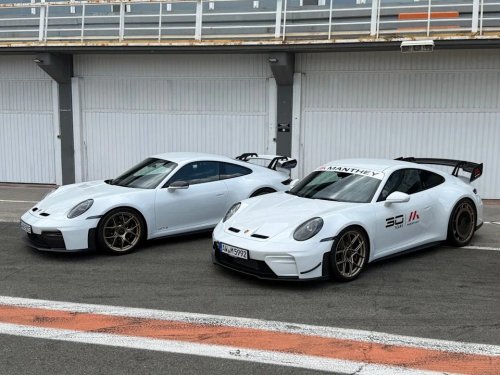
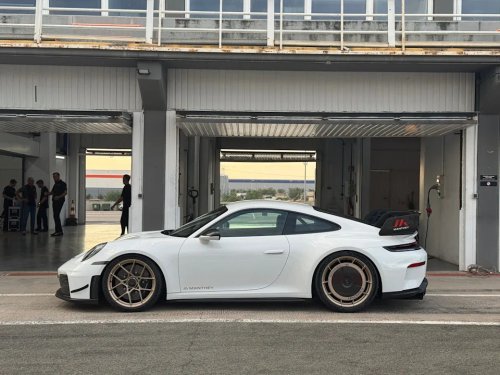
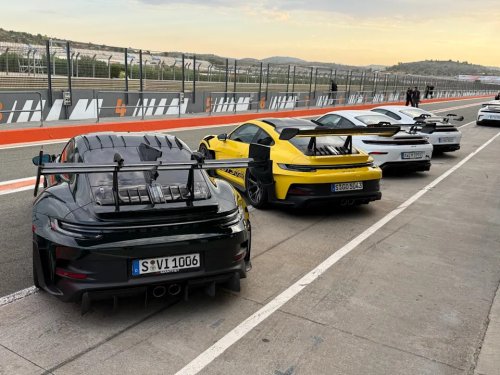
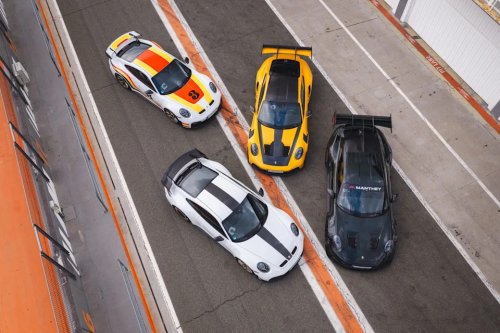
















Is Manthey's Magic Worth It?Daniel WollsteinManthey, Porsche's in-house racing division, celebrates its 30th anniversary this year. They weren't always in-house, though. Like Mercedes's AMG, Manthey was once a wholly separate organization that purchased and then ran Porsche race cars in Germany's DTM and at the Nürburgring 24, for example, as well as in the FIA World Endurance Championship.Porsche took a majority stake in Manthey in 2013, and more recently the smaller company has started producing specialized track packages for Porsche's road cars—specifically the track-focused GT3 RS and GT2 RS, and now in 2026, the 992.2 generation GT3 as well. These kits are sold as dealer-installed accessories from various partner dealers around the world, crucially retaining factory warranty protections.Matt FarahDoes a Manthey kit work? Yes. Around the 2.5-mile Circuit Ricardo Tormo outside Valencia, Spain, and with Porsche Motorsport legend Timo Bernhard driving, the GT3 RS MR is 0.6 seconds quicker per lap than the standard car. If you can call a GT3 RS "standard." The lesser GT3 Weissach is one second a lap quicker once fitted with a Manthey kit.For those who care about lap times, those are significant gains. But can a non-pro driver see and, more importantly, feel them? That's what Porsche let me find out, with 20 minutes on track at Valencia in each of four cars, in ascending order of mild to wild.Matt FarahI began my research by relearning the track and getting baseline vibes in an ANDIAL-liveried GT3 Weissach, similar to the one we had at last year's Performance Car of the Year test. That car bested the Mustang GTD around Thunderhill while down nearly 350 hp and clipped the heels of the twice-the-power-for-twice-the-price Lamborghini Temerario.As I remember every time I drive a GT3 on track, I could go the rest of my life and want for nothing more than a car like this. Ever the scalpel, the 992.2 GT3 has more front-end grip than before and better stability at high speed, and it squats flat under braking without wagging its tail too much. That the GT3 Weissach is going to be the slowest and sloppiest car I drive today is a wild thought.One thing Manthey can't do is add power. So instead they tackle everything else—aerodynamics, weight, and suspension. The mission is to bring Porsche's roadgoing track specials ever closer to their maximum circuit potential while remaining street legal.The GT3 is unquestionably the most tracked car at its price point, particularly where I live in SoCal, and it makes sense that customers would want a way to go faster on track without the risk of cracking open their engines and voiding the warranty or running afoul of emissions requirements.Matt FarahManthey tosses out Porsche's adaptive dampers in favor of a specialized four-way manually adjustable coil-over suspension. A lightweight forged-aluminum wheel saves 13 pounds of unsprung weight versus Porsche's standard aluminum wheel. (You can pay for Porsche's more expensive magnesium option, saving 20 pounds.) Manthey also installs special pads for the carbon-composite brakes designed for hotter track day temperatures, as well as stainless brake lines. Notably, the package does not include the stickier Cup 2 R tires you get with the GT3 RS.The most obvious aerodynamic changes are rear-wheel "aerodiscs" and the larger wing, but it's really what you can't see that is putting in work: Manthey triples the length of the aerodynamic vanes underneath the car, creating a nose-to-tail element. New diffuser fins work in conjunction with the visible canards to shove the front downward. Out back, the larger, adjustable wing and aero discs produce 780 pounds of downforce at 177 mph. Hilariously, adjusting the rear wing for its track mode produces 1190 pounds of assistance at the same speed but comes with the disclaimer that it can't be used on public roads. This is due to the negative effect on fuel efficiency.Matt FarahHere in Spain, the MR kit is reckoned good for one second a lap. At the Nürburgring, it's good for between five and six seconds a lap—with no extra power and with no reduction in fuel efficiency.Could I feel the difference behind the wheel? Yes, but in subtle ways. The most obvious change is the improvement in poise when aggressively taking curbs. This one you can feel without pushing hard and without requiring the bravery to go beyond the mechanical grip to feel the aerodynamic changes. Taking the inside curb on a corner, the rumble under my butt was notably damped compared to the standard car with its shocks set to Track mode. Push hard and take lots of outside curb and the outer rear tire stays more planted too. The whole experience is way more confidence-inspiring.Matt FarahThe 992.2 GT3 is already much more stable under braking than its predecessors, and Manthey's aero and brake package only improves this. The pads are a bit grabby at paddock speeds, but they allowed braking up to 50 meters later at the end of both long straights. The aero package kept the GT3 dead-on straight even under maximum retardation—the sensation was one of the car squatting down rather than leaning forward on its nose. So more confidence again, especially while trailing the brakes into a turn.The GT3 RS is another step-up. The standard car is a full two seconds quicker than Manthey's GT3, with essentially the same amount of power. The RS is wider, with a much bigger wing that makes more downforce and a standard Cup 2 R tire that is most of the way to being a racing slick. The GT3 RS is so efficient and grippy out of the box that it is the fifth fastest road car to have ever lapped the Nürburgring Nordschleife—with just 525 hp.Matt FarahTo drive one on track is to instantly realize why they are so popular among the private racetrack club set, but also that this is possibly the most dynamically adjustable car on sale today thanks to its plethora of tweakable settings. With limited time, I said I would like to try both the standard car and the Manthey version on the same settings, so I could feel the differences that the MR kit makes by itself. But this led to a long dissertation from the support team on why this is not a good way to test the car and that I should start each session with everything zeroed out and then try to find the settings I liked most before the checkered flag.Lapping a stock GT3 RS is a truly zen-like experience, especially once you have learned a track and can push. The inputs are razor-sharp, and the gnash of the 4.0-liter engine bursts with motorsport-ness. The aerodynamics make a claimed 1895 pounds of downforce at 177 mph, 50 percent more than even Manthey's GT3. It's hard to think of another contemporary street-legal car that has the balance tilted so far in favor of grip and chassis versus horsepower, certainly not one with a roof. Cornering speeds are so high, and the engine revs so freely, that the anemic 346 lb-ft of torque peak at 6300 rpm never felt like a limitation.Daniel WollsteinThe first lesson is that the RS doesn't take curbs as well as the Manthey GT3 did in Track mode, so I dialed the shocks back to Sport, which helped. To be honest, I've yet to find any situation where a GT3 RS belongs in its Track suspension mode. Eventually I also found a setting I liked for the differential, one that allowed just a couple degrees of oversteer on trail braking but held neutral after the apex. My 20 minutes in the car flew by. I could have done two hours, maybe two days. I absolutely loathe a GT3 RS on the street, but to spend time in one on a circuit is to appreciate its narrowed focus, where it becomes truly exceptional.But the Manthey-kit-equipped version is that little bit more exceptional, six-tenths of a lap quicker at Valencia without any additional power or different tires. Manthey does it by significantly modifying the aerodynamics, to the point where the car produces over 2200 pounds of downforce at 177 mph. To handle this without bottoming out the suspension, it gets semi-active coil-overs, which work with the PASM adjustment controls on the steering wheel, with 30 percent stiffer springs up front and 15 percent stiffer ones at the rear. Sheathed stainless-steel brake lines and a special PCCB pad compound are designed to withstand the rigors of the hardest track work.PorscheManthey kits aren't allowed to meaningfully impact fuel efficiency, even on something like a GT3 RS. The aerodiscs on the rear wheels smooth out the flow at the back of the car, and the RS MR's energy-saving hero is the Le Mans–style spinal "shark fin," which helps with cornering but also boosts efficiency.The RS MR requires some significant compromises from its driver. The car loses its rear window for a carbon panel that's 25 percent lighter, a trade I didn't personally feel to be worthwhile. The car's dynamic character also changes. It's not friendly anymore. It doesn't come to you—you have to go to it.Matt FarahWith the exact same settings as the stock RS, I found the Manthey version to behave completely differently. The insanely stiff springs made it even more responsive to hands and feet, as well as a more effective translator of the surface texture. But this is a shouted conversation. It's edgier and less forgiving, and so much aero on the same tires means it is about as fast as the regular car in slow corners but way quicker in fast corners thanks to the downforce. That unlocks the required bravery, especially in a borrowed half-million-dollar car.My first laps felt no quicker than those in the standard RS, and the Manthey's brakes were spongier. Eventually I realized the new pads need tons of heat to wake up, and I started braking later, loading up the nose harder, and turning in more aggressively. And it just stuck. I don't think I've ever driven a road-legal car you can trail-brake harder than a GT3 RS MR. It really likes to rotate, but I ended up with pretty much the opposite power and lockup settings I had in the standard RS, trying to reduce oversteer on corner entry.Matt FarahThe ride is seriously harsh. I've seen MRs being street-driven in L.A., and that looks like misery. Even in its softest setting, the stiffer springs are brutal. On track I get that you need the spring to be able to counter the downforce: At peak speed, the MR pretty much gets a Miata parked on top of it. But hitting curbs at low speeds upset the chassis more than in the stock RS and the Manthey GT3.The clock doesn't lie. Porsche pro driver and race veteran Timo Glock got the MR around the track six-tenths quicker than the regular RS. I didn't see the full telemetry, but I'd bet he did it by going way faster through Ricardo Tormo's two high-speed bends, braking later, and doing mostly the same thing everywhere else. I wasn't timing myself, but I could absolutely feel the difference.Daniel WollsteinManthey's upgrades for the 911 GT3 are plug-and-play. However quick you are, this kit will make you a bit quicker on track, without bringing significant compromises. But when it comes to the RS, it's more complicated—this is a car that requires its driver to upgrade themselves too. It's possible to go quicker in the Manthey RS, but that's not guaranteed, and it takes skill to extract that incremental improvement.If You Can Only Own One Car, Make It One of TheseThese Are the Most Popular Cars by State