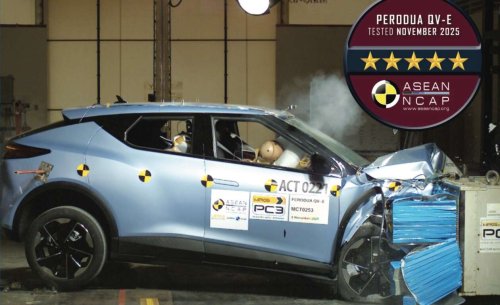
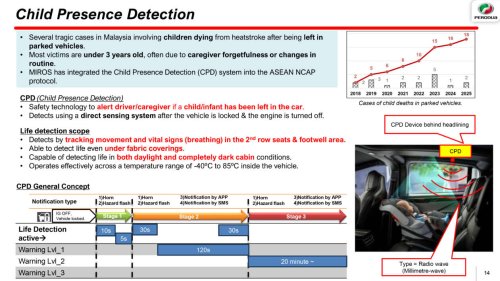
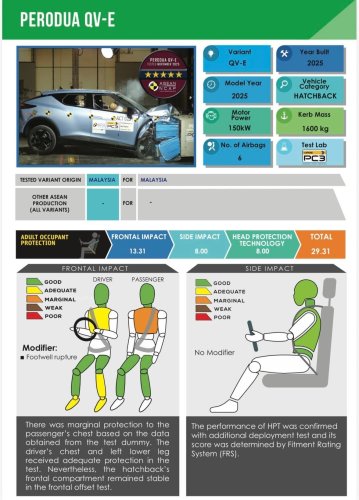
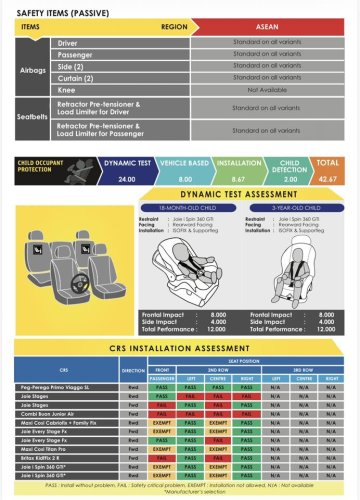
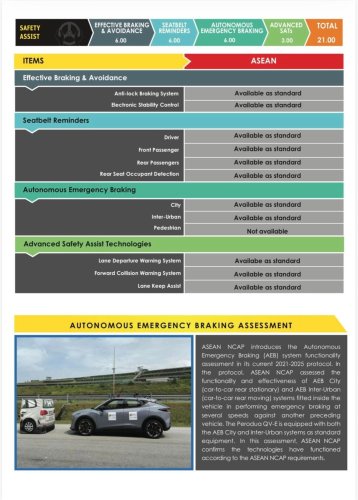
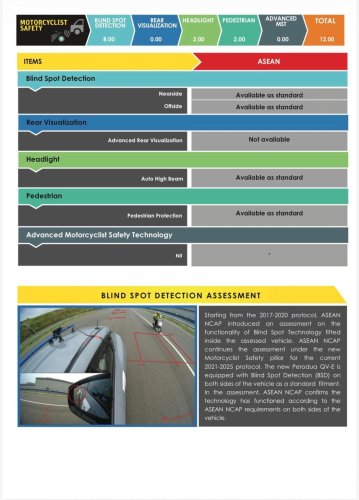
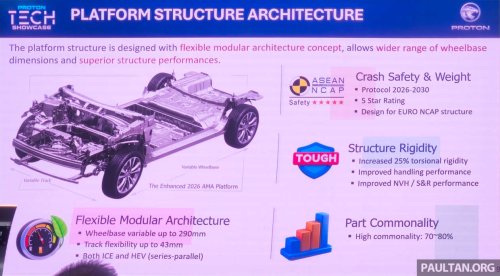
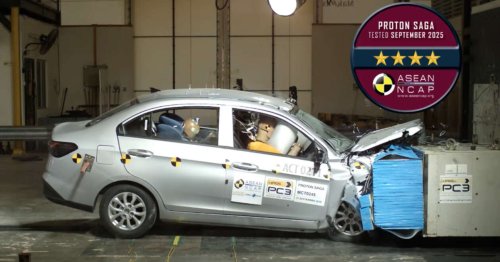
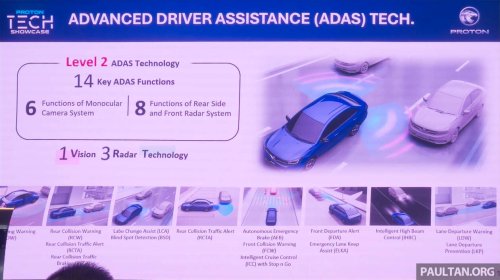
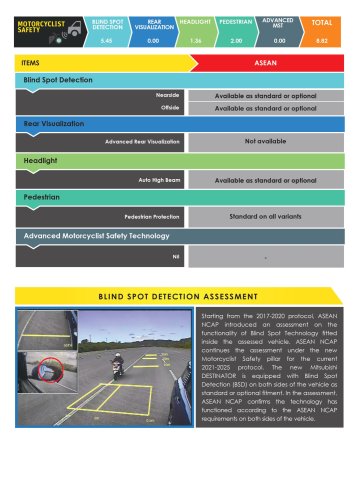
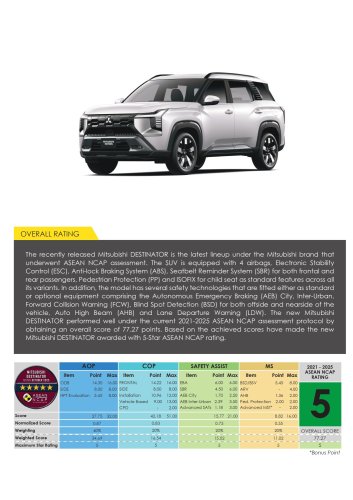
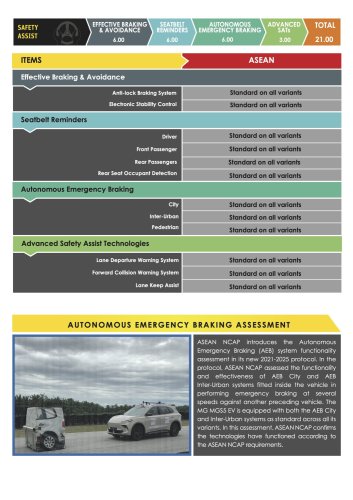
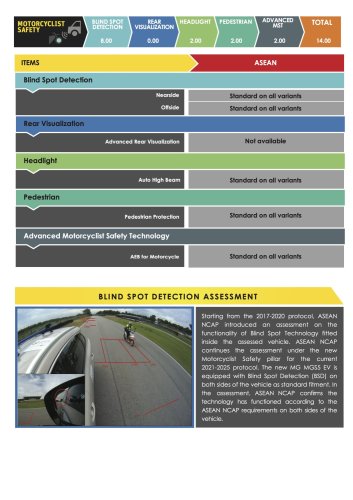
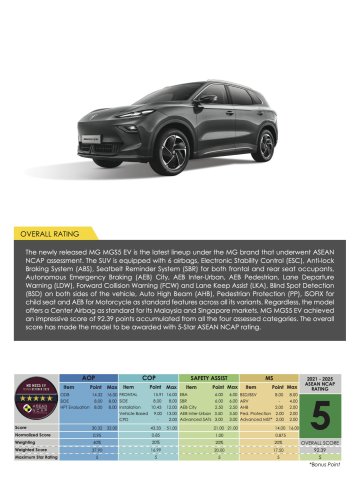
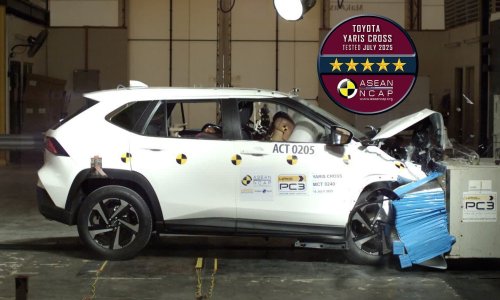
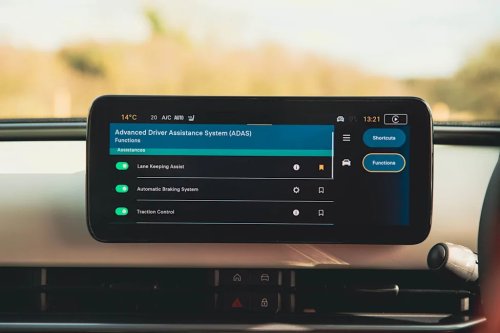
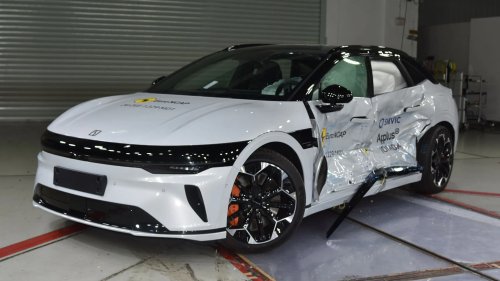
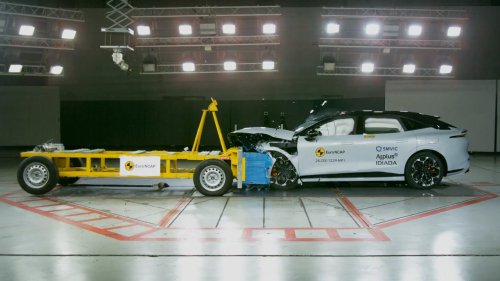
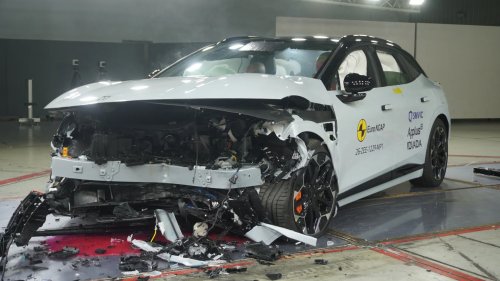
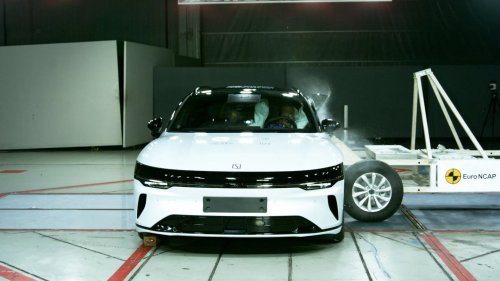
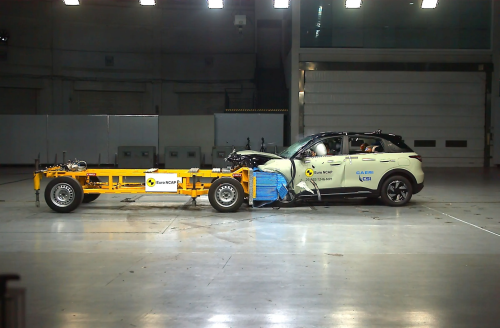
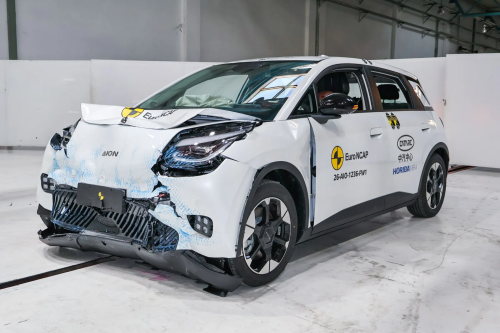
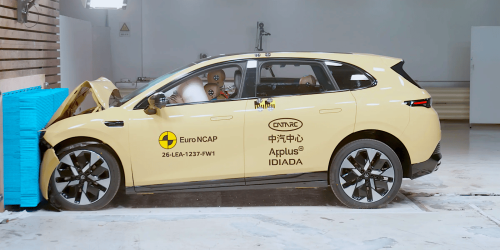
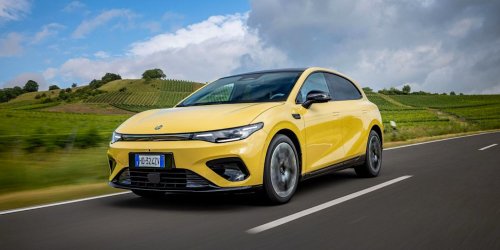
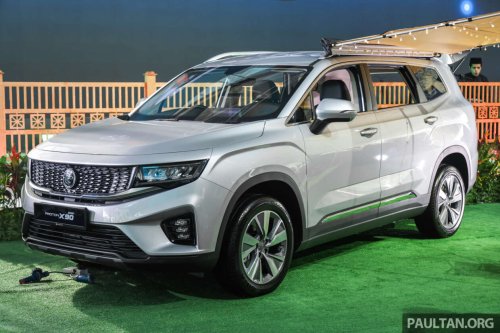
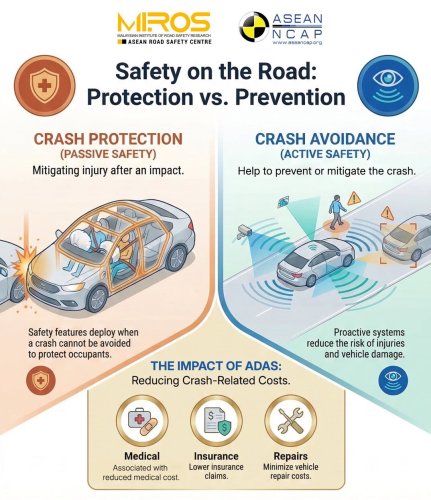
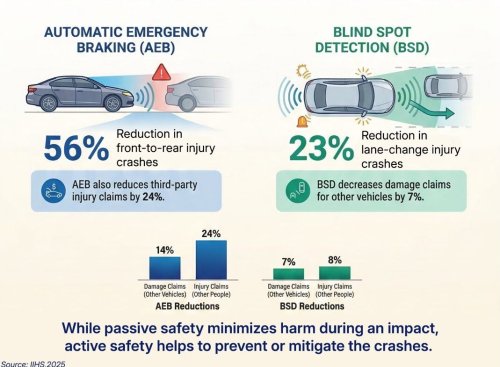
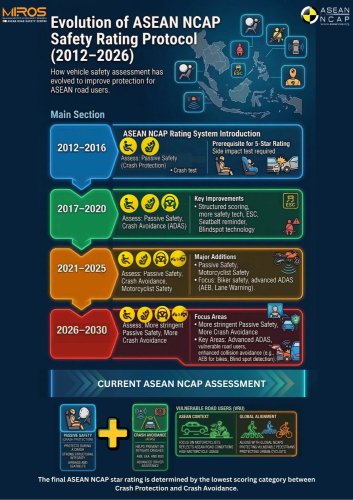
On March 15, ASEAN NCAP (New Car Assessment Program for Southeast Asian Countries) announced that it had downgraded the safety rating of the new Proton X90 MC to a one-star rating from the five-star rating the SUV obtained when it was launched back in May 2023. The reason given for the downgraded rating was the lack of essential advanced driver assistance systems (ADAS) in the updated model. Previously, the X90 was offered with autonomous emergency braking, forward collision warning, lane departure warning, lane keep assist, rear cross traffic alert, blind spot monitoring and more. The MC omits all these, with all three available variants not having any form of ADAS, to which ASEAN NCAP said that, following its 2021-2025 protocol, “a vehicle’s star rating is restricted if it performs poorly in any single category, ensuring all-round protection.” It is important to note that the five-star rating continues to apply to 2023-2025 units, with the one-star rating only for all 2026 models. Since then, the topic has come under discussion on the Internet, with some quarters saying that the re-rating was unwarranted, because the omission of ADAS or any active safety features did not diminish the qualities of the vehicle itself, in this case its design strengths or its passive safety elements. The contention was that the removal of ADAS did not render the vehicle unsafe to the point of its safety rating being reduced to a single star, as it was essentially the same model as tested previously, minus the engine change. In truth, no one is saying that the vehicle has become a completely unsafe proposition because ADAS has been omitted. It’s just that ratings have to follow the defined parameters of the protocol. In this case, the removal of ADAS elements caused the safety assist (SA) score to drop to a four-star level, with the motorcyclist safety (MS) category — which relies heavily on blind spot detection (BSD, which was also omitted) – being what plummeted the rating to one-star, with the lowest score reflecting the final rating. The point is, the car could be safer, as equipped with a suite of driver assist systems (which it had) that can help prevent a mishap from happening. Note the term help, because yes, accidents happen mostly due to driver error, be it from inattention or carelessness, and a driver’s attitude and presence behind the wheel forms the most crucial aspect of road safety in a passenger vehicle. Nonetheless, everything plays its part in keeping one as safe as possible inside what is essentially a moving missile. Passive safety, be it from a well designed and reinforced vehicle structure, airbags or seatbelts, is paramount, because it protects you during an impact, but it would be wrong to think active safety is any less important, because the aspect is about prevention – items like autonomous emergency braking (AEB) or BSD could mean the difference between something untoward happening, or not. The argument about whether there is any added value to having additional safety, in any form, as they emerge, has been around like forever. Like, for example, when airbags started proliferating inside cars. At that point, there were those, like my other half’s uncle, who thought it unnecessary, surplus to requirements. “Only makes the car more expensive. Why pay for it? If you never have an accident, you don’t need airbags” was the line. Well yes, I suppose, but best to have it in case you do. In any case, the world continues to turn, and progress is inevitable. Standards evolve too. ASEAN NCAP says its rating protocols reflect that growth, now stricter than they were at the emergence of the programme, with the ambition being to protect everyone, including motorcyclists and pedestrians. In a social media post (probably not coincidental, given the timing), it highlighted the importance of having both protection and prevention in a new vehicle, qualifying the benefits of the latter in digestible terms. Beyond associated costs (repairs, insurance) involved in a mishap, the presence of ADAS also lowers the collision rate and potential risk of injury from those, with AEB and BSD percentages cited as examples. It’s very easy to dismiss the importance of something you don’t think – and believe – you’ll ever use or need, especially when there is a cost attached to it. Omitting this means a cheaper vehicle, which could mean the difference between a purchase happening or not. To many, it will still be the same car, just minus the active safety element. As we see it, the presence of ADAS should be a given in this day and age, especially with items such as AEB and BSD, because they do make a difference, but ultimately, it’s for buyers to decide whether it is a must or simply surplus to requirements. Just don’t get upset because safety protocol ratings change to reflect that exclusion. Compare prices between different insurer providers to save the most on your car insurance renewal compared to other competing services. Many payment method supported and you can pay with instalment using Atome, Grab PayLater or Shopee SPayLater. Use the promo code 'PAULTAN' when you checkout for 10% discount!



















 +48 others