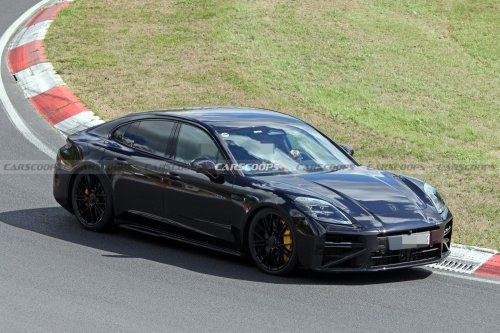
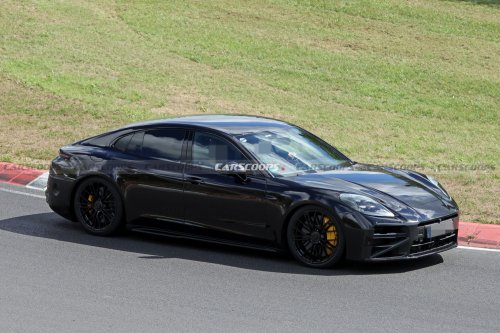
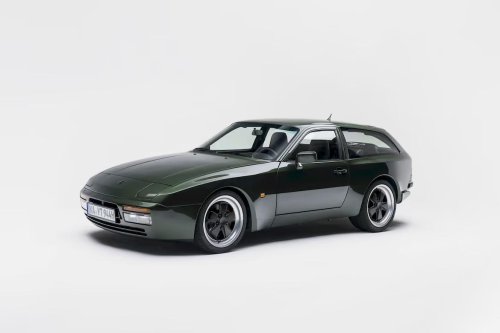
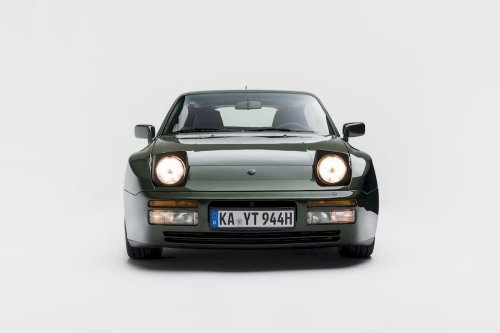
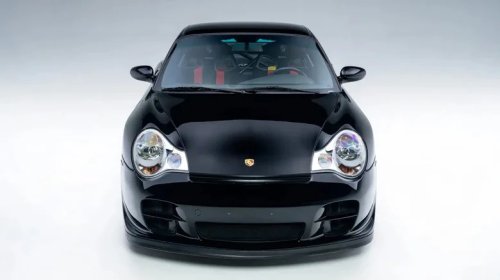
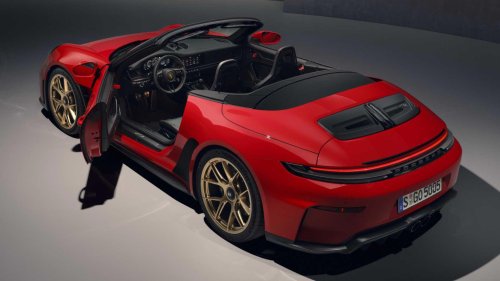
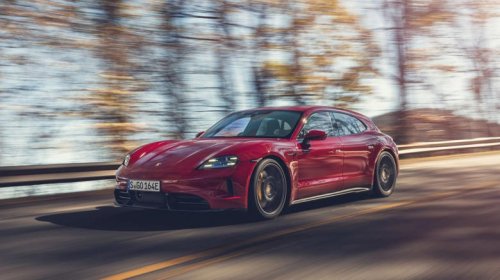
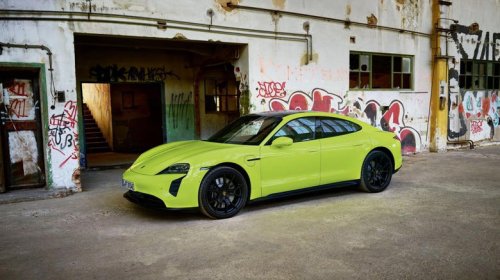
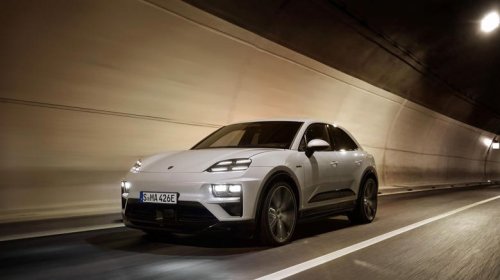
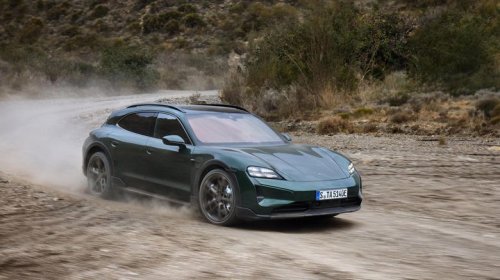
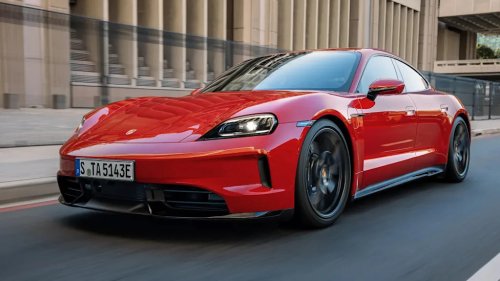
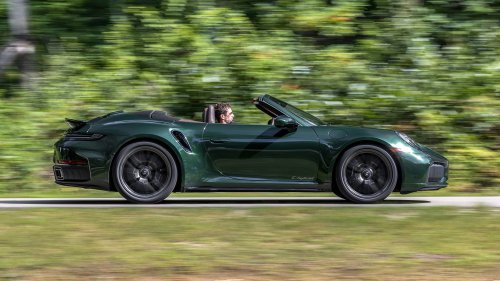
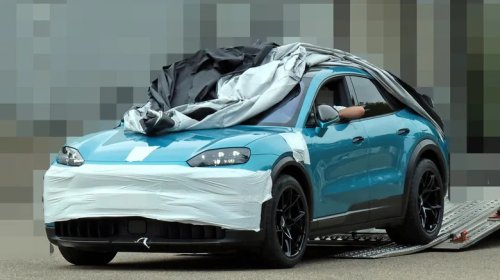
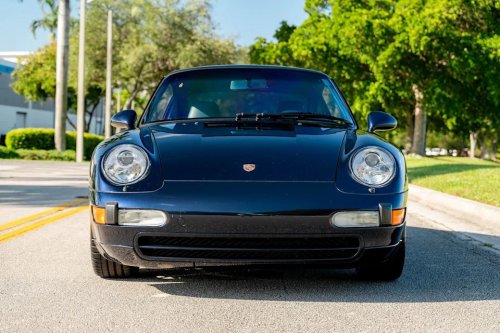
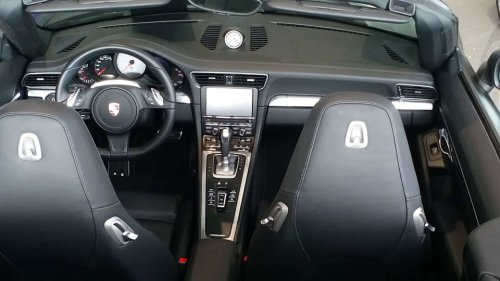
A Stolen Porsche Put a Melbourne Flower Farmer in the Hospital. The Anti-Theft Tech Worked PerfectlyThe Porsche that crossed onto the wrong side of EastLink and hit Paul Broussard's van head-on at 2am had a factory engine immobiliser. It worked exactly as designed.That is precisely why three people allegedly had to drive to a house in Bentleigh, walk up a stranger's driveway, and hold a knife on a 44-year-old woman and her teenage son. The car could not be stolen. Only the key could.That distinction is the whole story here, and it has been quietly reshaping car crime for twenty-five years.What actually happenedVictoria Police say the Porsche was taken about 9.20pm on a Friday in Melbourne's south-east. Neighbours heard screaming. The owner was pulled out of her own driveway and left with minor injuries.AdvertisementAdvertisementRoughly five hours later the car was running with its headlights off — on a modern Porsche that is not an oversight, it is a deliberate trip into the light switch — and travelling the wrong way on EastLink near the Melba Tunnel. A police pursuit had already been called off. The crash happened anyway.Broussard, 51, was driving to the Melbourne Market with roughly $10,000 of cut flowers. He is now in the Royal Melbourne Hospital with a fractured sternum and a broken ankle, short one work vehicle, and out of action for six weeks. A 19-year-old had to be cut out of the Porsche.Here is the part nobody puts in a press release.The rule that killed hot-wiring, and invented something worseOn 1 July 2001, Australia made electronic engine immobilisers compulsory on every new passenger vehicle sold, under Australian Design Rule 82/00. The principle is simple: a transponder in the key trades a coded handshake with the car, and without it the fuel, ignition or starter circuits stay dead.AdvertisementAdvertisementScrewdriver-and-steering-column theft, a genuine teachable skill for most of the twentieth century, stopped working almost overnight. It worked. The Australian Institute of Criminology's own review found vehicles fitted with compliant immobilisers were stolen at roughly half the rate of unprotected ones, and by 2011 about 71 percent of the national fleet carried one.Australia was ahead of most of the world on this. Europe required immobilisers on new cars from October 1998. Canada's mandate took effect on 1 September 2007. The United States never passed one, which is the entire reason a generation of Hyundai and Kia models built without immobilisers became the most stolen cars in America, and why American theft statistics still swing wildly on what one automaker decided to leave out.Early criminology found the displacement went exactly where you would expect. Thieves moved down to older, unprotected cars. But that escape route closes on a schedule. Once the immobilised fleet is the entire fleet, there is no older car left to move to.There is only the key.Melbourne is what the end of that road looks likeVictoria recorded 31,851 vehicles stolen in the year to March 2026, according to Victoria Police's release of Crime Statistics Agency data. It is the highest figure since 2001-02.AdvertisementAdvertisementRead that again. Twenty-five years of mandatory immobilisers, and Victorian car theft is back at the level it sat at the year the mandate landed.The technology did not fail. The target moved. Keys, unlike ignition barrels, live in houses and pockets and hands, which quietly converts a property crime into an encounter. Children were involved in 55 percent of Victoria's carjackings last year. That tells you what the barrier to entry has become. Not skill. Nerve.The doorway emissions regulators ordered the industry to buildThe other route to a key is more uncomfortable, because carmakers were required by law to install it.Victoria Police say up to 40 percent of stolen vehicles are now taken using key mimicking or cloning technology, and that they have seized more than 1,100 cloning devices since the start of 2025. Most of those devices work through the OBD-II diagnostic port.AdvertisementAdvertisementThat port exists because of clean-air law. On-board diagnostics became mandatory in the United States from the 1996 model year so regulators could police emissions equipment, and Australia phased in the same requirement for petrol cars under ADR 79/01 from 2006. The connector standard that governs it, SAE J1962, requires the socket to sit within reach of the driver's seat and to be accessible without tools, because an inspector or technician has to plug in quickly.So: a standardised, unsecured, legally mandated doorway into the car's network, positioned by regulation exactly where a thief sitting in the driver's seat can reach it. Break one window, plug in a device sold openly as a "key programmer," and the car obligingly issues a fresh working key. It is the same basic economics that let a Charlotte crew take 100 luxury cars with nothing but key fobs.The immobiliser is never defeated. It is persuaded.Which is why Victoria Police's own prevention advice to owners now includes fitting an OBD port lock. A padlock, for a hole the regulations require the manufacturer to leave open.So why the knife, and why a Porsche?Because not every car folds. German premium brands have spent the past decade putting encrypted security gateways between the diagnostic port and the modules that matter, which is a real obstacle to a few hundred dollars of hardware ordered off an overseas website. Even mainstream manufacturers are catching up, as the teenager who beat Ontario's anti-theft tech in a stolen Ford Explorer found out when the electronics turned out to be the easy part.AdvertisementAdvertisementThe harder the electronic path becomes, the more attractive the human one looks.That is the trade the industry made and never advertised. Every increase in the car's electronic security raises the value of the key. Anything with a rising value eventually gets taken by force.Every Victorian motorist already paid for this crashInsurance Council of Australia figures show Victorian motor theft claims rose about 25 percent in 2024-25, to roughly $243 million across more than 12,500 claims, while every other mainland state went down. Metropolitan Melbourne alone accounted for about 10,400 of those claims, worth $205 million. Melbourne has also become the place where cloned licence plates get manufactured at industrial scale, which is what a mature stolen-vehicle economy looks like from the outside.Broussard's treatment and lost income will run through the Transport Accident Commission, Victoria's no-fault injury scheme, funded by the transport accident charge folded into every vehicle registration in the state. Every Victorian motorist pre-paid for this crash years ago, one rego renewal at a time.AdvertisementAdvertisementHis van, his flowers and his six lost weeks of trading are a separate argument with a comprehensive insurer, and the odds of recovering a cent from a 19-year-old are close to zero. Costs from a pursuit have a habit of landing on people who were never part of it. A single 2017 chase in Chicago could end up costing taxpayers $27 million.The part worth rememberingFor the record, Victorian carjackings actually fell 5.7 percent last year and aggravated burglaries dropped nearly 20 percent. The Bentleigh knifepoint theft is not the average case. It is the far end of a pattern that started the day the key became the only way in.Thirty years of anti-theft engineering achieved something genuinely difficult. It made a car almost impossible to start without permission. What it did not do was make cars harder to steal. It made stealing one require either a laptop or a person, and nobody in the industry ever asked out loud which of those thieves would choose, or who would be standing in the driveway when they did.The immobiliser did not stop the theft. It just guaranteed somebody would be there when it happened.AdvertisementAdvertisementJoin our Newsletter, follow our Instagram page, and connect with us on Facebook.




















 +37 others