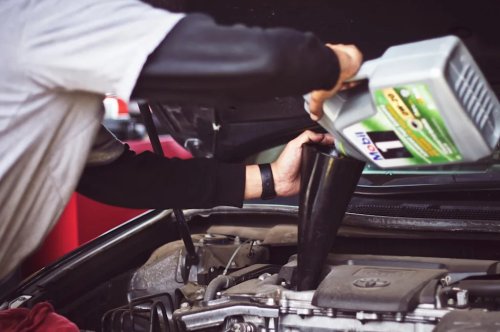
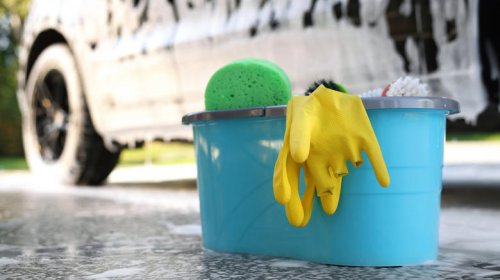
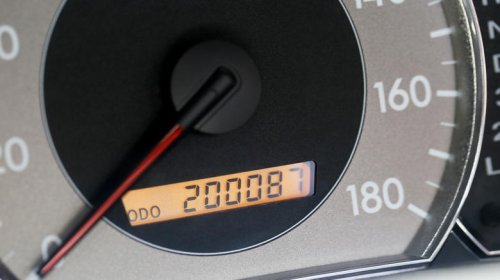
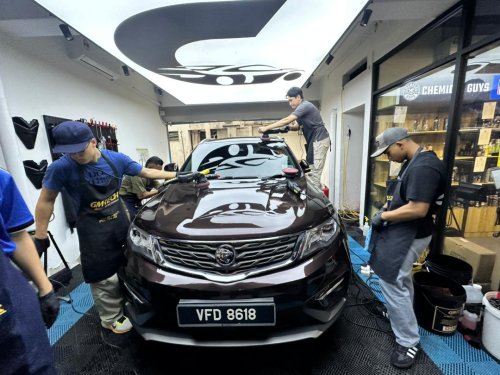
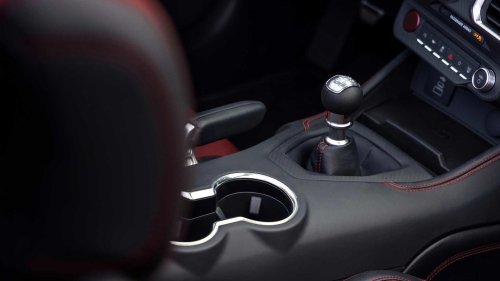
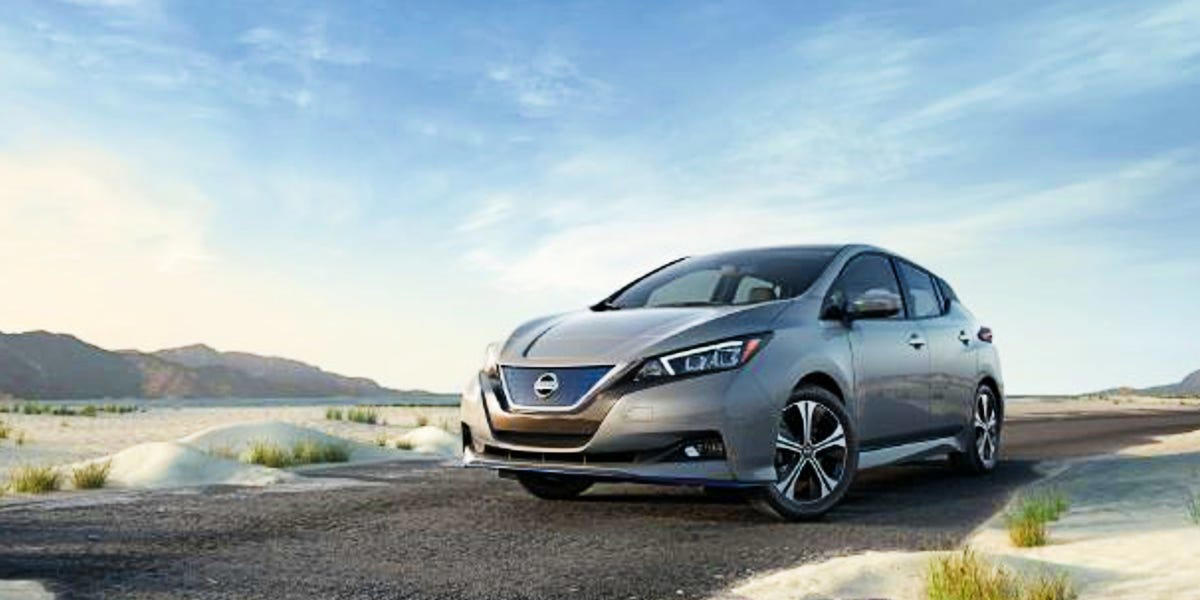
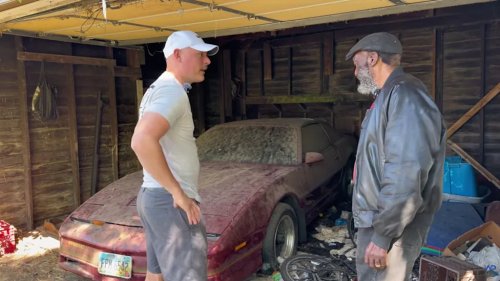
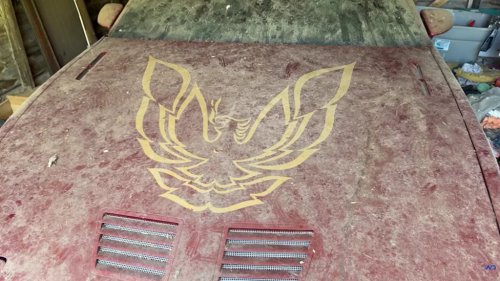
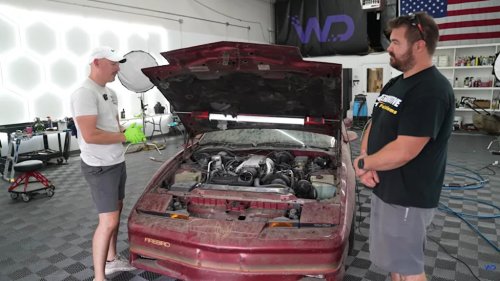
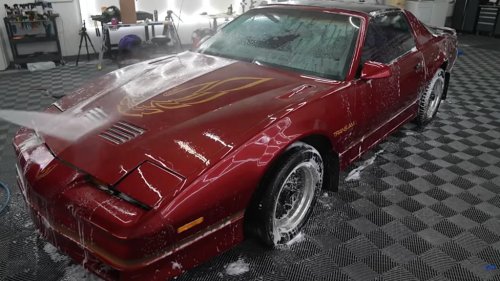
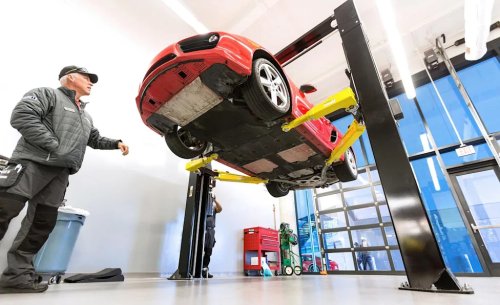
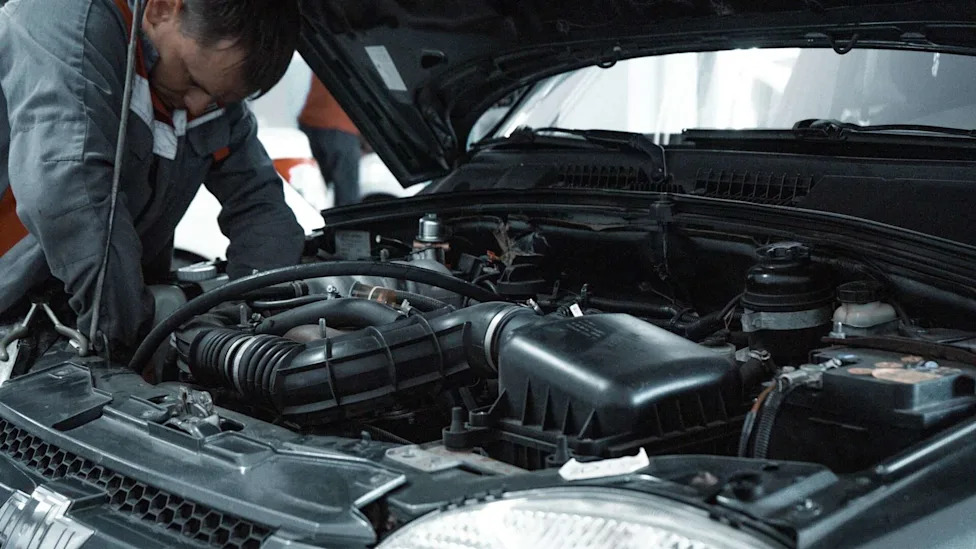
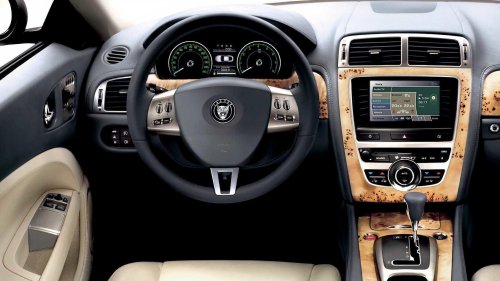
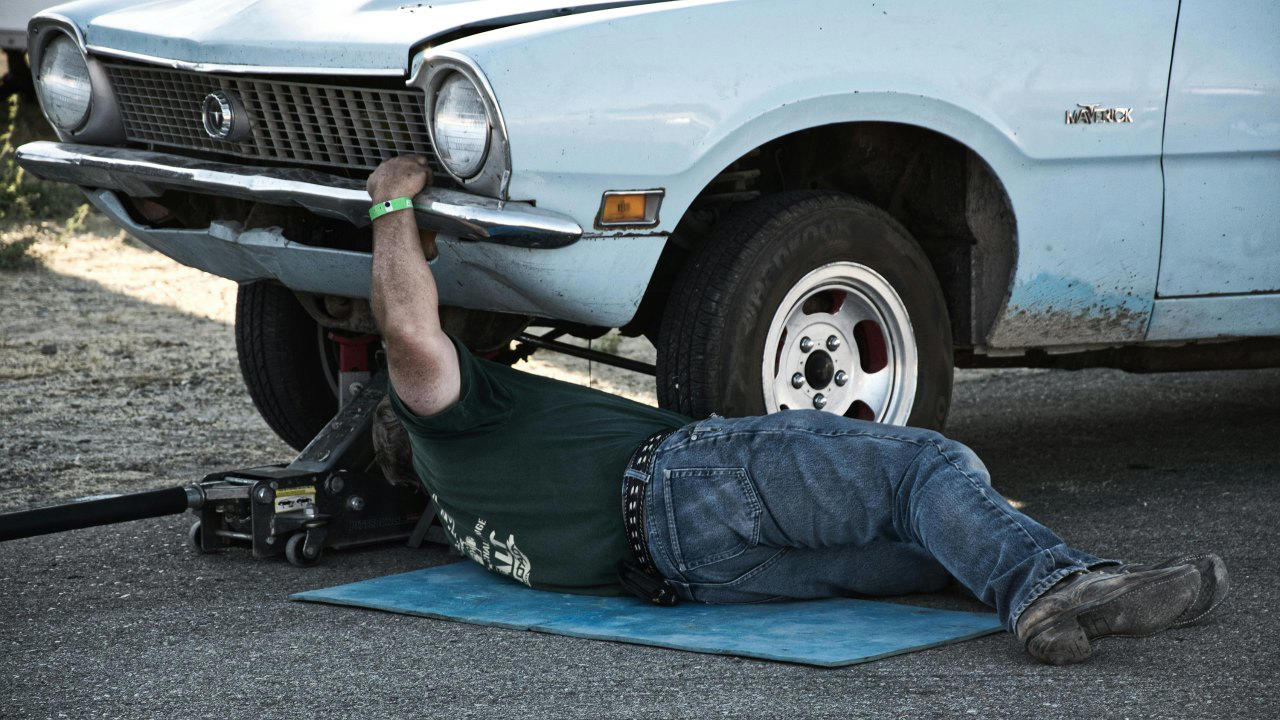
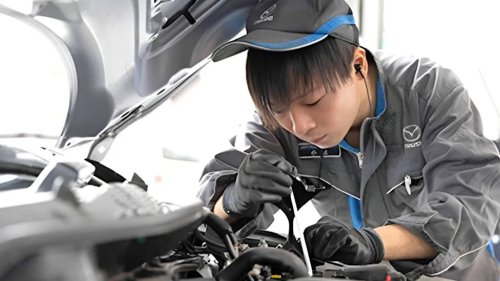
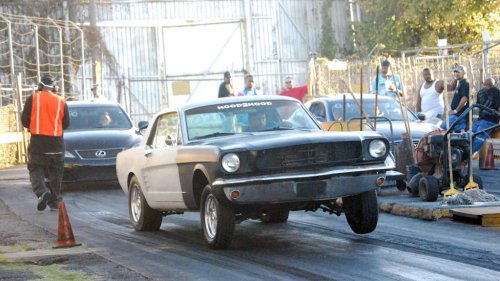
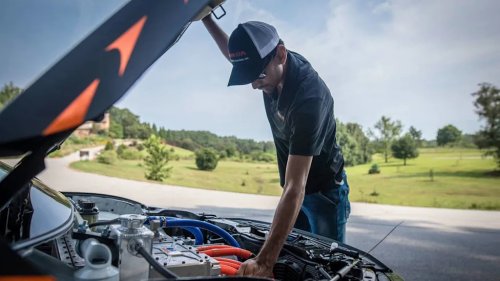
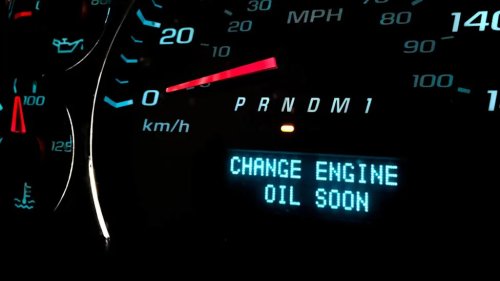
Autoblog and Yahoo may earn commission from links in this article.Automotive reliability rankings are a great way to narrow down the models that are least likely to present you with an unplanned maintenance expense. But even the most reliable vehicle currently on sale can leave you fuming by the side of the road if you don’t follow some basic maintenance routines.According to in-depth reviews from top sources like Consumer Reports, a Toyota Camry is likely to be less troublesome than a Chevrolet Malibu, but you can still get many happy miles out of your Malibu if you follow some tried and tested reliability practices. In fact, even transmission and engine issues that afflict certain models can be minimized or completely avoided with some prudent maintenance and understanding how your driving behavior has a real impact on your vehicle’s longevity.AdvertisementAdvertisementWhile getting your car to last a million miles is going to require some serious effort, it has been done before, and not only in cars that were considered to be the paragon of reliability. So, to help you get the most out of your vehicle, here are five simple ways to get your car to last for decades instead of years:1. Maintenance Intervals Aren’t SuggestionsMazda Automotive Maintenance Technical School Kobe (MASTeC Kobe)Every car comes with an owner’s manual, whether it’s a physical booklet in your glovebox or available online. Aside from information and instructions on your specific model’s features, the most important bit of info is the service and maintenance schedule. The older your car gets the more this matters.Regular oil changes are perhaps the most crucial aspect of engine longevity, but there are plenty of other often overlooked service tasks:Transmission Fluid: Especially important for CVTs and high-mileage automatics.Coolant: The best way to prevent internal corrosion and blocked radiators is to flush your coolant every few years.Spark Plugs: Worn plugs force your ignition coils to work harder, leading to poor performance and fuel economy.Brake Fluid: Brake fluid absorbs water over time. Leave it too long and it can corrode your brake lines and boil when you really need to use them.AdvertisementAdvertisementServicing requirements and intervals are a bit different for electric vehicles, but in general, they require less maintenance than gas or plug-in hybrid models.2. Drive Like It’s Your Last CarAllen Roberson Jr.Your driving style is the biggest variable in how fast your car wears out. If you treat every green light like a drag race and trips to the shops like a qualifying lap, the parts of your car will wear out or fail sooner. That’s not to say you can’t enjoy your car, but a smooth driving style and anticipating the road conditions ahead will prevent undue wear on your engine, transmission and brakes.Allowing your car to warm up for the first few miles of every drive will make a major difference on how long it lasts. Don’t let it sit idling in your garage, just get in and drive at low RPMs while the water and oil get up to temperature. If you own a sports car, it was meant to be driven enthusiastically but remember that you abusing it every day will cost you a lot in the long run.3. Practice Proactive Rather Than Reactive MaintenanceClemson UniversityIf your engine belts are getting on, or you haven’t changed your car battery in years, it may be a good idea to be proactive about replacing them before they fail. Your car’s battery should last around five years, so if you are in year four then get its volage levels checked before it stops being able to power the starter motor.AdvertisementAdvertisementSerpentine belts that power the auxiliary devices in many cars (A/C compressor, power steering pump) are not all that expensive, but waiting until they snap or fail can cause damage to far pricier components. Check your belts for fraying or brittleness takes just a few minutes and can save you a lot of hassle. Having your vehicle inspected before a long trip is also a great way to help it last longer and keep you safer on the road.4. Don't Ignore The NoisesHearing strange noises at night in your home can be pretty frightening. But this is also true if you are in your car on a deserted stretch of road. In most cases, the noises tend to start off as niggling background squeaks and rattles. Finding the source of a new grinding sound from under the hood should be investigated sooner than later.Leaving things too long can not only cause components to fail at inopportune times, but they may cost you a whole lot more, too. If your new noise is accompanied by a dashboard warning light, don’t ignore it just because the car still feels fine.5. Keep It CleanWashing your car may seem like a chore, but it can be quite therapeutic to clean the grime and dirt off your vehicle. It is also a great opportunity to look for visible signs of wear and tear. Uneven wear on your tires can be spotted sooner, and you may notice leaks or loose bits of trim.AdvertisementAdvertisementRoad salt, dirt and small stones can wreak havoc on a vehicle’s undercarriage. Regularly cleaning the underbody can minimize this. It can also alert you to brake or fuel line corrosion or body damage that might otherwise go unnoticed until it is too late.This story was originally published by Autoblog on Jun 1, 2026, where it first appeared in the Maintenance section. Add Autoblog as a Preferred Source by clicking here.




















 +14 others