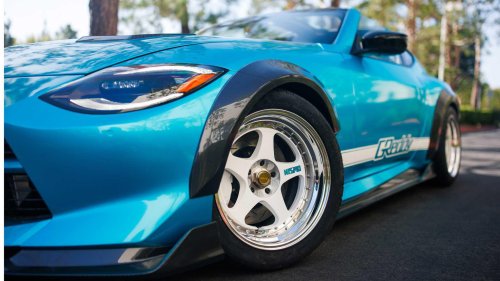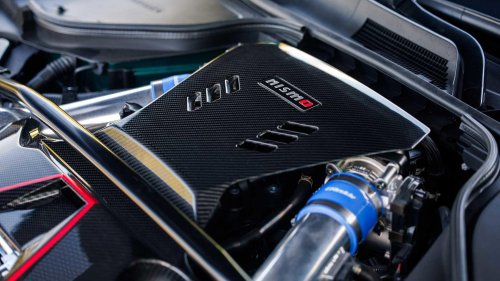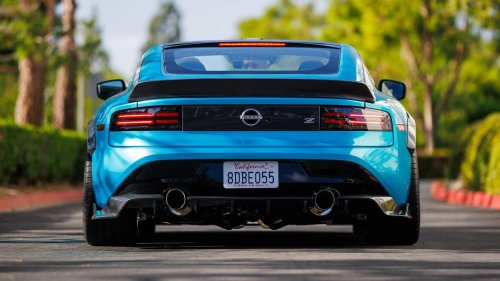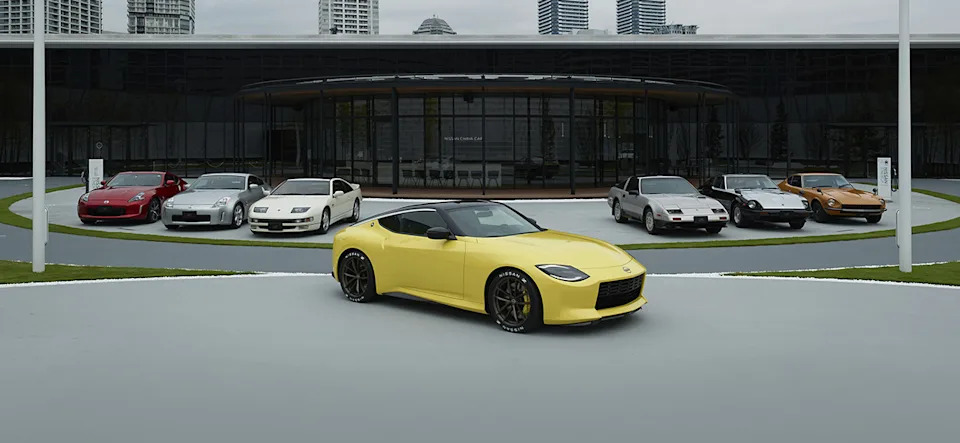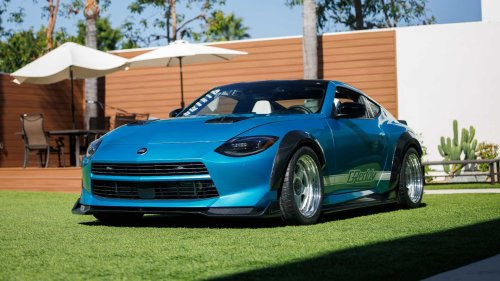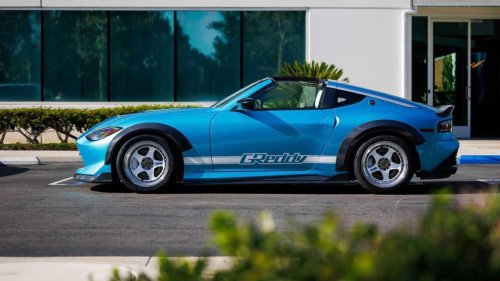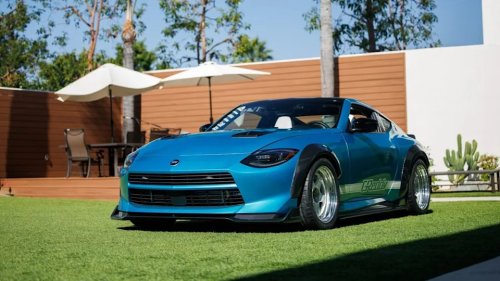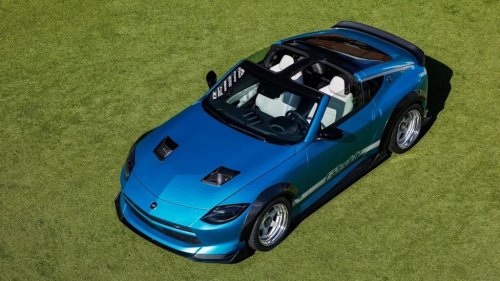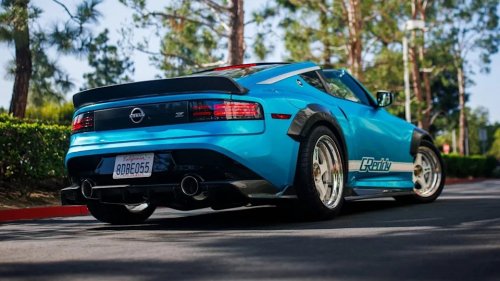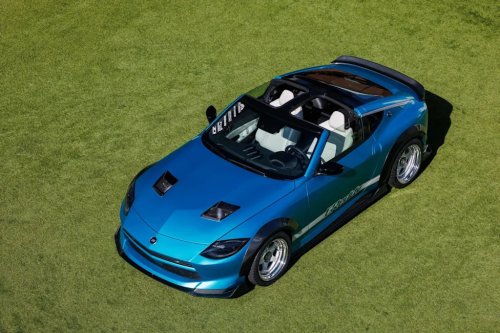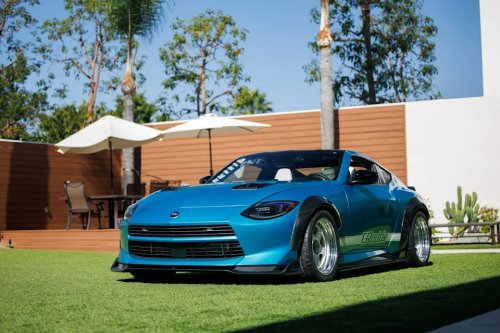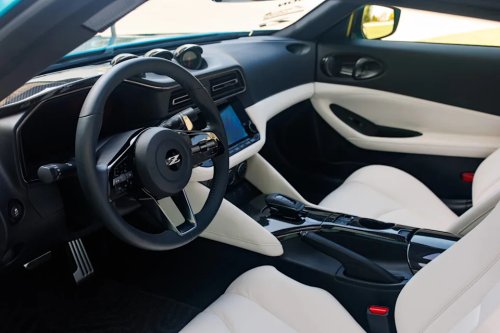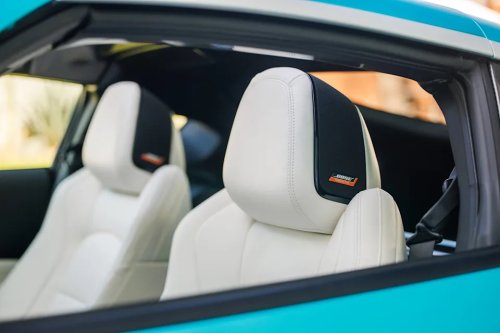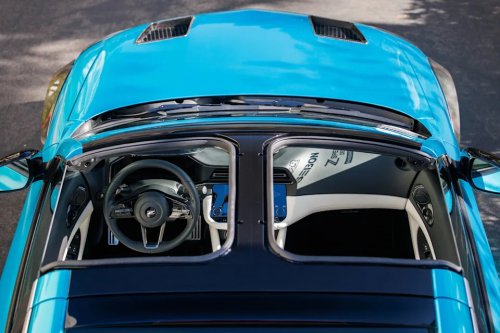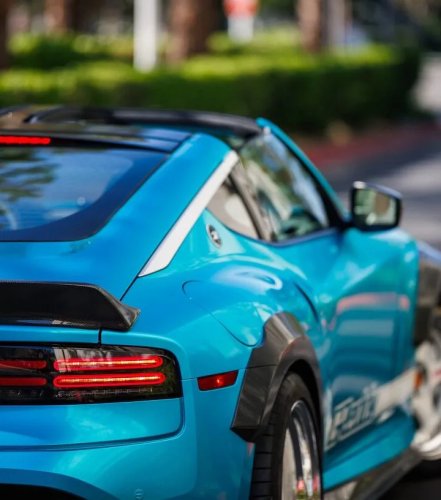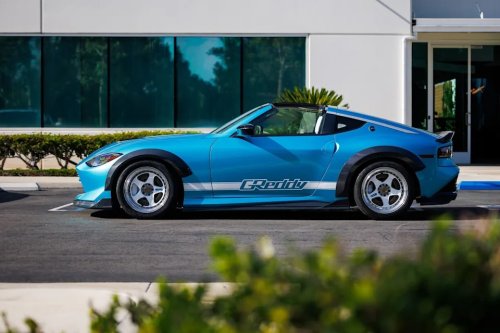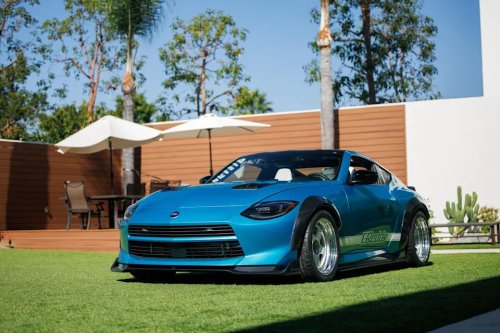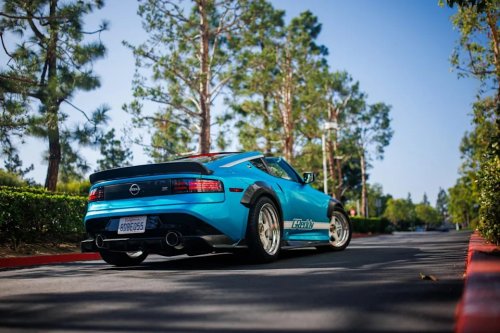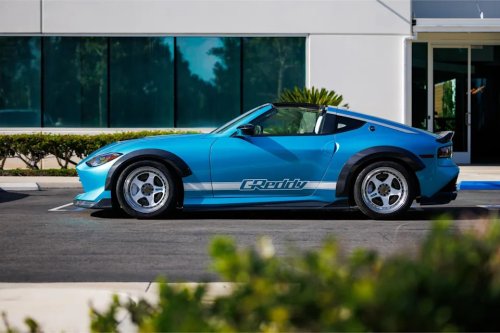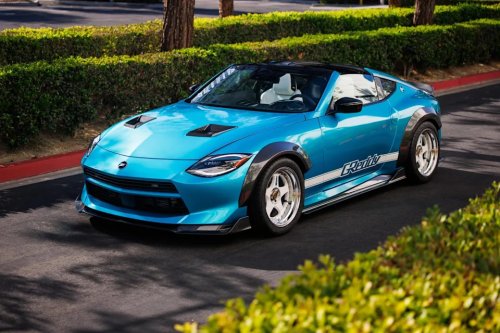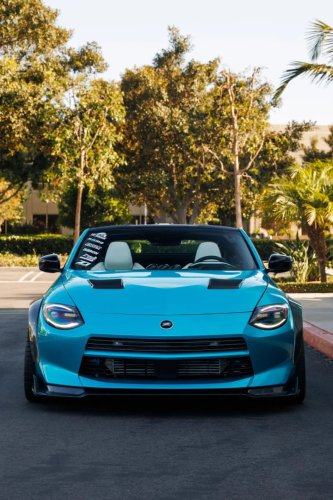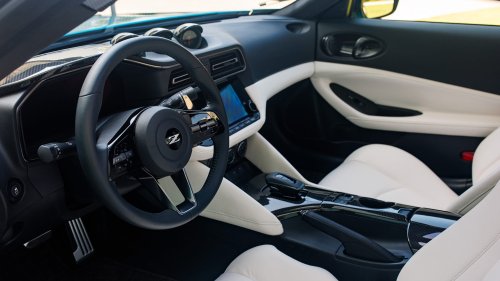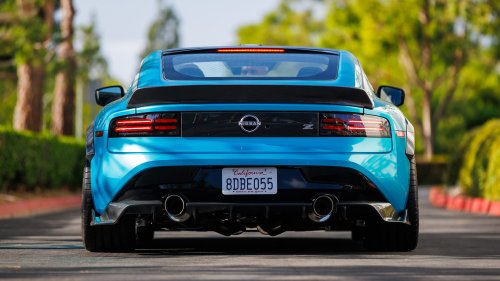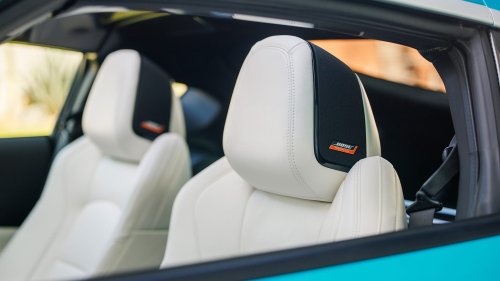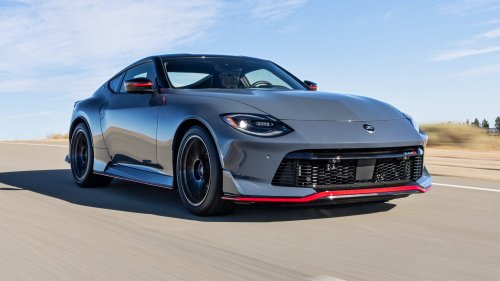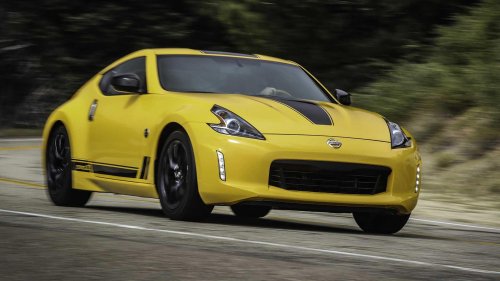
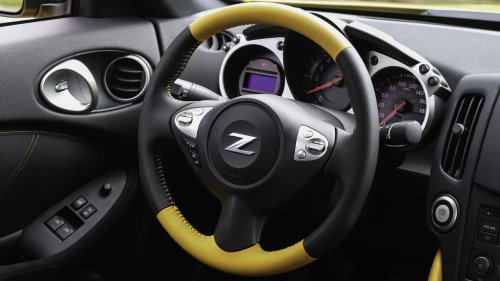
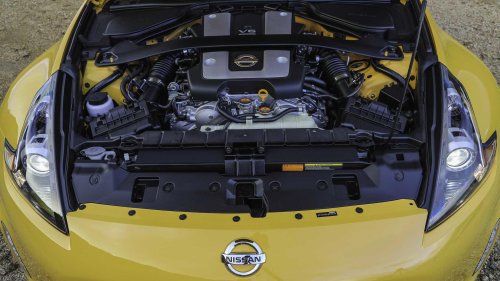
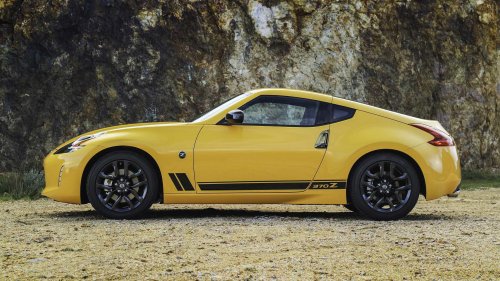
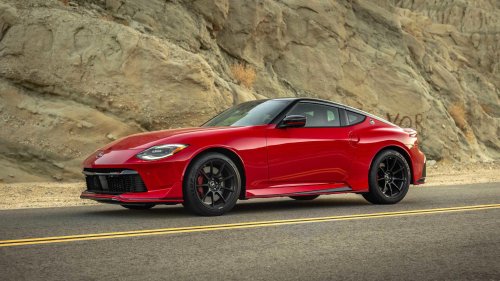
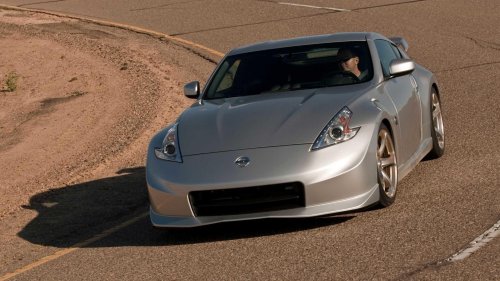
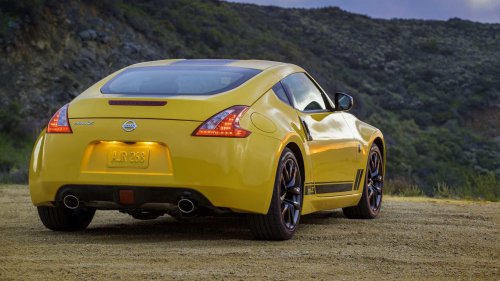
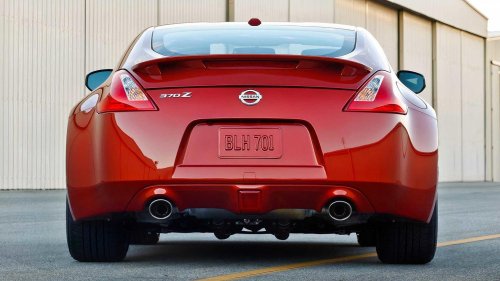



















A new seventh-generation Nissan Z arrived for the 2023 model year, and as you'd expect, it's a stronger sports car than the one it replaced. It’s quicker, smarter, and more capable in nearly every measurable way than the former Nissan 370Z. But in the process, it also gives up a fair amount of what made its predecessor so appealing in the first place.The two cars are fundamentally related under the skin, yet the latest Z feels like a softened interpretation – its experience diluted by a switch to turbocharged power, not to mention added weight, and a noticeably higher price tag that pushes it further from its once-attainable roots. All of that makes the older 370Z worth a second look, especially now that used prices have slid into genuinely tempting territory.Pricing and market details were accurate at the time of writing, but are subject to change. A Formula That Still Works Nissan Key Facts To Know Debuted at the 2008 Los Angeles Auto Show Benchmarked against the Porsche Cayman during development Holds honor of being Japan's last sports car with a naturally aspirated V6 The Nissan 370Z was introduced for the 2009 model year as the successor to the Nissan 350Z, and looked to build on the success of its predecessor by retaining much of its DNA rather than reinventing the formula. Nissan kept the 350Z's FM platform and instead focused on sharpening the package, even benchmarking the car against sports cars like the Porsche Cayman and BMW Z4 M Coupe during development. An open-top 370Z Roadster was launched alongside the coupe.Nissan Compared to the 350Z, the 370Z featured a shorter wheelbase, wider track, improved rigidity, and greater use of lightweight materials, all contributing to a more focused driving experience. Even with the shorter wheelbase, the cabin remained surprisingly accommodating for taller occupants, and Nissan managed to retain a usable 6.9 cubic feet of luggage capacity along with numerous storage spots for personal items.Another key change over the 350Z was the switch to a much-improved 3.7-liter V6 engine from the previous 3.5-liter unit. It gave the 370Z a raw, almost visceral feel thanks to its eagerness to rev to a 7,500 rpm redline while producing a distinctive, aggressive soundtrack. Buyers could choose between a six-speed manual or a seven-speed automatic, both solid options, though the manual better suited the car’s enthusiast intent. Notably, it introduced SynchroRev Match, a system that automatically blips the throttle on downshifts for smoother, more precise gear changes.Nissan While the 370Z may not match the new Z’s outright pace or refinement, the gap is smaller than the spec sheet suggests. For many buyers, trading a bit of speed for a more visceral, analog driving experience starts to make a compelling case, especially when pricing enters the equation. The latest Z currently starts at $42,970, a significant jump from the roughly $30,000 entry point of the 370Z when new. On today’s used market, however, low-mileage 370Z examples can be found from around $16,500, with cleaner, sub-30,000-mile cars often available for about $20,000, making it a genuine performance bargain. A Step Behind, But Only Slightly Nissan The 370Z ended up sticking around for an unusually long run, receiving a handful of incremental updates over the years but never a truly major overhaul. The 2020 model year marked its final appearance before the Z nameplate went on hiatus, only to return for 2023 with the current-generation car. While the changes weren’t as dramatic as the leap from the 350Z to the 370Z, with overall performance up only marginally, Nissan did introduce meaningful revisions to give the new Z its own unique driving character.The biggest change is under the hood. The latest Z marks a return to turbocharging not seen since the fourth-generation Z of the 1990s. It uses Nissan’s ubiquitous twin-turbocharged 3.0-liter V6, also found in the former Infiniti Q50 and Q60. The engine has a lower 6,800-rpm redline compared to the 370Z's mill, and while outright power is up, it gives up some of the old naturally aspirated character, particularly the sharp, almost raspy soundtrack of the previous V6. Paired with the new nine-speed automatic, which shifts more quickly and more decisively than the outgoing seven-speed, it also adds launch control, a feature also shared with the manual transmission.Ian Wright/CarBuzz/ValnetChassis changes are subtle but meaningful. Increased caster in the front suspension improves straight-line stability, while a strut tower brace reduces flex and sharpens steering response. At the rear, revised multi-link geometry with larger monotube dampers reduces damping force for better absorption of sharp impacts and helps to maintain stability. Wider front tires boost lateral grip, and the switch to electric-assist steering modernizes the setup, even if it slightly dulls feedback.Nissan For buyers wanting more performance from the 370Z without turning to the aftermarket, Nissan also offered a 370Z Nismo variant. It produced 350 hp and 276 lb-ft of torque thanks to revised exhaust tuning and recalibrated ECU settings, along with a handful of supporting upgrades. The Nismo version also brought a firmer suspension setup, distinctive exterior styling, and added chassis bracing. In other words, enhancements that improve track capability but can make the ride noticeably harsher for everyday use. Today, examples with under 70,000 miles can be found for just over $20,000. Nissan's Last Analog Sports Car Nissan Affordable sports cars with naturally aspirated engines are becoming an endangered species, and that’s exactly where the Nissan 370Z stands out today. With its hydraulic-style steering feel, rear-wheel-drive layout, available manual transmission, and deliberately minimal driver aids, it leans heavily into an old-school sports car formula that prioritizes mechanical connection over digital assistance. The cabin, too, reflects that philosophy, being simple, functional, and largely free of distractions, all of which reinforces a driving experience built around direct, unfiltered feedback from the chassis and road.On the road, the contrast with its successor is clear but not transformative. The 370Z feels more analog and slightly more unfiltered, with a freer-revving engine and heavier, more natural steering that rewards commitment. The modern Nissan Z, by comparison, is quicker, more stable, and easier to exploit at the limit, with stronger mid-range punch and a more sophisticated chassis balance. Even so, it doesn’t completely eclipse the older Z’s raw, mechanical charm, which still gives it a distinct character in an increasingly digital performance landscape. The Smart Money Still Points Backward NissanIn the end, the 370Z’s appeal is not just nostalgia but real substance. The driving experience remains deeply rewarding and, for some, even more engaging than the newer car’s more polished approach. With today’s heavily depreciated used prices, the older Z does not just hold its own, it becomes the easy enthusiast’s choice.Sources: Nissan