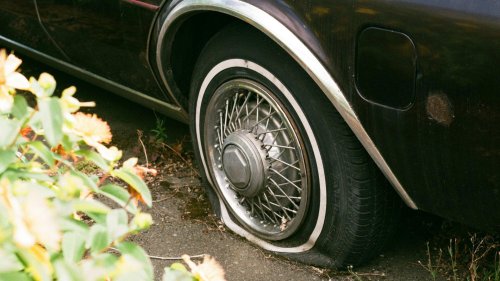
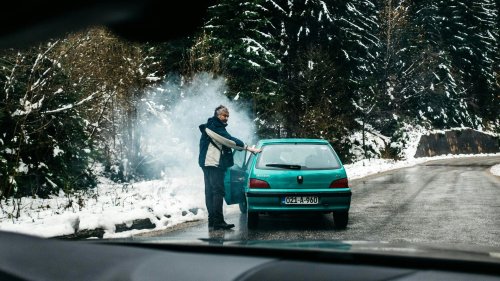
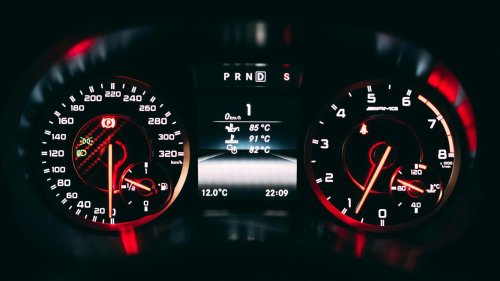
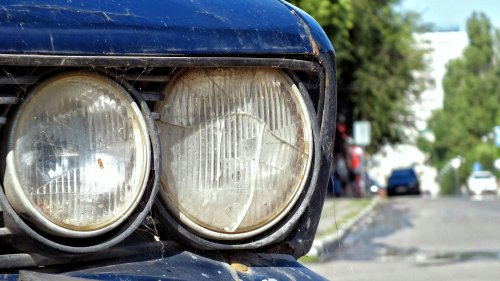
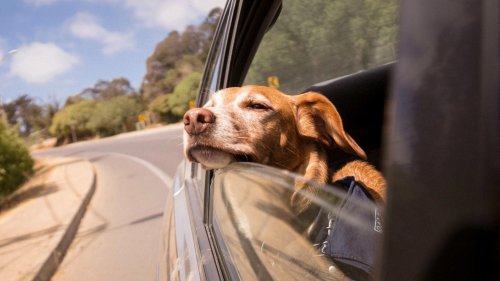
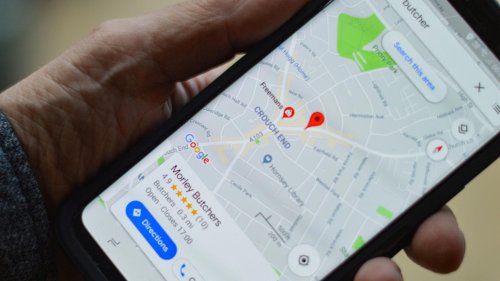
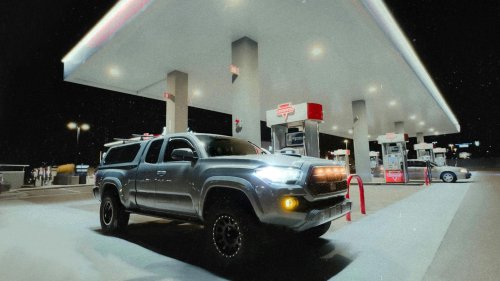
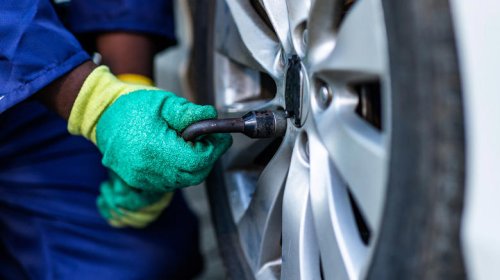
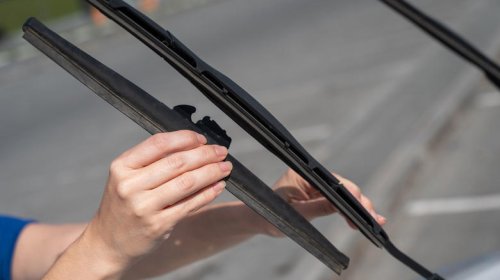
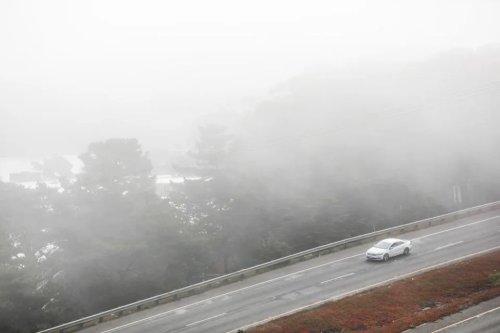
Road Trouble You Can Stop In Its TracksRoadside emergencies have a way of showing up at the worst possible time, don’t they? They love popping up when you’re late or hungry—or even halfway through a playlist you were enjoying. The good news is that plenty of these problems don’t have to turn into full-blown disasters, especially when you know how to best prepare for them. Here are 20 roadside emergencies you can actually keep on your radar before the whole day goes up in smoke.1. A Flat TireA flat tire is one of the most common roadside headaches, but that also means it’s one of the easiest to brace yourself for. Keep a properly inflated spare tire along with all the little tools, like a jack, lug wrench, gloves, and a flashlight. It also helps to practice changing a tire in your driveway; you don’t want to learn for the first time when it actually happens.2. A Dead BatteryNothing ruins a quick stop like hearing absolutely nothing from your car. Jumper cables or a compact jump starter can save you when the battery dies, and they’re easy to store inside your trunk. Check your battery terminals for corrosion every few months, too, because that crusty white buildup can turn a small issue into a huge one.3. Running Out Of GasRunning out of gas is more annoying than anything, but that doesn’t mean it can’t derail your trip. First and foremost, keep your tank above a quarter full, especially during road trips or late-night drives through less populated areas. Barring that, a small emergency fuel container can help in some situations, but make sure you store it empty.4. Engine OverheatingAn overheating engine can go from a simple inconvenience to an expensive mechanic’s bill. That’s why you need coolant in your emergency kit! You should also pull over as soon as the temperature gauge climbs or steam starts coming from under the hood. (Pro tip: never remove the radiator cap while the engine’s hot; the pressure can send scalding coolant all over).5. Getting Stuck In SnowMake no mistake: getting stuck in the snow isn’t cozy or a mild deterrent. It can be a matter of life and death if you aren’t prepared. A foldable shovel, traction mats, kitty litter, and an ice scraper can help you dig out when your tires spin. Before winter hits, check your tire tread and windshield washer fluid, too.6. A Sudden DownpourMuch like snow, heavy rain obliterates visibility so quickly that even familiar roads become blurs. Fresh wiper blades, working headlights, and a full washer fluid reservoir give you a better shot at seeing all the important stuff. If the rain gets intense enough that traffic slows, pull into a safe lot as opposed to riding it out.7. A Cracked WindshieldA small windshield chip only looks harmless—and that’s how it gets you. All it takes is one bump or temperature swing to stretch it across the glass, so keep clear tape in your glove box. You can cover a fresh chip temporarily and stop dirt or moisture from getting inside the crack. 8. A Locked Car With Keys InsideLocking your keys in the car can make you feel silly, but it’s also a classic mistake we all experience at least once. Don’t worry; a spare key kept in your wallet or through a secure roadside assistance plan can spare you from waiting around a parking lot. 9. A Tire BlowoutThough they sound similar, a blowout is different from a slow flat because it can jolt the car suddenly. Not only that, it demands calm steering right away. Do yourself a favor and keep both hands on the wheel, ease off the gas, and avoid slamming the brakes while you guide the vehicle to a safer spot. 10. A Minor Fender BenderEven a low-speed bump in a parking lot can be jarring, so don’t just brush off the little stuff. Make sure you store your insurance card, registration, a pen, and a small notepad in the glove box so you can exchange information easily. Take photos of the vehicles, license plates, road signs, and the wider scene, too; details are more useful than memory.11. Losing Cell ServiceThe last thing we want in today’s day and age is bad cell service, especially when we need directions or we’re in an unfamiliar town. It’s easily remedied, though! Download offline maps before road trips, and have a written list of emergency numbers, hotel addresses, and your destination.12. A Warning LightA dashboard warning light is enough to send any driver into a panic, but you can keep a small OBD-II scanner in your car to read basic codes. Some lights mean you can schedule service soon, but flashing check engine lights or oil pressure warnings deserve immediate attention.13. A Broken LightA burnt-out bulb isn’t the small issue you might think it is; drivers and police officers can spot it before you do, and it’s an even bigger issue at night. Keep spare bulbs for your headlights, brake lights, or turn signals if your vehicle makes them easy to replace. 14. Lost Or Damaged PlatesThough we’d like to think our license plates are bolted on, it doesn’t take more than a car wash or a rusty screw to send them flying. Store a small screwdriver, zip ties, and spare plate screws in your emergency kit so you can secure a loose plate before it disappears completely. 15. A Medical EmergencyAs much as we wish otherwise, medical emergencies can happen at any time. A headache, allergic reaction, or sudden nausea can turn a normal drive into a serious situation, so you need to know how to act. Keep a first aid kit with bandages, antiseptic wipes, pain relievers, motion sickness tablets, and any personal essentials on hand.16. A Pet Emergency on the RoadHey, pets are family too—and they can experience emergencies, too! Pack all the typical goodies, like a leash, collapsible water bowl, waste bags, pet-safe wipes, and a copy of vaccination records for longer trips. A secure crate can also help keep your pet safer in the backseat.17. A Food Or Water ShortageGetting stranded without snacks is the last thing you want, especially when it’s so easily preventable. Just pack bottled water, protein bars, or shelf-stable snacks in the car, and rotate them out so you’re not relying on something that expired years ago. 18. A Navigation MistakeA wrong turn doesn’t have to be the nightmare horror movies make it out to be! Review your route before leaving, and don’t rely entirely on the first suggestion your GPS throws at you. Keep a charger in the car, too, and save key addresses in case your phone dies.19. A Roadside Night StopBreaking down at night is never fun, but it is a lot easier with reflective triangles, a high-visibility vest, a flashlight, and fresh batteries. Additionally, be sure to call for help and stay inside the vehicle with your seat belt on if the shoulder is narrow.20. A Long Wait For HelpRoadside assistance doesn’t always arrive with perfect timing, which means you need to look out for yourself. A blanket, phone charger, power bank, basic tools, and a small trash bag can make a long wait much less miserable.