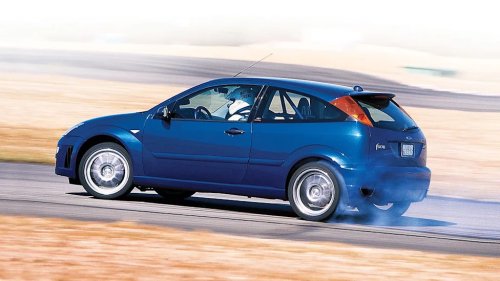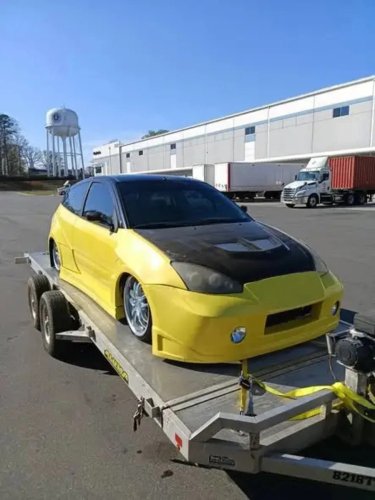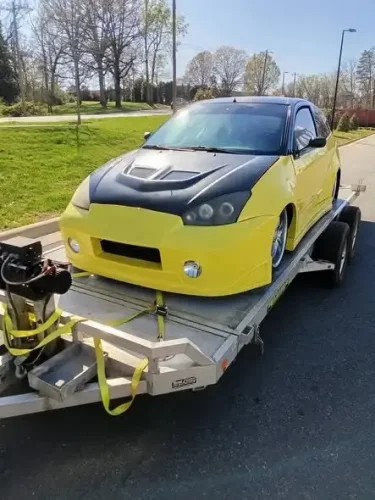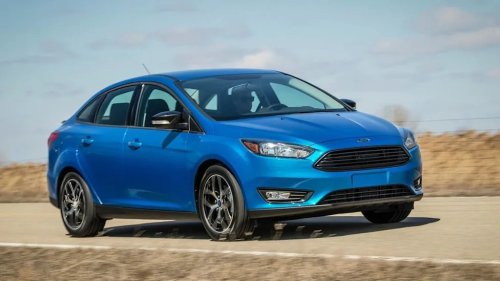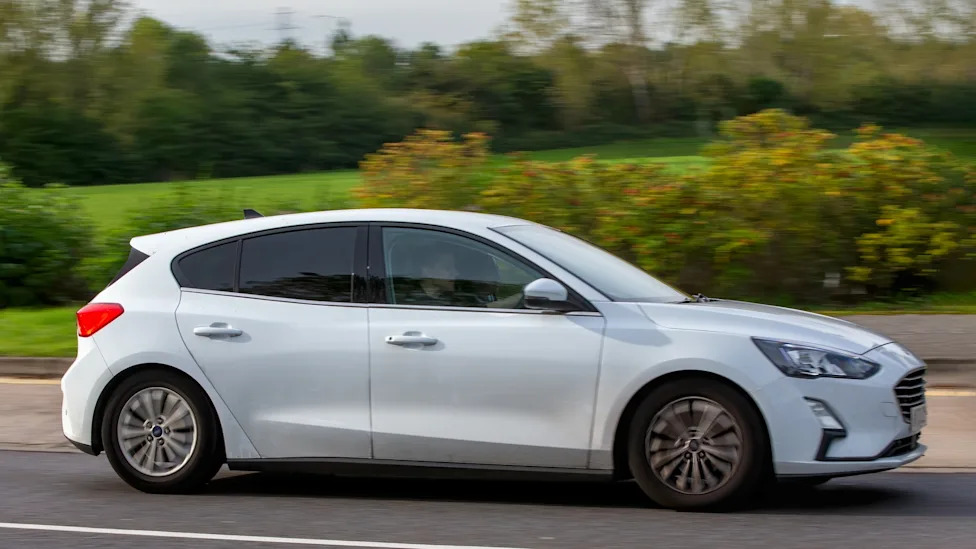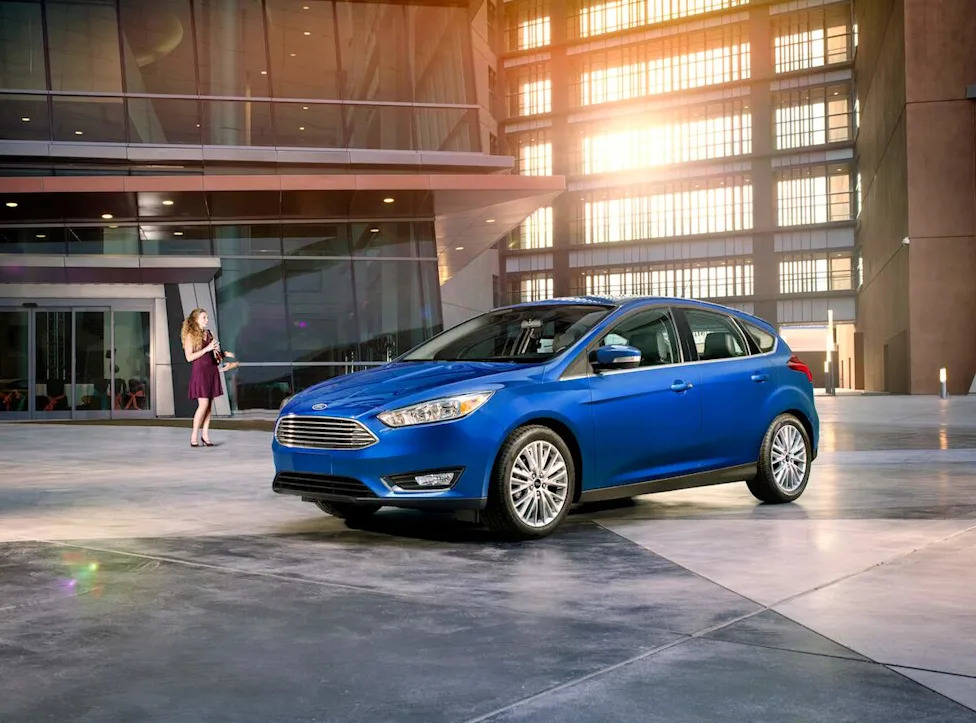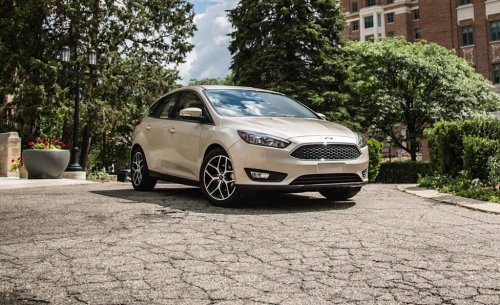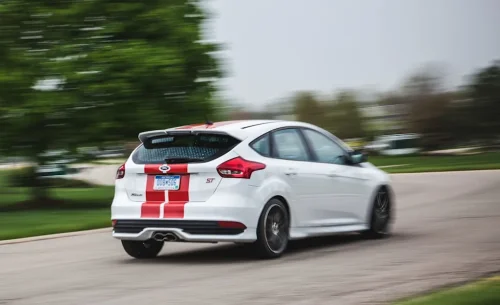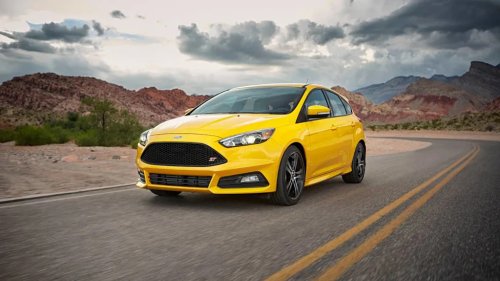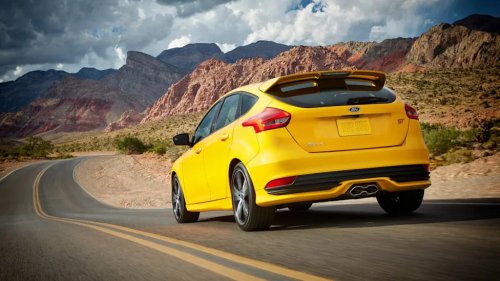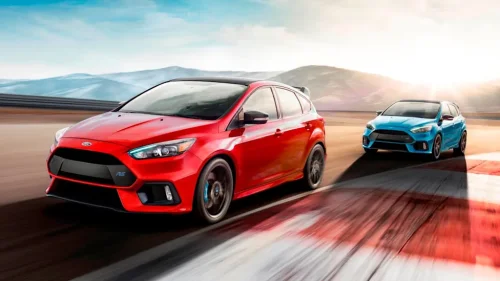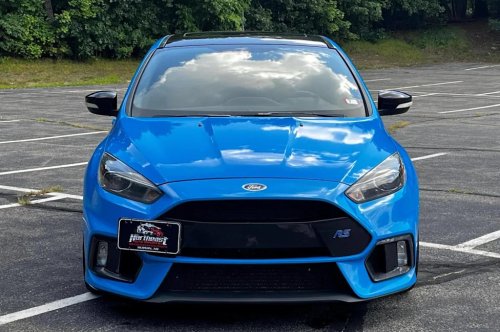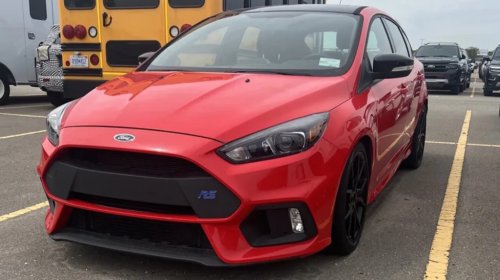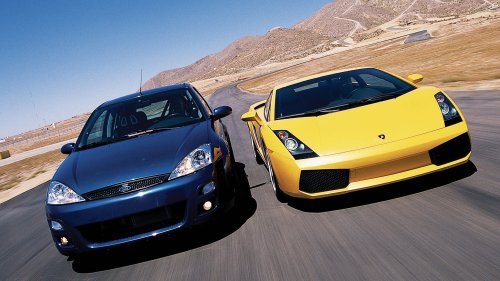


















Ford Is Recalling 255,000 Focus Models Because It Can't Prove It Actually Fixed Them in 2018Ford has had a rough run with recalls lately, but this one stands apart from the usual parade of newly discovered defects. The company is calling back more than a quarter-million Focus models, not because it found a fresh problem, but because it cannot confirm that a safety recall it issued back in October 2018 was ever finished correctly. In other words, Ford is recalling cars it already believed it had fixed.The new action, labeled 26S40, covers 255,404 Ford Focus vehicles from the 2012 through 2018 model years. Every one of them was supposedly repaired years ago under recall 18S32, known to federal regulators as NHTSA campaign 18V735. The catch is that some of those cars were marked in Ford's records as having received the required Powertrain Control Module software update when the correct software may never have actually made it onto the vehicle. If that is true, the defect those owners thought was handled has been sitting there the whole time.What the Original Defect Actually DoesTo understand why this matters, you have to go back to what 18S32 was meant to address in the first place. The trouble centers on the canister purge valve, a small component that can stick in the open position. When that happens, it can pull excessive vacuum into the fuel system, and over time that vacuum can warp the Focus's plastic fuel tank. A misshapen fuel tank is not a cosmetic nuisance.AdvertisementAdvertisementThe symptoms that follow run from annoying to genuinely dangerous. Owners can see a check-engine light, get inaccurate fuel gauge readings, and watch their distance-to-empty estimate give them numbers that do not reflect reality. There can be drivability problems too. And in the worst situations, the engine can stall outright. The fix for all of this was a software update rather than a hardware swap, which makes the next part of the story especially frustrating.A Software Audit Exposed the GapHere's the part that should make Focus owners uneasy. Ford only caught this because of an internal software audit. Late in 2024, the company found a discrepancy between what its records claimed about a vehicle's software and what was actually installed on the car. The two did not always match.According to documents filed with NHTSA, Ford traced the inconsistency to the handoff between two of its own service tools. As it moved from the older IDS system to the newer FDRS platform, some recall repairs appear to have been closed out in the records even though the intended software was never successfully loaded onto the vehicle. So the paperwork said the job was done while the car never got the update it needed. That is a process failure, not a parts failure, and it is the kind of thing that erodes trust faster than any single broken component.More Than a Year of DiggingThis was not a quick discovery and disclosure. Ford spent more than a year combing through records and auditing vehicles that had been repaired under various software recalls. By April 2026, its Critical Concern Review Group reached the uncomfortable conclusion that some recall remedies may not have actually been applied despite being logged as complete.AdvertisementAdvertisementFrom there the company moved to verify the situation car by car, running a VIN-by-VIN check to figure out which vehicles were genuinely repaired and which only looked that way on paper. That verification effort led to a new field action, which Ford formally approved on June 2, 2026. The timeline tells you this was a substantial cleanup, not a minor clerical correction.What Owners Have to Do NowFor the affected drivers, the remedy is the same kind of trip many of them probably thought they already made. Owners will need to bring their Focus back to a Ford or Lincoln dealer, where technicians will update the PCM software and, this time, verify that the correct software package is actually installed before the recall is closed out. The repair will be done free of charge.That free fix is the right call, but it does not erase the bigger issue hanging over this recall. If a major automaker can mark hundreds of thousands of safety repairs as complete when the work may never have happened, the obvious question is how many other campaigns across the industry carry the same hidden gap. A recall is only as good as the repair behind it, and for 255,404 Focus owners, the repair they counted on may have existed only as a checkbox. The cars are getting a second chance at a real fix. Whether the systems that let this slip get fixed too is the part worth watching.SourceJoin our Newsletter, follow our Instagram page, and connect with us on Facebook.