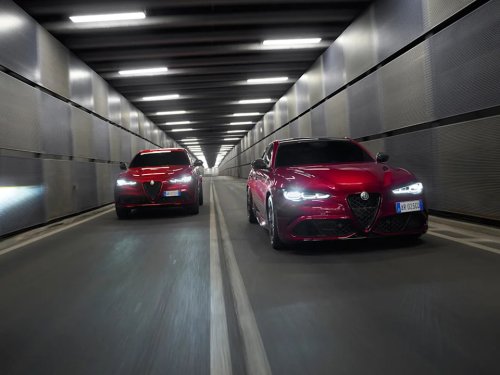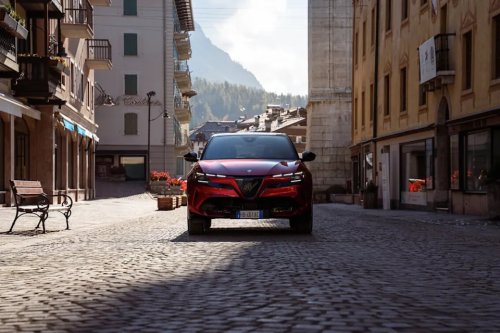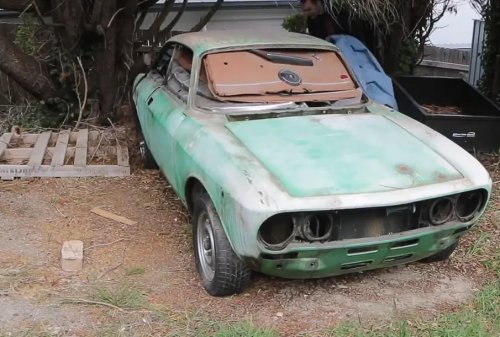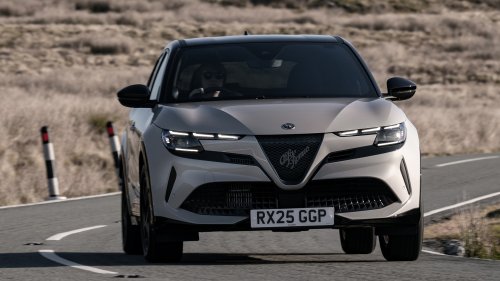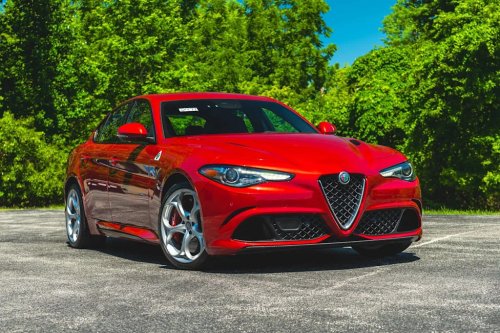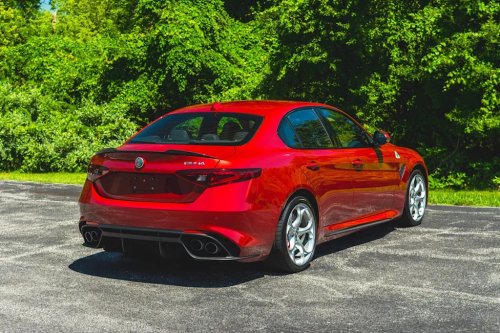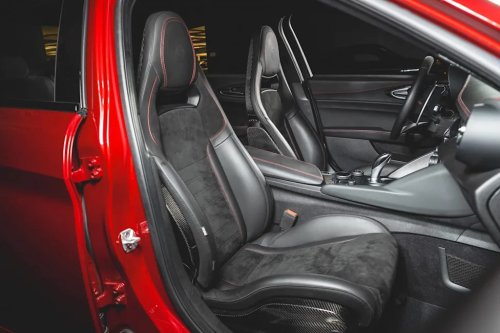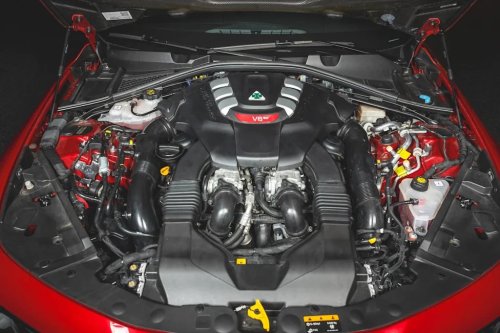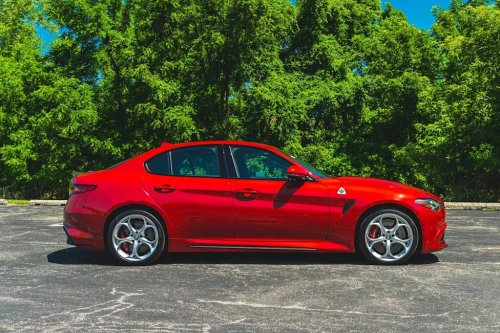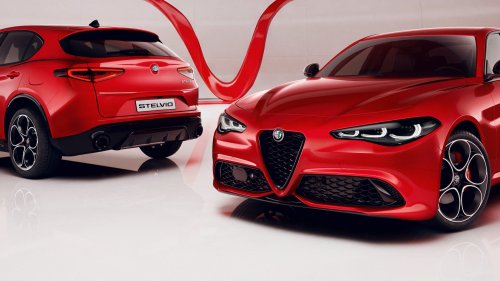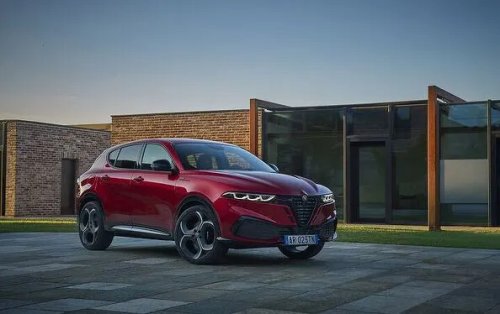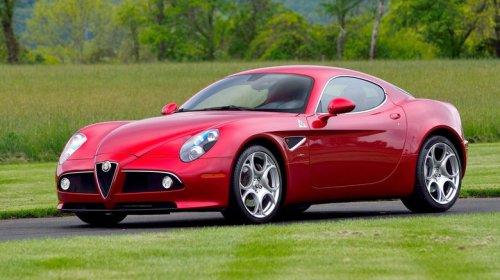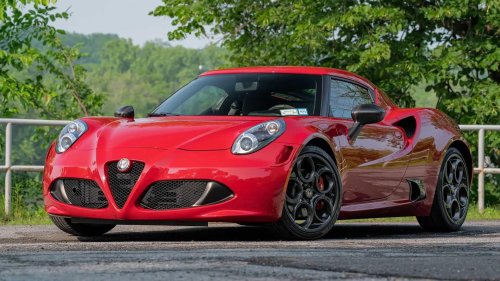
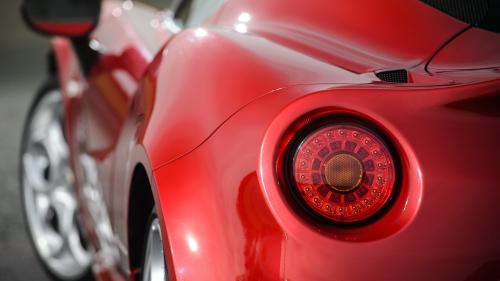
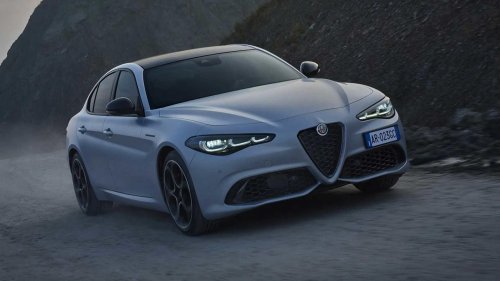
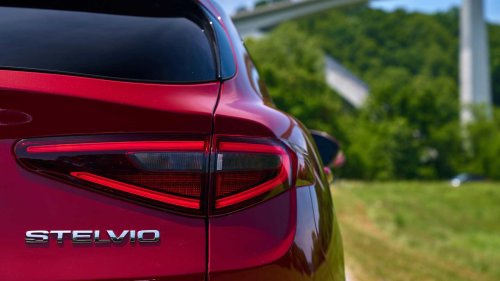
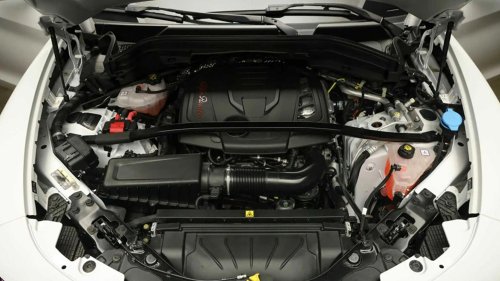
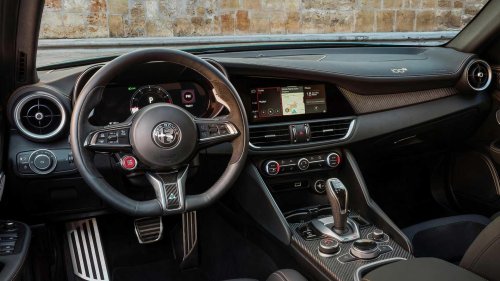



















No, it’s not a trick. And it’s not a ploy to follow the words of Jeremy Clarkson and claim you’re not ‘a real car enthusiast’ unless you’ve owned an Alfa Romeo. We just happen to know which engine isn’t going to maroon you on your Sunday drive. That’s not a breakdown, that’s the car showing you the perfect spot for a scenic picnic. What? It’s Italian!There is some truth to the Alfa parables. Cautionary tales, they might be, but not illustrative of the elaborate landscape of ownership that an Alfa unlocks for passionate enthusiasts. Nearly all of Alfa’s models—both new and old—are denoted for heady driving pleasure and equally stimulating discussions of reliability. As for modern Alfas, the engine that won’t smack you with your own purse is the 2.0-liter turbocharged four-cylinder, especially in the Giulia. Alfa's Modern Reputation Bring a TrailerBoth current and recovering owners will speak volumes about their experiences on the road and in the shop. Repairs are a necessary evil for any vehicle. Alfa Romeo became the victim of harsh criticism when the brand returned to the US in 2014 after going dormant for two decades. We watched with bated breath as Alfa sketched and produced stunning cars for their price points. Models like the Brera and 159 were forbidden fruit, and the Maserati GranTurismo-based 8C was the epitome of Italian design for the 2000s. We wanted Alfa to show some amore here, which came via the small, sexy 4C.Alfa Romeo The first Alfa Romeo to go on sale in the US since Bill Clinton was president and grunge went from a subgenre of alternative music to a fashion style, was the two-seat carbon-fiber-tubbed 4C. The 4C fell into the small mid-engine sub category of sports cars where the Lotus Evora and Porsche Boxster lived. Despite being an amazing car to drive and looking like a pint-sized exotic supercar, the 4C’s early days were shrouded in beggarly reliability. Owners were advised to bring their 4C back to the dealer every 12,000 miles for “bolt tightening,” which surprisingly was not a hazing for first-time Italian sports car owners. The oddball service requirements became synonymous with the brand’s modern offerings, along with tales from owners of Spiders, Giuliettas, and other older Alfas.Alfa RomeoOnce the Giulia arrived for the 2017 model year, the dark clouds of doubt formed overhead with constant mentions of shotty dependability. These claims were casually shrugged off with “it’s Italian!” to save it from further discreditation, but the forecasting proved unerring for the first couple years of both four-cylinder and V6 Giulia models. The Quadrifoglio’s twin-turbocharged 2.9-liter was carved from a Ferrari V8 and had some struggles until its departure in 2024. Most all Alfa Romeo models on sale in the US today receive moderate ratings from CarEdge. The Good Years: 2018 And Up Alfa Romeo Alfa’s About-Face The Giulia’s first year of its American holiday was a learning experience with many cars needing to be serviced early on. For 2018, the truth of the matter was far better than what was still being said about the brand. The Giulia and Stelvio that packed Fiat Chrysler’s Global Medium Engine (GME) became vastly more reliable while the V6 Quadrifoglio’s repair list was shortened to the lengths of popular German sport sedans and SUVs. That engine, after all, is bespoke to QF models and is still a Ferrari engine sans two cylinders. FCA’s 2.0-liter Turbo-Four Unlike the Quadrifoglio’s re-milled Ferrari engine, the 2.0-liter turbo tucked in the Giulia and Stelvio is a more widespread engine found in many Stellantis vehicles. The precursor to the current lineup of Hurricane powertrains, the GME was developed globally for Alfa Romeo, Maserati, Jeep, Dodge, and even Ram. This means parts are plentiful and maintenance isn’t as complicated as the mini-Ferrari motor. Good for 208 horsepower and 306 lb-ft. of torque, the GME four-cylinder in the Alfa still provides great dynamics with an eight-speed automatic and a curb weight of 3521 lbs. Yes, fun can still be had in an Alfa without the V6. And it won’t drain your wallet like early QF’s high-maintenance personality. Comparative Reliability Most Alfa forums, including our own discussion thread, have pointed out the truth of ownership as far from what people assume owning one is like. Granted, most discussions include downplaying “what everyone says about Alfa Romeo,” but no one is actively claiming they are unreliable in 2026. Hunting for poor reviews like you need a reason not to buy one won’t prove effective today as many are quick to defend the 2.0-liter for decent reliability. In 2023, Alfa Romeo ranked third in a JD Power initial quality study with 143 problems reported per 100 cars. Porsche was second amongst the premium brands with 167 reported problems and Cadillac third with 170 reported problems. Expected Issues Bring a TrailerJust like claiming its port of call to dismiss issues, the Giulia is no Camry. Problems across all modern Alfas include a slew of electrical niggles and error codes that flash across the dash. We took a deep-dive into Alfa Romeo repair costs and discovered that the brand is on par if not better than the average cost of ownership over ten years across the industry. All three models currently on sale in the US fared well against the average, even the newest Tonale compact crossover slots in below the industry average by a few thousand dollars. The most expensive Alfa to maintain is the Stelvio, but even it still beats the industry average by three grand. As for the Giulia, it scores $2500 under the average and even boasts a 20% chance of needing a major service or repair. That’s roughly 9% better than the average. Should You Trust an Alfa? Alfa RomeoAbsolutely. Using our newfound knowledge and cross-referencing the hours of footage on YouTube of owners discussing their experiences, we can debunk the strawman reliability qualms mentioned by all owners. I lost count of how many times I heard “people say…” followed by some comment on poor reliability. Owners are faithful scribes of Alfa’s second coming and are quick to dismiss the slightest whisper of suspected reliability issues mentioned by, well, actually, no-one at the moment.We thought the lack of a manual in the US was slightly amiss for a brand which heavily invests in its public perception of building cars that evoke the senses. At the same time, we criticized its very gear lever for looking like it was plucked from the Dodge Dart. Jay Traugott reviewed the first Giulia QF for CarBuzz and shamelessly admitted it turned him into a budding Alfaholic. Oh dear, I wonder if he knew about the ‘77 Spider that never started on Wednesdays.If a new Alfa has found its way onto the shortlist for your next car, it's likely to be bookended by others in the same segment with similar ownership costs. The sob stories that people had with older Alfas shouldn’t scare you even if they do arise. The Ford Pinto used to explode when it was hit from behind, or when you sneezed, but that doesn’t stop hundreds of thousands of people from buying F-150 pickups every year. As for Alfa Romeo, there’s a fleet of disciples clacking away on keyboards to spray water on a house they say others have lit fire to. From our vantage point, the fire seems to have been contained.