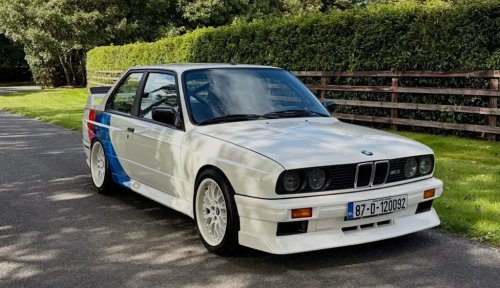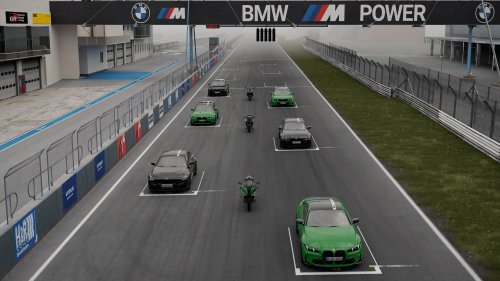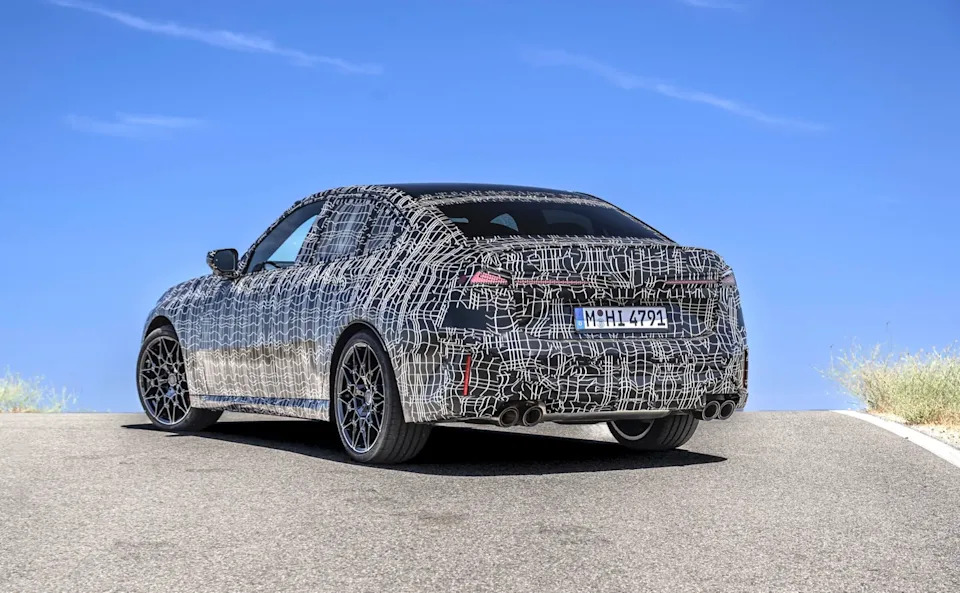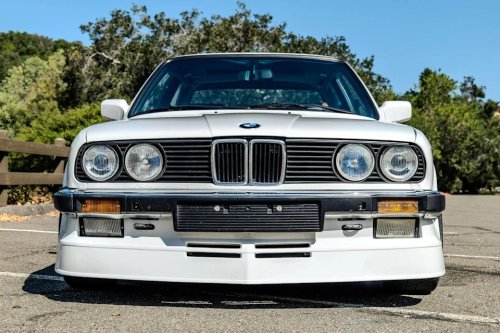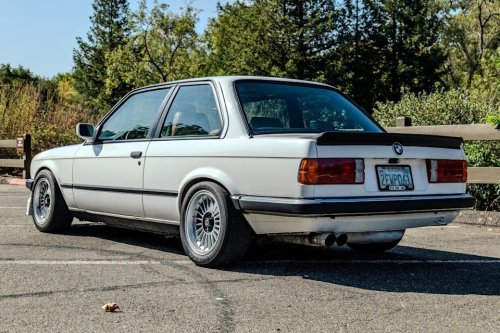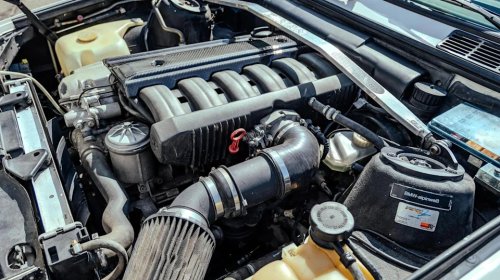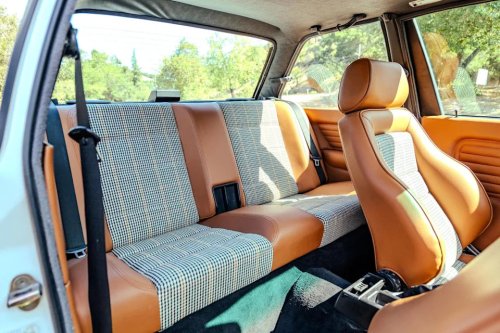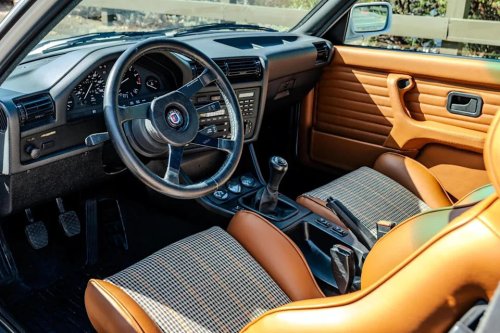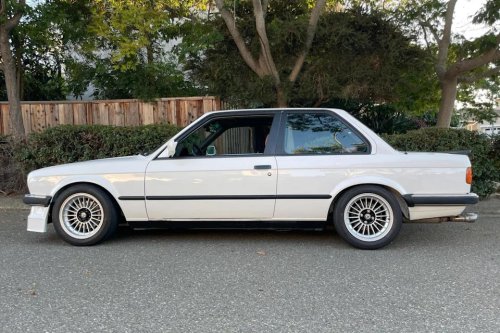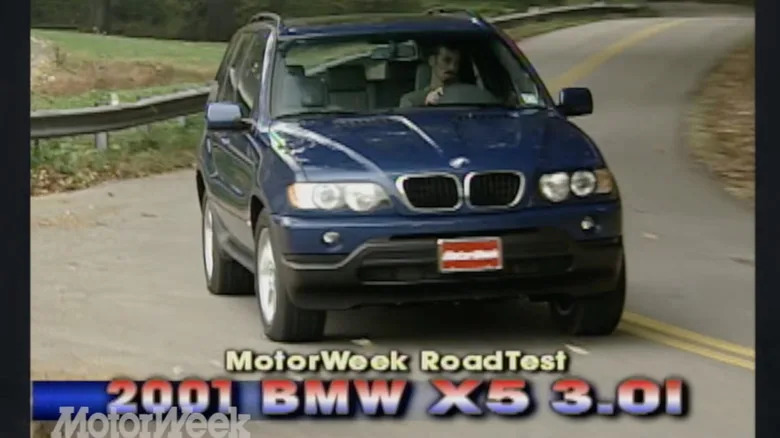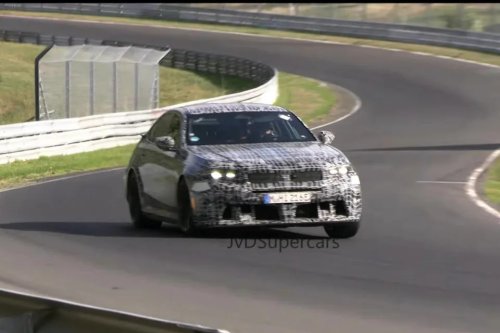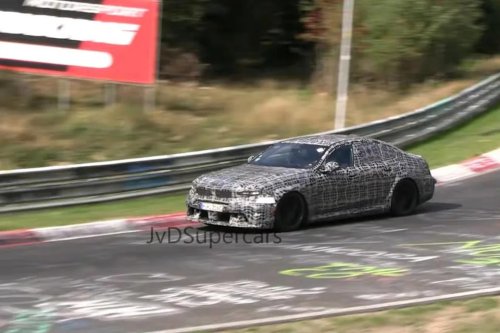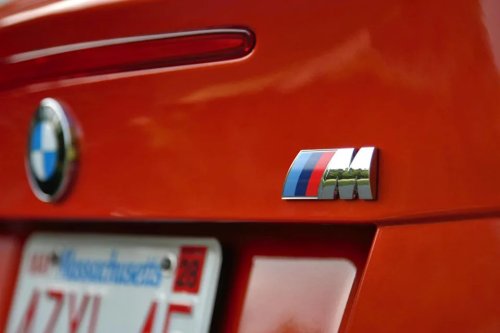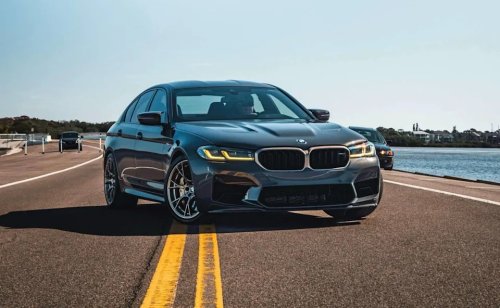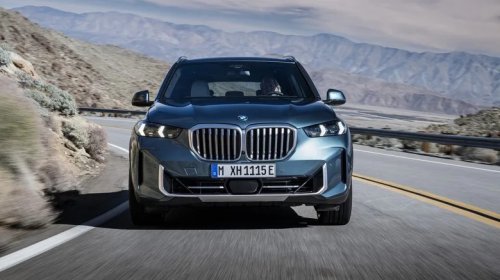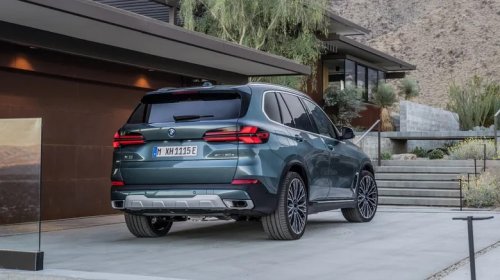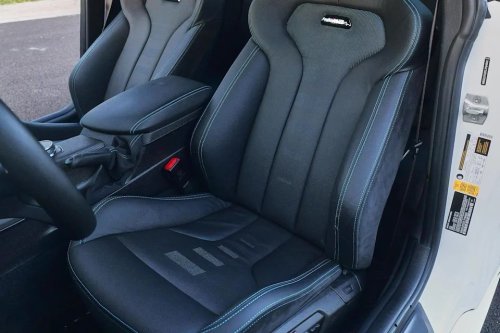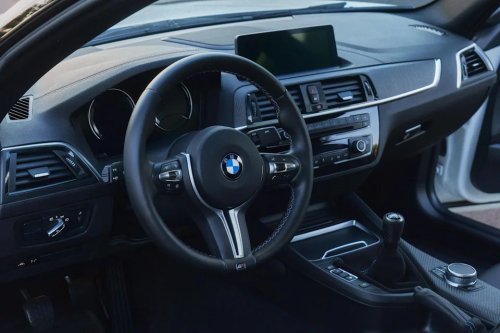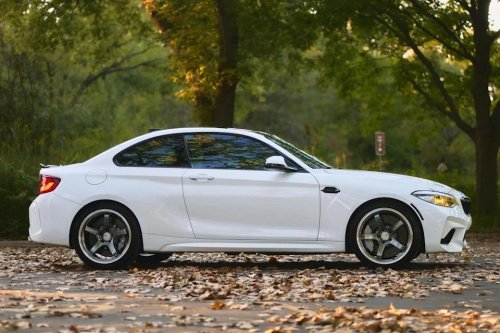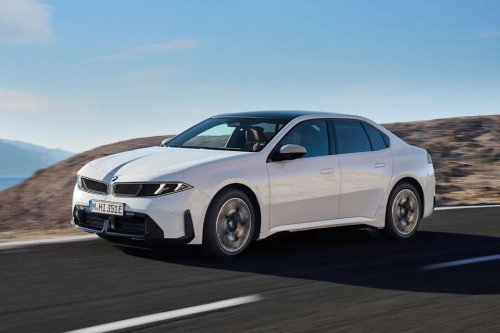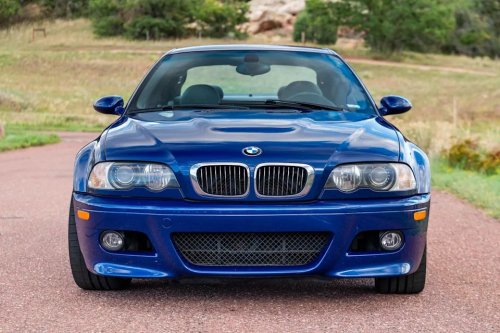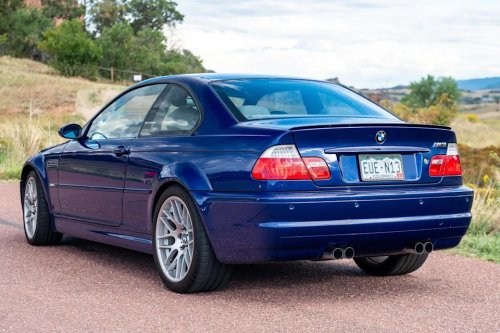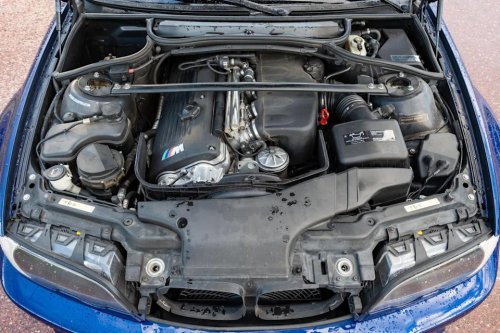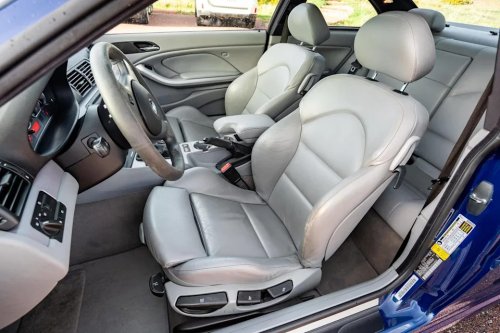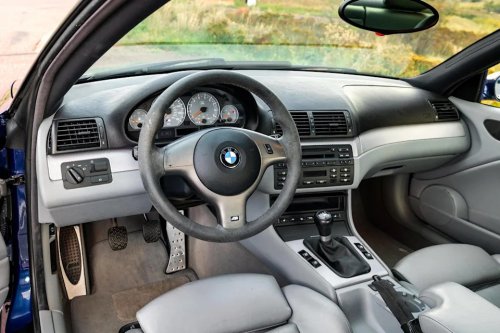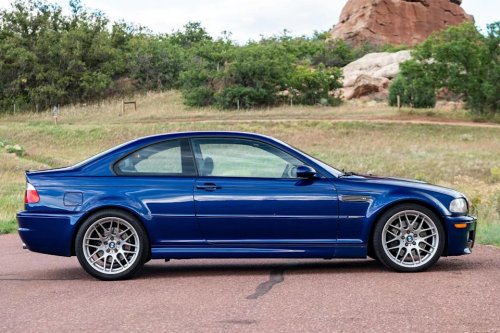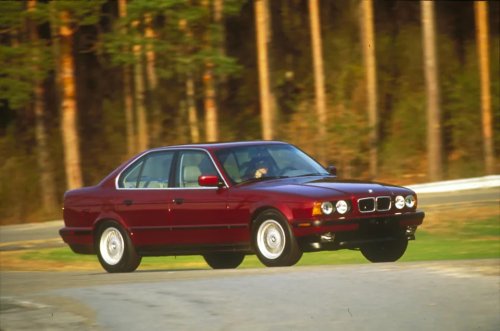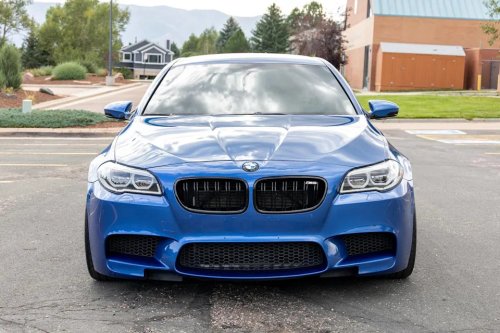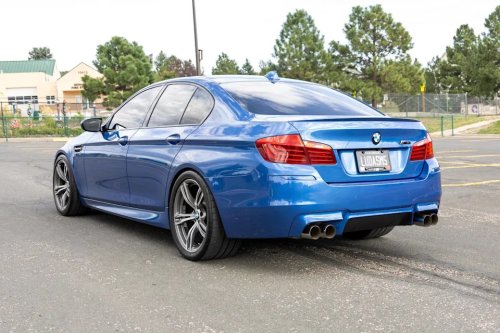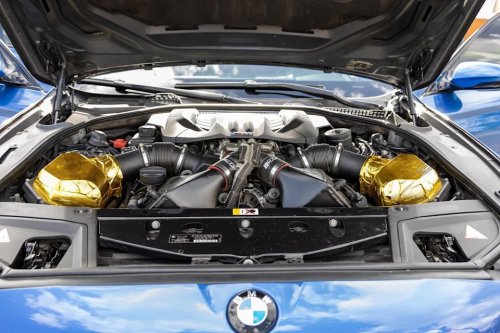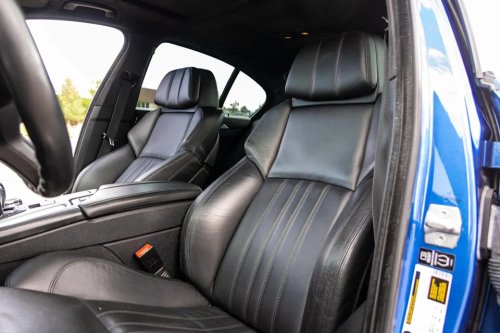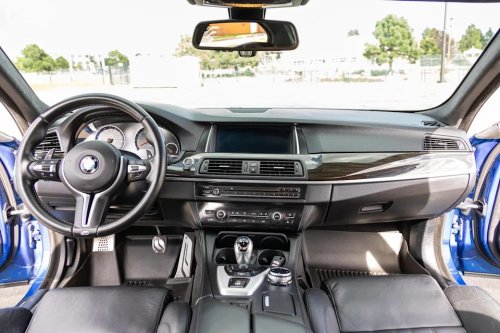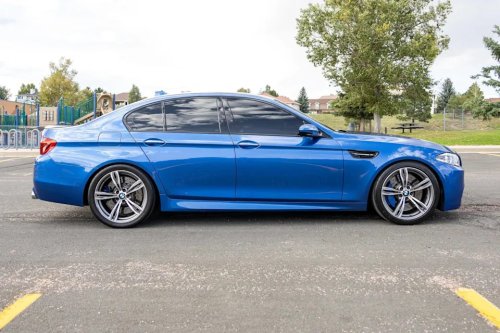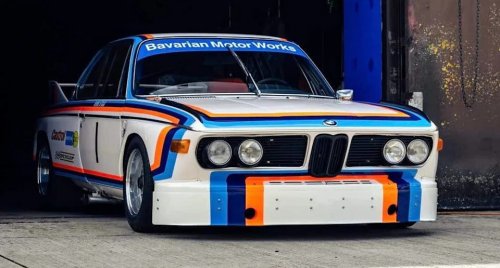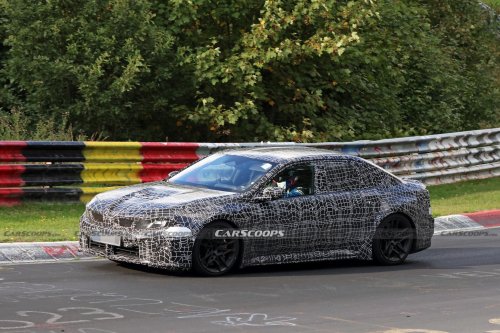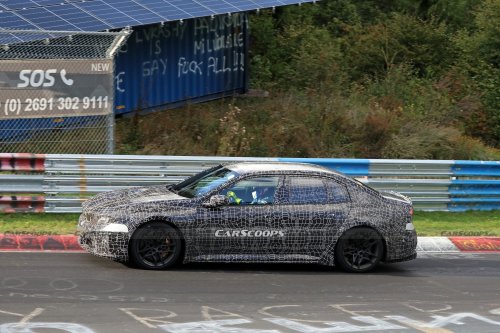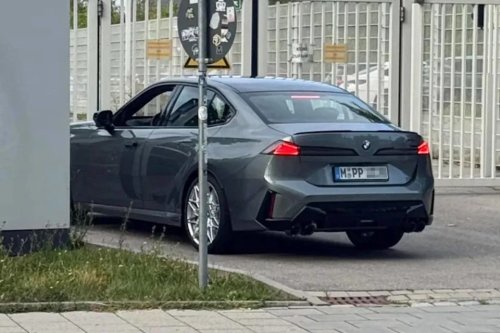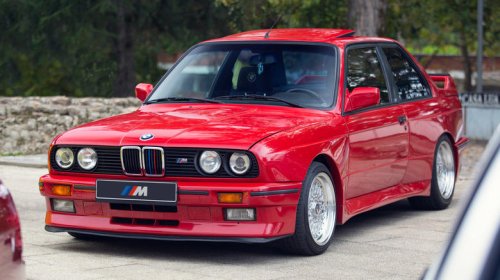
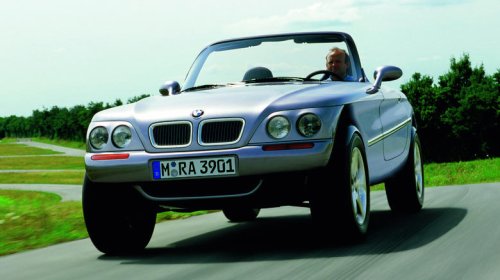
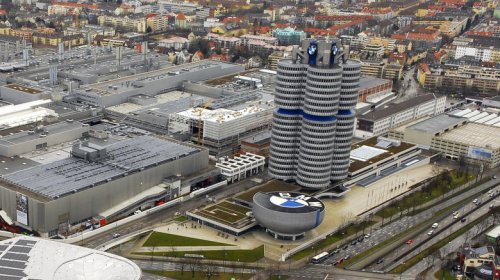
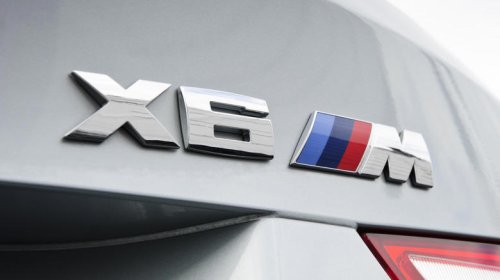


















The BMW M3 was originally designed as a Group A homologation specialThe BMW M3 is today one of the brand's best-known models, widely considered the benchmark in its segment against which all challengers are measured. However, it wasn't originally envisioned to be so influential to BMW's history. Rather, the first E30 M3 was built as a homologation requirement to allow BMW to enter Group A racing in the DTM championship. To qualify, a minimum of 5,000 examples had to be built over a 12-month period, but to BMW's surprise, demand for this new racing-derived 3 Series quickly outpaced supply.Its response was to increase production numbers, and eventually, a total of 18,000 examples were sold before a second-generation M3 was unveiled based on the E36 3 Series. Across that run, various special editions of the car were unveiled, with the M3 Sport Evolution being the most powerful. It produced 238 horsepower from its 2.5L naturally aspirated four-cylinder, up from the 200 horsepower on offer from the 2.3L unit in the standard M3. In total, just 600 examples of the M3 Sport Evolution were sold, making them sought-after collectors' grails today.BMW once built a prototype off-road sports carThe Z1, Z3, Z4, and Z8 remain the only Z-branded BMWs to make it to production, but there is a surprisingly large range of prototype Z cars that never made the cut. The Z13, for example, was a design study featuring a McLaren F1-style central driving position. The Z21 was closer in design to a Caterham than anything that had previously emerged from the Bavarian manufacturer. One of the strangest of all was the Z18, which BMW referred to as the "first off-road roadster."Unveiled in 1995, the Z18 holds the distinction of being the brand's first 4x4. Despite its high riding position and chunky tires, the family connection to BMW's existing Z cars is clear — it looks like a proper BMW sports car, just one built for the dirt rather than the road. The interior was waterproof, and the body panels were made of plastic so they could be cheaply replaced if they got scratched or cracked while on the trail. It was deemed too strange to ever be seriously considered for production, but its V8 engine was reportedly eventually used in the production X5.BMW headquarters is shaped like a four-cylinder engineAt the start of the '60s, BMW was still a fairly small automaker. However, by the end of the decade, its production figures had increased drastically, which pushed its existing facilities to breaking point. To keep up with the demand for its cars, BMW needed to expand, and fast. New factory facilities were built or acquired from other companies, but the brand still didn't have anywhere to put its office staff, instead housing them in rented offices around Munich. This quickly proved to be a very inefficient way to run the company. After soliciting ideas from architects for a new headquarters, BMW signed off on an ambitious design by Vienna-based Karl Schwanzer in 1968.The design, of four cylindrical towers linked by a central connector, was created to resemble a four-cylinder engine while providing an innovative way to ensure each open-plan office received maximum sunlight and ventilation. Rather than being built from the ground up, it was built as the world's tallest suspended building at the time. Four supporting arms were built to hold up the towers, each protruding from the central core. That allowed the upper floors of the building to be constructed first, then slowly hauled upwards while the lower floors were simultaneously built underneath. Construction of the tower was finished in 1973, and aside from an interior refit in the mid-'00s, it has remained unchanged ever since.BMW's M logo was reportedly the result of a canceled Texaco sponsorshipThe BMW M logo with its tricolor stripe is one of the most distinctive motifs in the car world, but its origins can be traced back to an aborted sponsorship deal in the '70s. That's the opinion of BMW Group Classic historian Marc Thiesbürger, who studied material from the brand's archives to investigate the story behind the design. When BMW M was founded as the automaker's dedicated motorsports division, bosses were in talks to close a major sponsorship deal from Texaco, which would see the oil giant's logo incorporated into the M team's livery.Drawings from the era showed that team bosses had already begun designing the liveries that a Texaco-sponsored M car would use, and reportedly chose three colors to signify the partnership. A blue stripe would represent the colors of Bavaria, already in use on the BMW logo, a red stripe would represent Texaco, and a central violet stripe would represent the mix of the two brands.Texaco reportedly pulled out of the sponsorship deal at the end of 1972, but BMW M bosses chose to stick with the color scheme. An alternative reasoning was later given for the color choice: the red stripe represented motorsport, with violet now representing the mix of BMW and motorsport. Not everyone within BMW agrees with this story, and multiple designers and executives later claimed responsibility for the iconic palate.