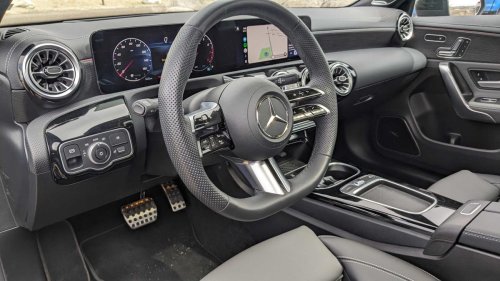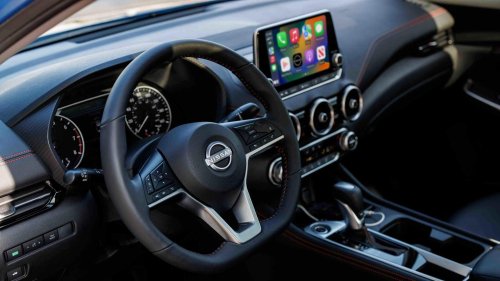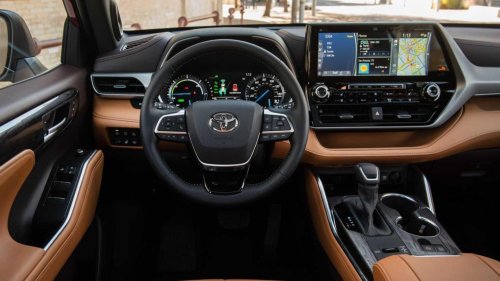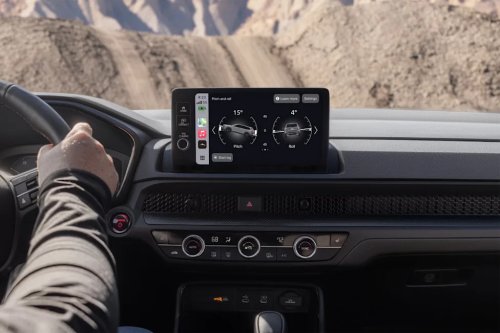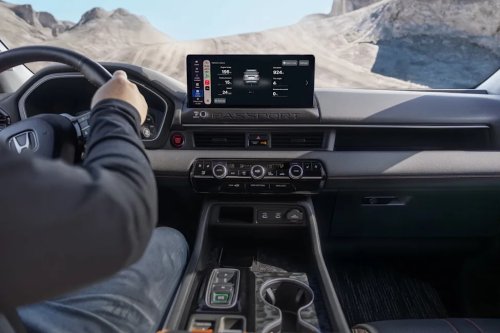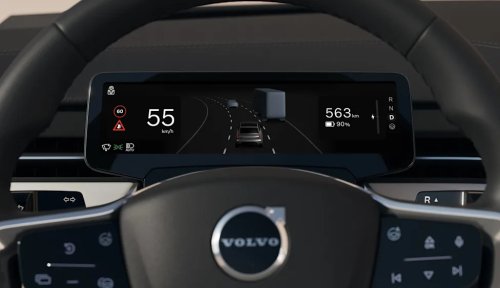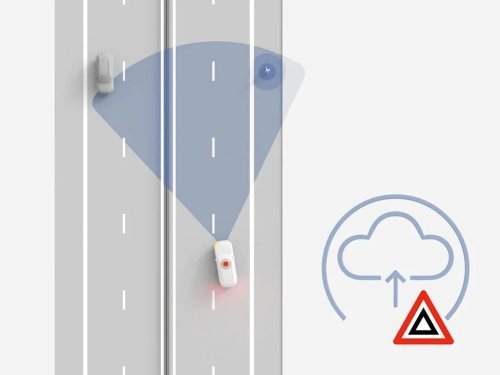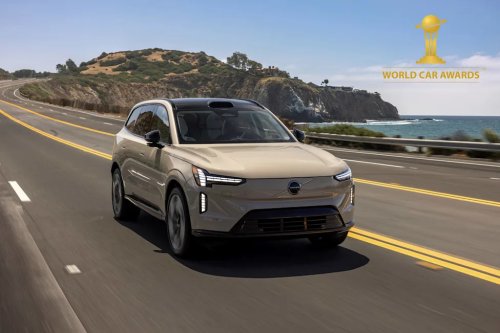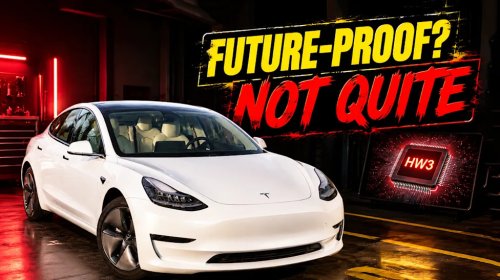
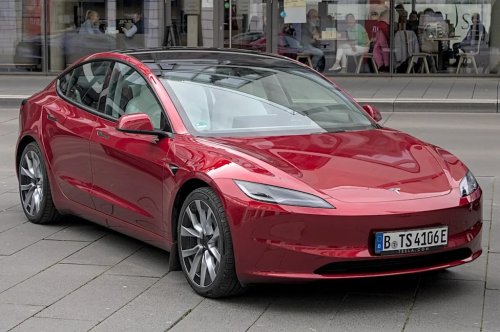
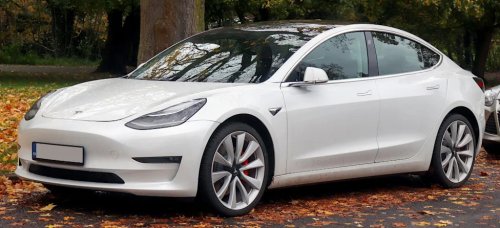
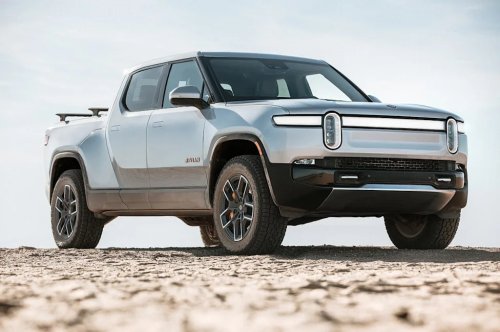





















Image: Gadget ReviewThe average age of vehicles on U.S. roads has steadily climbed to 12.8 years, forcing a reckoning for modern cars that behave more like smartphones than their mechanical ancestors. Every device in daily life gets retired long before its fifth birthday, yet cars are expected to keep running for over a decade. The shift to software-defined vehicles (SDVs) transforms rides into rolling computers receiving significant updates over the air—performance improvements, new features, and critical safety fixes downloaded directly to garages. This revolution has delivered genuine wins and spectacular stumbles.10. Tesla Model 3 Braking ImprovementImage: By Alexander-93 – Own work, CC BY-SA 4.0, https://commons.wikimedia.org/w/index.php?curid=147982973A software patch transformed a safety liability into a Consumer Reports darling overnight.In May 2018, Consumer Reports declined to recommend the Model 3, citing inconsistent emergency braking distances. From 60 mph, the car took about 152 feet to stop—a tangible safety concern that needed swift resolution. Tesla pushed an over-the-air software update that recalibrated the anti-lock braking system. Retesting showed dramatic improvement, with the Model 3 stopping in 133 feet, roughly 19 feet shorter. Consumer Reports subsequently changed its rating to 'Recommended', showcasing how software-defined vehicles can resolve critical issues remotely without dealer visits.9. Tesla Hardware 3 (HW3) LimitationsImage: By Vauxford – Own work, CC BY-SA 4.0, https://commons.wikimedia.org/w/index.php?curid=83930074Early FSD buyers learned their "future-proof" hardware had an expiration date.AdvertisementAdvertisementOn Tesla's Q1 2026 earnings call, Elon Musk stated, "Hardware 3 simply does not have the capability to achieve unsupervised FSD." This reversed earlier assurances that Hardware 3 (HW3), introduced around 2019 with custom chips, possessed all necessary hardware for full self-driving. Early FSD purchasers now find their cars still demand constant supervision, grappling with the gap between prior claims and current reality.The current FSD (Supervised) v14 Lite, rolled out to HW3 cars, functions as an enhanced Level 2 driver-assistance package requiring vigilant oversight. Tesla plans a hardware retrofit program for qualifying HW3 owners, offering new computers and upgraded cameras—or discounted trade-ins. This highlights the friction of supporting legacy hardware in vehicles expected to last over a decade.8. Rivian Over-the-Air UpdatesImage: By Photo by Rivian – Courtesy of Rivian, CC BY-SA 4.0, https://commons.wikimedia.org/w/index.php?curid=110148485Download new drive modes like installing apps, transforming capability without visiting a service center.Rivian executives publicly state they can "update the entire brain of the car," and the R1T and R1S prove it. These electric trucks operate as software-defined vehicles with central electronic architecture allowing extensive over-the-air updates. Owners can download new drive modes for specific terrain or weather, effectively giving vehicles fresh skills. Someone planning a weekend mountain trip might download an optimized off-road mode days before departure.AdvertisementAdvertisementBeyond basic functionality, these updates improve ride quality through revised suspension tuning and refine powertrain controls for better efficiency. Continuous software enhancement transforms ownership, proving vehicles can evolve long after leaving the factory floor. Rivian relies on company-owned service centers, a mobile service fleet, and certified third-party repair shops—a different approach from legacy franchised dealer models.7. Average Age of U.S. VehiclesImage: UnsplashCars are lasting nearly 13 years, forcing manufacturers to rethink short-term tech lifecycles.The average age of vehicles on U.S. roads hit 12.7 years in 2024 according to CCC Intelligent Solutions, with S&P Global Mobility citing 12.8 years for U.S. passenger vehicles in 2025. Projections suggest this number will approach 13 years by 2026, a record-breaking stretch redefining "long-term relationship" with rides. Cars today are built more durable, and new purchase prices keep many buyers holding onto aging vehicles.This trend forces a crucial question for software-defined vehicles: How do manufacturers offer reliable software support and security updates for cars that are rolling computers running well past typical tech gadget lifespans? Platforms that launched in 2019 might still need critical patches in 2032, challenging the very notion of planned obsolescence in an automotive world built for the long haul.6. The Right to Repair MovementImage: UnsplashConsumer sovereignty battles manufacturers' tight grip on diagnostic tools and repair information.AdvertisementAdvertisementThe right to repair movement advocates for consumers' and independent technicians' ability to access tools, parts, and diagnostic information needed to repair products they own. This fight spans consumer electronics to farm equipment and vehicles driven daily. Automakers often restrict access to crucial onboard diagnostic data, making it difficult to reset service indicators or ensure replacement parts are compatible.Several states across the U.S. have proposed or passed right-to-repair legislation, challenging manufacturers' control. This centers on consumer sovereignty—being able to fix what's owned without forced reliance on authorized service channels. The movement reshapes who controls gadgets and vehicles long after purchase, particularly crucial as cars become increasingly software-dependent.5. Toyota Pickups: Million-Mile LongevityImage: UnsplashSimple mechanical designs outlast complex digital systems by orders of magnitude.Numerous documented cases show Toyota pickups, particularly the Hilux and older Tacoma models, reaching or exceeding one million miles with appropriate maintenance. These trucks achieved legendary longevity through relatively simple mechanical designs in older generations. Robust, straightforward engineering proves easier to diagnose and repair than intricate electronic systems.AdvertisementAdvertisementModern software-defined vehicles, with complex electronic and software architectures, present a different picture for long-term reliability. Hardware obsolescence, discontinued software support, and proprietary diagnostic requirements create maintenance barriers unknown to simpler mechanical designs. Whether highly computerized cars can match real-world, million-mile performance remains an open question as the first generation of SDVs ages into second and third ownership cycles.4. The Software-Defined Vehicle (SDV) ConceptImage: UnsplashCentralized software architecture transforms cars from static purchases into evolving platforms.A software-defined vehicle (SDV) is fundamentally a car whose primary functions are controlled by centralized software running on powerful onboard computers. This architecture allows automakers to push new features, performance tweaks, and safety improvements over the air. Vehicles are no longer stuck in amber the day of purchase; they evolve continuously. Brands like Tesla and Rivian exemplify this, keeping cars fresh for 7-10 years or more.Drivers might discover overnight updates unlocking new drive modes or improving efficiency. Continuous refinement means buying not just a car but subscribing to its evolution. SDVs blur the line between traditional vehicles and consumer electronics, making rides more akin to smartphones with wheels. This raises questions about hardware obsolescence, support lifecycles, and how long manufacturers will maintain legacy software.3. Classic Cars vs. Future SDV ClassicsImage: UnsplashPreserving automotive heritage shifts from piston perfection to byte preservation.AdvertisementAdvertisementClassic cars traditionally derive value from mechanical craftsmanship, rarity, and cultural significance—maintained indefinitely with conventional skills and parts. Future software-defined classics like early EVs pose unique long-term maintenance challenges. Collectors eyeing older software-laden EVs confront defunct operating systems rather than carburetors.This new breed demands specialized knowledge of legacy firmware and proprietary diagnostic tools. Without that software, vehicles become expensive paperweights. Independent repair communities might emerge, akin to those keeping vintage gaming consoles alive, deciphering forgotten code. Manufacturers releasing or opening old software after support ends could enable third parties to maintain SDVs far into the future, preserving them as classics in much the same way mechanical parts catalogs support older cars today.2. AutoZone-Style Aftermarket for SoftwareImage: UnsplashIndependent companies could supply replacement software, mirroring how physical parts are sold today.The phrase "AutoZone of software" imagines a future where independent companies supply replacement and upgrade software for vehicles, addressing how software-defined vehicles (SDVs) will age beyond manufacturer support. Such an ecosystem relies on either manufacturer-released legacy software or reverse-engineered platforms. For decade-old EV owners searching for patches, this aftermarket offers a crucial lifeline.AdvertisementAdvertisementThis model ties directly into right-to-repair advocacy, ensuring vehicles averaging 12.8 years on U.S. roads maintain functionality and consumer choice. Aftermarket software could prove crucial for keeping aging cars operational once corporate priorities limit official over-the-air updates, often past their 7-10 year support window. Legal guarantees that owners and third parties can access information needed to keep products running long after manufacturers move on would enable this ecosystem.1. Rivian Service Menu and Right-to-Repair AlignmentImage: UnsplashOwner-accessible diagnostics transform vehicles into their own repair hubs.Rivian has discussed plans to unblock a service menu within vehicle software, giving owners unprecedented insight into operational status. Traditionally, vehicle diagnostics felt reserved for mechanics; now, owners get direct console access. Future software updates are intended to let owners use the in-car interface to run full diagnostic checks, view fault codes or system health, and carry out certain basic repairs or maintenance tasks themselves when feasible.This owner-accessible service functionality positions Rivian as going above and beyond minimum legal requirements, responding to concerns that heavily software-controlled EVs could lock out independent mechanics and DIY owners from meaningful repair information. Combined with company service centers, mobile service, and certified independent shops, deeper in-vehicle diagnostics makes long-term maintenance possible even as vehicles become more complex and software-centric.