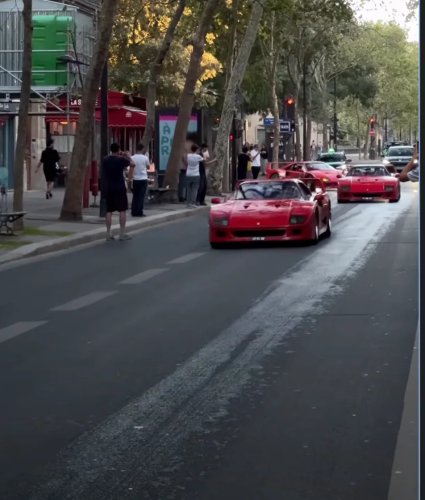
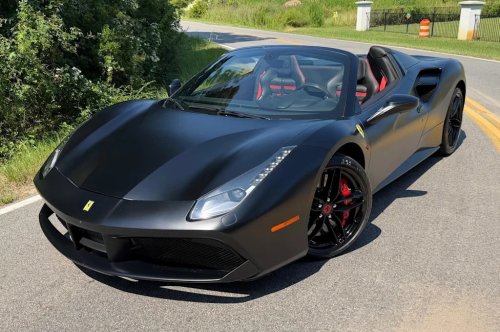
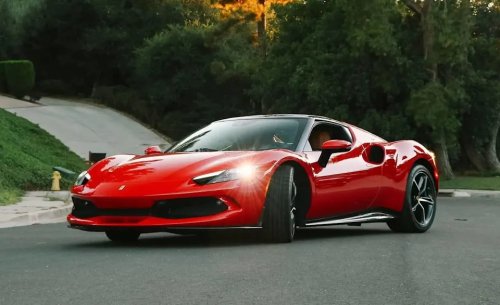
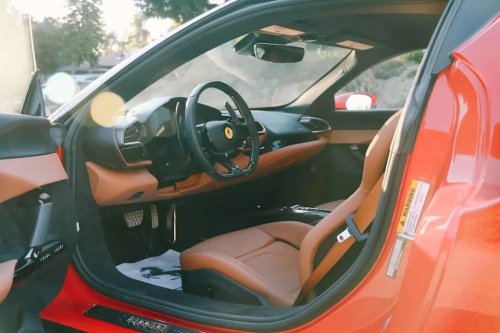
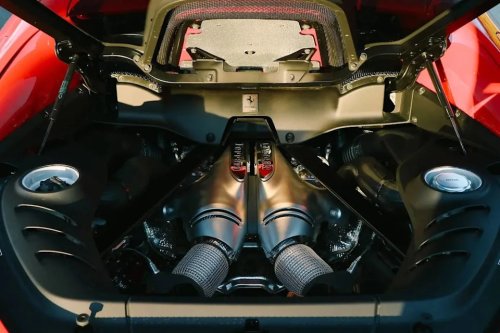
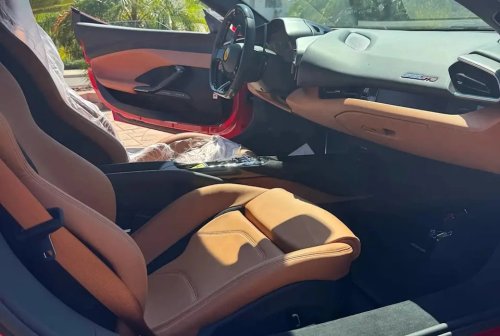
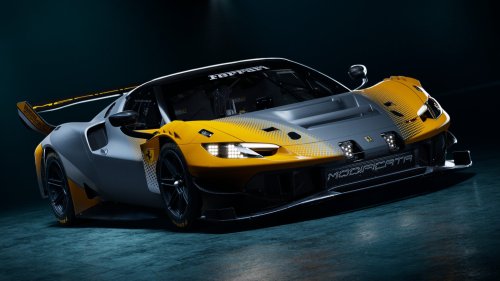
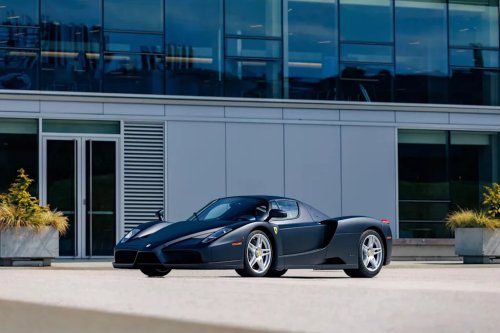
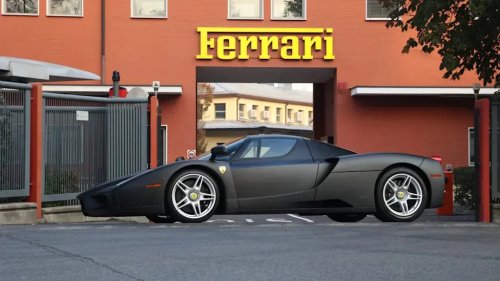
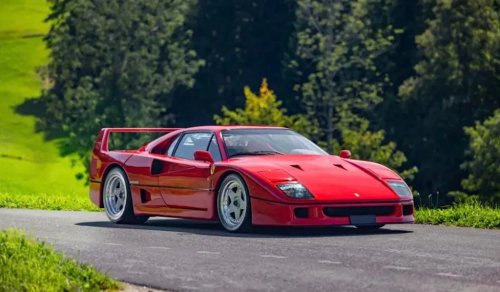
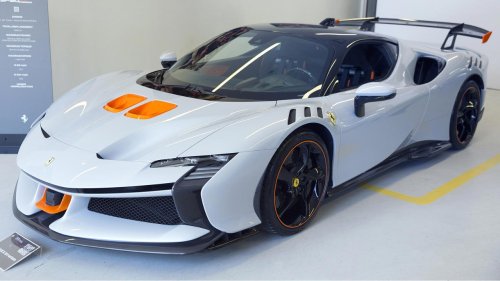
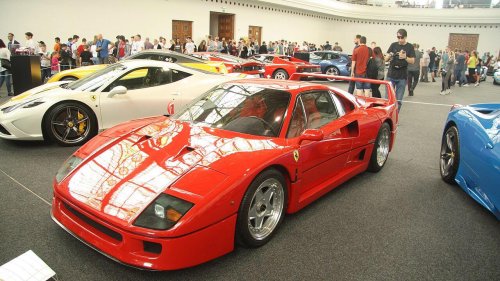
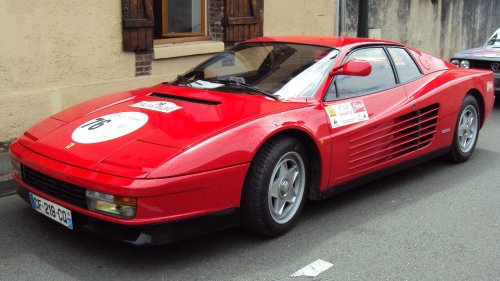
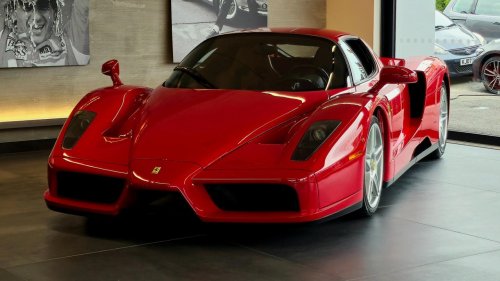
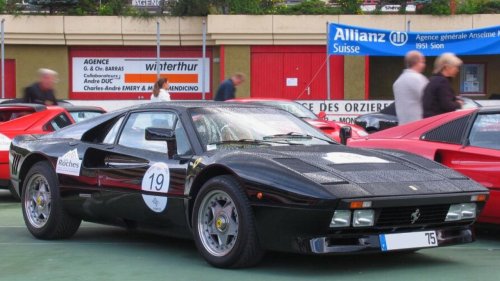
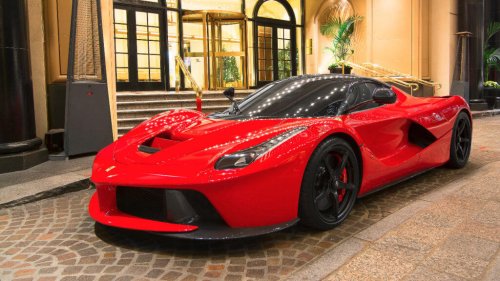
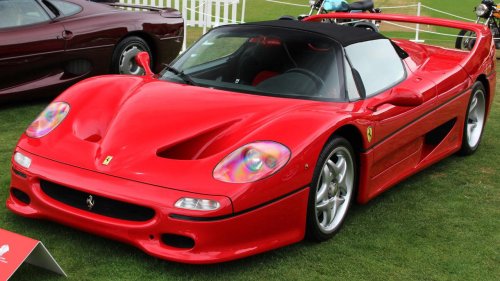
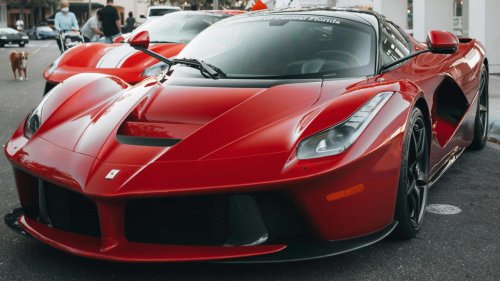
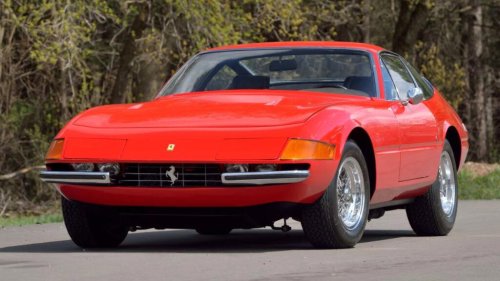
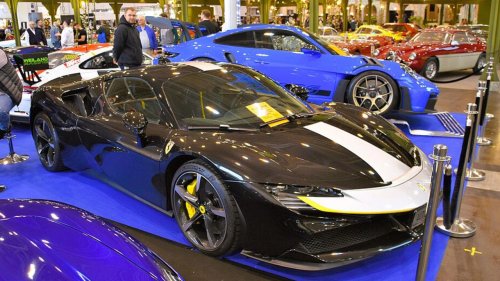
Ferrari has long mastered the art of blending outrageous design with breathtaking performance, creating cars that symbolize wealth, ambition, and unapologetic speed. Some models went beyond engineering brilliance and became cultural statements, representing an era’s definition of automotive excess. These Ferraris weren’t built to be subtle or restrained. They were created to dominate headlines, bedroom walls, and racetracks, turning the Prancing Horse into a global emblem of extravagance and velocity.Ferrari F40The Ferrari F40 stripped away luxury and focused entirely on raw, turbocharged performance, yet it became one of the most extravagant symbols of the late 1980s. Built to celebrate Ferrari’s 40th anniversary, it featured a twin-turbo V8 producing explosive power in a lightweight composite body. Its towering rear wing and aggressive vents looked unapologetically extreme. With a top speed exceeding 200 mph, it shattered expectations and cemented its place in supercar lore. The F40’s uncompromising personality turned it into both a collector obsession and a definitive icon of speed-driven excess.Ferrari TestarossaThe Ferrari Testarossa became a cultural phenomenon through its wide stance, side strakes, and flat-12 soundtrack. Designed during an era obsessed with bold statements, it embodied 1980s extravagance in every dimension. Its mid-mounted engine delivered impressive performance, while its dramatic proportions made it impossible to ignore. Celebrity ownership and television appearances amplified its status beyond racing credibility. The Testarossa symbolized success and excess, transforming Ferrari into a household name for audiences who may never have followed Formula 1 but instantly recognized its unmistakable silhouette.Ferrari EnzoNamed after the company’s founder, the Ferrari Enzo pushed early-2000s technology to extraordinary levels. Its carbon-fiber construction, Formula 1–inspired paddle shifters, and naturally aspirated V12 created a visceral driving experience. Producing over 650 horsepower, it delivered performance that rivaled dedicated race machinery. Limited production heightened exclusivity, fueling global demand and escalating resale values. The Enzo’s sharp, angular styling emphasized function over comfort, reinforcing Ferrari’s dedication to uncompromising speed. It became a rolling statement that engineering innovation and rarity could elevate excess into something approaching mechanical art.Ferrari 288 GTOThe Ferrari 288 GTO introduced twin-turbocharging to Ferrari’s road cars and set the stage for future hypercars. Originally developed for Group B racing, it featured aggressive bodywork and lightweight materials that emphasized performance intent. Its 2.8-liter V8 delivered staggering acceleration for its era, making it one of the fastest production cars of the 1980s. Limited numbers amplified its mystique. The 288 GTO symbolized a turning point, proving Ferrari could fuse racing ambition with road-going excess in a package that felt both rare and unapologetically intense.Ferrari LaFerrariThe LaFerrari combined a naturally aspirated V12 with hybrid assistance to produce nearly 950 horsepower, redefining modern hypercar performance. Its sculpted aerodynamic surfaces balanced artistry with extreme functionality. Limited production ensured exclusivity, while its technology bridged Formula 1 advancements and road car engineering. The LaFerrari represented a new era of electrified excess, proving that sustainability and staggering speed could coexist. Owners acquired more than transportation; they acquired a technological flagship that underscored Ferrari’s continued dominance in blending spectacle with measurable, record-breaking acceleration.Ferrari F50The Ferrari F50 followed the F40 with a more refined yet equally outrageous formula. Powered by a naturally aspirated V12 derived from Formula 1 technology, it delivered high-revving drama rarely matched on public roads. Its removable roof panel and exposed carbon fiber highlighted a raw, race-focused aesthetic. Limited production enhanced desirability despite initial criticism. Over time, the F50’s purity and mechanical intensity reshaped public perception. It now stands as a symbol of 1990s supercar ambition, where exclusivity and engineering bravado defined the pinnacle of automotive excess.Ferrari 458 ItaliaThe Ferrari 458 Italia blended elegant design with razor-sharp responsiveness, creating one of the most celebrated V8 Ferraris in history. Its naturally aspirated 4.5-liter engine revved beyond 9,000 rpm, delivering immediate throttle response and an unforgettable soundtrack. Advanced aerodynamics enhanced both stability and visual drama. The 458 became a benchmark for modern supercars, praised for balancing usability with breathtaking speed. It symbolized contemporary Ferrari excess by proving that daily drivability and track-level performance could coexist without diluting the emotional intensity expected from the brand.Ferrari DaytonaOfficially known as the 365 GTB/4, the Ferrari Daytona represented grand touring excess during the late 1960s and early 1970s. Its front-mounted V12 delivered impressive high-speed capability, challenging mid-engine rivals of the era. The long hood and sharp rear profile exuded authority and confidence. It became associated with wealth, glamour, and international racing success. The Daytona symbolized Ferrari’s ability to blend refinement with staggering straight-line speed, reinforcing the idea that performance and prestige could thrive together in a single, unmistakable machine.Ferrari SF90 StradaleThe Ferrari SF90 Stradale marked a dramatic technological leap with its plug-in hybrid system producing nearly 1,000 horsepower. Three electric motors complemented a twin-turbo V8, delivering instant torque and all-wheel-drive capability. Its futuristic interior and aerodynamic bodywork underscored a new era of high-tech extravagance. Despite electrification, it retained Ferrari’s unmistakable aggression and speed focus. The SF90 became a symbol of modern excess by proving that cutting-edge sustainability measures could amplify, rather than dilute, the relentless pursuit of performance that defines the Prancing Horse legacy.

















 +13 others