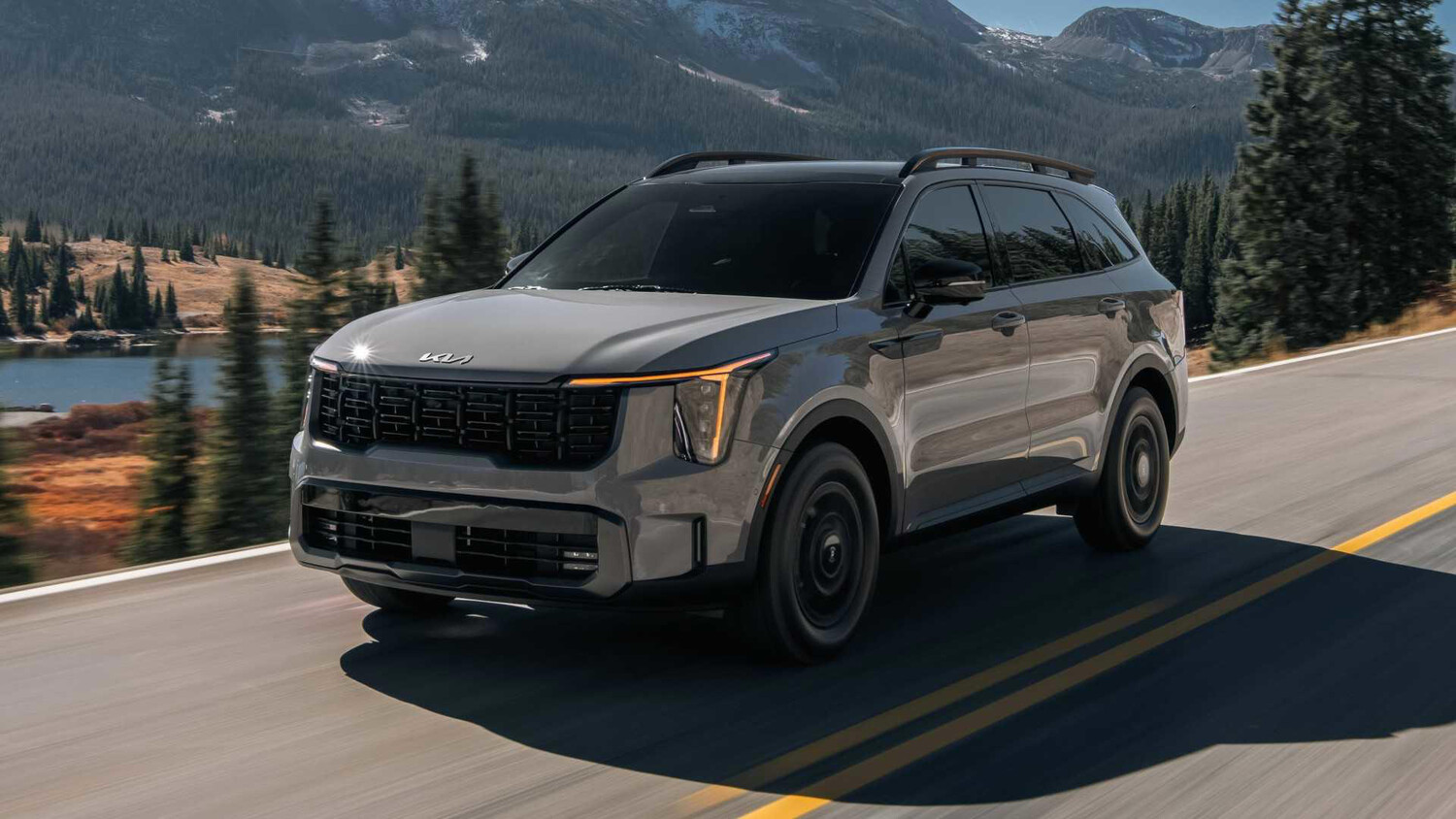
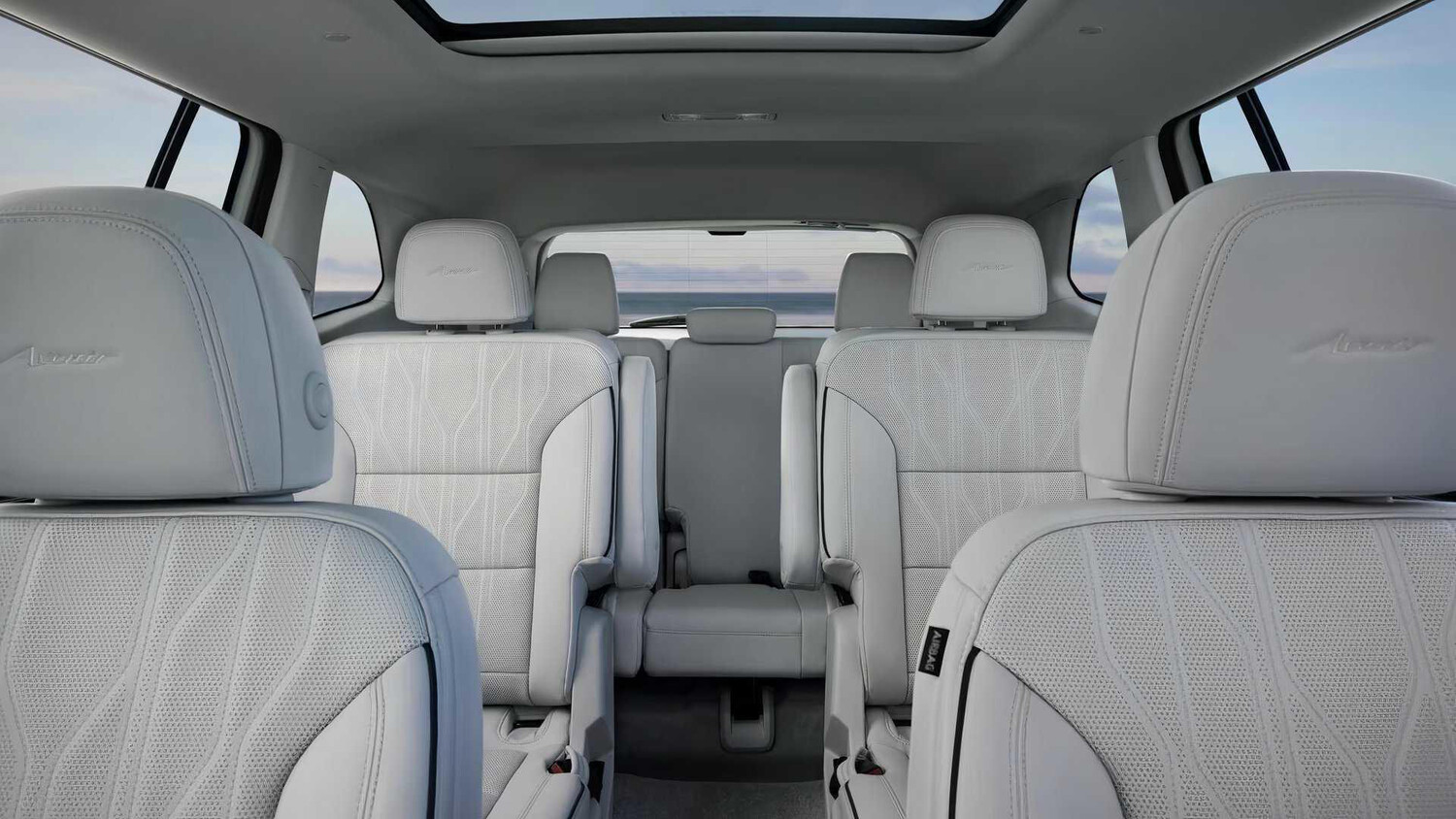
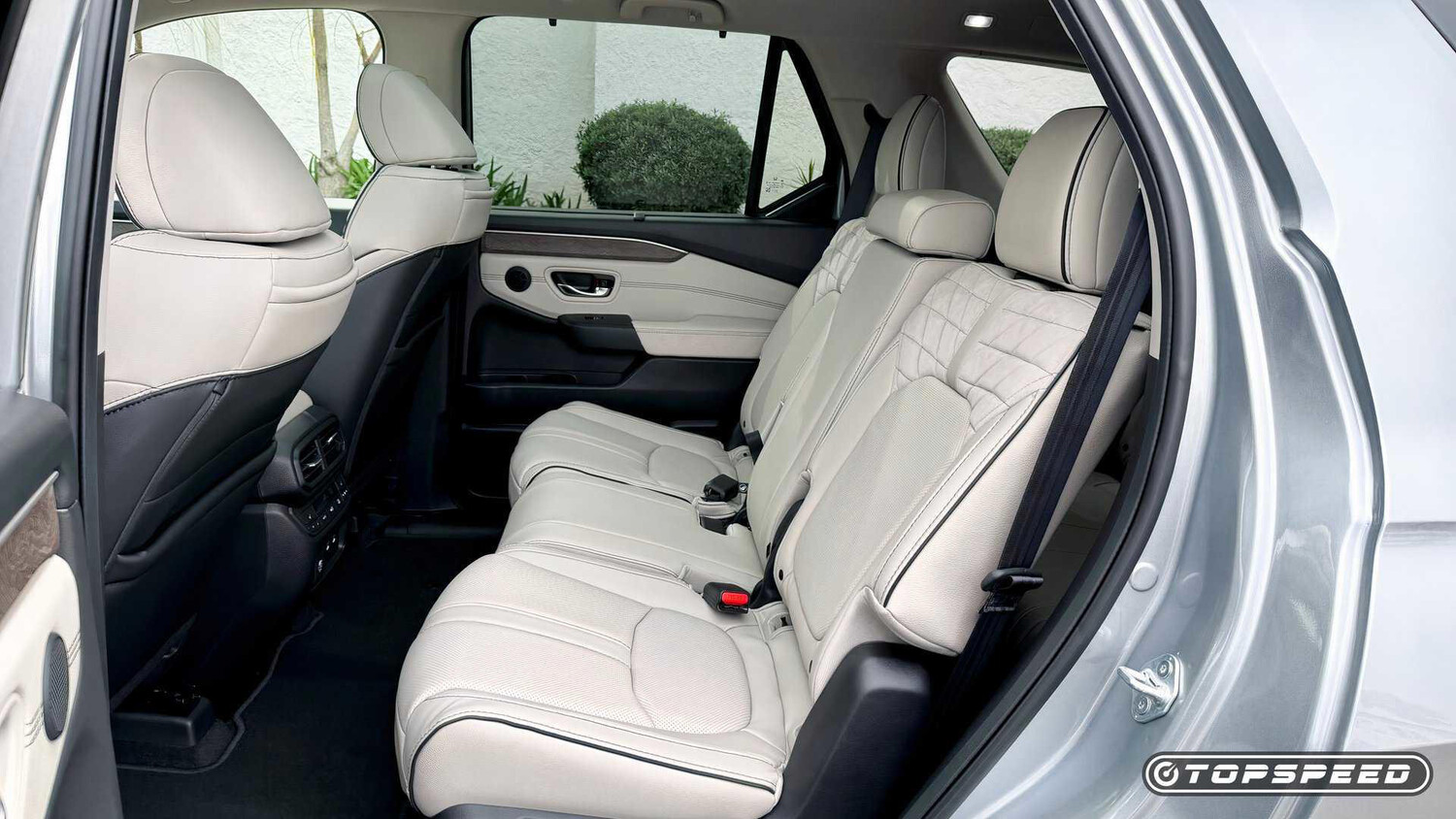
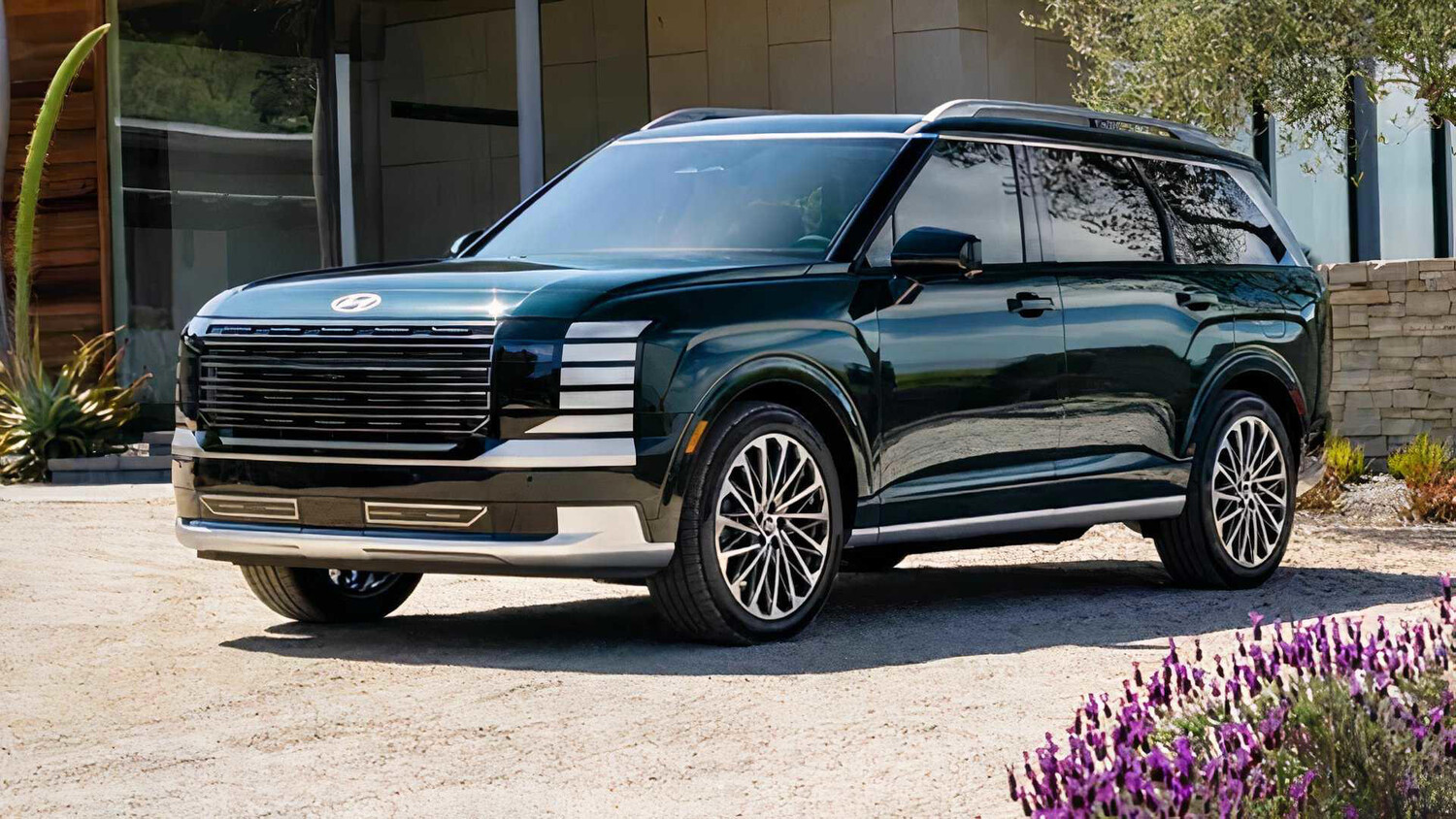
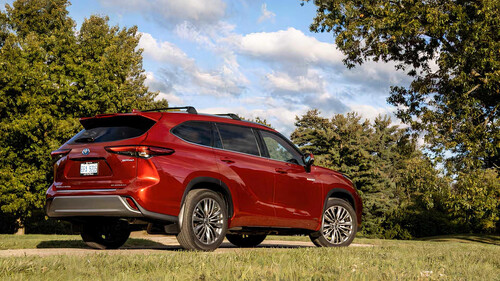
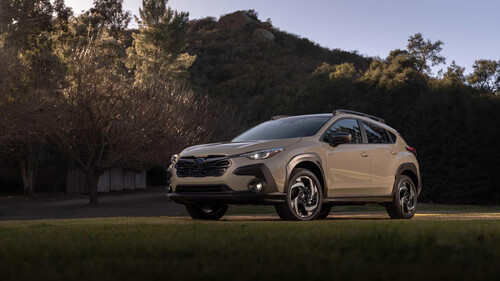
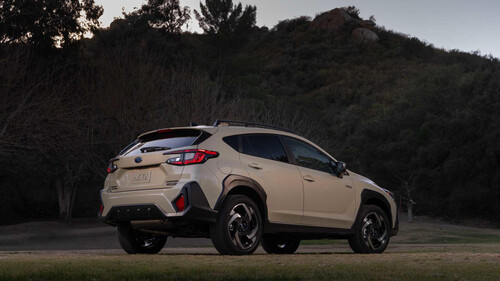
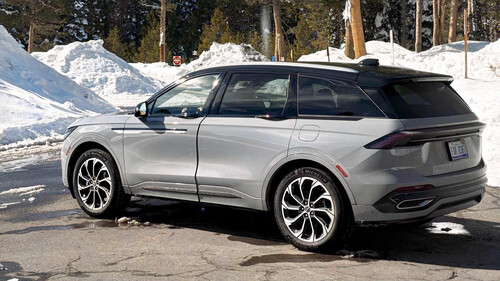
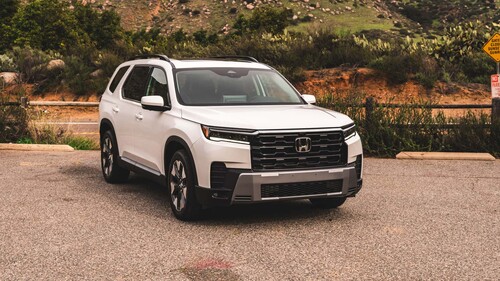
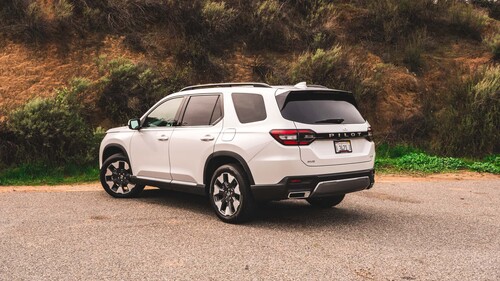
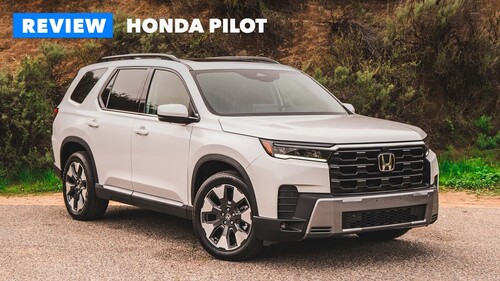
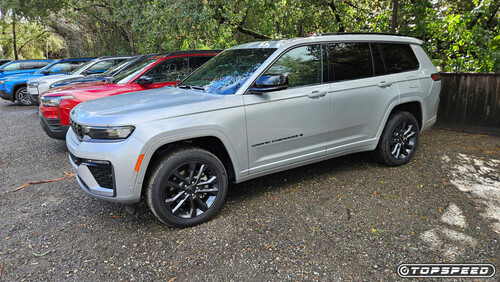
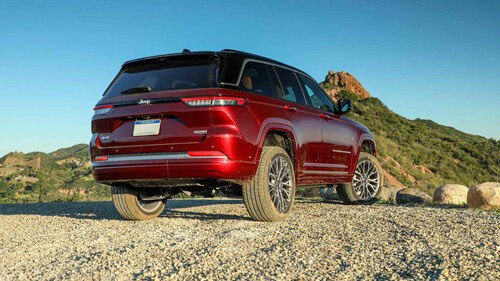
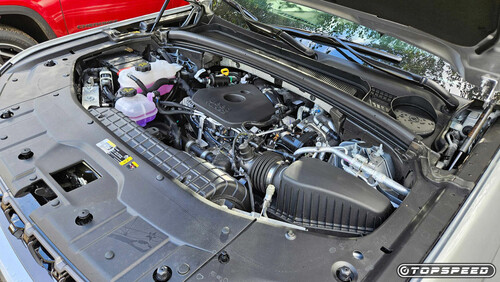
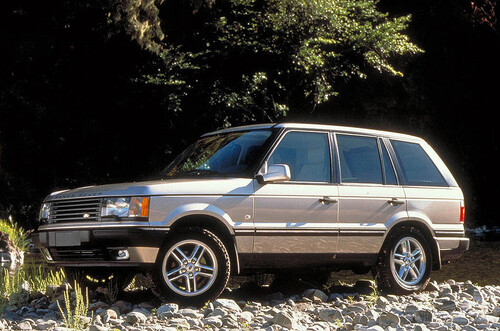
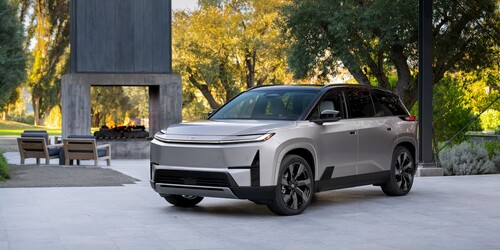
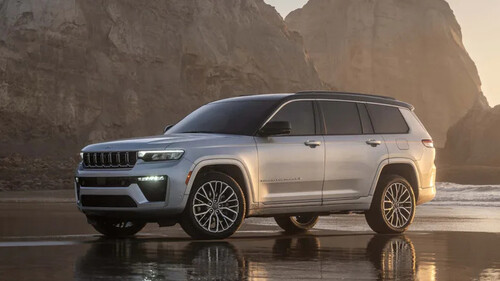
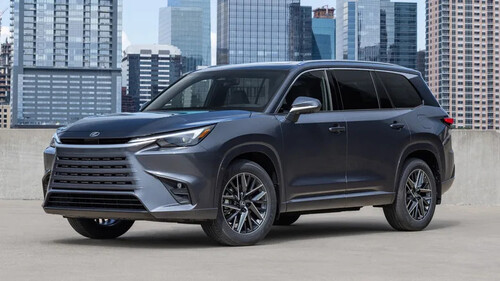
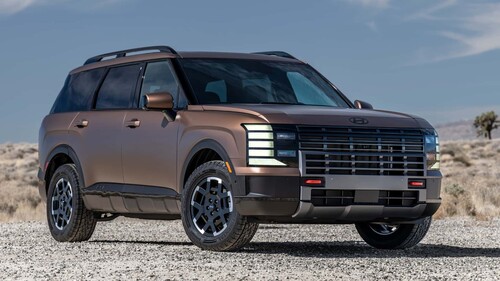
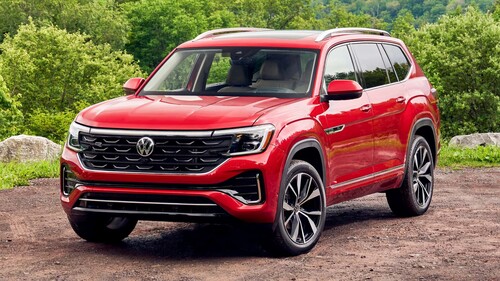
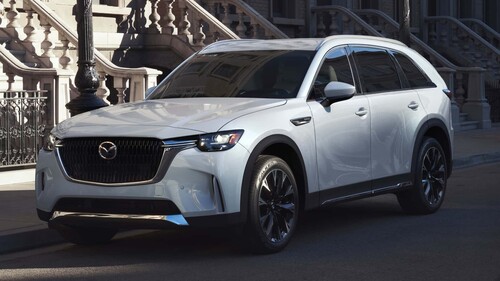
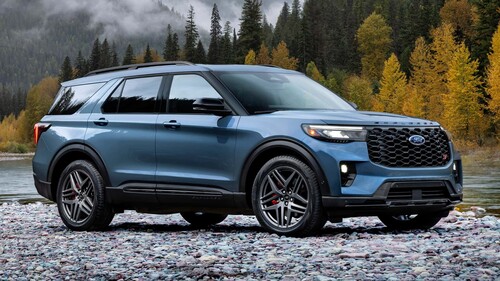
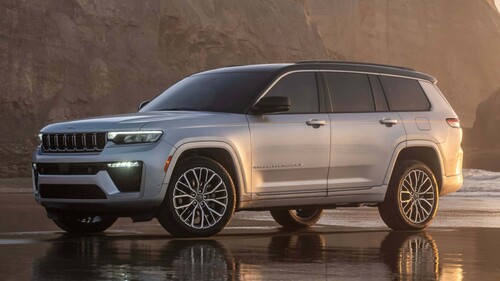
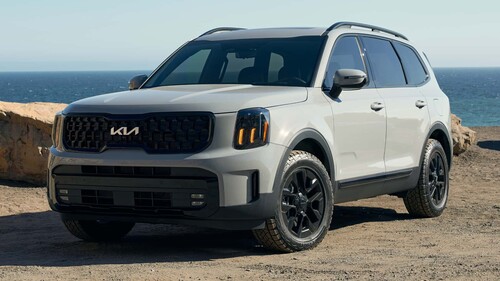
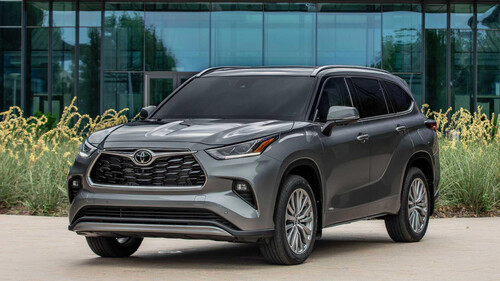
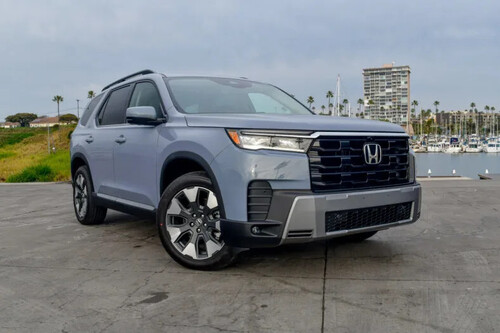
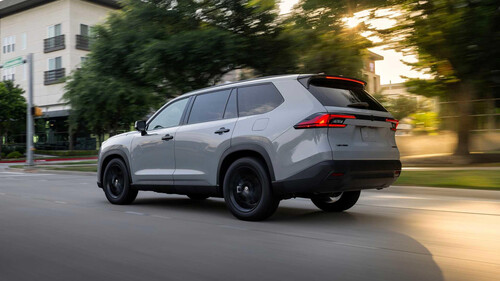
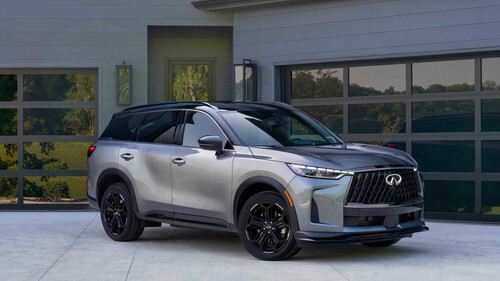
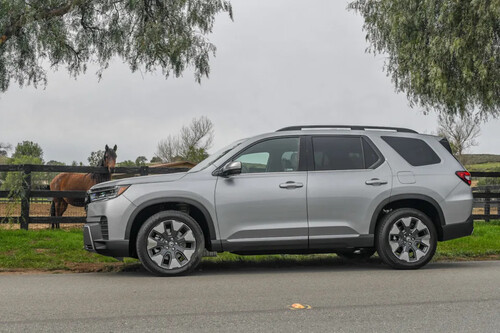
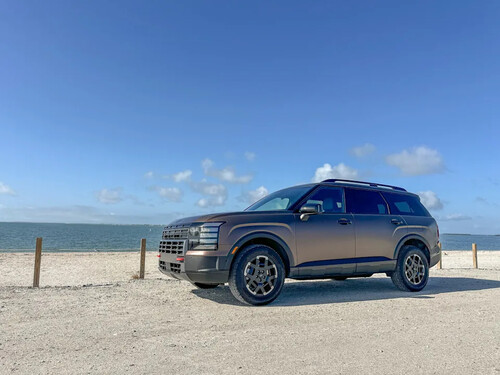
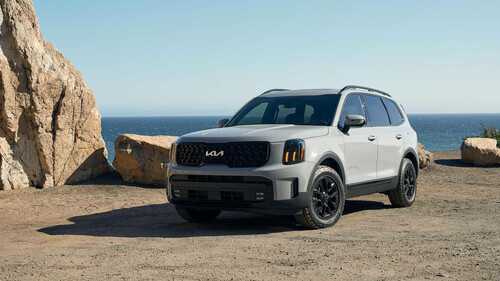
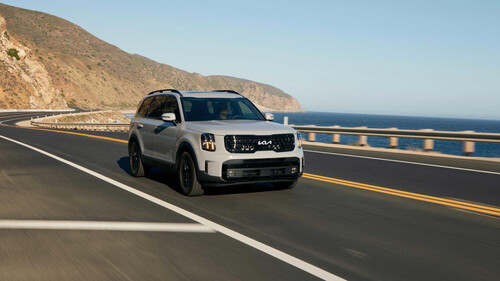
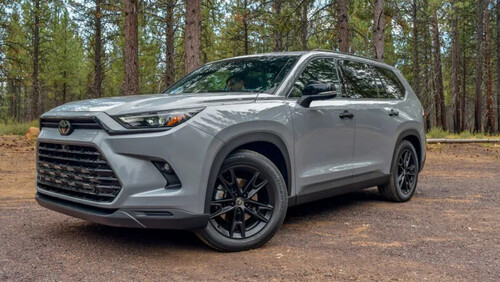
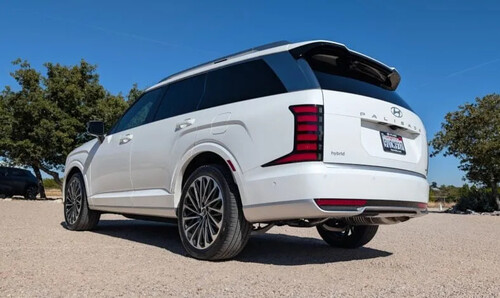
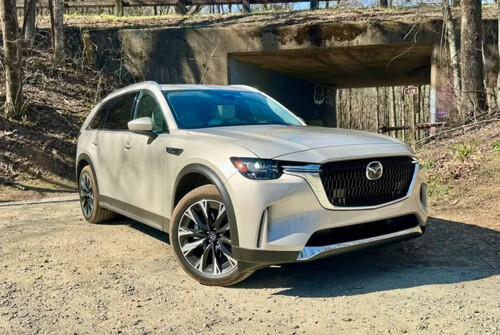
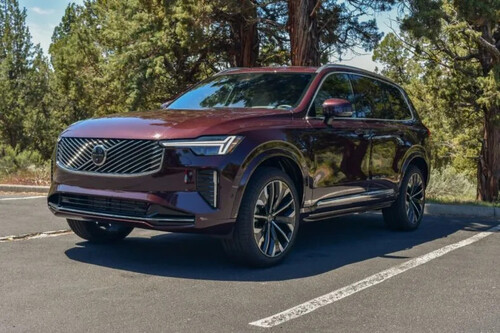
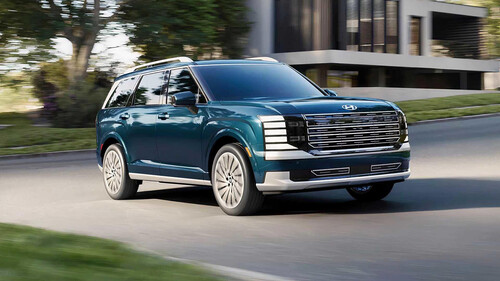
Comfort usually comes with a penalty paid at the pump. Depending on how many bodies you have to move, big vehicles are more comfortable than smaller vehicles, and then there are a host of variables that factor in—bigger is more comfortable, plusher is more comfortable, loading up weighs down the vehicle, weighty vehicles are harder to move, more power is needed to motivate heavier vehicles, and more power saps efficiency. Follow the line of reasoning, and you see that comfortable vehicles are often less efficient.But today, that may be faulty reasoning, because even though a larger vehicle is by nature less efficient than a smaller one, there are things that contribute to making a larger vehicle more efficient, and with today’s advancements in calibration, computer oversight, and electrification, buyers can at least be assured that hefty fuel costs are not a forgone conclusion when purchasing a large, comfortable vehicle. The SUVs below prove that expansive cabins do not necessarily result in expensive fill-ups.The models in this list have been extensively researched to ensure the most accurate information possible as of the time of publishing. Models are listed in ascending order from least to most roomy. 2026 Kia Sorento Hybrid Interior Passenger Volume: 143.8 Cubic Feet KiaThe 2026 Kia Sorento Hybrid doesn’t force families to choose between comfort and efficiency. At the upper end of the compact SUV segment, the Sorento Hybrid delivers comfortable three-row versatility for six or seven bodies, provided smaller passengers are relegated to the rear bench. The Sorento cabin leans into practical comfort, with generous personal space, supportive seats, and flexible cargo solutions. Annual Fuel Costs: $1,600 KiaThe Kia Sorento Hybrid separates itself from traditional midsize SUVs in efficiency. Its turbocharged 1.6-liter four-cylinder hybrid powertrain produces 227 horsepower, returns 37 mpg combined in front-wheel-drive form, according to the EPA, and delivers an estimated 655 miles of driving range in front-drive layout. All-wheel drive models still achieve a strong 34 mpg with a 10 percent uptick in annual fuel costs ($1,750), and a PHEV grants the opportunity to also go 30 miles on electricity alone, while reducing annual energy bills to $1,350. 2026 Ford Explorer Interior Passenger Volume: 150.3 Cubic Feet FordIn every sense of the description, the 2026 Ford Explorer is about as close as you’ll come to a traditional SUV, leaning into its RWD, tight but comfortable interior, and brawny power under the hood. About the only thing missing is body-on-frame construction. A generous 150+ cubic feet of interior space houses places for up to seven, with wide seats well suited for long-distance travel, and good spacing making it easy on the shins for even third-row adults, and it easily converts to moving more cargo and fewer passengers. Annual Fuel Costs: $2,500 FordThe popular Ford Explorer’s choice of engine for 2026 will vary the impact on the family budget, with the entry-level RWD model powered by the 2.3-liter EcoBoost four-cylinder demanding about $2,500 per year, which is about average for an SUV. Move up to the 3.0-liter V-6 and efficiency falls apart really quickly (especially if you also parse in AWD), though that also gets buyers stronger performance for more demanding tasks, such as off-roading or trailer-towing. 2026 Toyota Grand Highlander Hybrid Interior Passenger Volume: 153.3 Cubic Feet Toyota The Toyota Grand Highlander Hybrid was built for moments like this—the idea that a family SUV should not feel like a compromise of space and efficiency, even when all three rows of seats are occupied. Its longer wheelbase and extended cabin not only highlight third-row legroom, but wider rear doors make it easier to get back there, making the Grand Highlander one of the few SUVs in the segment where seven or eight adults can comfortably sit in every row. Toyota also emphasizes quietness and ease of use over flashy complexity. Annual Fuel Costs: $1,650 ToyotaJust when you thought you couldn’t get any better than a midsize SUV for seven or eight, efficiency steps up and says, “Get a load of me!” The 2026 Toyota Grand Highlander Hybrid separates itself from much of the midsize SUV segment, with fuel costs for the entry-level 2.5-liter four-cylinder FWD model coming in about $135–$140 per month—that’s a full-size pickup’s tank fill-up, these days—and it doesn’t raise substantially, if you decide on the more powerful 2.4-liter Hybrid MAX turbocharged powertrain, unlike the V-6 models you’ll read about later. 2026 Lexus TX 500h Interior Passenger Volume: 154.4 Cubic Feet LexusIf you want a bit more luxury with your midsize seven-seat SUV, then you can look at the Grand Highlander’s rich cousin, the 2026 Lexus TX 500h. Unlike other luxury SUVs, the TX leans into the family quotient, rather than the performance angle. Unlike other midsize luxury SUVs, the Lexus TX provides comfort and space for all seats, rather than treating the third row as a flip-down mechanism to expand cargo room, and does it with the Lexus aplomb for interior noise suppression. Annual Fuel Costs: $2,550 Lexus TX 500h efficiency is respectable, given its Hybrid MAX AWD powertrain that requires premium gasoline for peak performance. Ironically, its AWD Toyota Grand Highlander Hybrid MAX cousin only recommends premium gas, reducing fuel cost to about $2,200 annually. Still, $2,550 isn’t bad in relation to the FWD non-hybrid TX 350 ($3,000 per year), which gives way in terms of power output, and Audi, Infiniti, and Volvo competitors. 2026 Buick Enclave Interior Passenger Volume: 157.3 Cubic Feet BuickThe 2026 Buick Enclave returns a premium experience in both interior room and comfort, and in fuel usage. Its biggest pro is delivering a full-size SUV experience without stepping into full-size bulk and inefficiency. Enclave shares its platform with the Chevrolet Traverse, Cadillac XT5, and GMC Acadia, all of which have been enlarged over the past couple of years. Befitting a Buick, front and middle row passengers travel in splendor, and though adults will find it tight in the third row, it remains more comfortable than some rivals. Annual Fuel Costs: $2,700 BuickPowered by a 2.5-liter four-cylinder engine, the 2026 Buick Enclave is not the most frugal on this list, but it isn’t horrible either. Front-drive models are actually cheaper to run than some other FWD ICE models on this list, and opting for AWD is expected to only add about $20 to the monthly bill, which still steers it well clear of competitors and their power-tuned six-cylinder engines, and much better than luxury segment SUVs, owing partly to its regular-fuel requirement (whereas many luxury models require premium fuel for top performance). 2026 Honda Pilot Interior Passenger Volume: 158.4 Cubic Feet HondaThe 2026 Honda Pilot prioritizes practicality and passenger comfort over flashy design, adhering to its traditional SUV traits but with a modern spin. Seating for up to eight passengers comes standard in most trims; it’s a tighter fit as you add seats, though the Pilot’s boxy proportions help maximize usable interior room, and the third row remains usable for adults. Honda also focuses on ease of use, with wide-opening doors, flexible seating configurations, and substantial storage space. Annual Fuel Costs: $2,700 Nicole Wakelin/TopSpeedThe 2026 Honda Pilot’s efficiency is respectable but by no means class-leading, as competitors move on to hybrid powertrains using smaller engines (usually turbocharged to compete against the Pilot’s 285-horsepower 3.5-liter V-6). Front-wheel-drive models are rated at 22 mpg combined, with AWD models slightly worse at 21 mpg combined, and then another notch for the more rugged TrailSport. All around, Pilot presents a good alternative to larger SUVs and equally-equipped contemporaries, but its lack of a hybrid slots it under rivals like the Hyundai Santa Fe and Toyota Grand Highlander. 2026 Hyundai Palisade Blue Hybrid Interior Passenger Volume: 159.6 Cubic Feet HyundaiThe 2026 Hyundai Palisade Blue Hybrid is one of those anomalies that often leave buyers wondering why more vehicles aren’t designed this way. It is one of the larger midsize SUVs in the marketplace, and one of the most efficient. Despite its somewhat compact footprint, its interior rivals some full-size SUVs and comfortably accommodates up to eight adults, and lets them in through wide rear doors. And refinement is equally impressive, with good sound-deadening and a host of near-luxury features. Annual Fuel Costs: $1,750 HyundaiWith an overall size bordering full-size, the 2026 Hyundai Palisade Blue Hybrid also returns near-compact-SUV economy, thanks to Hyundai’s impressive “Blue” tuning (which kinda runs counter to what a 329-horsepower turbo engine should achieve). It achieves it through a minimalist approach, tuning the engine for maximum efficiency, then stripping away all the unnecessary bits to reclaim lightness. The result is a boost in efficiency that adds about 60 miles to the regular Palisade Hybrid FWD model, and almost 100 miles to the AWD version. 2025 Kia Telluride Interior Passenger Volume: 178.1 Cubic Feet KiaThe Kia version of the Palisade—the 2025 Kia Telluride—is also one of the bigger SUVs that remain focused on combining overall interior volume with impressive fuel economy. Like its Hyundai counterpart, the focus is on comfort and room, with family-oriented, long-distance travel a priority. The Telluride’s wide-opening doors make all three rows easy to access, while the voluminous cabin (18 cubic feet larger than the Hyundai) and wide seats make it more usable for people and cargo than many other midsize SUVs. Annual Fuel Costs: $2,700 KiaThere’s not much to pick at on the 2025 Kia Telluride, except perhaps the lack of an ultra-efficient model like its Hyundai Blue sibling, but expect it to become increasingly more economical once the hybrid 2.5-liter four-cylinder powertrain comes aboard. For the 2025 model year, it carries the 3.8-liter V-6 that has served Kia SUVs so well over the past couple of decades, through various iterations. For a large V-6, it’s actually impressively economical, though it does get worse rapidly once you add the weight of AWD and some of the equipment for higher trim levels. 2026 Jeep Grand Wagoneer L Interior Passenger Volume: 182.4 Cubic Feet JeepThe 2026 Jeep Grand Wagoneer L is engineered around the excess of the traditional American luxury SUV: massive passenger space, commanding road presence, and long-distance comfort prioritized above everything else. Available in two sizes, the Grand Wagoneer L creates one of the roomiest cabins outside of behemoths from Ford and GM divisions. Seating is never cramped, even when there are eight on board. And befitting its premium status, it’s fitted with all the comfort and convenience features expected. Annual Fuel Costs: $3,150 JeepAlso in accordance with traditional American SUV traits, the Jeep Grand Wagoneer L features big power from a turbocharged 3.0-liter inline-six, which gives the power characteristics of its rivals’ V-8s without paying the economy penalty. It’s far from the most economical SUV, but if you need full-size comfort and don’t want to be reminded of that every time you stop at the pump, it’s better than most. Also, if you don’t need AWD and are willing to give up about 10 percent power and performance, the Hurricane engine runs just fine on regular gasoline. 2026 Infiniti QX80 Interior Passenger Volume: 183.1 Cubic Feet InfinitiLike its Jeep rival, the 2026 Infiniti QX80 is built around traditional full-size luxury, which means you get expansive passenger space, isolation from road noise, and effortless long-distance comfort. The recently-redesigned QX80 delivers a modern cabin with quilted leather upholstery, large dual displays, available massaging seats, and one of the most spacious third rows this side of a luxury coach. Ride comfort is provided by an adaptive air suspension, like its North American Cadillac and Lincoln rivals. Annual Fuel Costs: $3,850 Jared Rosenholtz/CarBuzz/ValnetWhen it comes to efficiency, you won’t mistake the 2026 Infiniti QX80 for a compact hybrid SUV, or even a normally aspirated V-6 midsize SUV. It gets big power from a twin-turbo V-6 of the legendary Nissan VR lineage (a version of which powers the Nissan Z, and another the GT-R). One of its selling points is that fuel costs aren’t as high as the V-8s in its rivals, so there’s that (though they sit well above the midsize SUV median). You can occasionally use regular gasoline, but make a habit of it and you risk engine damage.