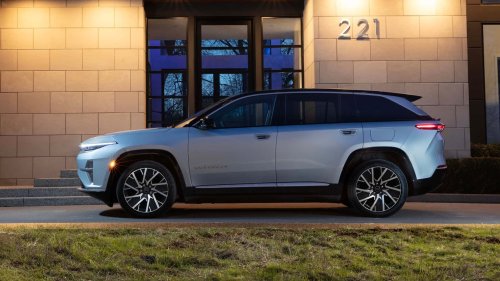
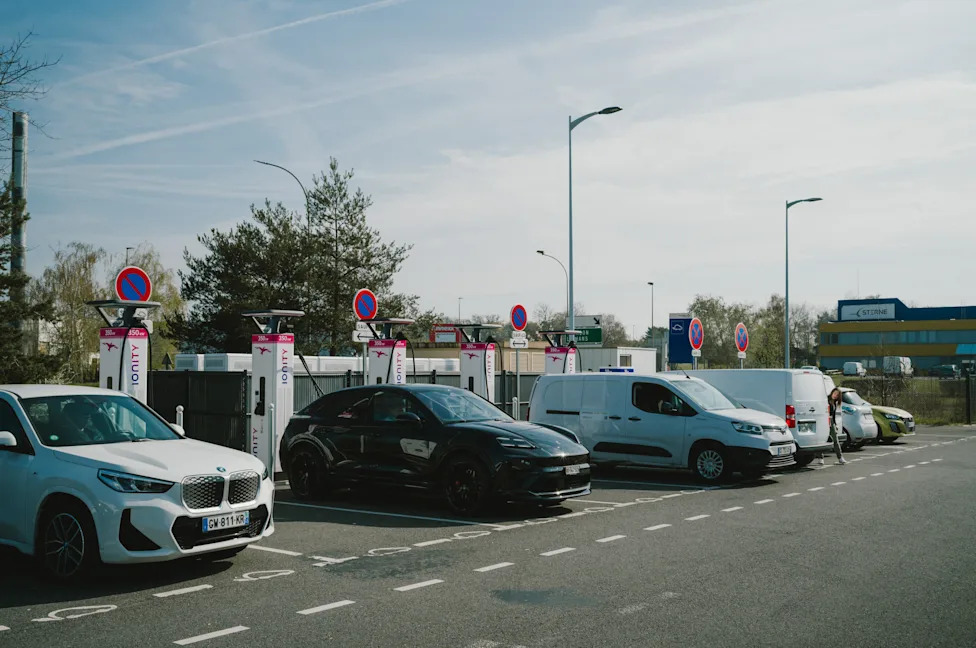
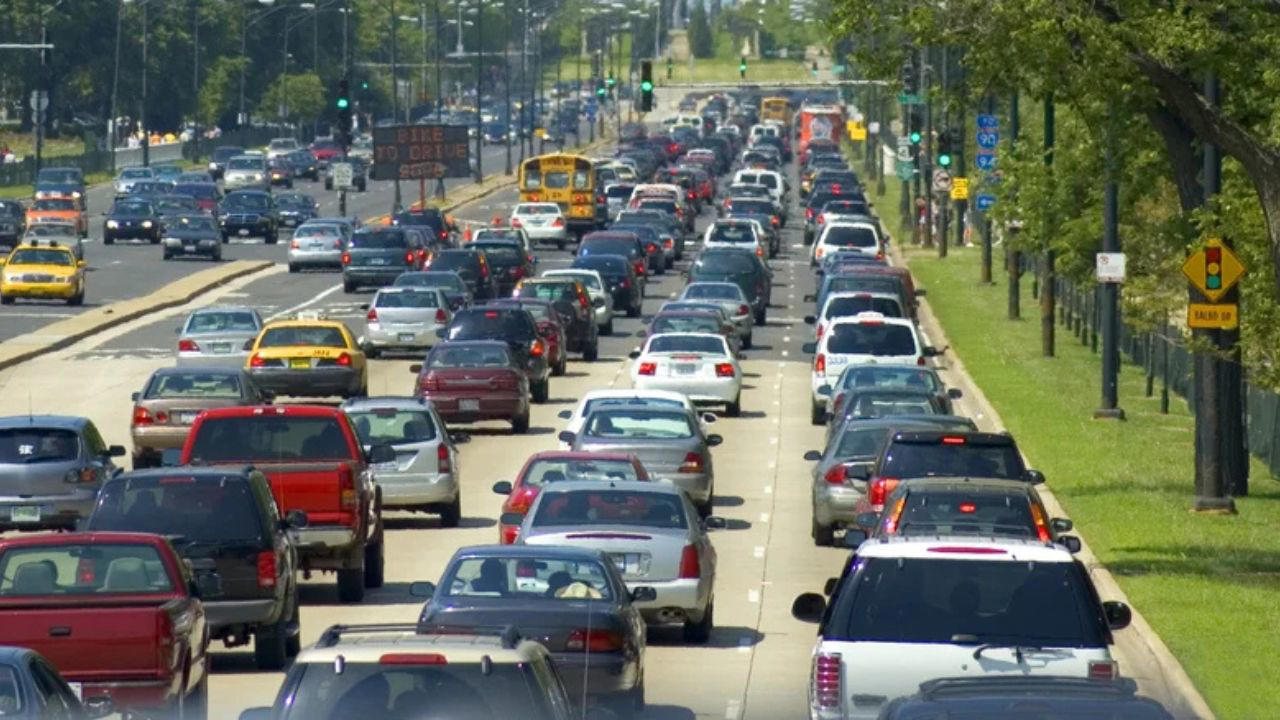
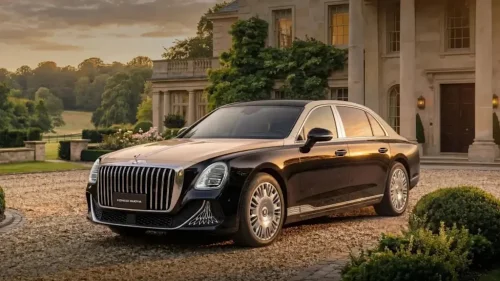
Tomasz Zajda Car theft in America is in decline, broadly speaking. It fell 21% in the first half of this year compared to the same six months of 2025, with 268,415 vehicle thefts reported to police. An outfit called the National Insurance Crime Bureau (an insurer-funded nonprofit, not a government agency) has been studying trends in Grand Theft Auto (the crime, not the video game). We took them a step further to discuss the real phenomenon. According to the NICB, “a total of 268,415 vehicle thefts were reported to law enforcement during the first six months of 2026. The United States experienced a vehicle theft rate of approximately 77.81 thefts per 100,000 people during the first two quarters of the year. The decline was widespread, with all 50 states recording year-over-year percentage decreases in vehicle thefts during the first half of 2026, extending a broader downward trend in vehicle thefts seen in recent years.” Mind you, that’s thefts only. VIN cloning, title fraud, and attempted thefts are a whole other deal. The declines are stacking up, too. Thefts fell 23.2% nationally in 2025, from 850,708 to 659,880, according to NICB. That followed a 17% drop in 2024, which at the time was the largest decrease in 40 years. Comparing first halves only, the theft rate was 126.62 per 100,000 people in H1 2024 and 97.33 in H1 2025, per NICB data reported by Straight Arrow News. At 77.81 now, that’s roughly a 39% drop in two years. Nearly everywhere is moving in the same direction. Of the 10 metro areas with the most thefts, only one went the wrong way: Chicago-Naperville-Elgin, where thefts rose 2%. The NICB’s news release didn’t include any meaningful interpretation of the data. Car theft is going down, but how and why, exactly? Aside from a platitude from the organization’s COO, the main message was crediting partnerships and urging continued investment. No surprise there, since the org is funded by a huge network of insurers, rental car companies, finance companies, and auto auctions. It’s not an academic or policy agency. There was one interesting nugget, mentioned almost in passing: organized crime groups have “increasingly shifted away from traditional vehicle theft,” while other vehicle-related crimes and fraud schemes continue to rise. Insurance Business picked up on the implication: theft claim volume may keep falling even as other vehicle-related fraud rises. So “theft is down” and “vehicle crime is down” may not be the same claim. Why Are Car Thefts Dropping? Aside from Tony Soprano types apparently finding other hobbies, there are a handful of factors behind the current decline. The pandemic spike is unwinding. This is probably the biggest factor, and it isn’t mentioned at all in this release (though NICB did nod to it in its 2025 annual report). Car theft had been dropping for about 30 years until the 2019 to 2022 period, when it surged 59% across the major cities tracked by the Council on Criminal Justice. Some things never really went back to “normal” after COVID, but car theft seems to be getting there. CCJ’s mid-2026 report found thefts in its tracked cities were about 3% below first-half 2019 levels. In other words, much of the “historic decline” is a return to roughly where things stood before 2020. Car theft is also falling alongside crime in general: CCJ expects the 2026 homicide rate to hit a new historic low. The Kia Boyz have been thwarted. A big chunk of the 2021–2023 spike came from thefts of 2011–2022 Hyundai and Kia models sold without engine immobilizers, a weakness that spread fast on social media. The automakers started rolling out a software fix in 2023, and the Highway Loss Data Institute found whole-vehicle thefts of upgraded cars dropped 64%. It shows up in the national numbers too: Hyundai and Kia made up 21% of all U.S. vehicle thefts in 2023, but 14% in 2025, per NICB. Attempts didn’t stop, though; they just failed more often. HLDI found vandalism claims on upgraded cars rose 61%, almost matching the drop in whole-vehicle theft claims, though vandalism costs much less. The fix isn’t foolproof either, since the software immobilizer only arms when owners lock the car with the key fob instead of the door-handle switch. This probably explains more of the 2024 drop than the 2026 one, since the effect tapers off as more of the fleet gets patched. Harsher laws. Colorado offers us an example here. Before 2023, the charge for stealing a car in the Centennial State depended on what the car was worth. Boosting one valued at $2,000 or less was just a misdemeanor. Now, every Colorado car theft is a felony, and the state’s thefts fell 35% in the first half of 2026. Laws like this likely sped things up locally, but they can’t explain a decline that showed up in all 50 states. Car thieves are moving upmarket. Chicago gives us a hint at what thieves are going after now. Chicago police reported more than 400 luxury vehicles stolen in 2024 and Jeep thefts up 28%, with Jeeps also showing up in storefront and ATM smash-and-grabs. That was during a year when Chicago’s overall thefts fell 27%, so it says more about what’s getting stolen than why the city is up now. Something similar may be happening beyond passenger cars. In cargo theft, Verisk CargoNet says transnational organized crime groups are becoming the dominant force, favoring goods that are easy to resell online and increasingly impersonating legitimate carriers. That may be part of what NICB is hinting at. The opportunistic theft that inflated 2022–2023 seems to be fading, while the professional end is adapting rather than disappearing. So What’s It To You? This is, I guess, good news for most American normies driving non-exotic cars, especially those of you outside Chicago. Low-level car theft is heading back down to pre-pandemic levels, which should make you less likely to deal with it as a victim. Now, car insurers, how about lowering our rates? Eh? Anybody?




















 +30 others