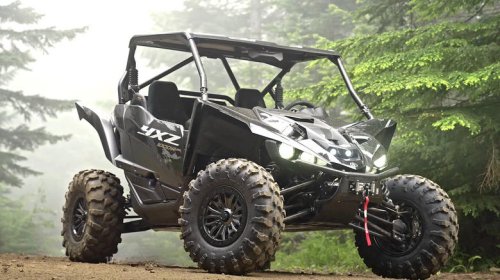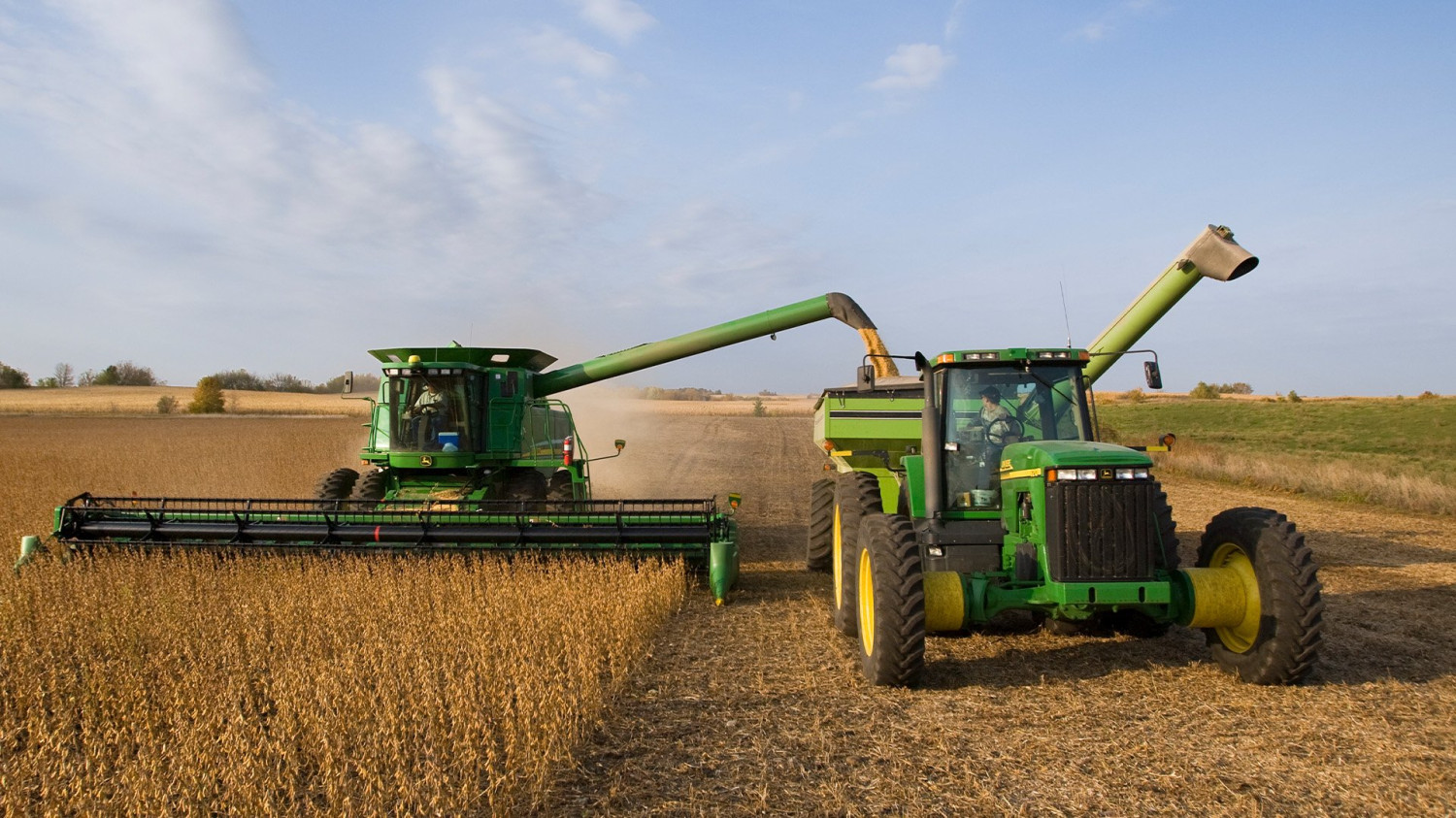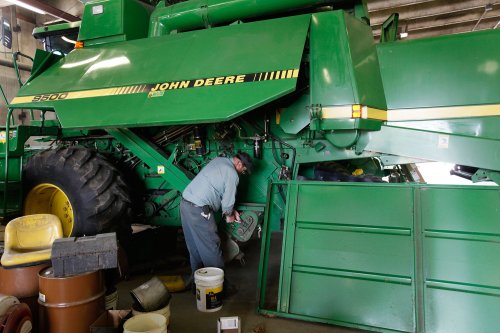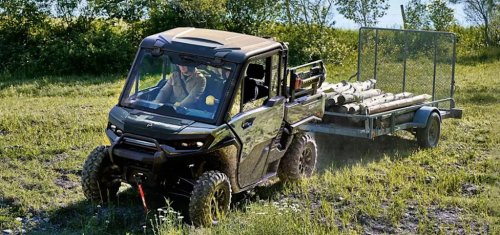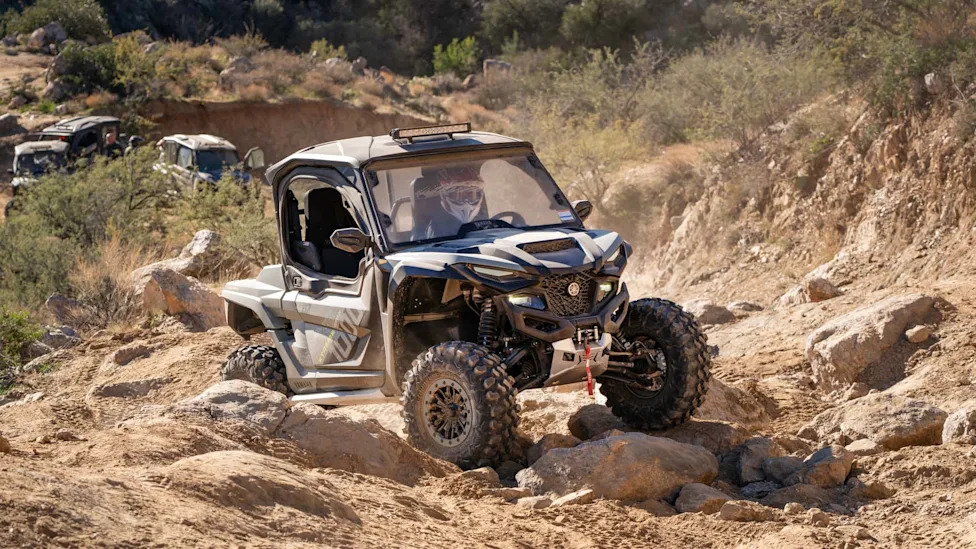


















The Back Way to Crown King: An Ironic Adventure in the Yamaha RMAXYamaha's seemingly going back to the UTV's roots by partnering with John Deere.UTVs were once farm equipment. Utilitarian vehicles designed to get used, abused, put away wet and dirty, and just get things done. They weren't fancy. They weren't powerful. They were donkeys. Mules. Machines that just made a farmer or rancher or homesteader's life easier when tending to the jobs that abound when you're doing that type of labor.That went out the window ages ago, and ever since, they've become more complex, complicated, loaded with creature comforts, and damn-as-much expensive as the trucks they were replacing. Yamaha aims to change all that, while also reducing its overhead, as the company recently announced that it is set to partner with none other than tractor supplier John Deere on future side-by-side engineering, production, and a whole lot more.However, if you've been paying attention to the news that's come out of John Deere in recent years, alarm bells may be ringing, as the company has fought tooth and nail over "Right to Repair," i.e., it's been fighting against your ability to work on your own machines, as well as against a host of other consumer-minded practices and wants in order to keep those customers trapped in John Deere's ecosystems.Hopefully, that's not the case here.To the Farm!America's Farmers Are Struggling. Can-Am Is Helping Farm Rescue Alleviate Some of the BurdenCFMoto's New Side-By-Sides Look Ready For Action, Whether It's the Farm or WoodsAccording to the press release the companies dropped, Yamaha and John Deere have agreed to collaborate on "certain" future side-by-side products, with Yamaha offering up its design and drivetrain engineering, and John Deere its U.S.-based manufacturing capabilities—Yamaha recently ended its domestic side-by-side manufacturing in Georgia—customer insights, and development prowess. What all this entails is not entirely clear, however, as the companies stated that concrete details, and the collaborative machine will be presented at a future date.No timeline was given.First off, let's address the why of the situation. While Yamaha made record profits in the last few years, not all parts of the brand have been doing great. One of those not-so-great segments is the extremely competitive side-by-side market, as when you're going up against the likes of Polaris, Can-Am, and the meteoric rise of CFMoto, it's hard to get a foot in the door when folks start cross-shopping. And given Yamaha is relatively new to the segment, and how it ended its snowmobile run after decades of production, the move to a partnership like this one makes a lot of sense. Share the burden of R&D, don't run afoul of any tariff possibilities, and partner with a brand as iconic as John Deere. It's a win-win for Yamaha.But now we have to talk about John Deere and its speed run of making almost every single farmer in the U.S. angry at the brand.Basically, in recent years, John Deere has come up with the idea that they don't want average customers working on their machines anymore. They've made these machines needlessly complex, requiring constant software updates, specialized tools that cost a bazillion dollars, created parts that could be hazardous to work on unless you're a trained John Deere mechanic, have remotely killed machines when people figure out workarounds to software hardening, and fought "Right to Repair" legislation at every turn. The idea is to trap people in the John Deere ecosystem and make them unable to work on their own machines as they did back in the day, thereby making John Deere a metric crap-ton of money.And wouldn't you know, everyone hates it—go on social media and search up John Deere and you'll see what I mean—with John Deere losing a number of legal battles because of it. John Deere, however, is basically the only name in the game at this point, with a scant few others able to pick up the scraps John Deere leaves them. The company all but has a monopoly on the space, which has allowed it to continue pushing forward with these changes and policies even in the face of the court of public opinion, as well as the actual courts.So what does this mean for the partnership between Yamaha and John Deere? Maybe nothing. Maybe everything. It's still too early to tell. But it's worth noting that John Deere's Gator UTV is one of the OGs in the side-by-side space. I recall using one over twenty years ago on my first job—I'm so old—and it being the workhorse of workhorses. Hopefully, that's the kind of help the company brings to Yamaha."We are excited about this relationship and the opportunities it creates for Yamaha, John Deere, our dealers, and most importantly, our customers," said Dean Burnett, Yamaha Motorsports President, adding, "Together, two trusted global brands can accelerate innovation and bring greater value to the market."Jon Chase, Vice President of John Deere' Turf and Compact Utility Business Unit added, "John Deere and Yamaha share a commitment to quality, innovation, and strong dealer networks. This collaboration will enable us to develop differentiated products that excite customers and create meaningful value."Hopefully, that last part of "value" stays true.