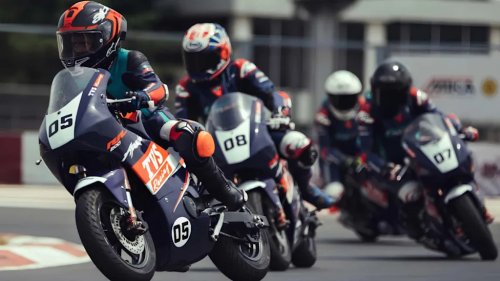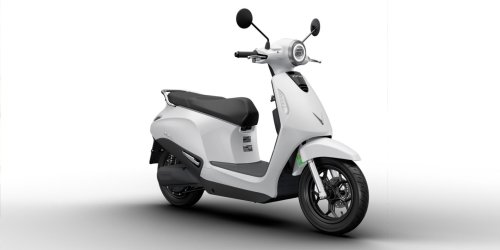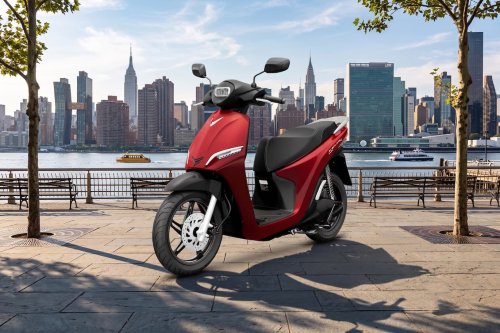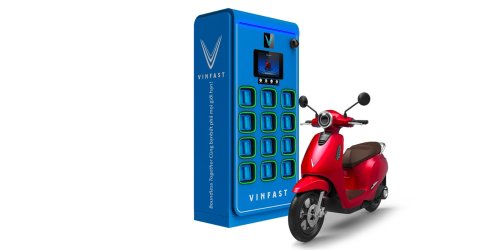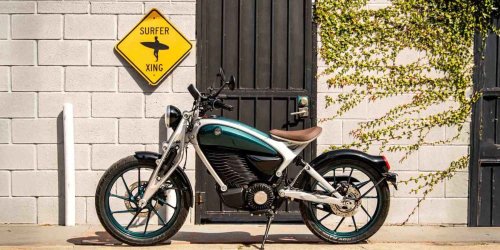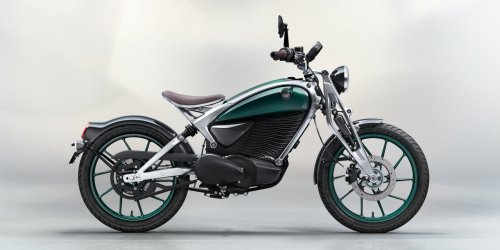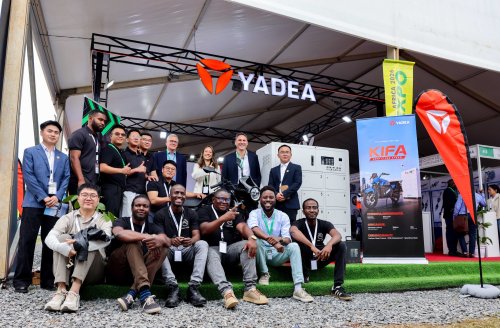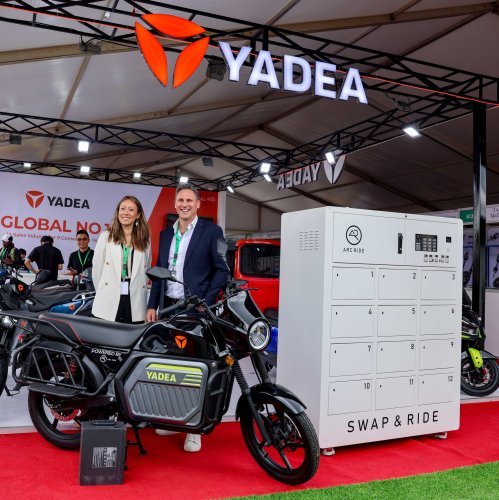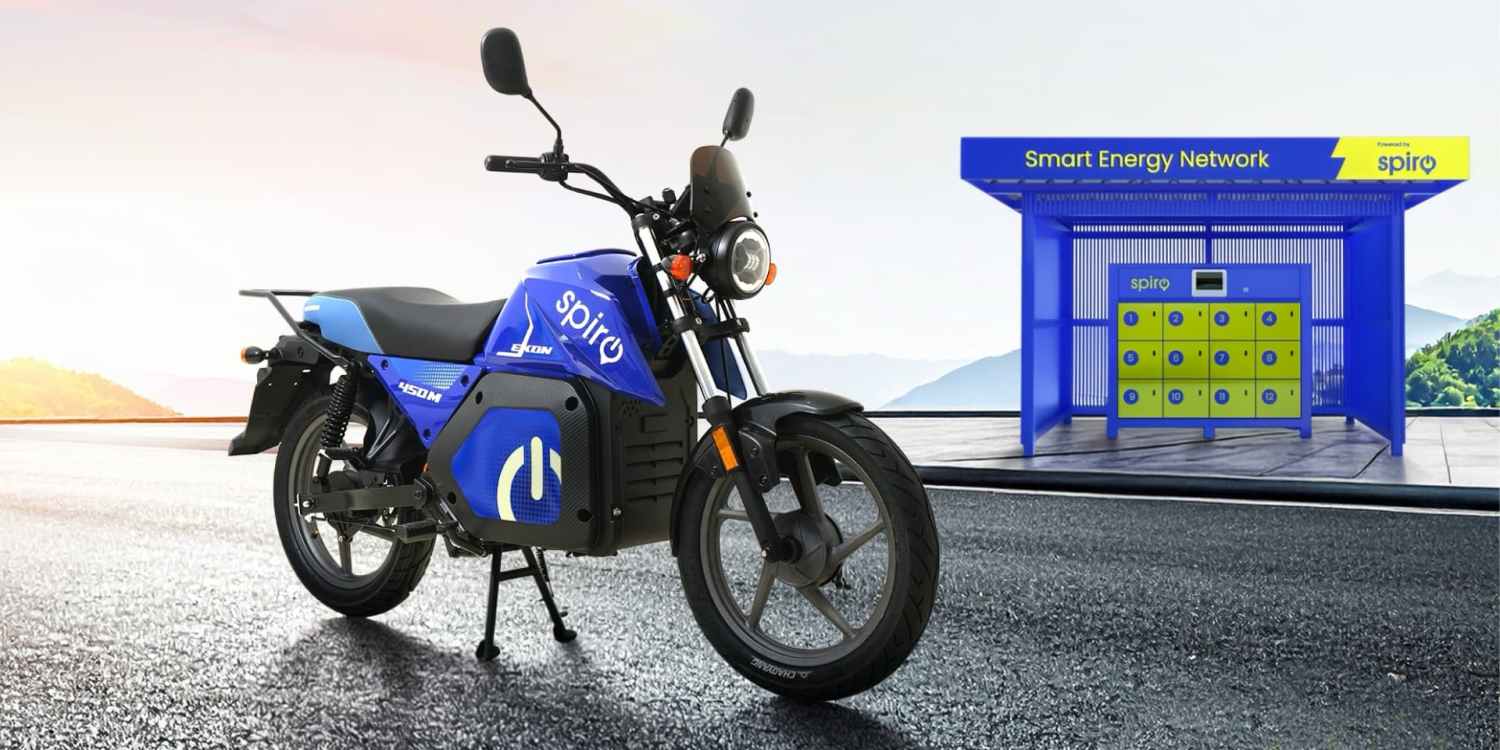
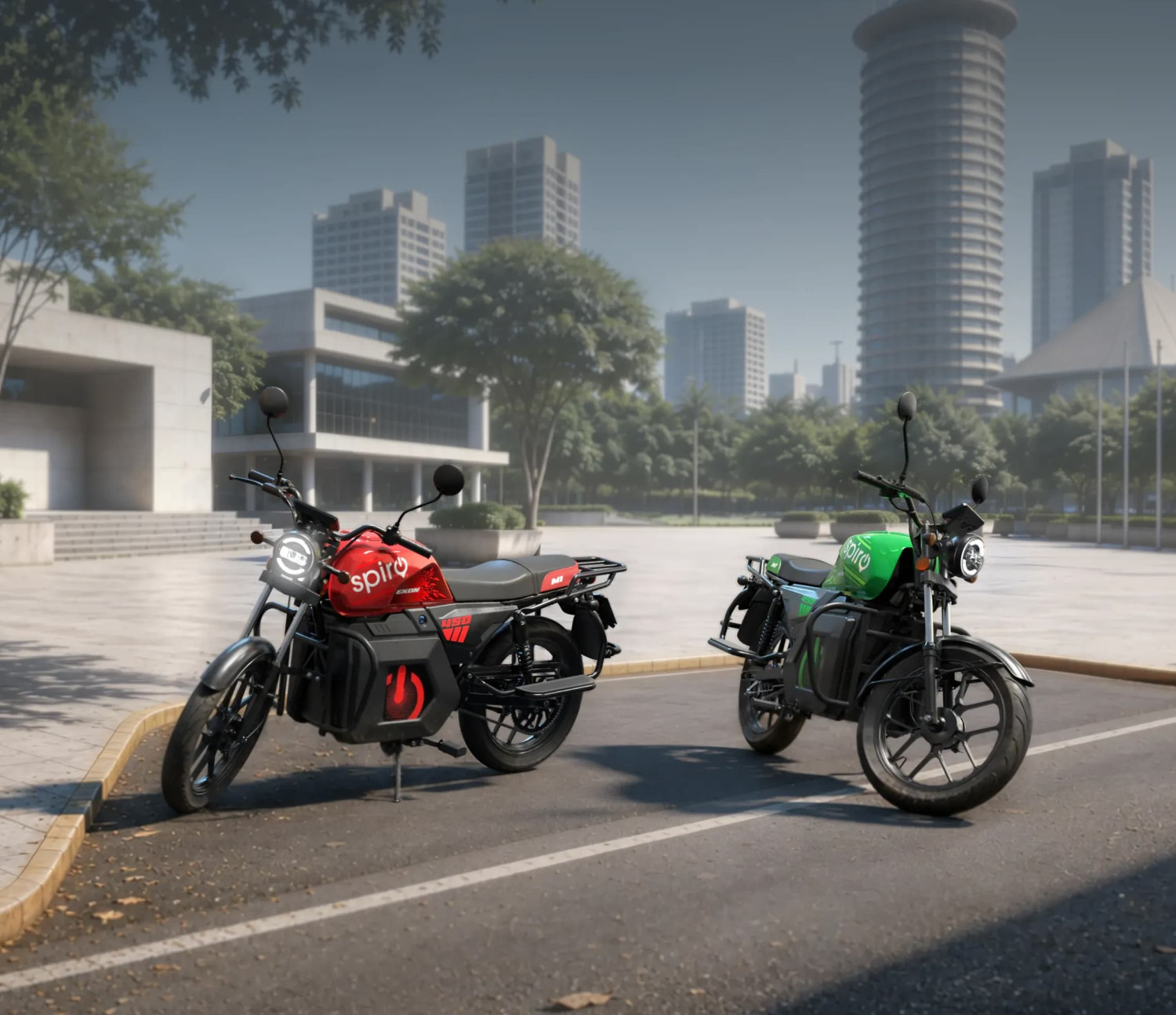
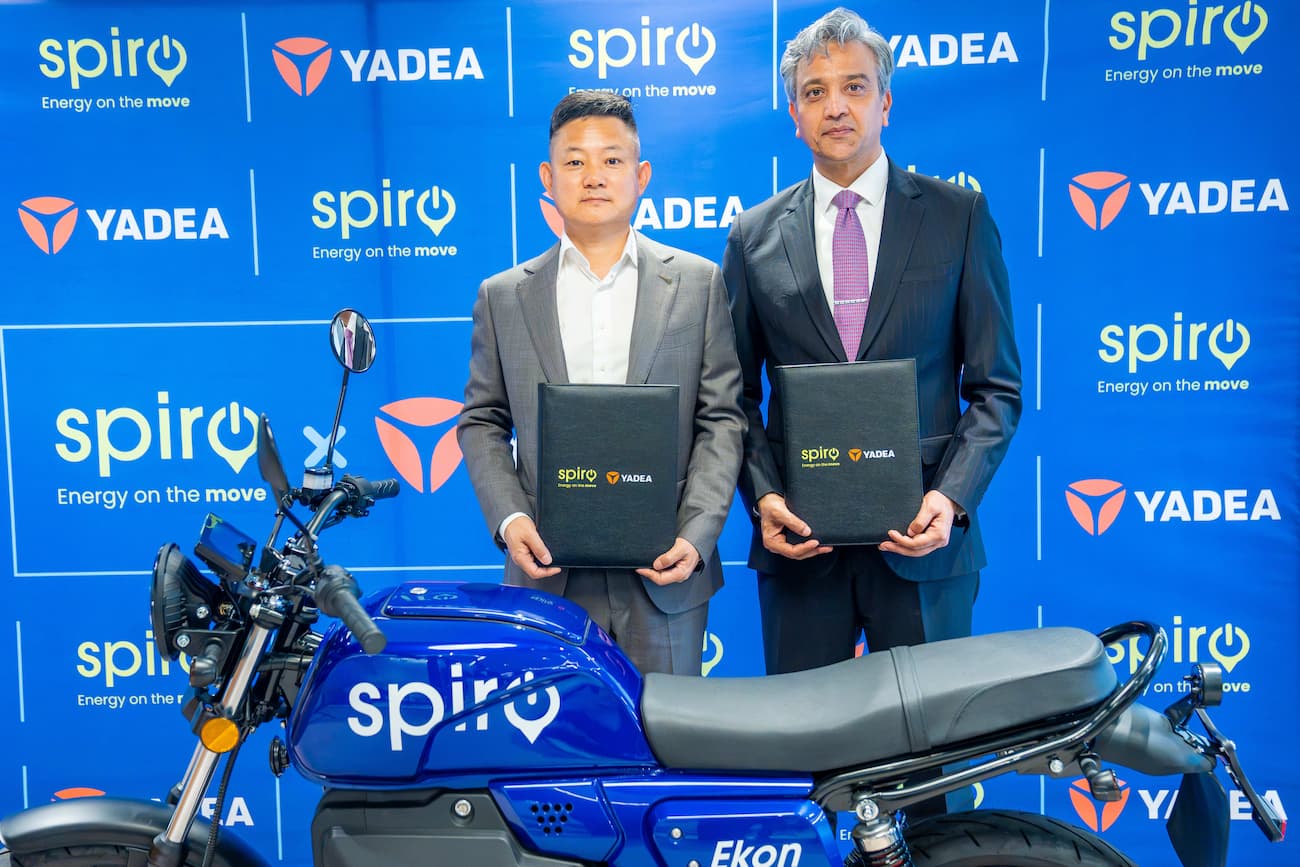



















Africa’s electric motorcycle market is about to get an interesting new combination of Chinese manufacturing scale and homegrown battery-swapping infrastructure. Yadea, the Chinese electric two-wheeler giant that has sold more than 100 million vehicles globally, has announced a new strategic partnership with African electric mobility company Spiro. The two companies plan to work together on electric motorcycles and scooters specifically tailored to African markets while integrating those vehicles into Spiro’s rapidly growing battery-swapping network. And this isn’t exactly a small pilot project. Spiro says it already has more than 130,000 electric motorcycles operating across seven African countries, supported by over 2,500 battery-swapping stations. The company claims its riders have completed more than 50 million battery swaps and traveled over two billion kilometers. Advertisement - scroll for more content Now Yadea’s considerable manufacturing muscle is being added to that ecosystem. As the world’s largest EV company by unit sales, Yadea knows a thing or two about manufacturing vehicles at scale. Under the new agreement, Yadea will supply electric two-wheelers and other EV products for Spiro’s markets, while Spiro will integrate those vehicles into its existing swapping and energy infrastructure. Perhaps more interestingly, the companies say they will jointly develop customized electric two-wheelers designed specifically for African markets. That means adapting the vehicles for local road conditions as well as the heavy commercial use common among motorcycle taxi riders, delivery workers, and other high-mileage operators. Two-wheelers already serve as essential transportation and commercial tools across much of the African continent. High daily mileage also means the operating-cost savings of switching from gasoline to electricity can add up quickly. Battery swapping solves another major piece of that puzzle. Instead of asking riders to stop working for hours while charging a motorcycle, depleted batteries can simply be exchanged for charged packs in minutes. Spiro has been building that type of infrastructure precisely, while also expanding regional manufacturing and assembly operations in Uganda, Kenya, Nigeria, and Rwanda. Yadea brings a very different kind of scale to the partnership. Founded in China in 2001, the company says it now operates in more than 100 countries, has 10 production facilities, over 40,000 retail locations, and more than 2,000 patents related to electric vehicle technology. Spiro, meanwhile, recently raised another $270 million as it works to expand its electric motorcycle and battery-swapping operations. Put those two pieces together and this partnership could become much more significant than simply another electric motorcycle distribution agreement. Yadea knows how to manufacture electric two-wheelers by the millions, while Spiro has spent years figuring out the considerably harder question of how to actually keep electric motorcycles running all day in African markets. If the two can successfully combine those strengths, we could be looking at one of the more consequential electric two-wheeler partnerships on the continent yet. Stay up to date with the latest content by subscribing to Electrek on Google News. You’re reading Electrek— experts who break news about Tesla, electric vehicles, and green energy, day after day. Be sure to check out our homepage for all the latest news, and follow Electrek on Twitter, Facebook, and LinkedIn to stay in the loop. Don’t know where to start? Check out our YouTube channel for the latest reviews.