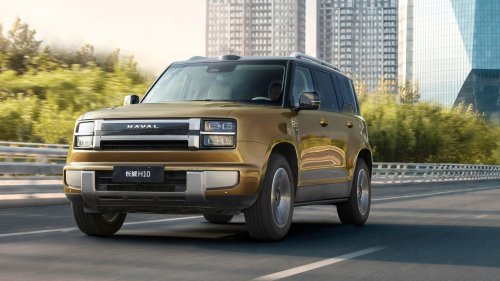
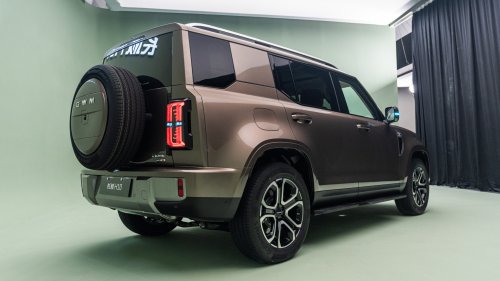
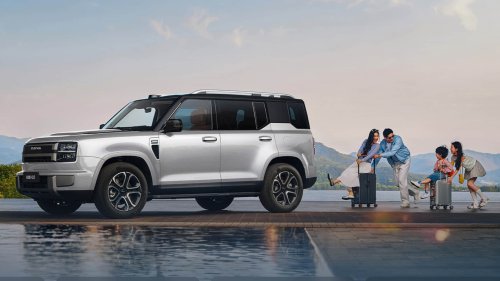
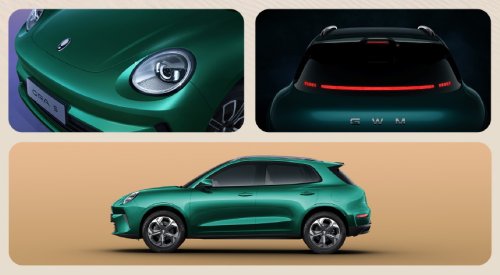
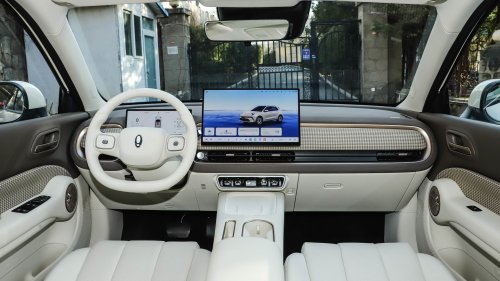
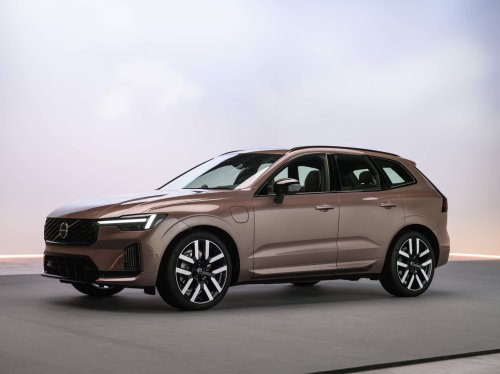
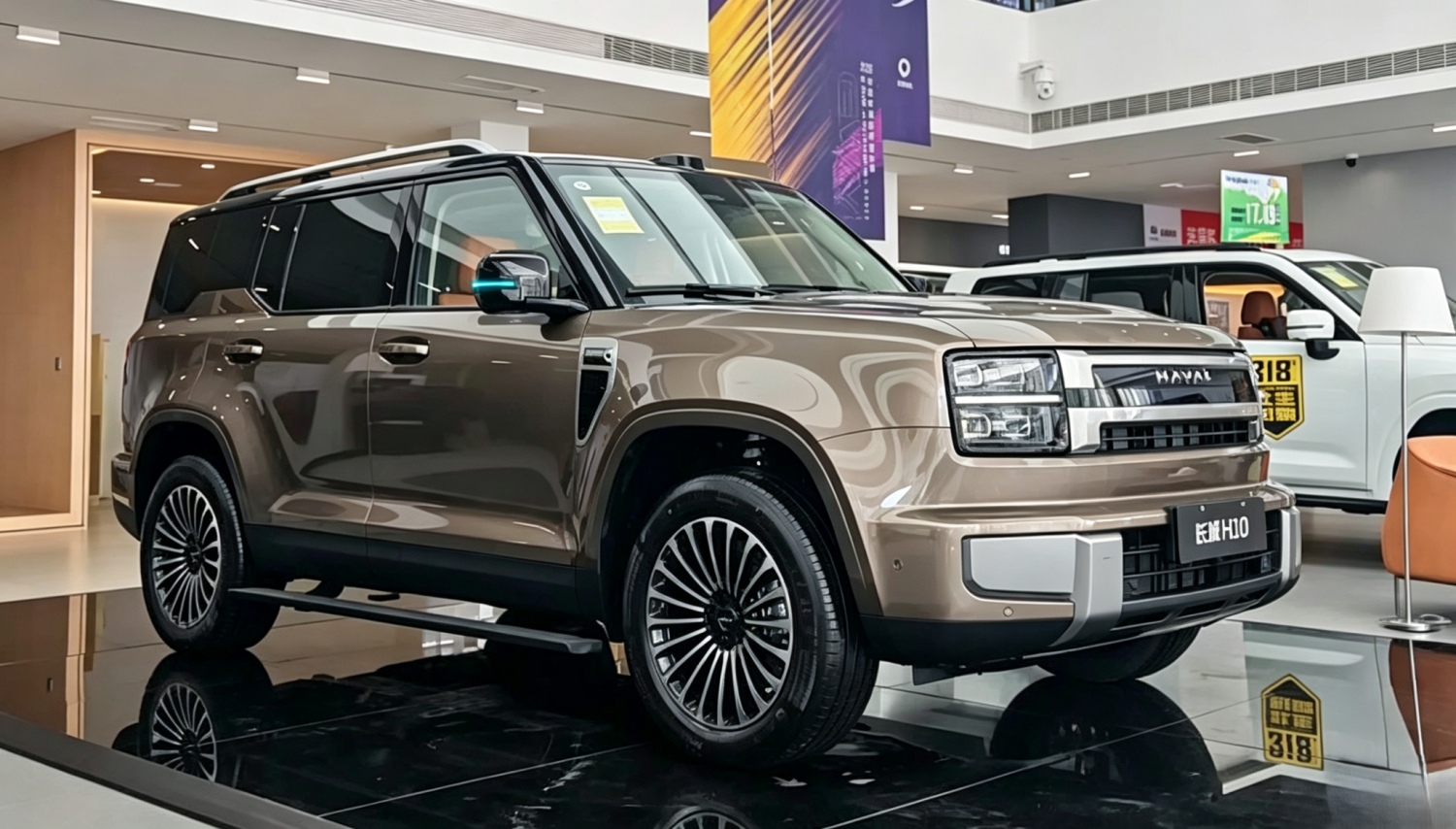
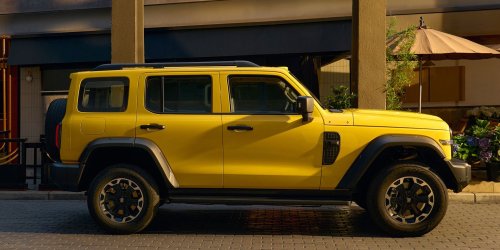
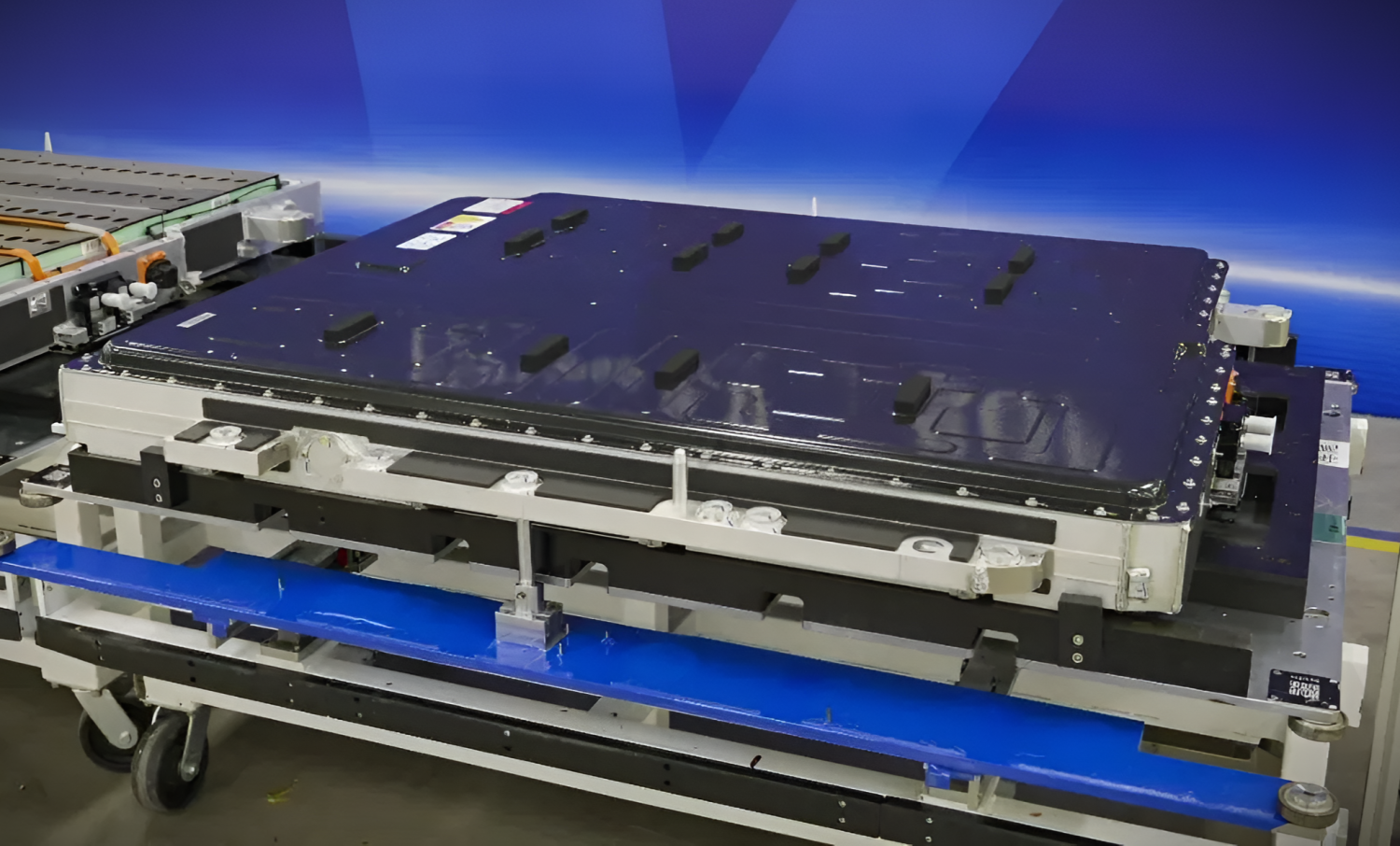
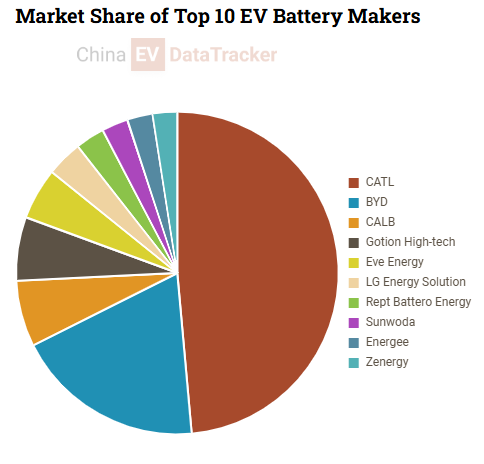
Svolt Fortress 2.0 battery enters mass production at Changzhou facility in China. Credit: It-home Understand China EV’s Market Real-time notifications when critical EV data is released All important data in one place 2,000,000+ data points Become a member Svolt, the Great Wall Motor spin-off battery maker, has started mass production of its new 80 kWh “Fortress 2.0” plug-in hybrid battery system at its Changzhou facility. The company claims the pack represents the world’s largest-capacity PHEV battery currently in production, marking a further escalation in China’s high-capacity hybrid electrification race, reports IT-home. The system increases capacity from 59 kWh to 80 kWh, a 35.6 percent jump, while improving system-level efficiency by around 6 percent. Svolt positions the product for large SUVs and off-road-oriented hybrids, where electric-only range is increasingly being used as a competitive metric against entry-level BEVs. Scaling PHEVs toward BEV-like electric range The most aggressive claim is the range. Svolt says Fortress 2.0 can support over 400 km of electric driving in D-segment plug-in hybrid applications under typical usage conditions. The system is built around a high-rate charging architecture, with a peak capability of up to 6C, enabling a claimed 10-minute recharge sufficient for 400 km+ range recovery in ideal conditions. While such figures depend heavily on vehicle integration and test conditions, the direction is clear: PHEV systems in China are rapidly moving toward BEV-like usable electric range, especially in large SUVs, where consumers prioritise flexibility over full electrification. Safety positioning and prior Svolt claims Svolt has previously emphasised the importance of an extreme safety architecture in its battery systems. In a February 2026 technical disclosure, the company stated it had achieved “fire and electricity separation,” claiming that in thermal runaway scenarios, fire propagation would not reach the passenger compartment, a design focus aimed at limiting cabin intrusion risks in high-energy battery packs. These claims sit within Svolt’s broader positioning of structural safety as a differentiator in a market increasingly dominated by high-energy-density LFP systems. Controversy around solid-state claims However, Svolt’s technological positioning has also drawn scrutiny. In January 2026, CarNewsChina reported earlier statements from the company regarding “Donut Labs” all-solid-state battery production readiness, with some reporting describing the claims as unverified or misleading. Top battery makers in China. Credit: China EV DataTracker Market reality: Svolt remains a mid-tier player Despite aggressive product announcements, Svolt remains a mid-tier player in China’s highly concentrated battery market. According to China EV DataTracker installation data, CATL and BYD together control the majority of domestic installations, while Svolt sits outside the top ten, with a low single-digit market share depending on segmentation. This gap highlights a structural reality: innovation announcements do not necessarily translate into volume leadership, particularly in a market dominated by scale-driven suppliers with deep OEM integration. Industry positioning The Fortress 2.0 launch reflects Svolt’s strategy of competing in specialised high-capacity hybrid systems rather than directly challenging CATL in mainstream EV packs. As plug-in hybrids and extended-range EVs continue to gain traction in China, mid-tier suppliers like Svolt are attempting to carve out differentiated roles in niche high-performance battery segments. The system is expected to debut on an upcoming hybrid SUV at the 2026 Beijing Auto Show, further testing whether high-capacity PHEV architecture can meaningfully reshape consumer expectations in the large SUV segment.



















 +32 others