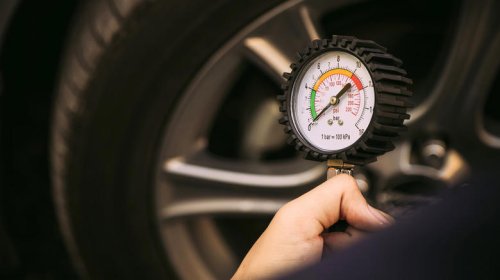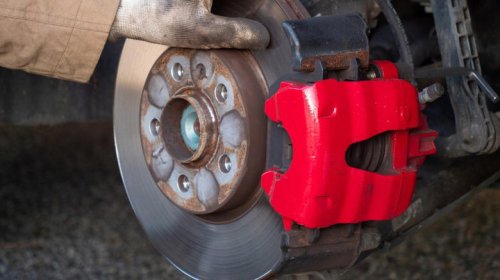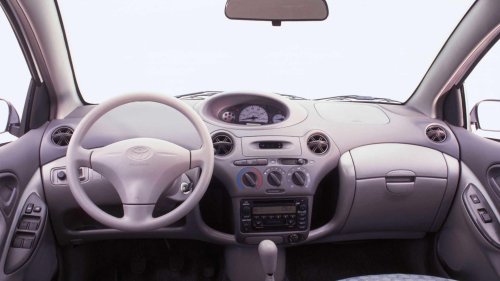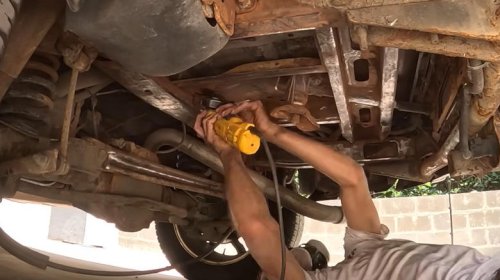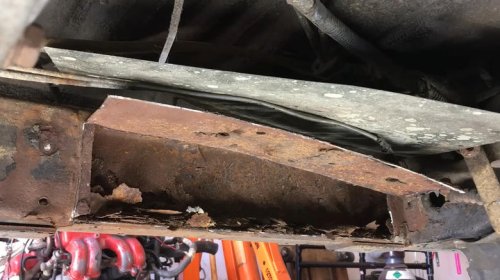




















A technician reading data from a car - Skynesher/Getty ImagesMulti-point inspections are a car owner's best friend. They involve a technician meticulously checking all of your vehicle's most important systems for wear or damage to diagnose issues as early as possible. Typical inspection points consist of checks in areas like your dashboard, lights, windshield, wiper blades, body, and cabin air filter. Other system evaluations include the engine, tires, brake system, steering, and suspension. After a multi-point inspection, you'll have a highly detailed breakdown of what's in good shape and what needs work, like whether your cabin air filter should be cleaned or replaced, or what your tire tread depth is.One 2023 survey by AAA found that the average person spends over an hour in their car each day, putting in an average of about 29 miles. When you're putting in that kind of time on the road, proper vehicle maintenance is paramount. The reality is that the more miles you put on a vehicle, the more chances there are for something to go wrong. Some drivers may understand the importance of multi-point inspections, but zone out when car talk gets technical. Whether you're one of these people or want to learn more about multi-point inspection, the information below will help get you up to speed. Read more: Never Jump Start A Modern Car Without Checking For These Things FirstHow many points is a multi-point inspection exactly?A hand checking an oil dip stick - CuteCharacters/ShutterstockExactly how many items get checked off during a multi-point inspection depends on the type of car you drive and where you're getting it serviced. Generally, the technician conducting your multi-point inspection will check all warning lights and note the codes causing them. If your check engine light keeps coming back after getting cleared, a multi-point inspection might better reveal the underlying issue.AdvertisementAdvertisementTechnicians focus on evaluating high-wear and safety components during a multi-point inspection. Key areas for these components include under the hood, under the vehicle, and the exterior. Automakers release a recommended maintenance schedule for each model that addresses what systems need attention at different mileages, so dealerships that run multi-point inspections will also follow a brand- or model-specific checklist directly from the manufacturer. Still, third-party mechanics may use different criteria during their inspections.Lacking gas engines, electric vehicles (EVs) have simpler inspections. There's no engine oil or transmission fluid (usually), so an EV inspection mostly involves checking cabin air filters, battery health, and tires. One of the few EVs with a two-speed transmission, Porsche's Taycan, uses a small amount of synthetic gear oil.It's important to get occasional multi-point inspections even if you take good care of a vehicle or it's relatively new. There are plenty of things that can go wrong invisibly while driving, and without a multi-point inspection, it's hard to stay ahead of the curve. For example, the typical lifespan of an oil pan is nearly a decade, but that doesn't mean your oil pan should go five years without an inspection. It's always possible that yours has corroded much sooner or been damaged by debris on the road. AAA suggests getting a multi-point inspection at least every two years.Want more like this? Join the Jalopnik newsletter to get the latest auto news sent straight to your inbox, and add us as a preferred search source on Google.Read the original article on Jalopnik.