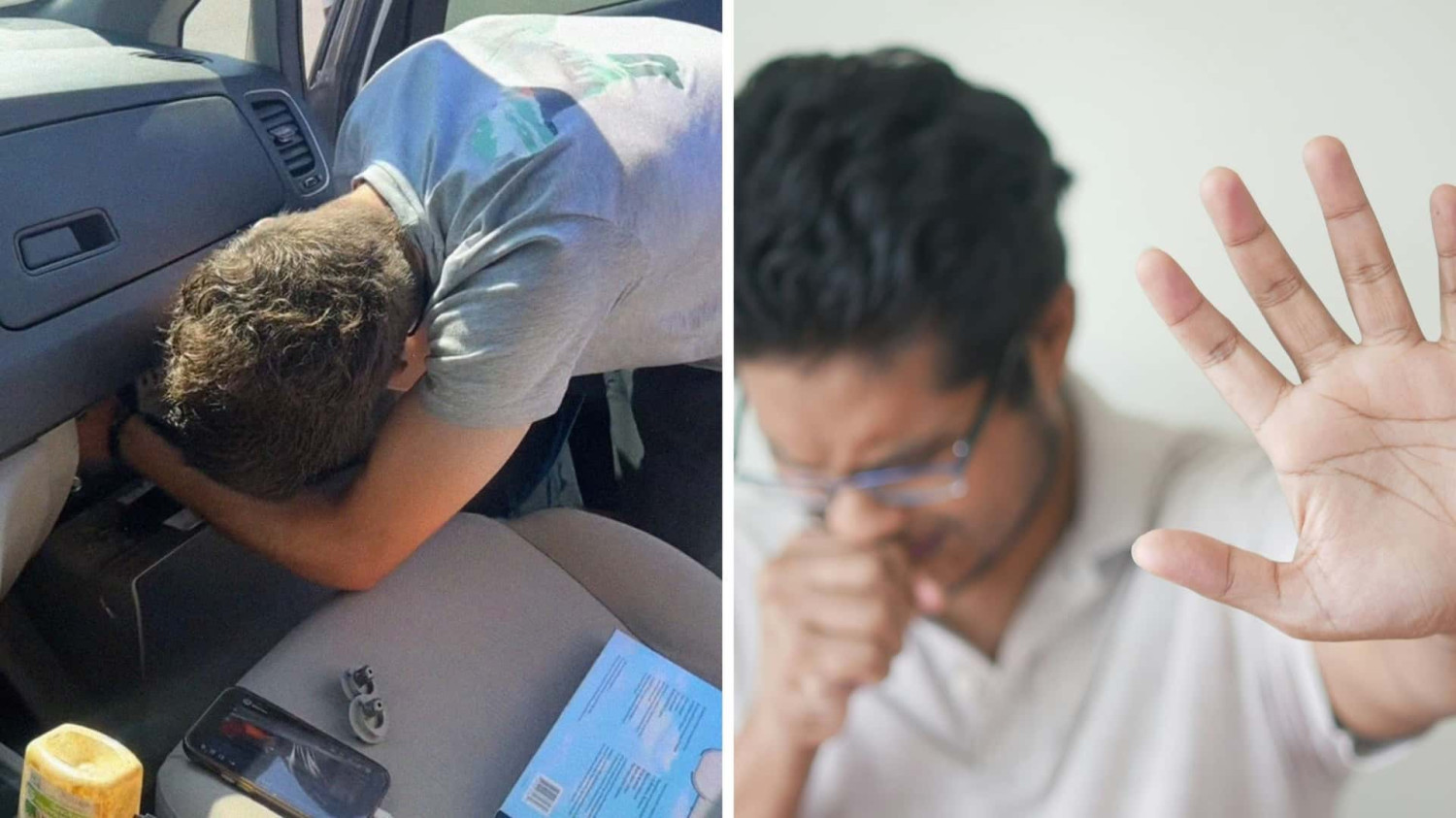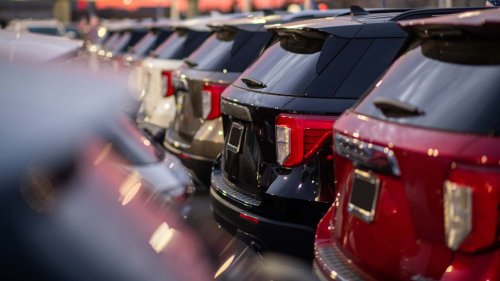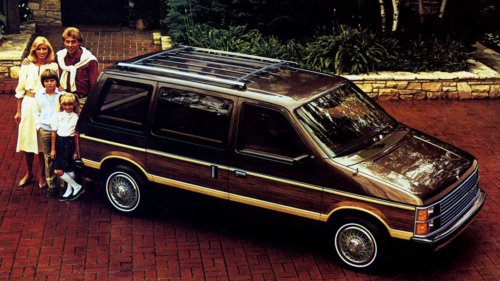
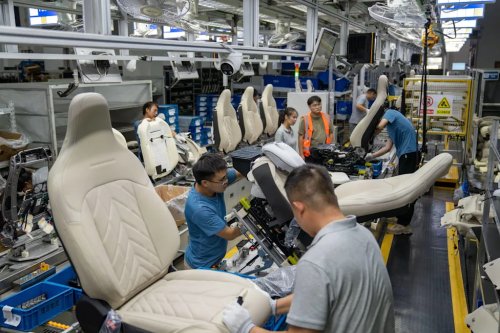





















Autoblog and Yahoo may earn commission from links in this article.The Scent Nobody Can Get RightSmell is the most important of the five senses, as it has the innate ability to complete the full picture of a distant memory of something or someone that we have cherished in the past. It can be the scent of caramelized onions and meat in a pot in a busy kitchen and a favorite dish made by a parent or loved one. Or, it can be the meticulously crafted top and bottom notes of a designer fragrance like Chanel No. 5 or Polo Green and a trusted someone who wore them well, while the scent of leaded gasoline can bring back memories of an old car.Speaking of cars, climbing into a new car with single-digit delivery mileage has a distinct smell. You can picture it — a new Ford, Chevy or Honda with the plastic wrap barely off the seats has a scent that hits you before you've even closed the door. That smell. Not quite plastic, not quite leather, somewhere between a hardware store and a spa, and it's gone within a few months no matter what you do to preserve it. It's such a specific, universally recognized scent that entire aisles of auto parts stores are dedicated to trying to fake it in a can, and yet the actual air freshener version never smells quite right. AdvertisementAdvertisementHowever, the phenomenon we know as "that new car smell" isn't a fragrance at all. It's a chemical process. The thing you're falling in love with every time you step into a newish vehicle is it technically 'passing gas.' New car smell is the collective result of volatile organic compounds (VOCs) evaporating out of the hundreds of synthetic materials that make up cabin parts like dashboards, seat coverings, flooring materials, carpeting, door trim, window sealant, and arm rests.Anastasiia Havrysh / Getty ImagesWhat's Actually in the AirAdhesives, foams, vinyl, plastics, sealants, and the leather treatments used in these components all release these compounds as they cure and settle after manufacturing, and it's the combination that produces the specific scent every car enthusiast can identify blindfolded. Researchers behind numerous peer-reviewed studies note that anywhere between 30 and 250 types of VOCs could make up the new car scent that you are smelling in a new car, which can change between manufacturer and model. However, no matter the make and model, these same researchers warn that several chemicals that have consistently identified as being part of creating that new car smell, have been shown to be potentially toxic to humans. These chemicals serve distinct manufacturing purposes throughout the vehicle production process. Benzene and ethyl benzene are foundational components used to produce chemicals like styrene, which in turn is essential for manufacturing plastics, resins, and synthetic rubbers. Formaldehyde acts as a key element in adhesives for fiberboard and particle board, as well as in foam insulation and textile finishing treatments. Toluene is added to vehicle fuels, paints, varnishes, and glues, while xylene serves as a solvent in paints and inks and plays a role in processing plastics, leather, and rubber.CFOTO/Future Publishing via Getty ImagesDespite their industrial utility, these compounds create cocktails of chemicals that can carry a range of potentially serious health risks upon exposure. Benzene and formaldehyde are classified as Group 1 human carcinogens, which are linked to blood cancers, leukemia, lung cancer, and nasopharyngeal cancer, as well as respiratory discomfort and irritation. Group 2B compounds, including ethyl benzene, acetaldehyde, and styrene, can cause acute respiratory effects, central nervous system symptoms like impaired coordination and memory loss, and upper respiratory tract irritation. Finally, exposure to toluene and xylene can lead to neurological issues, dizziness, headaches, liver and kidney damage, and severe skin or eye irritation.AdvertisementAdvertisementNone of that sounds like anything worth breathing in, but the good news is that the smell doesn't stick around nearly as long as drivers wish it would. VOCs decay at a rate of about 20% per week, which explains why the scent fades over the first few months of ownership rather than lingering around. That decay rate also explains why no bottled air freshener has ever quite nailed the real thing: fragrance manufacturers aren't attempting to replicate dangerous chemicals in a can; they're synthesizing an approximation of a smell that was never static to begin with.Krisztian Bocsi/Bloomberg via Getty ImagesA Healthier AlternativeGiven that the concentrations in the typical new car fade over an extended period of time, these chemicals aren't considered a serious health hazard, but they're not harmless either. With this in mind, many world governments and international organizations have been working on ways to reduce or eliminate some of the VOCs that make up this new car smell.While the United States doesn't have federal laws specifically for inside-the-car air, China takes the toughest approach toward interior in-car air quality. Its Ministry of Environment Protection enforces strict laws that require all new cars to pass tests for harmful chemicals before they can be sold. The European Union takes a similar strict stance, pushing to clean up cabin air and limit harsh chemicals like formaldehyde. At the same time, the United Nations Economic Commission for Europe (UNECE) are working on a Draft Mutual Resolution on a global standard to create a unified, fair way for all countries to test for chemicals like formaldehyde, acetaldehyde, benzene, toluene, xylene, ethylbenzene, styrene, and acrolein.At the same time, car manufacturers are teaming up with advanced chemical and material companies to rework vehicle interiors. Global suppliers like BASF are developing low-emission polyurethane foams and odorless plastic components, while 3M has been working on low-VOC adhesives to replace traditional petroleum-based glues. Automakers are also making changes. Honda has phased out toxic polyvinyl chloride (PVC) plastics in its vehicle cabins, while Toyota and Nissan have adopted safer, water-based adhesives. Additionally, Volvo has also eliminated harsh chemicals from its leather tanning processes.Getty ImagesLiving With ItDespite the potential risks, none of this means that you need to panic the next time you drive a car off the lot or avoid buying new altogether. However, it is worth treating that famous smell with a slightly more informed nose than most drivers. If you don't like the smell, the best you could do to reduce your exposure is to let it air out. Cracking the windows for the first several weeks of ownership, especially after the car has been sitting in the sun, meaningfully reduces the concentration of VOCs you're breathing during the period when off-gassing is at its peak; particularly, trimethylbenzene breaks down faster with direct sunlight exposure. AdvertisementAdvertisementParking in shade or a garage rather than direct sunlight slows the process further and takes some of the edge off exactly when it's strongest. If you're the type who genuinely misses the smell once it fades, and plenty of people are, you're better off appreciating it for what it actually was while it lasted. It's a fast-decaying chemical cocktail that signals someone of something new; something you can never really recreate with an air freshener tree or a can.This story was originally published by Autoblog on Aug 27, 2026, where it first appeared in the Features section. Add Autoblog as a Preferred Source by clicking here.