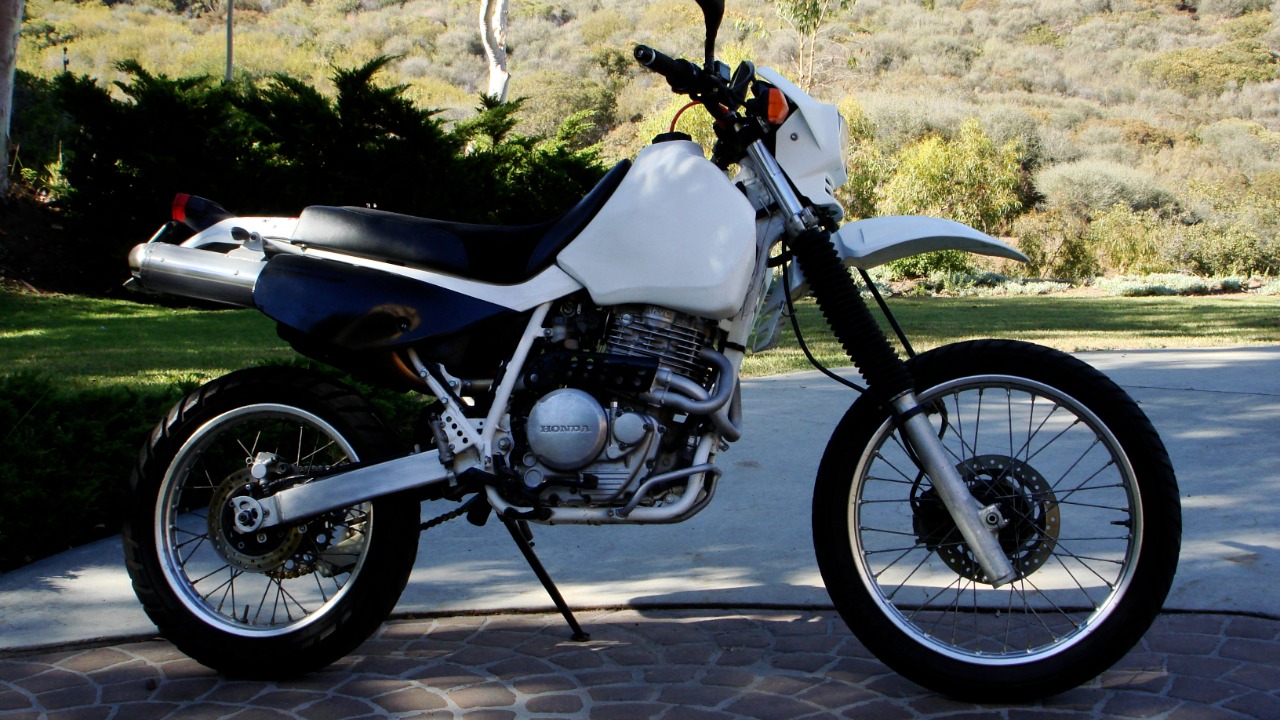
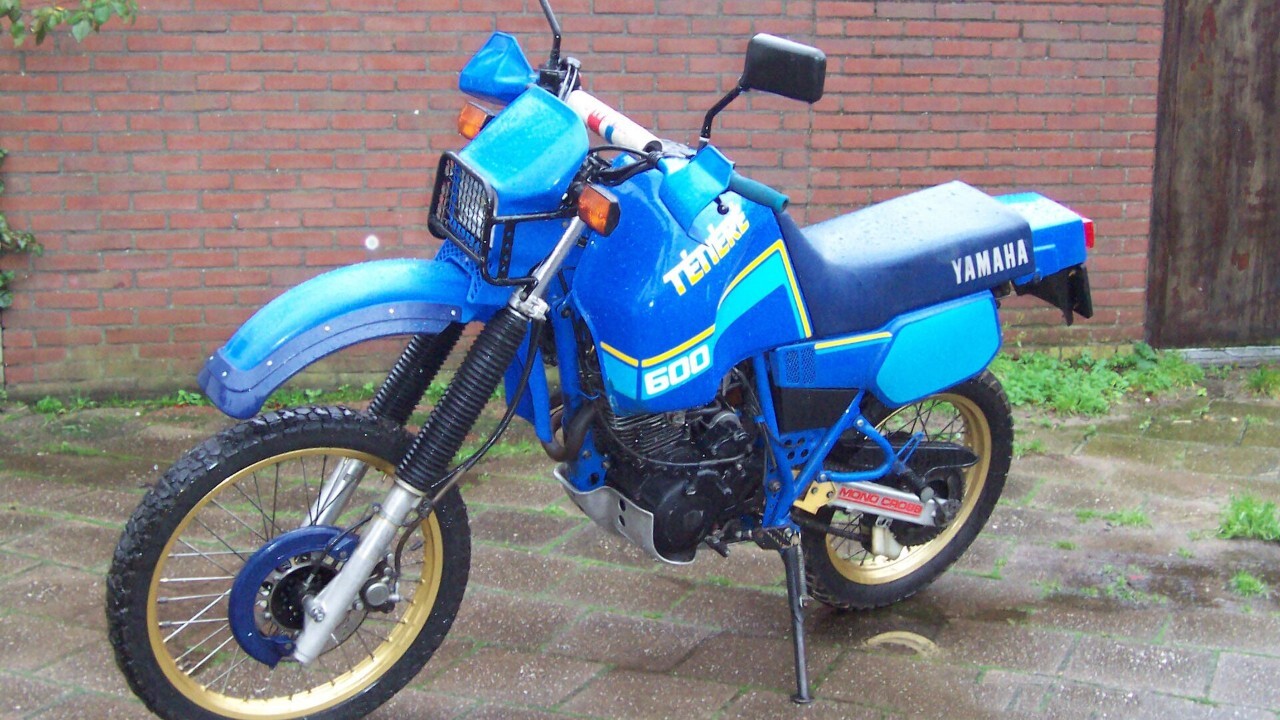
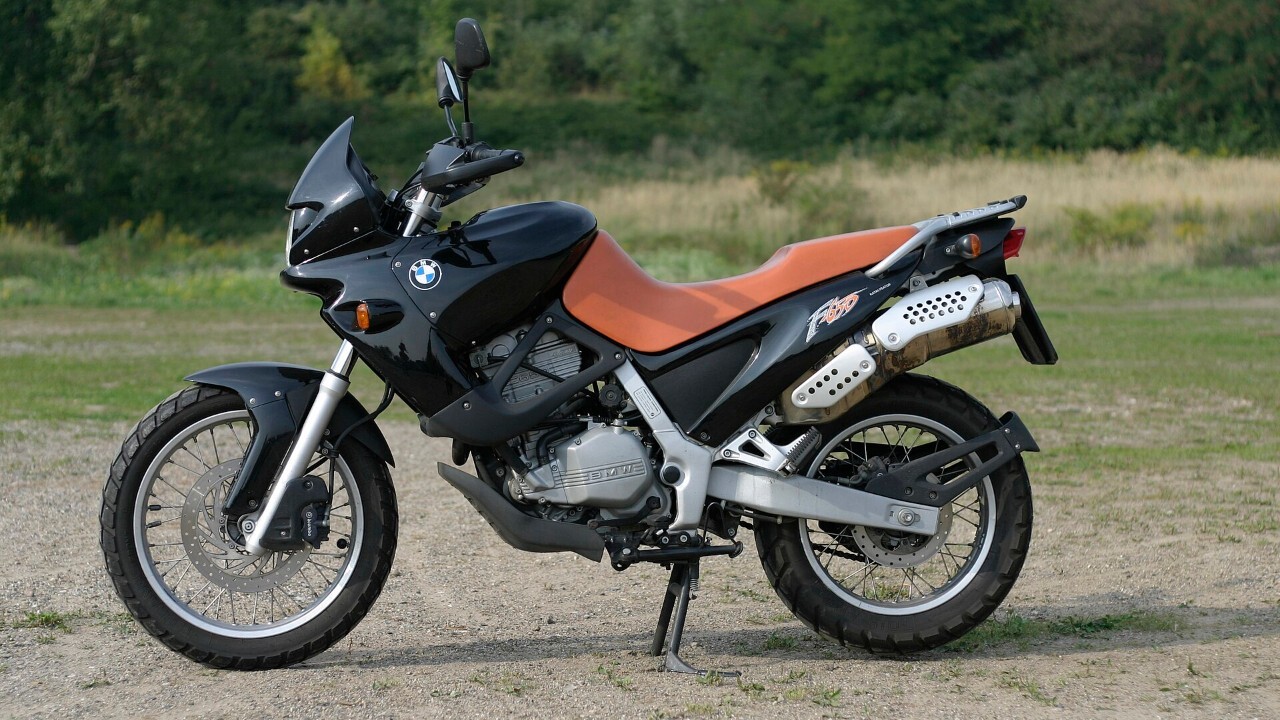
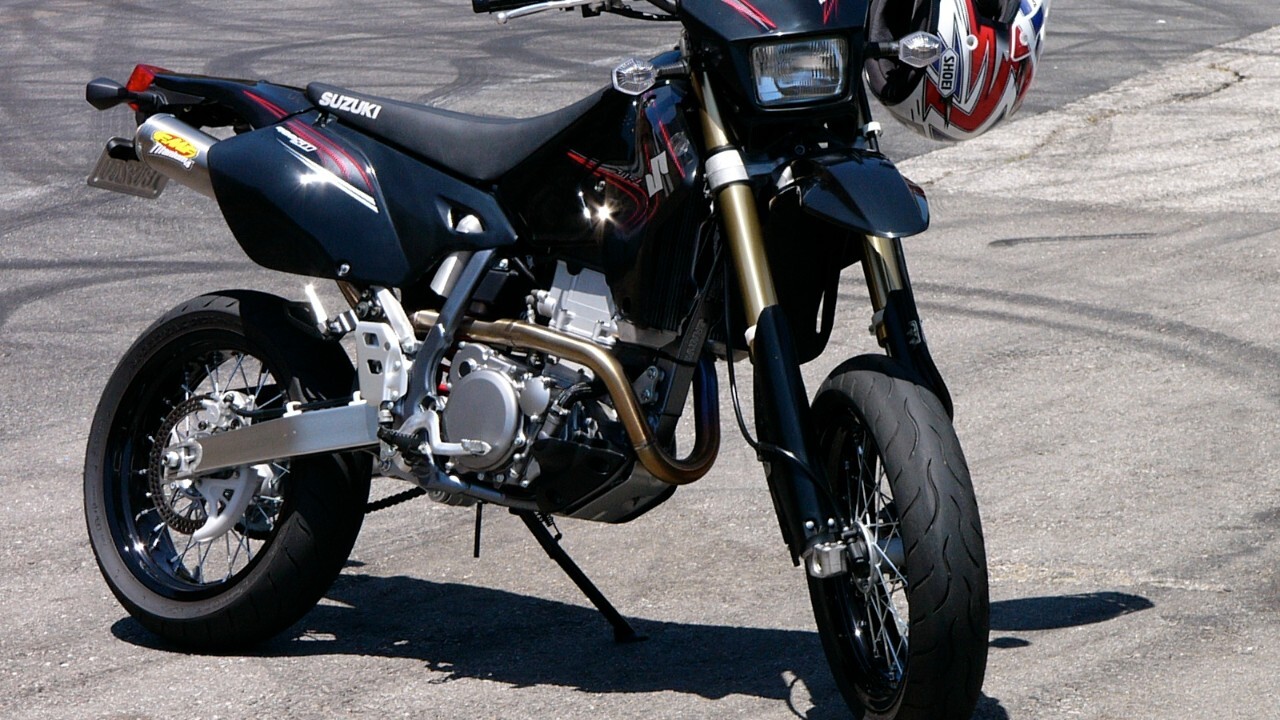
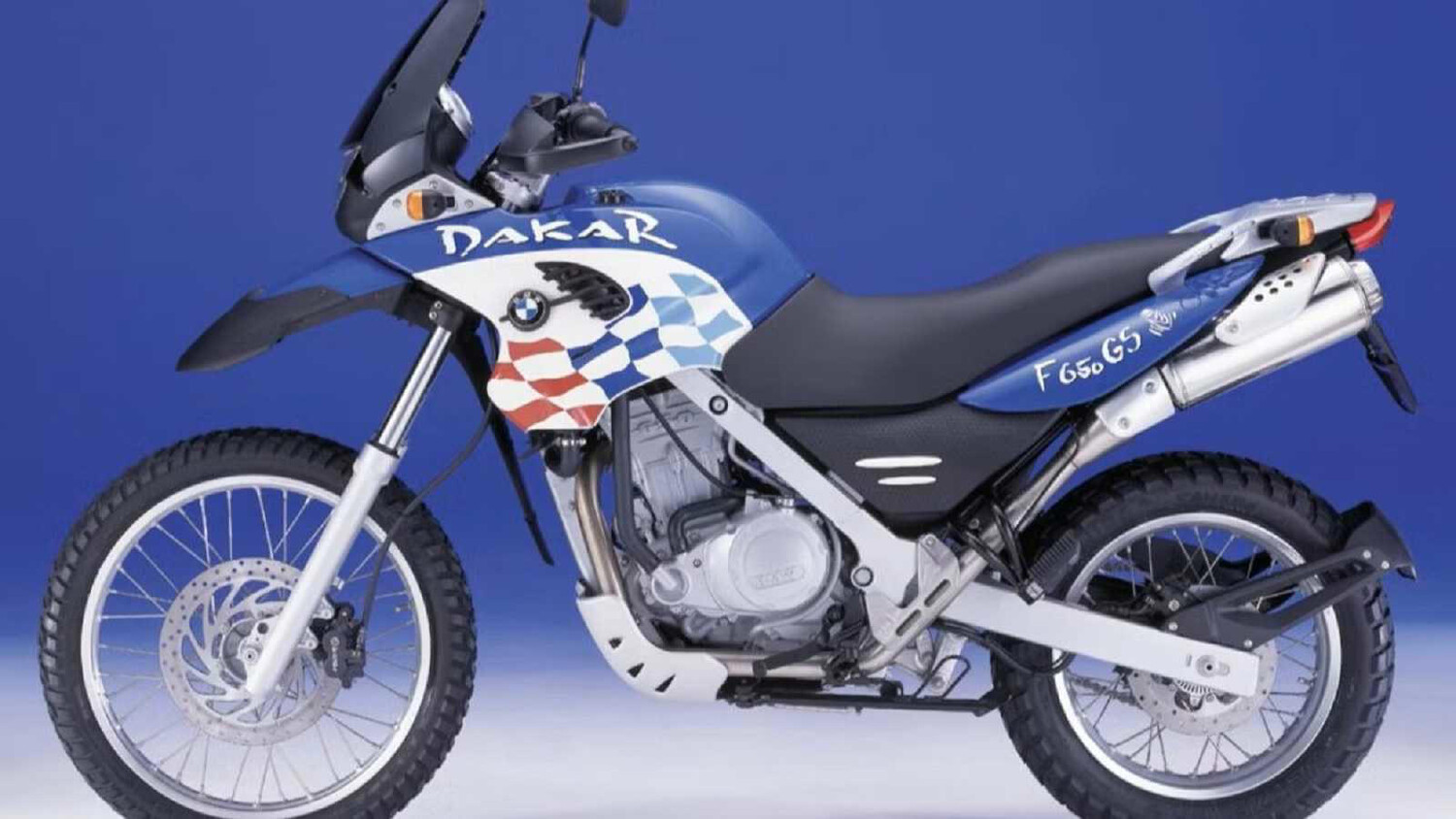
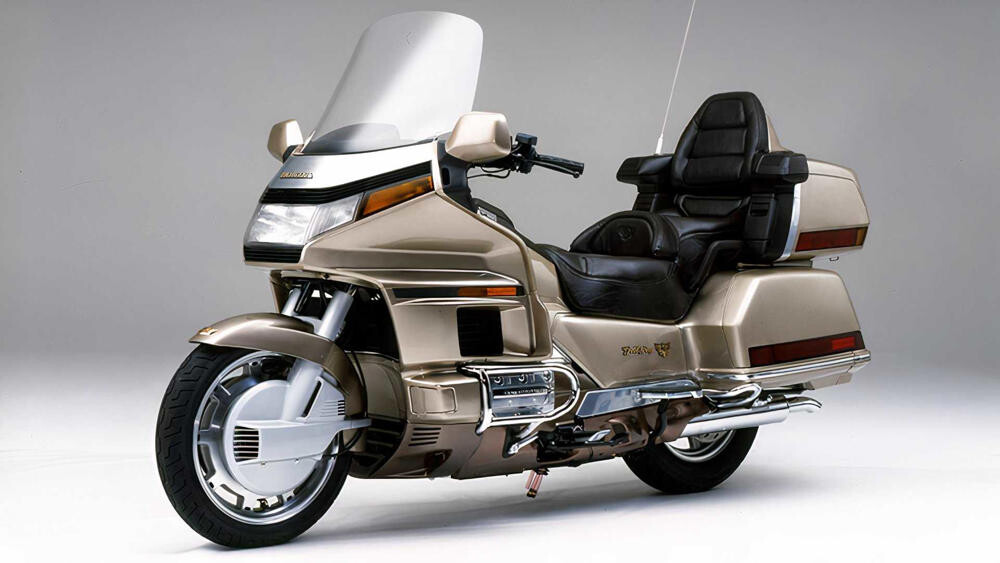
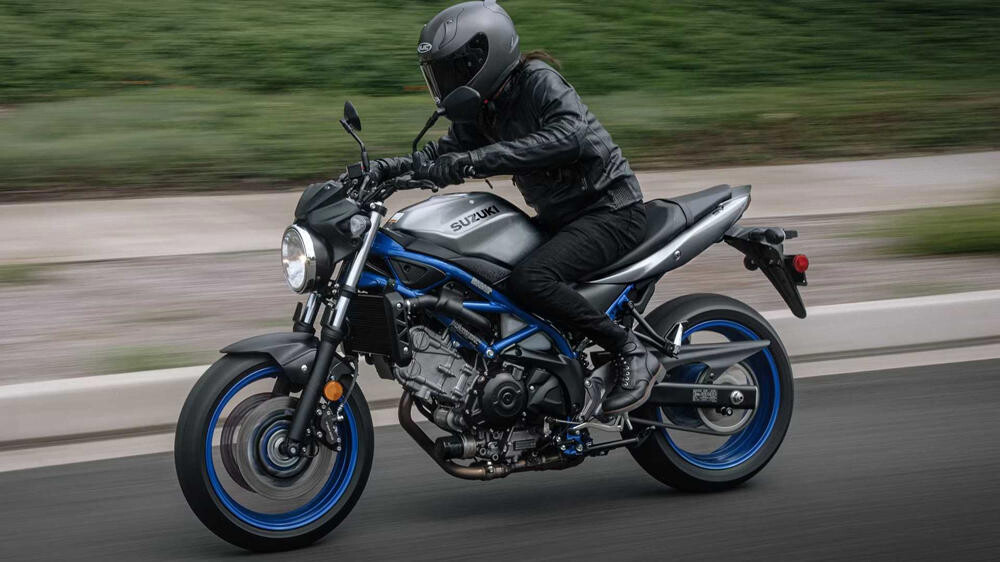
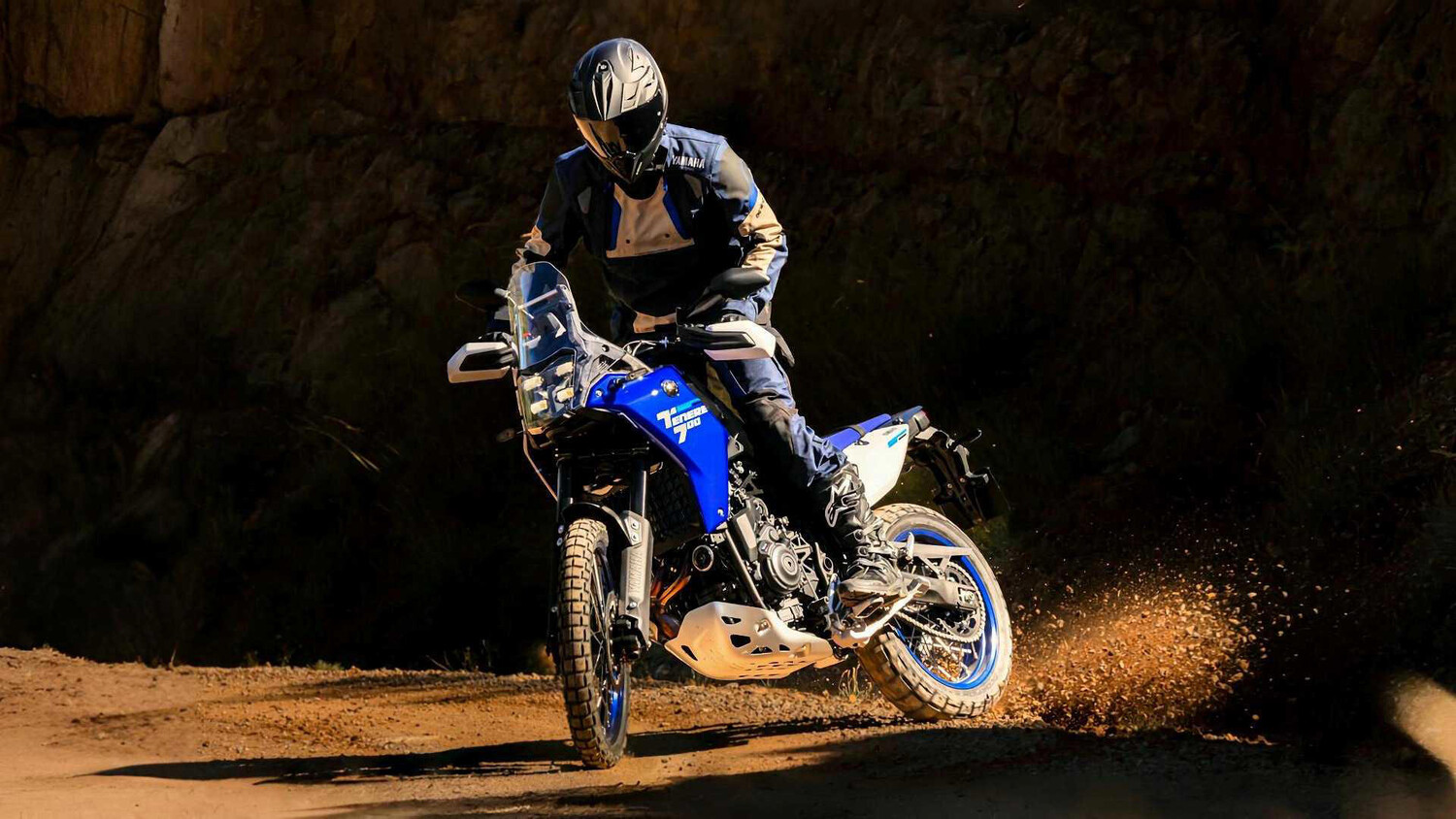
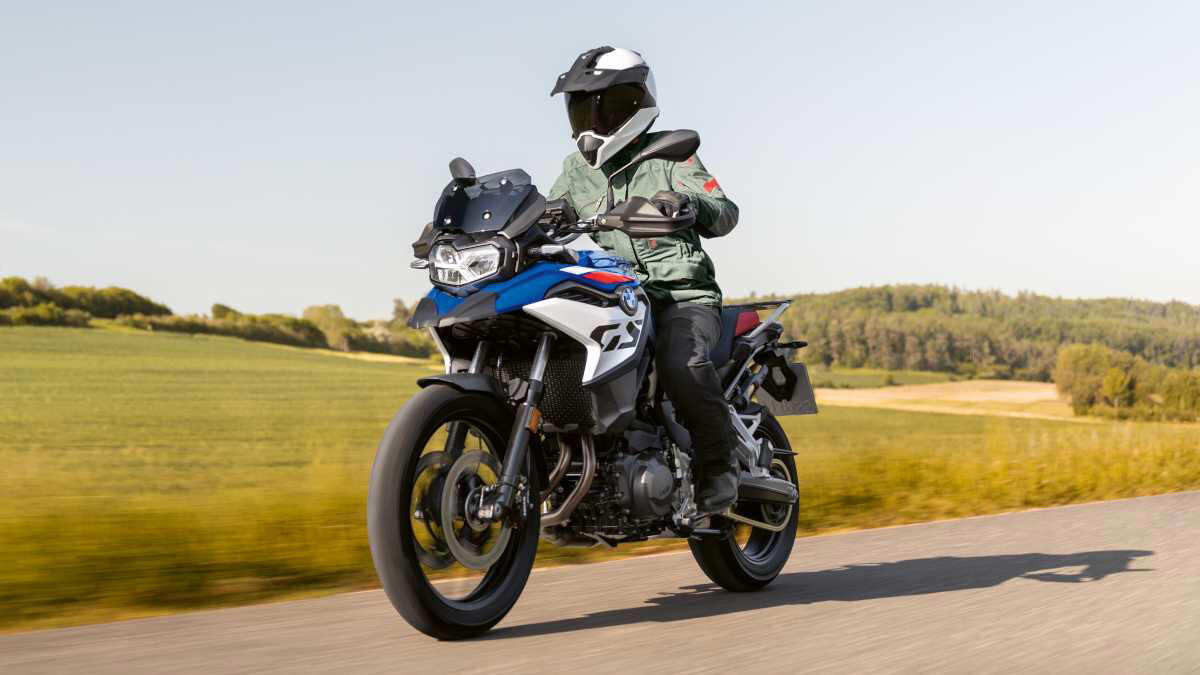
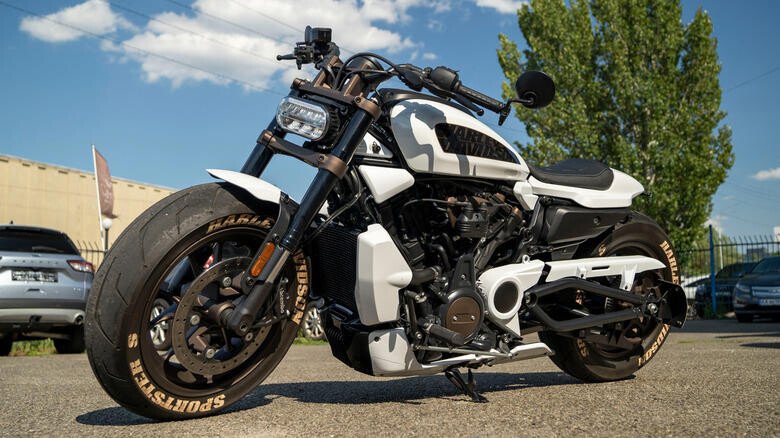
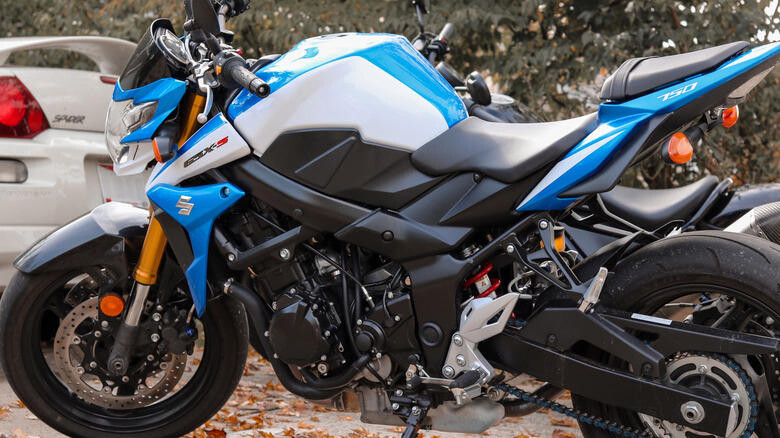
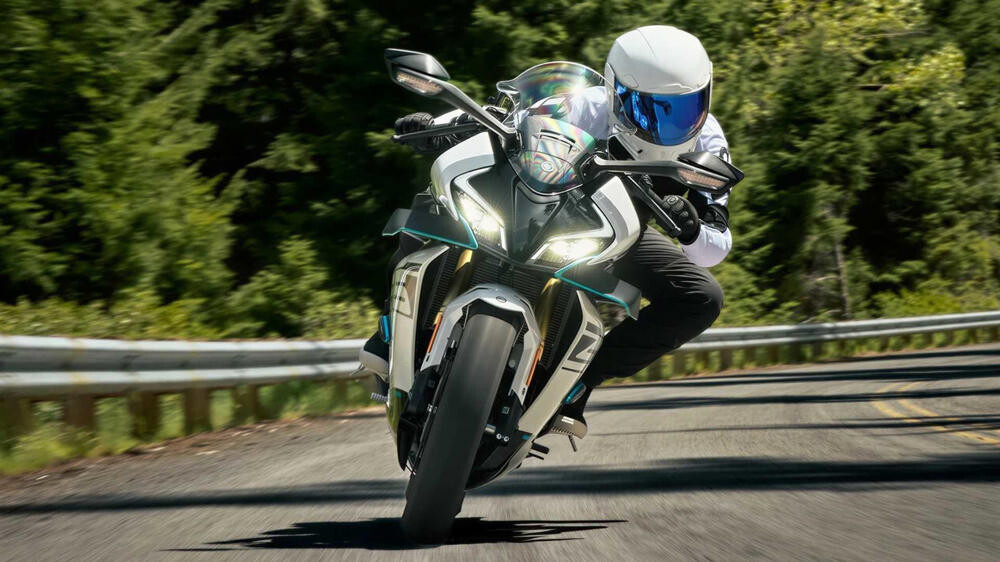
Honda first sold the XR650L as a 1993 model, and the Honda XR650L has barely changed since. That kind of staying power says a lot about one cylinder. A single is light, narrow and simple to fix, so it keeps finding new riders long after flashier bikes fade. Not every single makes the cut, though. Some shake too hard on the highway, and some were never built with riders’ wallets in mind. Others turned out better than anyone guessed when they left the showroom. These are our picks: 12 single-cylinder motorcycles we would point you toward today, from 1970s trail bikes to dual-sports you can buy new. The facts come from the makers and from motorcycle references. Every recommendation is our own opinion. 1. 1973 Honda XL250 The XL250 arrived in 1972, and it changed what a trail bike could be. It is widely credited as the first modern four-stroke enduro. It is also cited as the first mass-produced motorcycle with four valves per cylinder. Before it, most dual-purpose bikes buzzed along on two-stroke engines. The numbers look modest now. The 250 cc engine made about 20 horsepower, and the bike weighed roughly 288 pounds with fuel and oil. Even so, it gave weekend riders a torquey, quiet machine that started reliably and did not foul plugs on a slow climb. Honda kept the XL family going through most of the 1980s. Then, in 1992, the company launched the XR250L and XR650L, which carried the same idea forward. Our take: a 1973 XL250 makes a charming first vintage bike. Parts are simpler than on many European classics, and the engine is easy to understand. If you shop for one, look for intact original tins and exhaust, because those pieces are harder to replace than the mechanical bits. Ride it on fire roads rather than single-track, and you will see why it started a whole category. 2. Royal Enfield Bullet 500 Few motorcycles can claim a run like the Bullet. The name has been in continuous production since 1932. That makes it one of the longest-running designs in motorcycling. Its second life began in India after the Indian Army ordered Bullets in 1949, and the company then set up a factory in Madras. At its height, that plant reportedly built more than 20,000 Bullets a year. A 499 cc version first appeared in 1953. Over the decades, the engine moved from cast iron to a lean-burn design and finally to an all-aluminium unit-construction motor. By 2011 the cast-iron engine was gone. Later, the 500 cc Bullet bowed out in India in 2020 because of tougher emission rules. We like the Bullet 500 for riders who want an old-school feel without hunting for a 1950s British bike. It thumps along at back-road speeds, and it rewards a relaxed pace. However, it is not a highway cruiser, and older cast-iron bikes need regular attention. If you want fewer surprises, look for a late unit-construction model. In our view, that version keeps the character and trims the fuss. 3. Honda GB500 Clubman The GB500 looked like a 1960s British café racer, but it ran like a Honda. Japan got it first in 1985. America saw the 500 cc version only for the 1989 and 1990 model years. Its looks drew on Isle of Man machines such as the Manx Norton and BSA Gold Star, with wire wheels, a solo seat and a pinstriped tank. Under that tank sat a 498 cc air-cooled single with an overhead camshaft and four valves, derived from Honda’s XR500 dirt bike. It made about 33 horsepower at the rear wheel. Honda also fitted both electric and kick starting. On the 1989 and 1990 bikes, an automatic decompressor in the camshaft made kicking easier. Sales were slow, so in 1992 roughly 1,000 unsold American bikes went to Germany as grey imports. There, dealers sold them under the Clubman name. Our take: this is the classic-style single we would buy if reliability matters as much as looks. Clean examples now command strong prices, so budget accordingly. Check the kick-start decompressor and the condition of the paint before you pay, since original trim drives the value. 4. Suzuki Savage LS650 Suzuki launched the LS650 Savage in 1986, and it stayed in the lineup for more than three decades. It was a small, simple cruiser with a 650 cc single. At first it had a four-speed gearbox. Then Suzuki added a fifth gear in 1993, which made highway stretches a little easier. For 2005, Suzuki moved its cruisers under the Boulevard name, so the Savage became the Boulevard S40. The bike finally dropped out of Suzuki’s lineup for 2020. RideApart’s look back at the Savage called it perfectly competent and well suited to new or smaller riders. The same piece also noted that vibration got tiring at 65 mph. Still, the writer named it alongside the Honda Rebel as a good first bike. We would steer a beginner toward a used Savage because it is low, light and honest. The single-cylinder layout also keeps routine maintenance simple. Tall riders should sit on one before buying, though, because the cockpit feels cramped after an hour. Pick a later five-speed bike if you plan any interstate miles. After all, that simplicity is the whole point of a Savage. 5. Yamaha XT600Z Tenere The Tenere name comes from the Sahara, and the bike came from rally racing. Yamaha launched the first XT600Z in 1983, inspired by the Paris-Dakar machines that won the event in 1979 and 1980. That first model carried a 30-litre tank and race colors. The bike in our photo is the second-generation 1VJ, which arrived in 1986. According to MCN’s history of the Tenere, it sat closer to the rally bikes. It also had a smaller 21-litre tank and 46 bhp thanks to new carburetors and a new airbox. Most importantly for daily use, it was the first Tenere with an electric starter. Our take: the 1VJ is the sweet spot for riders who want the Dakar look and an easy start on a cold morning. It was never common in North America, so expect to search European listings. Before you buy, check the frame for crash damage and confirm the starter works, since that was the big upgrade over the first model. In 1988, Yamaha replaced the 1VJ with the twin-headlight 3AJ and its frame-mounted fairing. 6. 1993 Honda XR650L Honda released the XR650L in 1992 as a 1993 model, and it remains on sale with few changes. The recipe was clever. Honda took the engine from the NX650 Dominator and put it in a lighter chassis based on the XR600R. The result was a street-legal dirt bike with lights, mirrors and an electric starter. The engine is a 644 cc air-cooled SOHC single. That simple layout means no radiator to puncture on a rocky trail. Seat height runs about 37 inches, so shorter riders should try one first. The bike weighs about 349 pounds wet and carries 2.8 gallons of fuel, so plan your stops on remote routes. On Honda’s own XR650L page, the 2025 model lists at $6,999 before a $600 destination charge. We think a 1993 Honda XR650L is one of the smartest used buys in this list. Because the design changed so little, a 30-year-old bike rides much like a new one. Look for a bike with records of valve adjustments and oil changes. Also, budget for suspension work if the bike has spent years on hard trails. 7. Suzuki DR650S The DR650 has been in production since 1990, when it replaced the 590 cc DR600. Suzuki added electric starting early in the bike’s life. Then the long-running SE version followed in 1996. Today the bike carries the DR650S name in the U.S. lineup. Its engine is a 644 cc SOHC single cooled by air and oil through Suzuki’s SACS system. A gear-driven balancer shaft smooths out the vibration, and a 40 mm Mikuni carburetor keeps things simple. On Suzuki’s 2026 DR650S page, the base price is $7,299 plus destination. Suzuki also offers a kit that lowers the 34.8-inch seat by 40 mm. Meanwhile, the spec sheet lists 260 mm of wheel travel and a 366-pound curb weight. Our take: if you want one bike for gravel roads, commuting and a long trip, this is the single we would buy new. Used examples are plentiful, too. Look for a bike that has not been modified into a race project, unless you know exactly what was done. Then, in our view, spend the money you saved on a better seat and luggage. 8. BMW F650 ST BMW had not sold a single-cylinder bike since the R27 of 1960 to 1966. The F650 changed that in 1993. It also became BMW’s first chain-driven motorcycle since the 1960s. Instead of building the engine in-house, BMW used a 652 cc four-valve Rotax single, and Aprilia assembled the bikes in Italy. The Strada, or ST, was the road-biased version and launched in Europe first. It rode on an 18-inch front wheel instead of the Funduro’s 19-inch wheel. It also had a lower seat and less ground clearance. Output came to about 48 horsepower. American buyers did not see the F650 until 1997. This first-generation F650 then stayed in production until 2000, when BMW moved on to a new design. We like the F650 ST as a light, affordable way into BMW ownership. It handles city streets and back roads with ease, and the low seat suits more riders. However, the youngest of these bikes are now more than 25 years old, so ask for service records and ride it before you pay. If you plan rough trails, look at the taller Funduro instead. 9. Suzuki DR-Z400SM Suzuki began building the DR-Z400 in 2000. The supermoto SM version followed for 2005. It swapped the dirt wheels for 17-inch sportbike-style rims and added inverted forks and oversize disc brakes. That turned a trail bike into a street scalpel. The engine is a 398 cc liquid-cooled single, and it pulls hard enough to make city traffic fun. Kawasaki even sold a near-twin of the DR-Z400 as the KLX400. Meanwhile, the Australian Army has used a modified DR-Z. Suzuki later replaced the line with the DR-Z4S family. Over the years, the range included the DR-Z400, DR-Z400E, DR-Z400S and DR-Z400SM. For pavement, the SM is the one to want, because its street wheels and brakes came from the factory rather than a parts catalog. Our take: the DR-Z400SM is the most fun single on this list for paved back roads. It is light, upright and easy to service at home. When you shop, ask whether the bike has seen track days, and check the wheel bearings and chain. A clean, mostly stock example is worth paying extra for. 10. 2008 KTM 690 Duke KTM’s Duke story goes back to the 1994 Duke 620. That bike put a big dirt-bike single into a naked street chassis. The 2008 690 Duke, the third generation, used a 653.7 cc version of the liquid-cooled LC4 engine. It made about 60 horsepower, which is plenty for a bike this size. KTM gave it serious hardware for a single. There was a 48 mm WP inverted fork, a Brembo four-piston front caliper and forged Marchesini wheels. A slipper clutch also helped calm the rear tire under hard downshifts. Later Dukes grew to 690 cc and then 693 cc with more power and electronics. Wet weight on the 2008 bike came to about 160 kilograms, which is light for this much punch. We would recommend the 2008 690 Duke to an experienced rider who wants a light, sharp naked bike on a budget. It is not a relaxed tourer, though, and the single pulses at speed. Look for service records and listen for a smooth idle. If you want fuel injection and modern rider aids, a later Duke is the safer pick. 11. Yamaha WR250R Yamaha introduced the WR250R in 2008 and built it largely unchanged through 2020. Its 250 cc engine was liquid-cooled, with double overhead cams and fuel injection. That was a lot of technology for a small dual-sport at the time. The bike made about 29.5 horsepower and weighed around 295 pounds wet. It also offered roughly 280 mm of suspension travel at each end. The name points to its wide-ratio gearbox, which handles slow trail work and highway speeds. Yamaha also sold a supermoto sister, the WR250X. Top speed sat around 87 mph, so the bike can manage a stretch of highway, although it feels busy there. By contrast, it shares few parts with the off-road WR250F, so do not expect race parts to bolt straight on. Our take: the WR250R is the small dual-sport we would buy used when we want real trail ability. It is light enough for a newer rider, yet capable enough for experienced ones. Since production ended in 2020, every example is a used bike, so condition matters more than mileage. Check the suspension seals and the radiator for trail damage before you buy. 12. Honda CRF250L Honda released the CRF250L in 2012 for the 2013 model year. Its 249.6 cc DOHC engine came from the 2011 CBR250R, retuned for low-down pull. Honda’s PGM-FI fuel injection, feeding four valves, made cold starts and mountain riding easy. Then, in 2017, Honda added the Rally version, inspired by its Dakar racers. The CRF250L ran through 2020. After that, Honda replaced it with the CRF300L for 2021. That long run means plenty of used bikes on the market. The Rally version added a larger fuel tank, Dakar-style bodywork and more suspension travel. For longer trips, that model is worth the search. The base L, on the other hand, suits tight trails and errands around town. We would point a first-time dual-sport rider straight at a used CRF250L. It is forgiving, cheap to run and easy to pick up after a tip-over. In our view, Honda built no gentler introduction to off-road riding in that decade. Expect to upgrade the suspension if you ride hard trails often. Finally, look for a stock exhaust and a clean air filter, which usually signal an owner who cared.

 Liked by Noah Wright, Gabriel Rogers
 Liked by Noah Wright, Gabriel Rogers