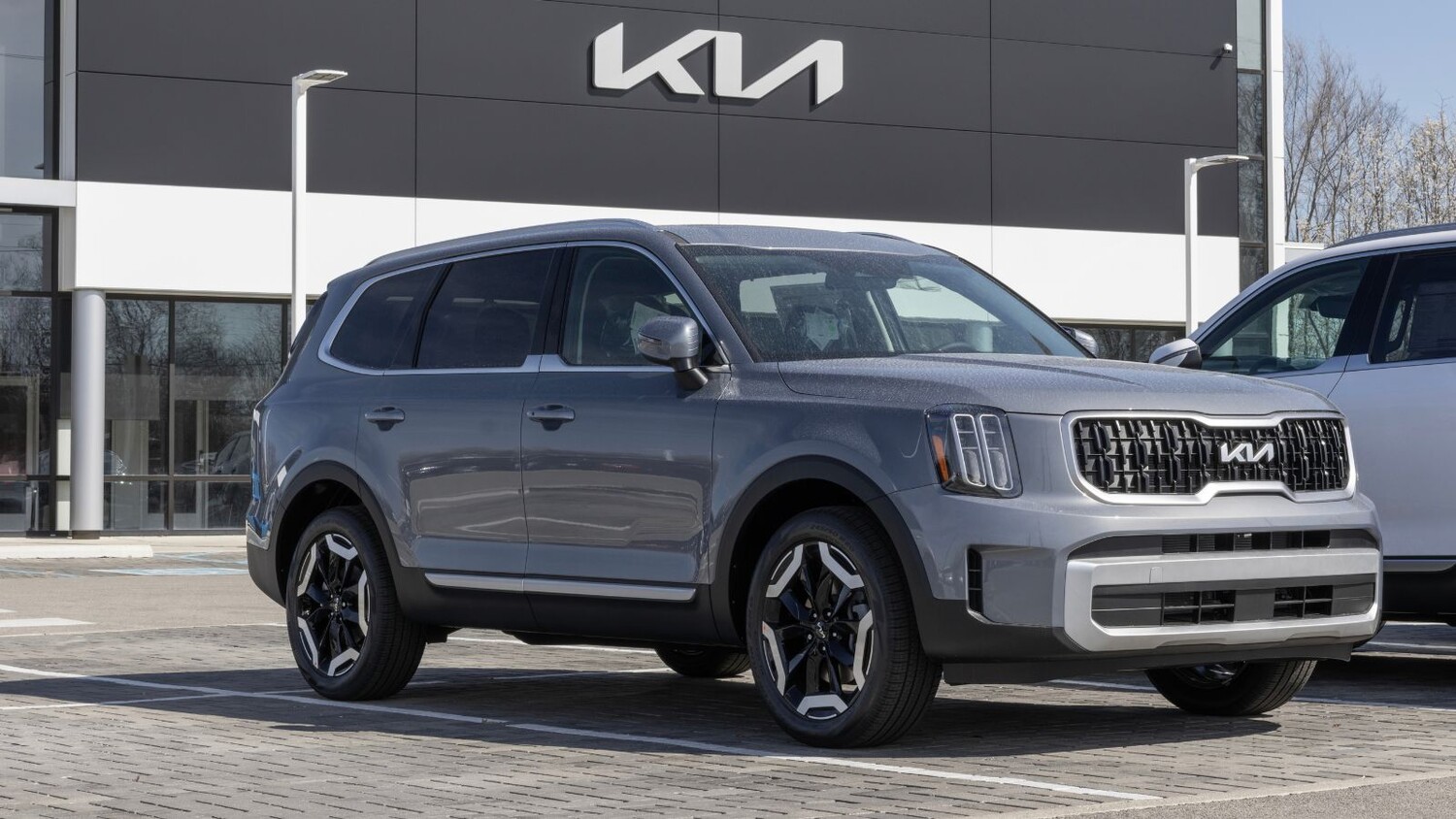
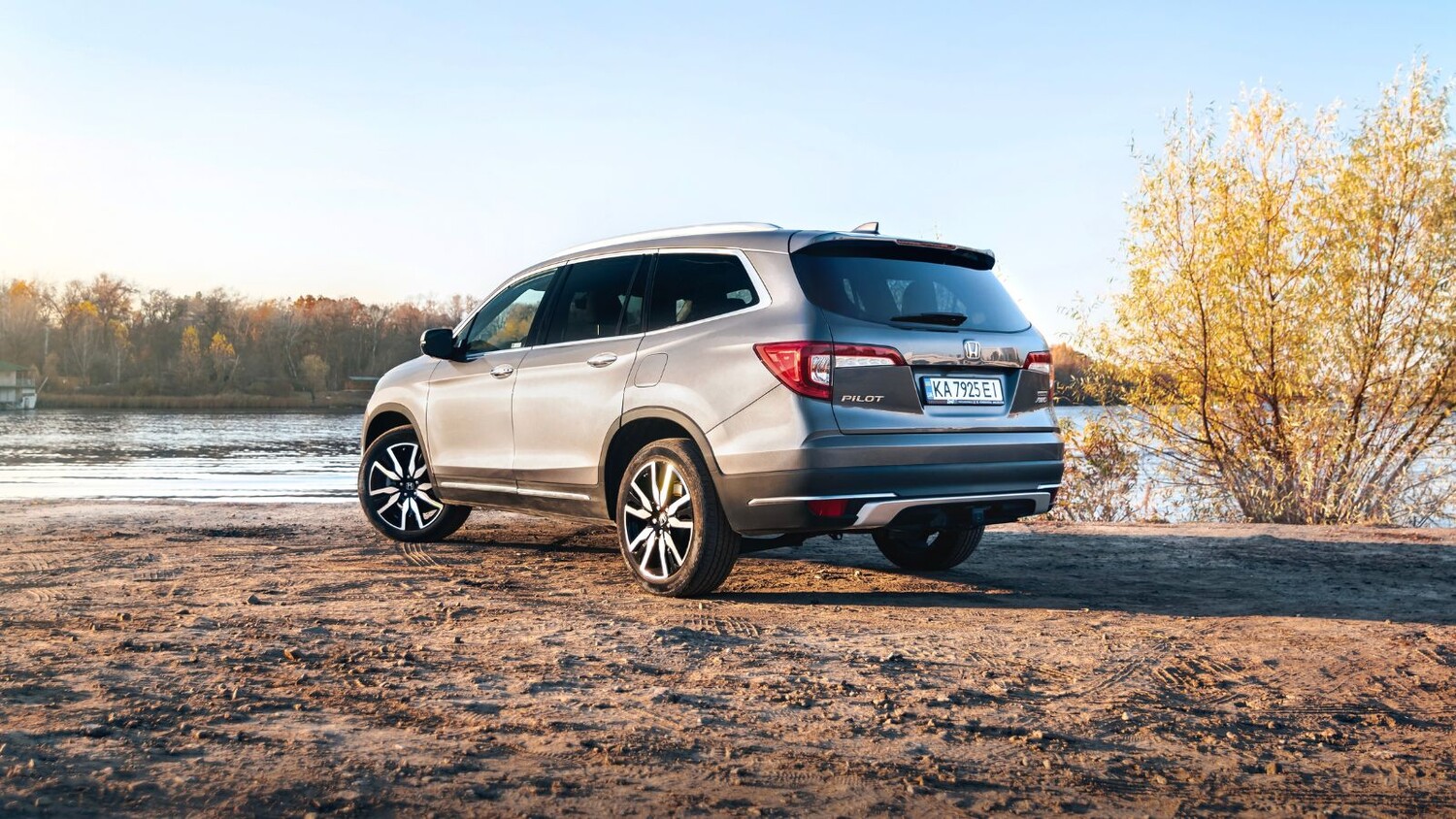
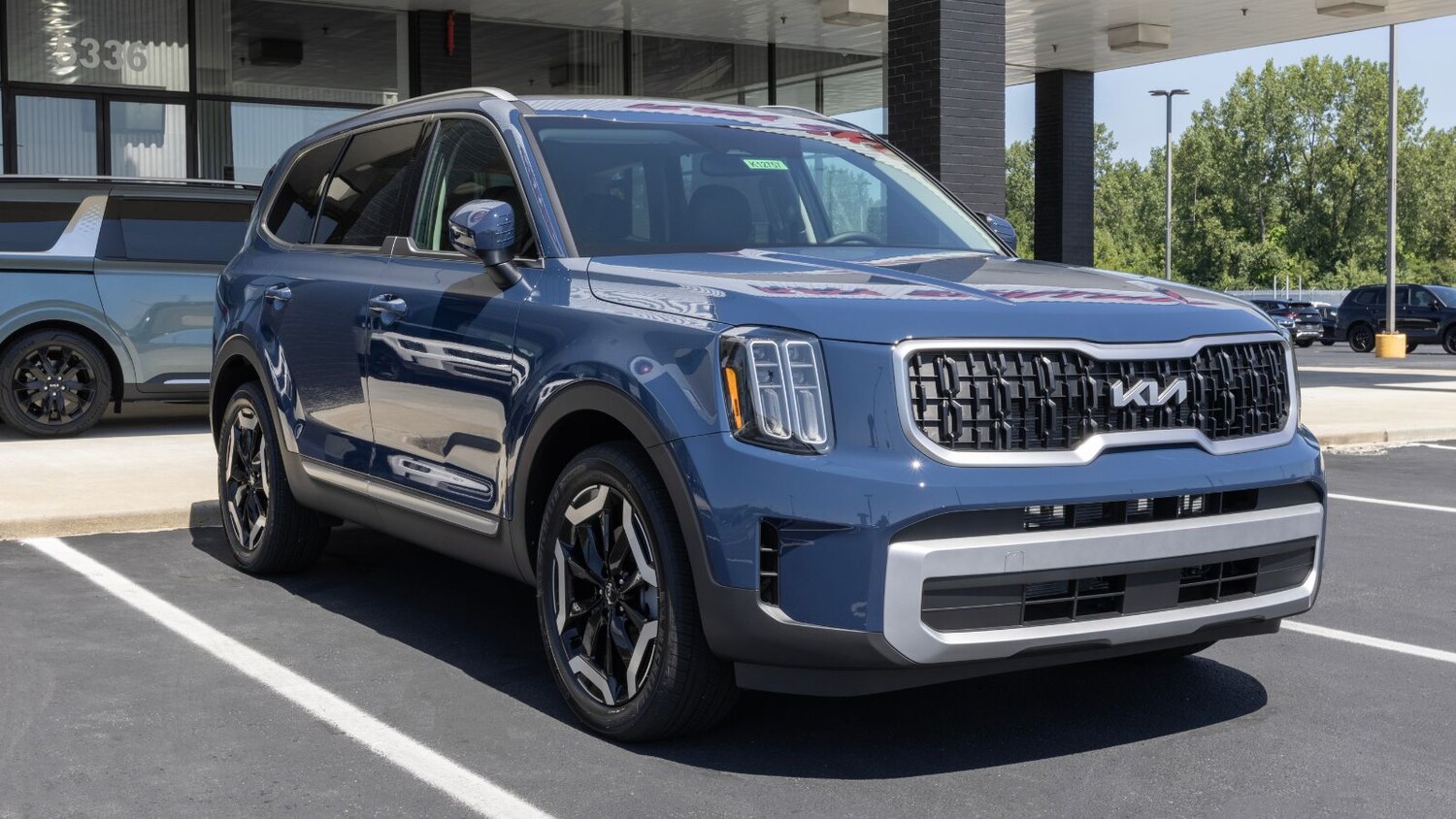
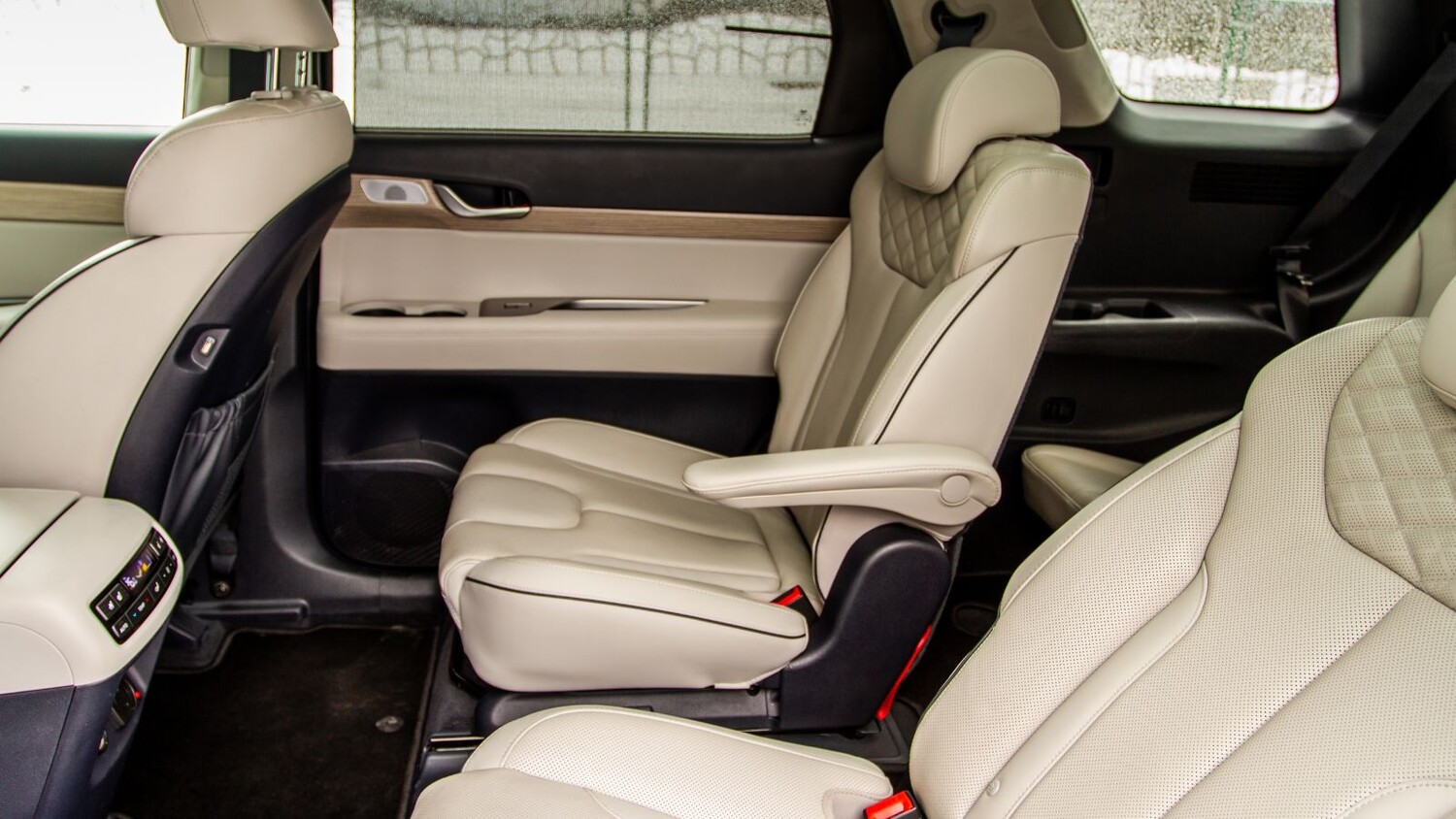
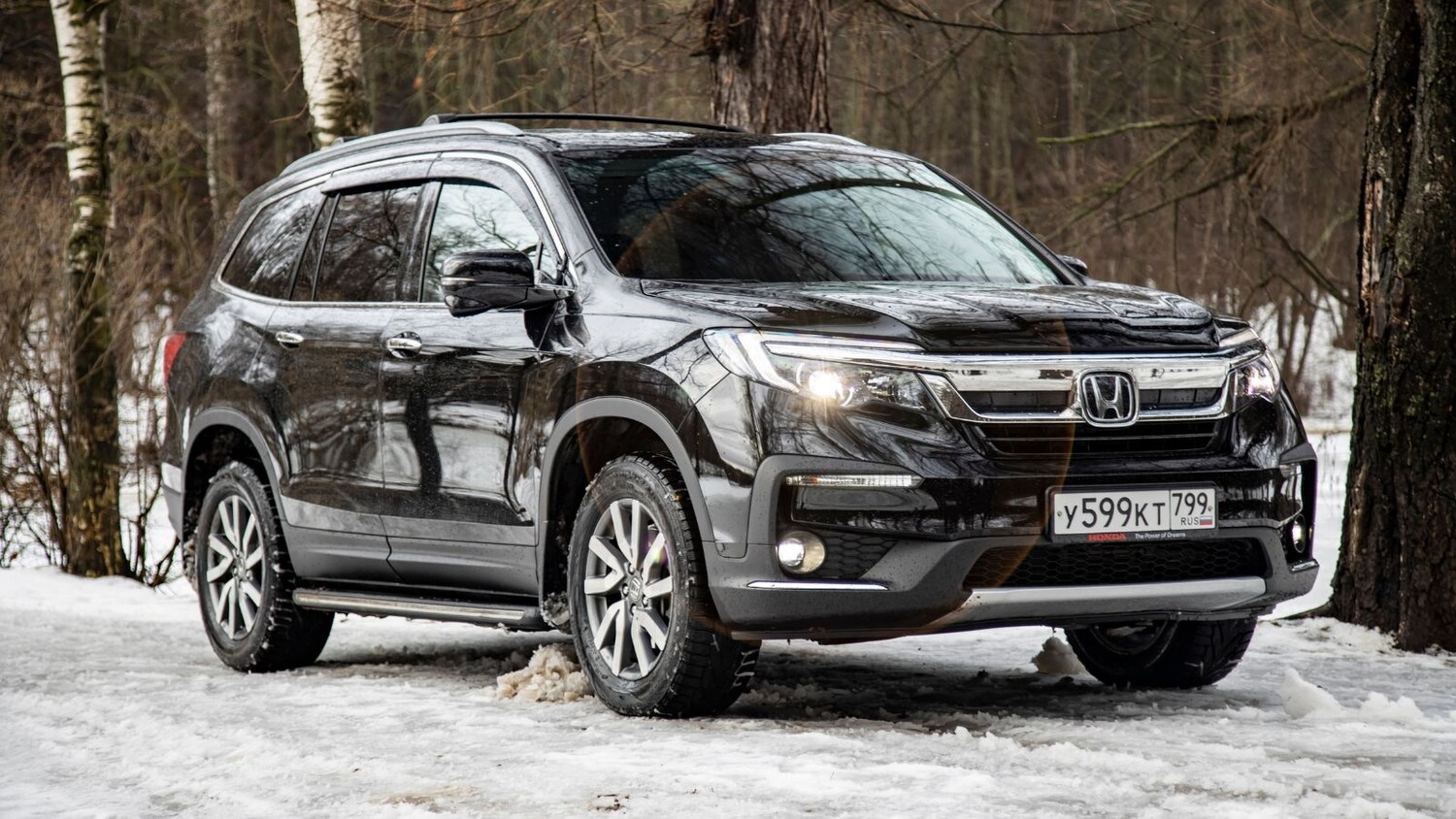
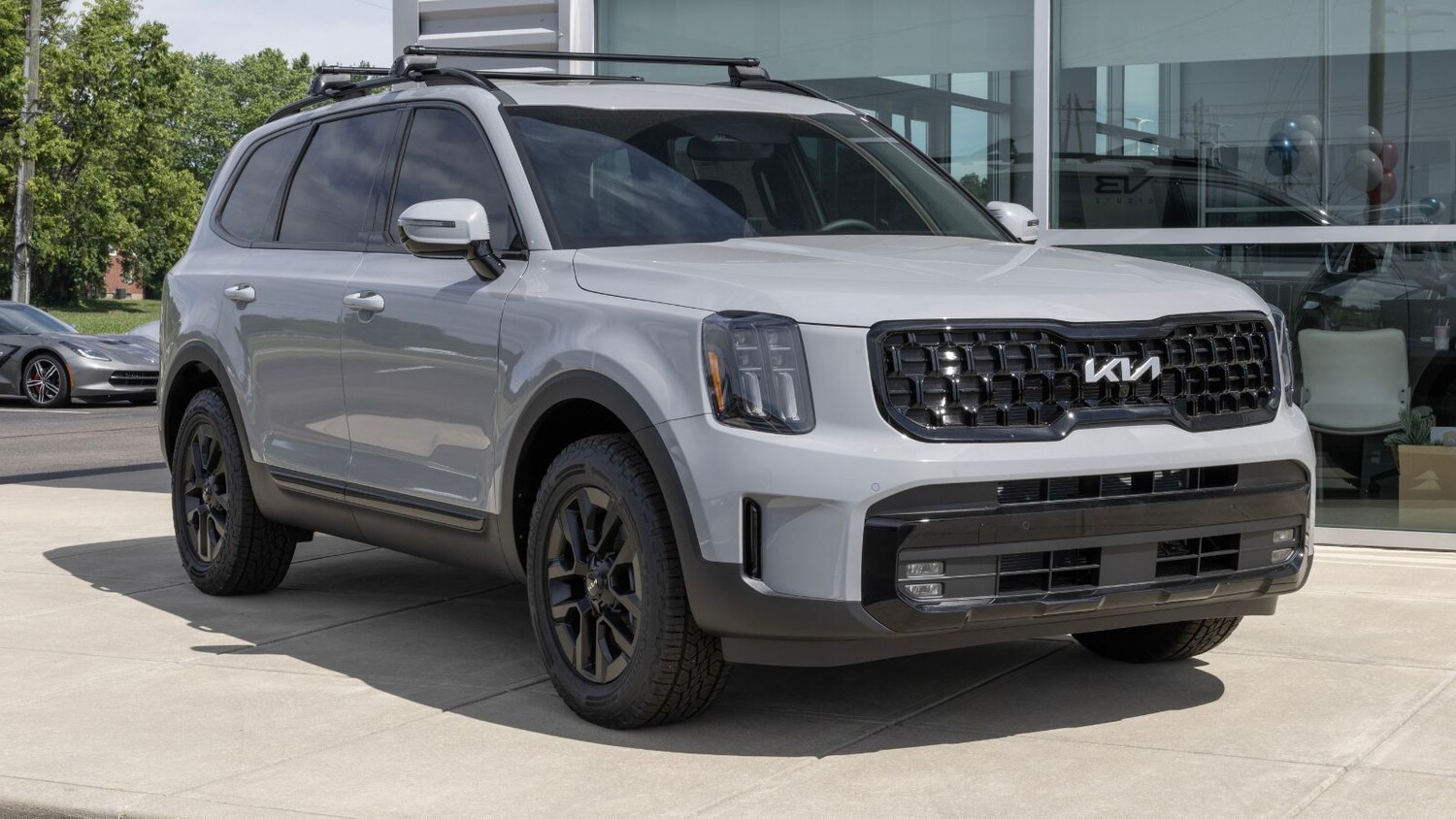
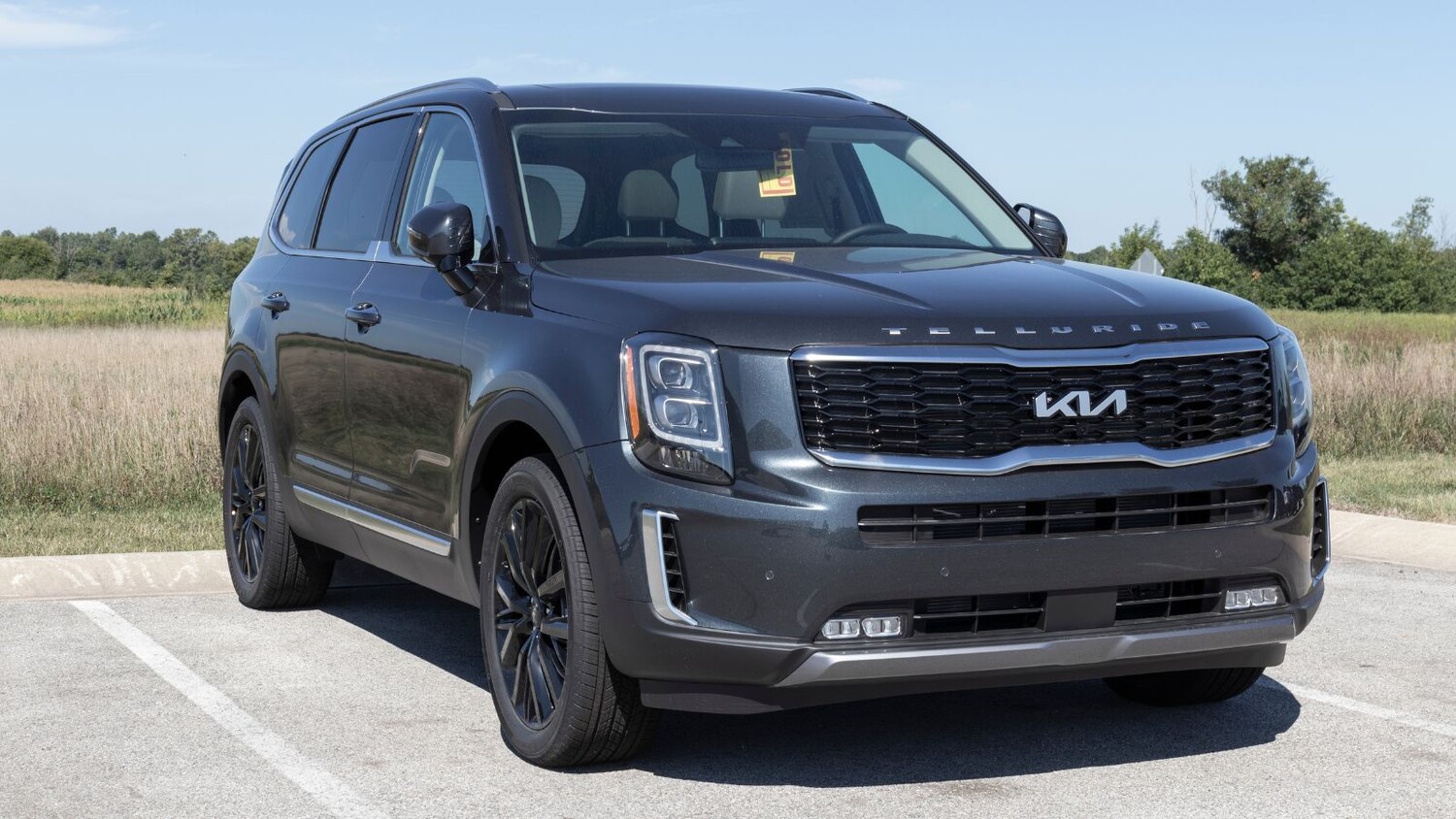
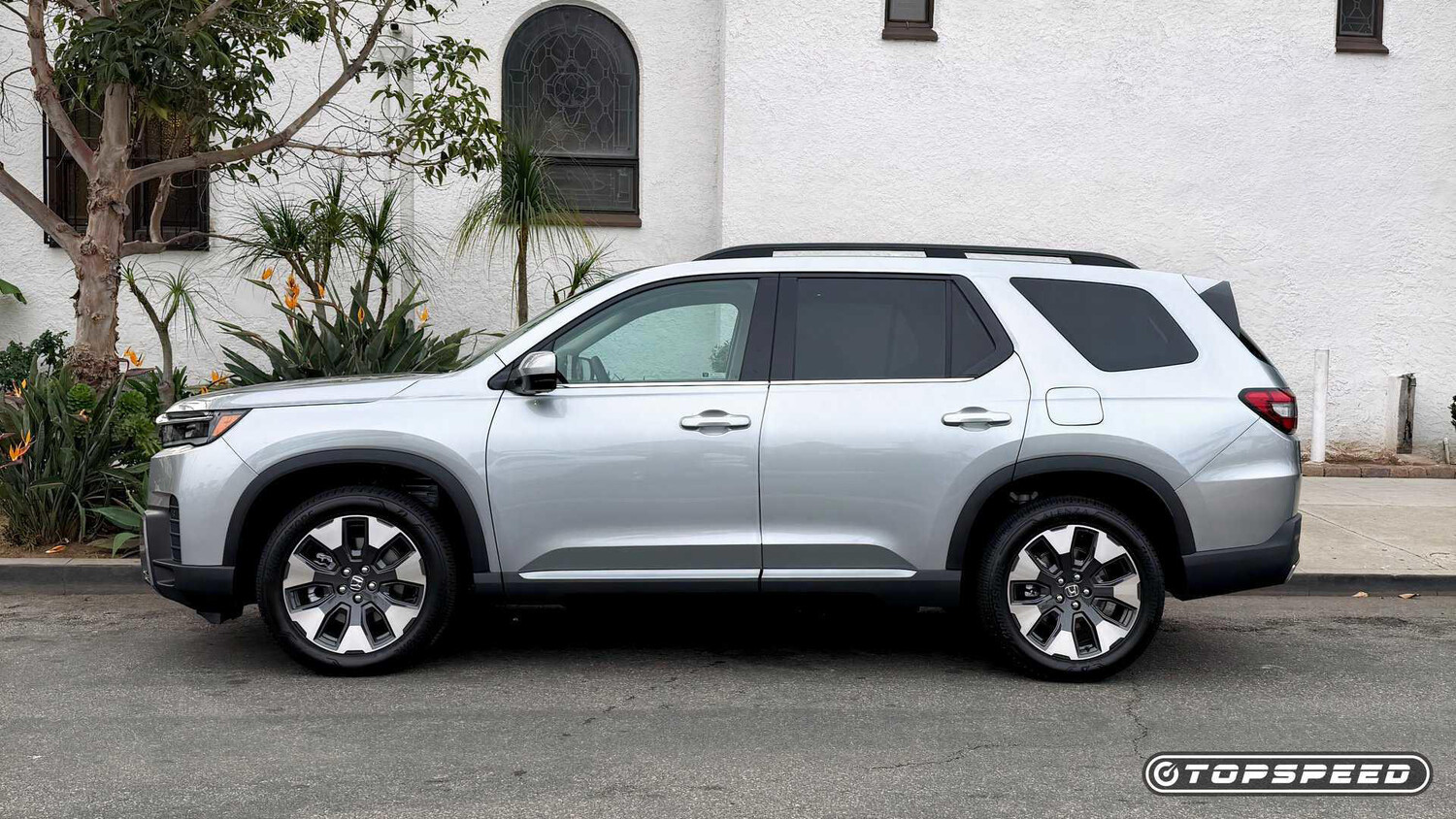
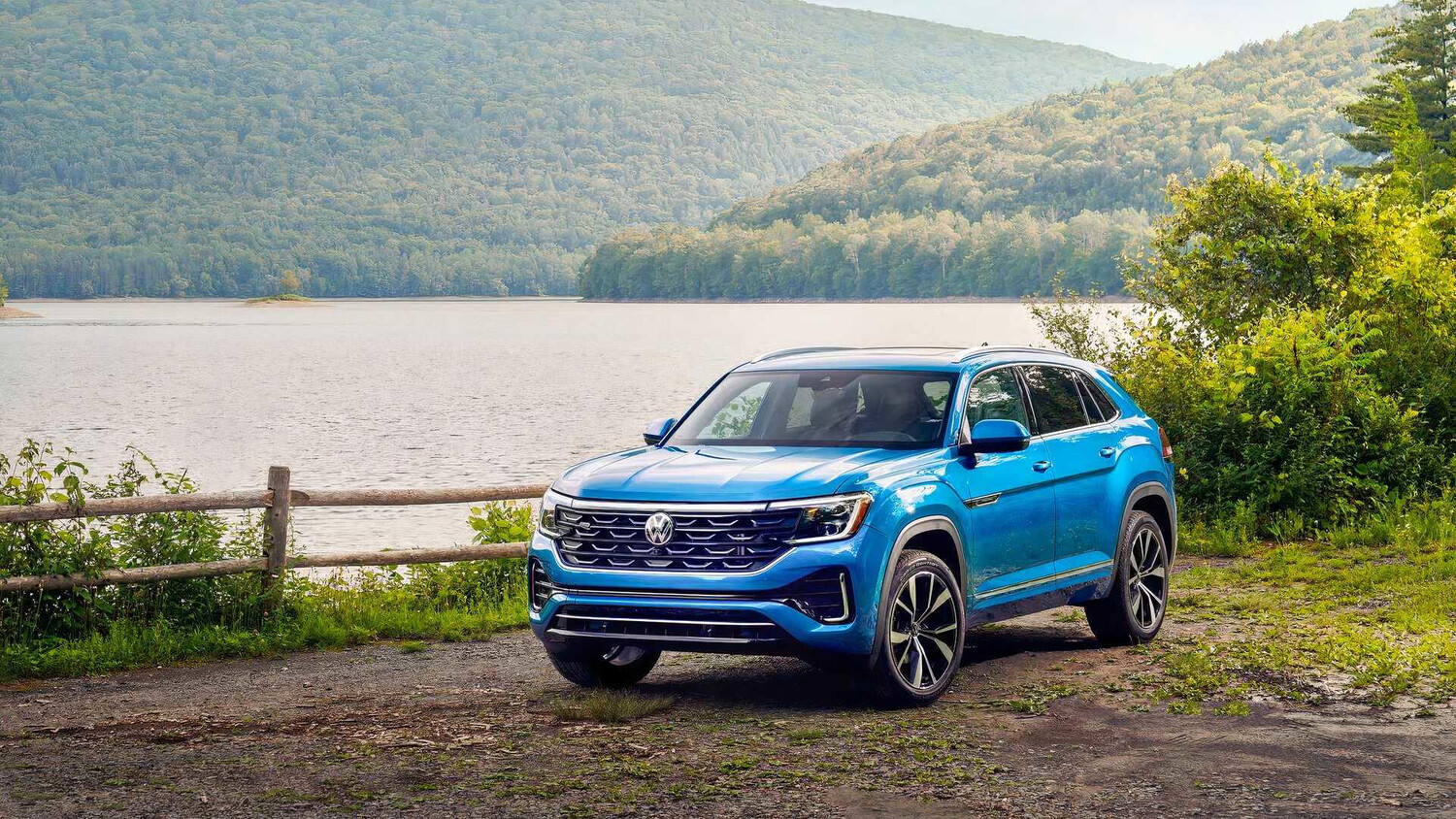
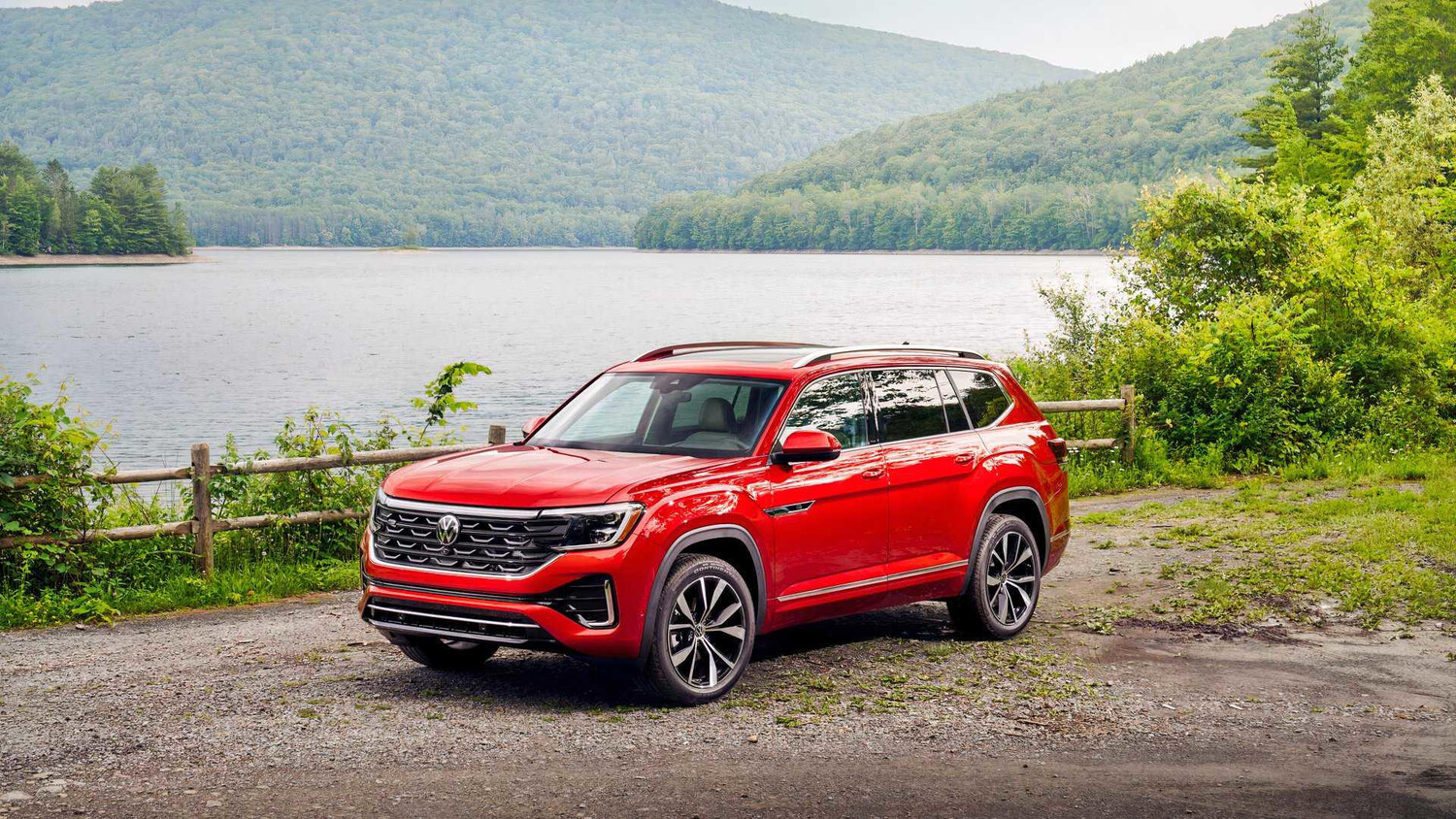
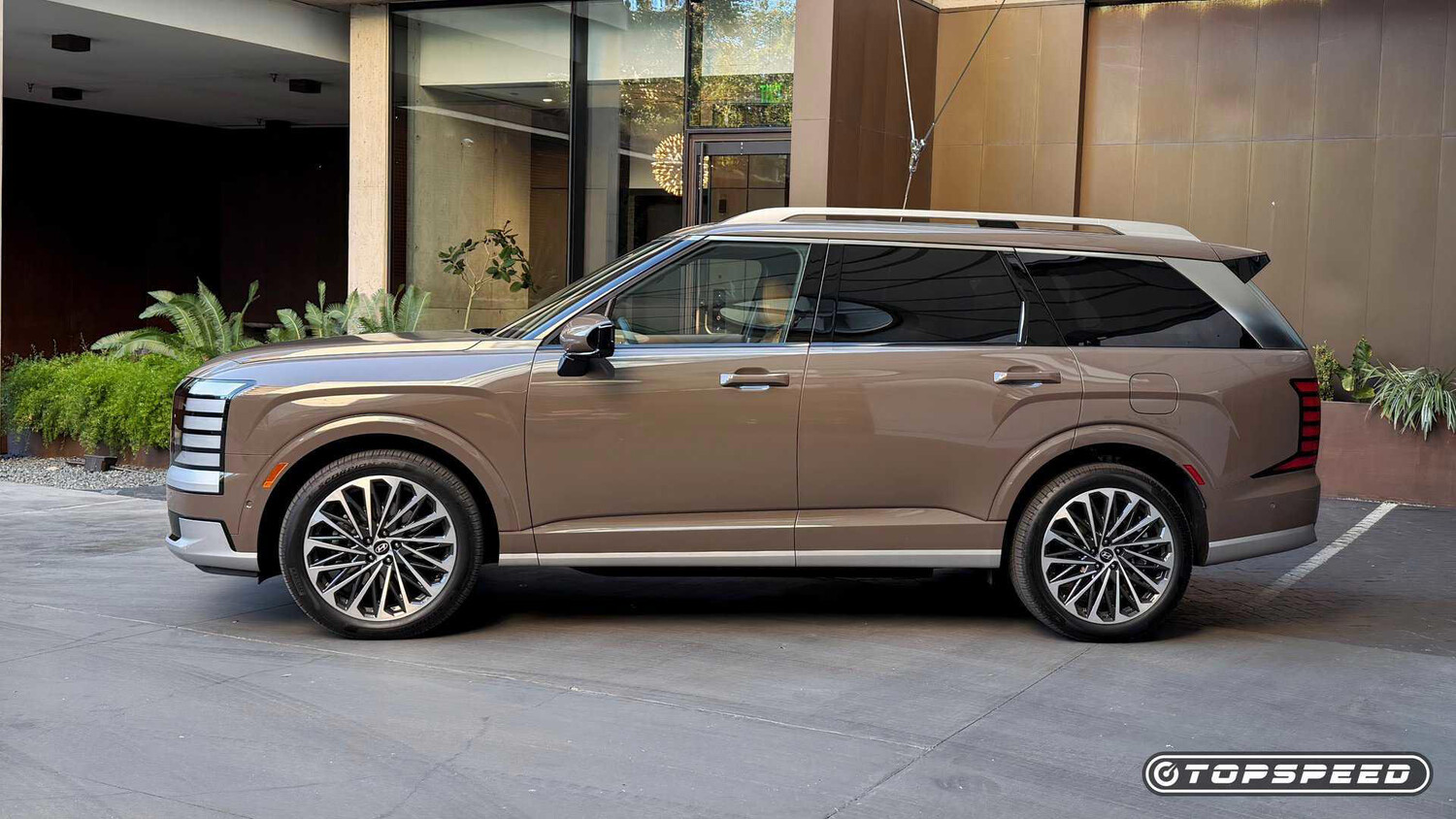
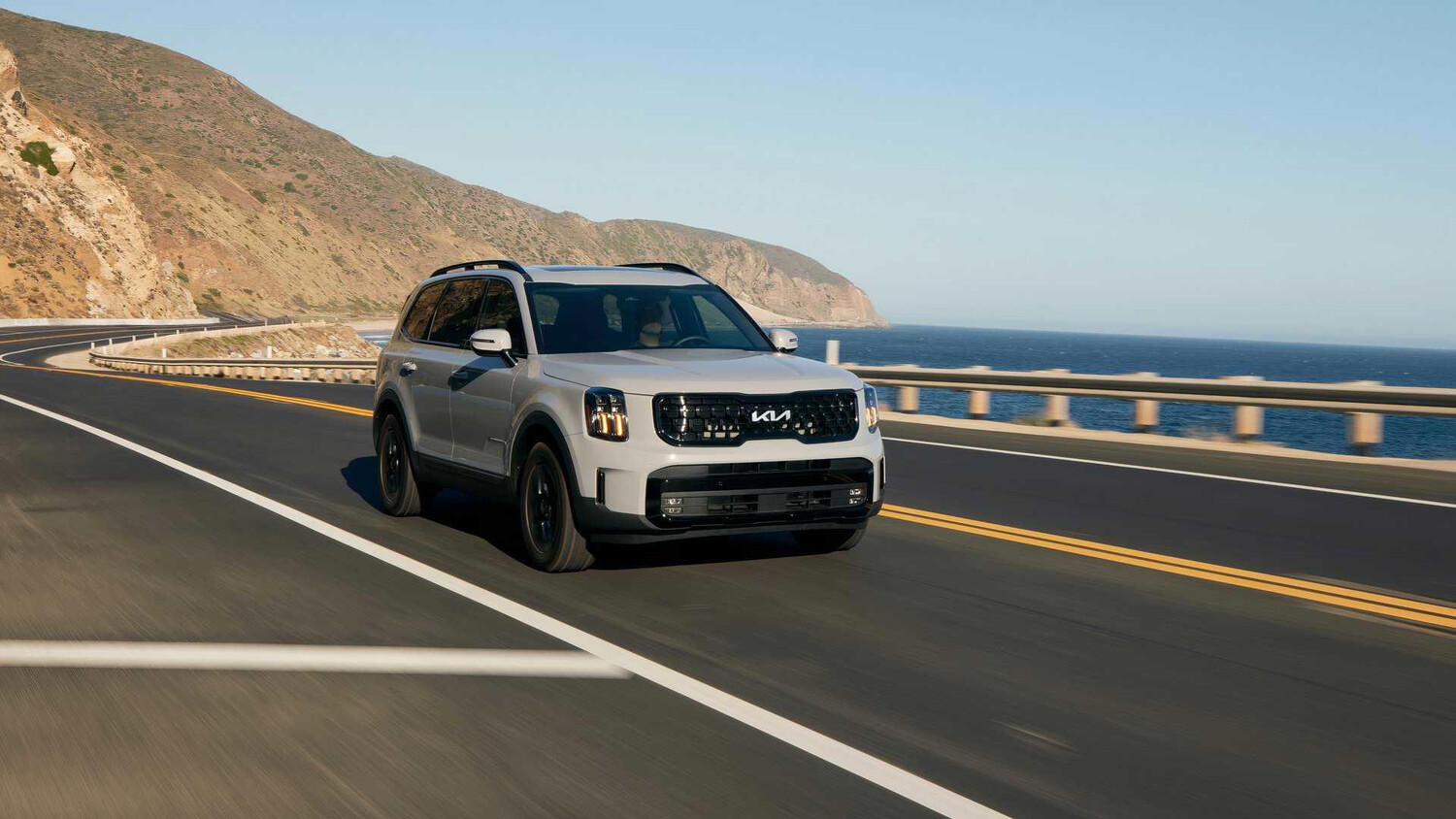
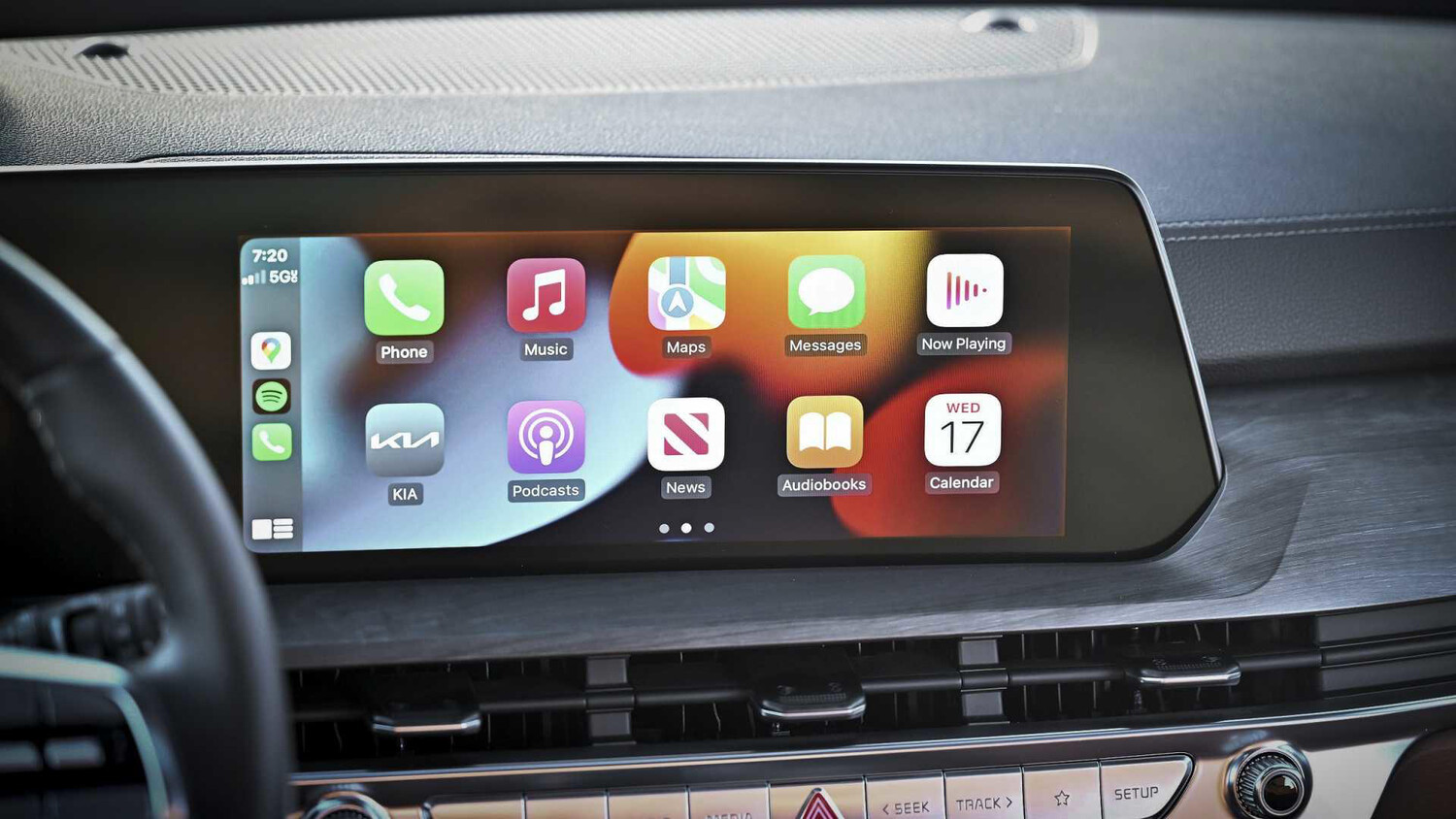
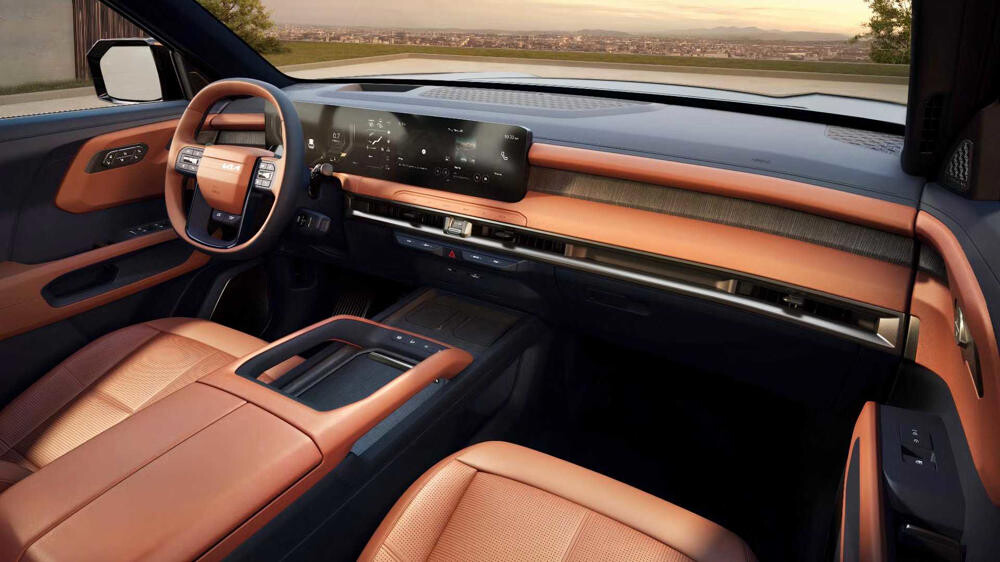
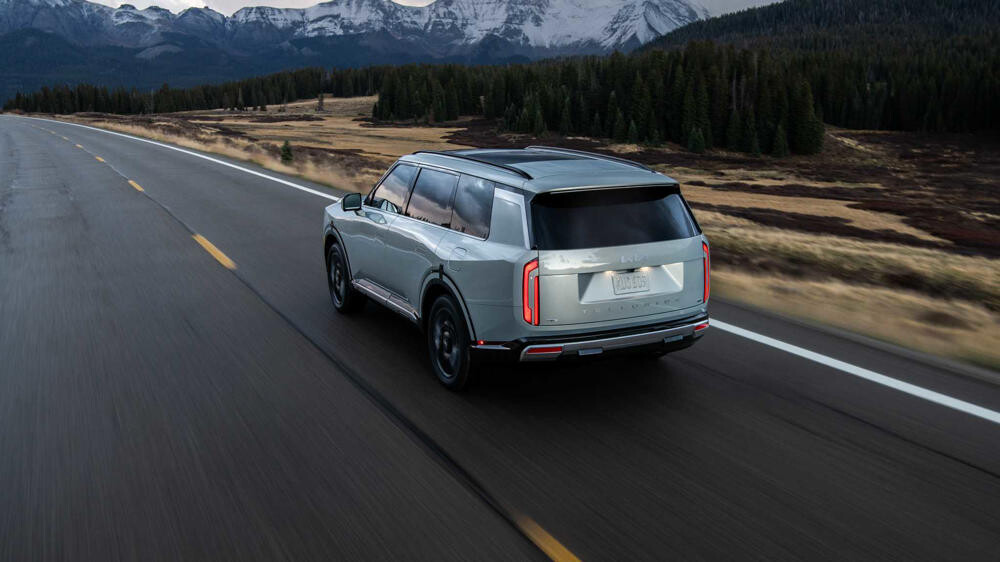
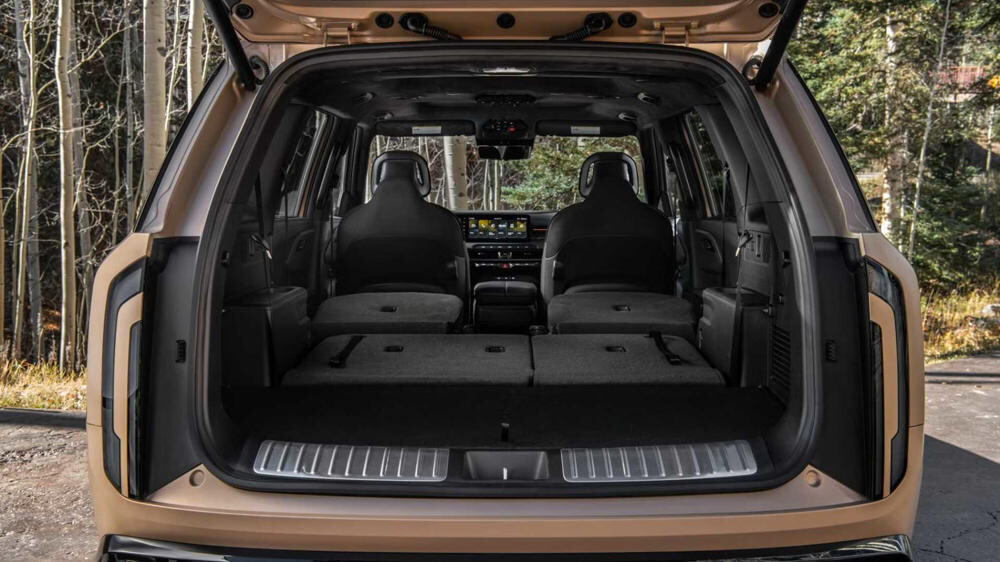
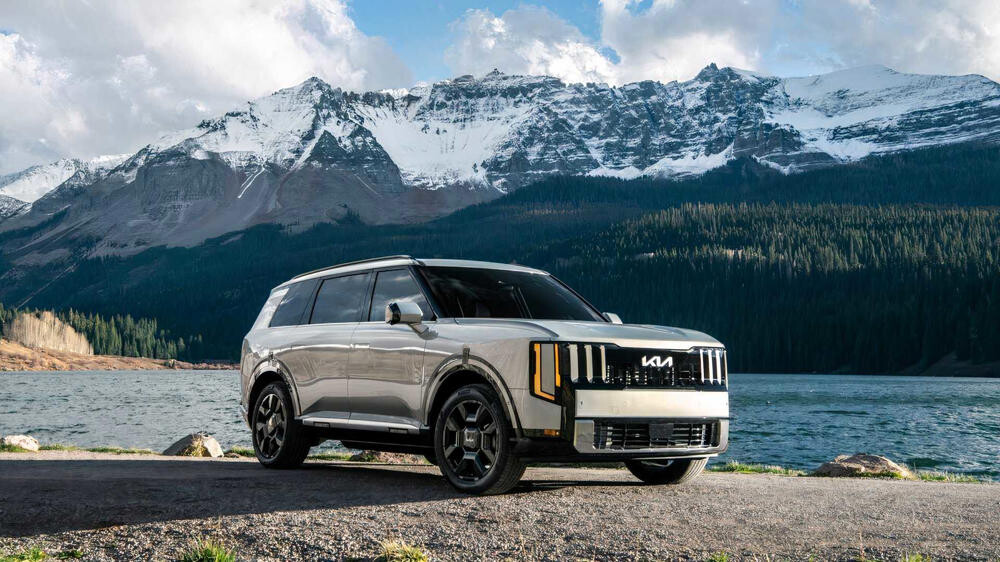
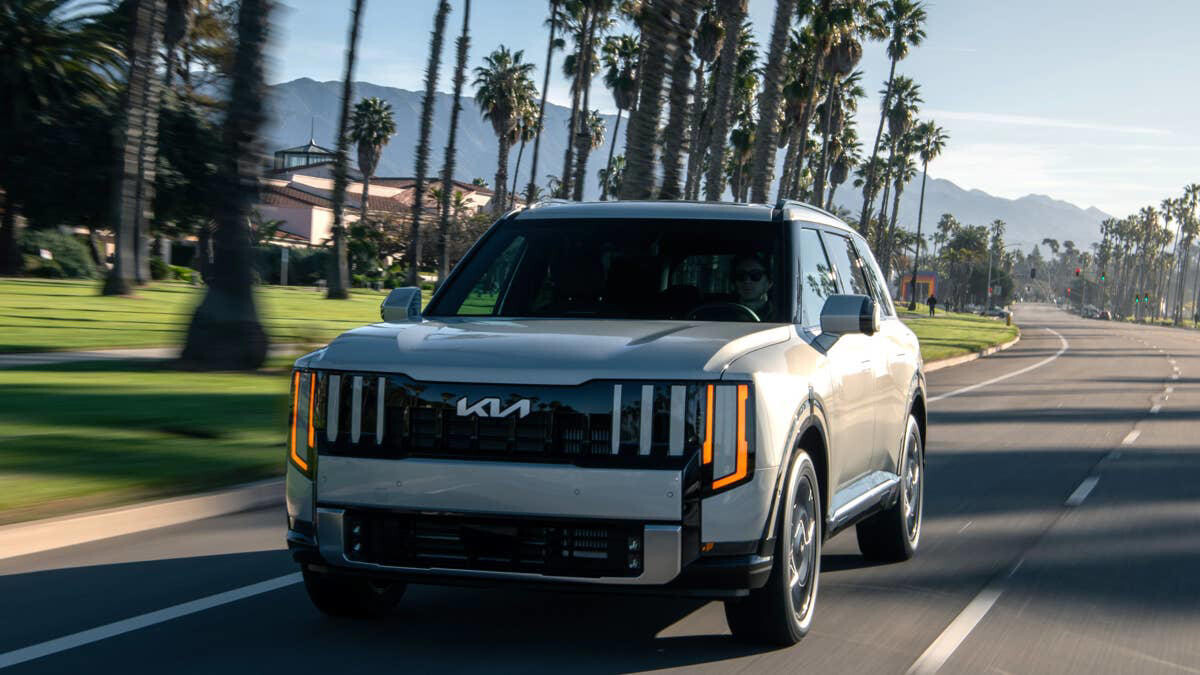
Three-row SUVs are judged less by one standout specification than by how well everything works together when the cabin is full, the cargo area is packed and the trip lasts for hours. In the current U.S. market, the refreshed 2026 Honda Pilot and redesigned 2027 Kia Telluride approach that challenge differently: Honda leans on proven mechanical refinement and flexible packaging, while Kia emphasizes technology, premium touches and broader powertrain choice. This 12-part comparison examines powertrain character, ride and handling, cabin quality, passenger space, cargo flexibility, technology, safety, family-friendly details, fuel economy, towing and off-road capability, pricing and warranty coverage, and overall completeness. Both remain among the most capable mainstream family SUVs, but the details reveal that “more complete” does not necessarily mean “more features.” Powertrain Character: V6 Smoothness vs. Turbo Torque The Pilot and Telluride now take very different routes to family-SUV performance. Honda stays with a naturally aspirated 3.5-litre V6 producing 285 horsepower and 262 lb-ft of torque, paired with a 10-speed automatic. Kia’s redesigned Telluride replaces its old V6 with a 2.5-litre turbocharged four-cylinder making 274 horsepower and a much stronger 311 lb-ft, sent through an eight-speed automatic. On paper, Kia has the torque advantage, especially at lower engine speeds. In practice, the Pilot’s powertrain is the more polished combination. Independent testing has praised the Honda’s linear throttle response, smooth transmission and refined V6 character. The Telluride’s turbo engine delivers useful low- and mid-range shove, but some testers have noted turbo lag, less graceful shifting and a coarser soundtrack under load. Buyers who value effortless everyday response may like the Kia, but the Honda’s drivetrain feels more naturally integrated with the vehicle during crowded urban commutes and highway merging. Ride and Handling: Two Comfortable SUVs With Different Personalities Neither SUV is trying to behave like a sport sedan, and that is a strength. The Pilot has a settled, predictable chassis, with its 2026 refresh bringing retuned electric power steering and extra sound insulation. Road tests describe it as composed over broken pavement, easy to place on the highway and reassuring in maneuvers. Its steering is not lively, but the controls generally feel consistent and confidence-building. The Telluride also prioritizes comfort, with a compliant ride and a quiet cabin at cruising speed. Its longer wheelbase contributes to a relaxed, substantial feel, although independent reviewers have criticized slow steering and noticeable body roll when the road tightens. That makes this category less about a dramatic winner than personality. The Kia feels softer and more isolated; the Honda feels a little more natural and predictable. For long family trips, both work well, but the Pilot has the more cohesive dynamic balance. Cabin Quality: Kia Brings the Luxury Look Kia still makes the stronger first impression inside. The redesigned Telluride uses a wide, horizontal dashboard, available dual 12.3-inch displays, richer trim choices and upscale touches such as available massaging front seating and power-adjustable second-row captain’s chairs. Higher trims can look and feel closer to an entry-level luxury SUV than their mainstream badges suggest, which has long been one of the Telluride’s biggest attractions. Honda has closed the gap without trying to imitate that approach. The refreshed Pilot adds upgraded materials, a larger standard touchscreen and a cleaner digital presentation, while keeping physical controls for frequently used functions easy to understand. That matters after the novelty of a showroom walkaround fades. Some reviewers have found the Telluride’s climate-control layout less intuitive than expected, while the Pilot’s simpler interface earns praise for usability. Kia wins on atmosphere and richness; Honda counters with a cabin that often asks less of the driver. Passenger Space: Telluride Wins Row Two, Pilot Fights Back in Row Three The Telluride is generous in the second row. Gas models list 43.0 inches of second-row legroom, compared with 40.8 inches in the Pilot, giving adults and rear-facing child seats plenty of breathing room. Kia offers seven- or eight-passenger layouts depending on trim, and the redesigned model allows the second row to slide farther forward to make third-row access easier. That is useful when grandparents, teenagers and younger children are all travelling together. The Pilot answers with a particularly usable third row. Honda lists 32.5 inches of third-row legroom and 39.3 inches of headroom, while the gas Telluride lists 32.1 inches and 37.4 inches. The Honda also provides more third-row shoulder room on paper. Neither third row replaces a minivan for full-time adult duty, but both are legitimate family spaces rather than emergency perches. Kia is roomier in row two; Honda’s packaging gives row three a slight edge for taller passengers. Cargo Flexibility: Honda Has the Cleverer Seating Trick Cargo numbers need more care than a simple winner-and-loser label. Kia publishes 22.3 cubic feet behind the third row, 48.7 behind the second and 89.3 behind the first. Honda lists 18.6 cubic feet as its standard behind-third-row figure, 48.5 behind the second and 87.0 behind the first, but it also publishes larger maximum measurements depending on seat position and available floor space. The two companies’ presentations therefore are not perfectly apples-to-apples. Where the Pilot clearly distinguishes itself is seating flexibility. On EX-L, Touring, Elite and Black Edition trims, the second-row centre seat can be removed and stored securely beneath the rear cargo floor. A family can leave home with eight seats, convert the middle row into captain’s-chair-style access at the destination, and keep the unused seat onboard. Kia counters with useful underfloor storage and an available foldable cargo table, but Honda’s stowable centre seat is the more transformative everyday trick. Technology: Telluride Has More Tricks, Pilot Is Easier to Learn The 2026 Pilot finally fixes one of its most obvious weaknesses. Every trim now gets a 12.3-inch touchscreen, a 10.2-inch digital instrument display, wireless Apple CarPlay and Android Auto, Google built-in and available 5G Wi-Fi capability. Higher trims add features such as a 360-degree camera, Bose audio and a head-up display. The system is modern without turning every cabin function into a screen-based task. The 2027 Telluride still pushes further. It offers nearly 30 inches of combined display area in its available digital cockpit, over-the-air software updates, a generative-AI voice assistant, Digital Key 2.0, available video streaming and dual wireless phone chargers. That last detail alone can end a common family argument before a road trip begins. Kia’s technology feels more ambitious and more premium, while Honda’s is deliberately straightforward. For feature depth, the Telluride wins; for low-friction everyday operation, the Pilot remains extremely convincing for busy households, too. Safety: The Latest IIHS Results Favour Kia Both SUVs arrive with broad driver-assistance suites, including automatic emergency braking, lane support, blind-spot monitoring and adaptive cruise control. The Telluride adds an especially deep standard feature set, including safe-exit assistance, radar-based rear-occupant alert technology and multiple versions of Kia’s Highway Driving Assist depending on trim. It also carries 10 airbags, including a front-centre airbag intended to reduce occupant-to-occupant contact in certain crashes. The latest IIHS results give Kia an important advantage. The 2027 Telluride earned a 2026 Top Safety Pick+ award for vehicles built after June 2026, with good ratings in the updated moderate-overlap and side tests. The Pilot’s updated moderate-overlap result, which applies to 2025-26 models, is rated acceptable, and the 2026 Pilot does not appear on IIHS’s 2026 award list under tougher criteria requiring a good moderate-overlap rating. No rating makes a vehicle crash-proof, but Kia currently holds the stronger independent safety result for this model year. Family-Friendly Details: The Little Things Add Up The best three-row SUVs are often separated by small conveniences rather than headline specifications. Honda equips the Pilot with one-touch second-row access, generous small-item storage and available CabinTalk, which lets the driver speak to rear passengers through the audio system. USB-C charging reaches the third row on better-equipped trims, and the hidden cargo-floor compartment can swallow items that would otherwise roll around the cabin. Those details are easy to appreciate after a week of school runs. Kia responds with seven USB-C ports, dual wireless charging pads, third-row access and an available smart cargo table with cupholders. Upper trims can add heated seating in all three rows, while the radar-based rear-occupant system can provide visual, audible and app notifications. The Telluride feels more gadget-rich, but the Pilot’s storage and removable-seat solutions are thoughtful. Kia wins on amenities; Honda may win the moments when a family needs to reconfigure the cabin quickly. Fuel Economy: The Telluride Hybrid Changes the Conversation Fuel economy is where the comparison changes most dramatically. The gas-only Pilot is rated at 22 mpg combined with front-wheel drive, 21 mpg with most all-wheel-drive trims and 20 mpg in TrailSport form. The gas Telluride is broadly similar, with front-drive models rated around 22 mpg combined and many all-wheel-drive versions around 20 mpg. Neither conventional powertrain turns a large three-row SUV into an efficiency champion. Kia, however, now offers a Telluride Hybrid, and that option reshapes the argument. The 329-horsepower hybrid is EPA-rated as high as 35 mpg combined in front-wheel-drive form and 31 mpg combined with all-wheel drive. Kia also cites an estimated 637-mile range for the most efficient configuration. Honda does not offer a Pilot hybrid for 2026. Families covering high annual mileage therefore have a meaningful reason to choose Kia, especially when fewer fuel stops matter as much as outright fuel cost over years of ownership. Towing and Off-Road Capability: Both Can Do More Than School Runs For towing, the two gas SUVs are closely matched. A properly equipped all-wheel-drive Pilot is rated to tow up to 5,000 pounds, while the gas Telluride is also rated for up to 5,000 pounds. Honda’s front-drive Pilot is limited to 3,500 pounds, and the Telluride Hybrid gives up some capacity at 4,500 pounds. That still covers many small campers, utility trailers and recreational loads, but serious towing buyers should pay close attention to drivetrain and equipment. Off pavement, each brand offers a tougher trim. Pilot TrailSport has 8.3 inches of ground clearance, all-terrain tires, steel skid plates, an off-road-tuned suspension and Honda’s torque-vectoring i-VTM4 all-wheel-drive system. Telluride X-Pro raises clearance to 9.1 inches and adds all-terrain tires, an electronic limited-slip differential, recovery points and a Ground View Monitor. Kia has the clearance advantage, while Honda’s TrailSport hardware is well established and impressively integrated for rough cottage roads and snowy trailheads. Pricing and Warranty: Kia Makes a Strong Value Argument The Telluride starts lower in the United States. Kia lists the 2027 gas LX at $39,190 before destination, while Honda’s 2026 Pilot Sport begins at $42,395. At the top end, the gap narrows: well-equipped versions of both vehicles move into the mid-$50,000 range before options and destination. Kia’s available hybrid starts higher than the gas model, so the value calculation changes depending on annual fuel use and desired equipment. Warranty coverage is a clearer Kia advantage. Kia provides a 5-year/60,000-mile basic limited warranty and a 10-year/100,000-mile powertrain limited warranty for the original owner under its U.S. program. Honda’s new-vehicle limited warranty is 3 years/36,000 miles, with powertrain coverage for 5 years/60,000 miles. Warranty length does not guarantee lower lifetime ownership costs, but it does reduce uncertainty for buyers planning to keep the SUV well beyond a typical lease term. On price-plus-coverage, Kia presents the stronger paper value on paper today. Which SUV Feels More Complete? The Telluride is the more feature-rich SUV. It starts at a lower price, offers a longer warranty, delivers a richer-looking cabin, carries the stronger current IIHS award and—most importantly—offers an efficient hybrid. Buyers who want technology, second-row stretch-out space and a near-luxury atmosphere without a luxury badge will find the Kia extremely persuasive. That helps explain why it remains one of the segment’s benchmark nameplates. Yet the Pilot feels slightly more complete as a conventional gas-powered family SUV. Its V6 and 10-speed automatic are smoother, its controls are easier to live with, its third row is thoughtfully packaged, and its stowable second-row centre seat solves a problem rivals rarely address. Independent testing has also flagged the new gas Telluride’s engine refinement and control layout as weak points. The Kia has more features; the Honda has fewer rough edges. For overall cohesion, the Pilot wins by a narrow margin. 19 Used Cars Canadians Should Avoid in 2026 (Based on Owner Complaints) Buying a used car in Canada can feel safe until repair bills start stacking up. Owner complaints tell a different story than glossy listings. Transmission failures, electrical problems, and weak winter reliability show up again and again in consumer reports. Many of these issues appear after warranties expire, when owners least expect them. Some vehicles look affordable upfront, but become expensive to keep on the road. Others struggle in cold weather, urban driving, or long highway commutes. Here are 19 used cars Canadians should avoid in 2026 (based on owner complaints).

 Liked by Emily Labelle, Isabelle Morgan






























 Liked by Emily Labelle, Isabelle Morgan