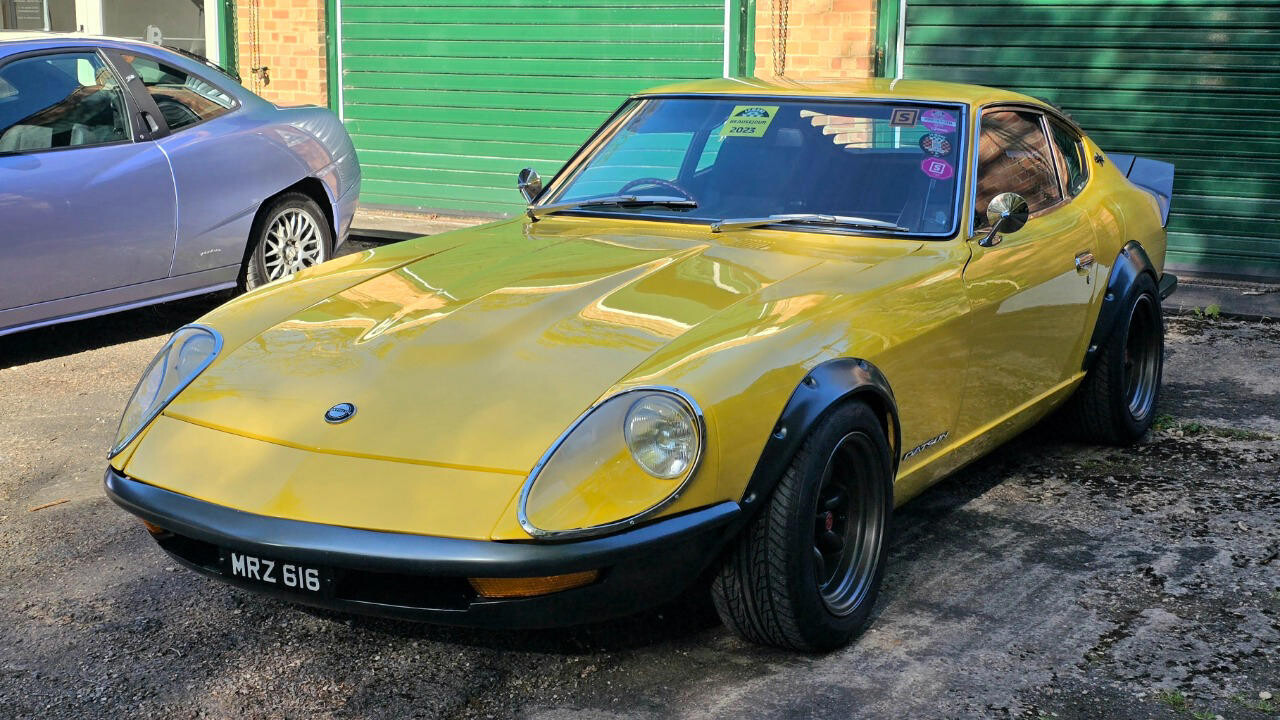
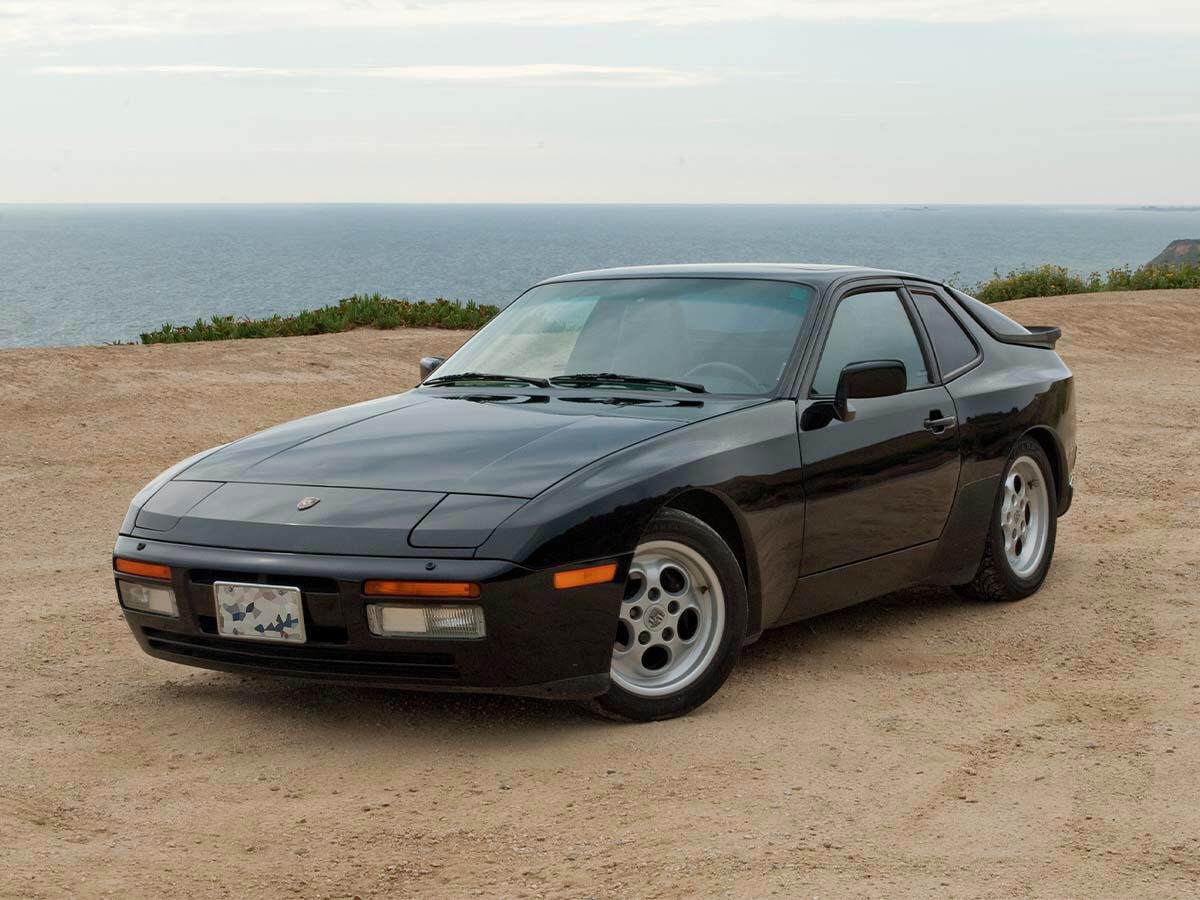
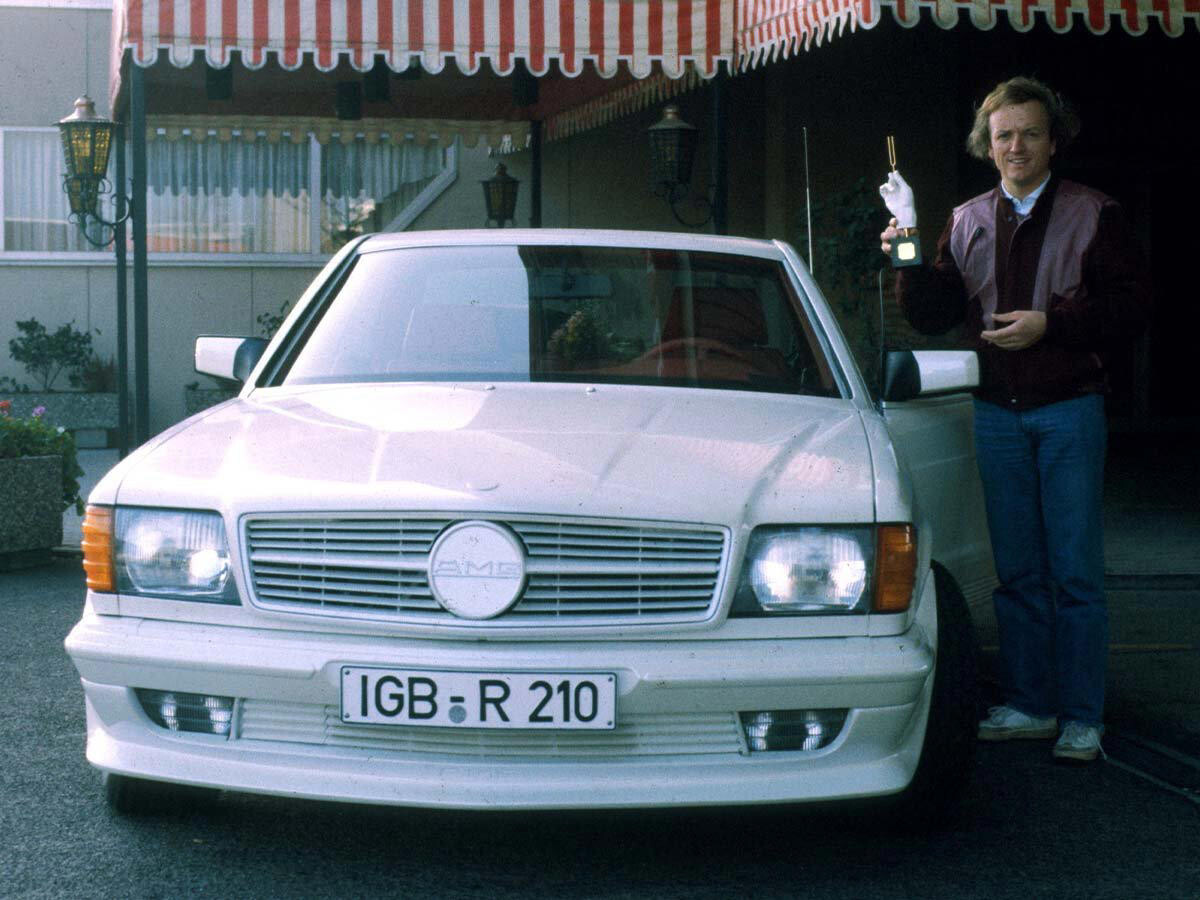
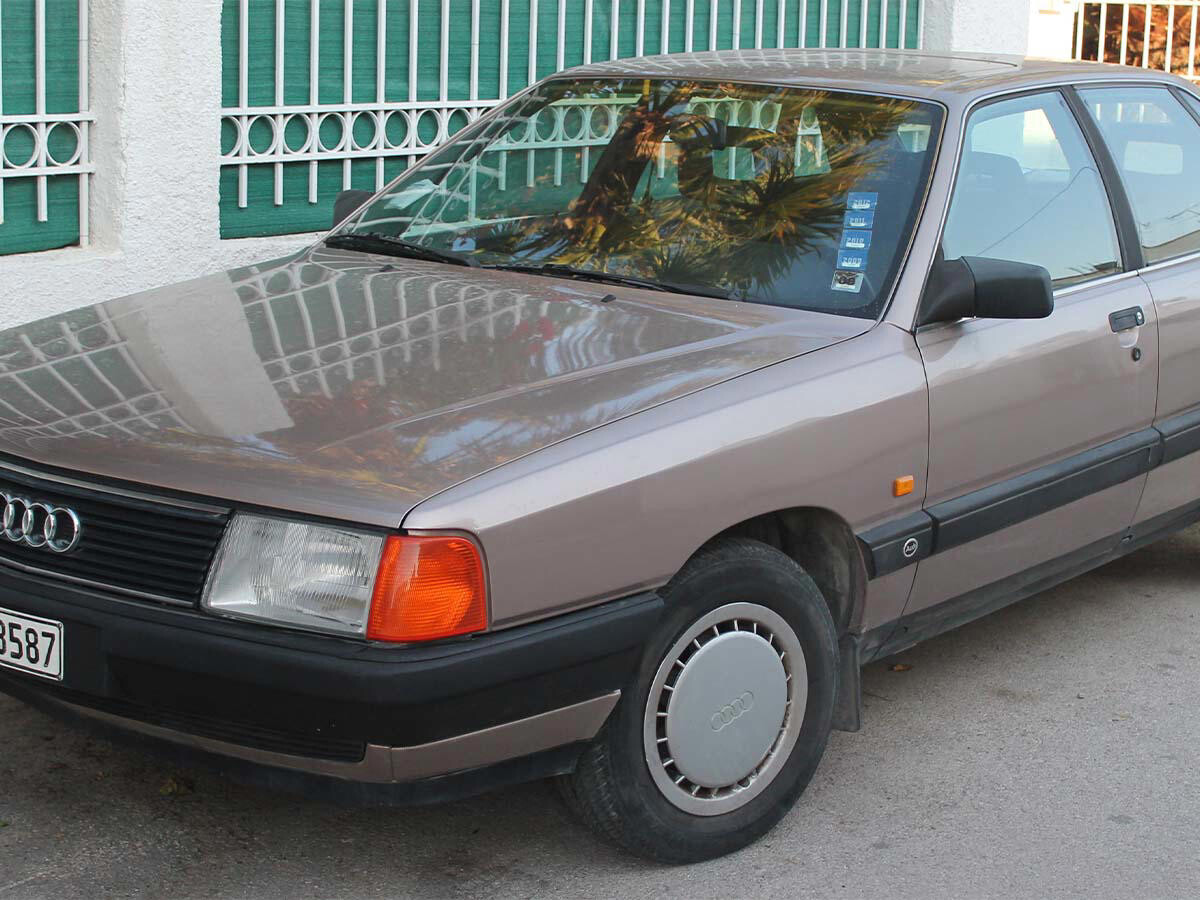
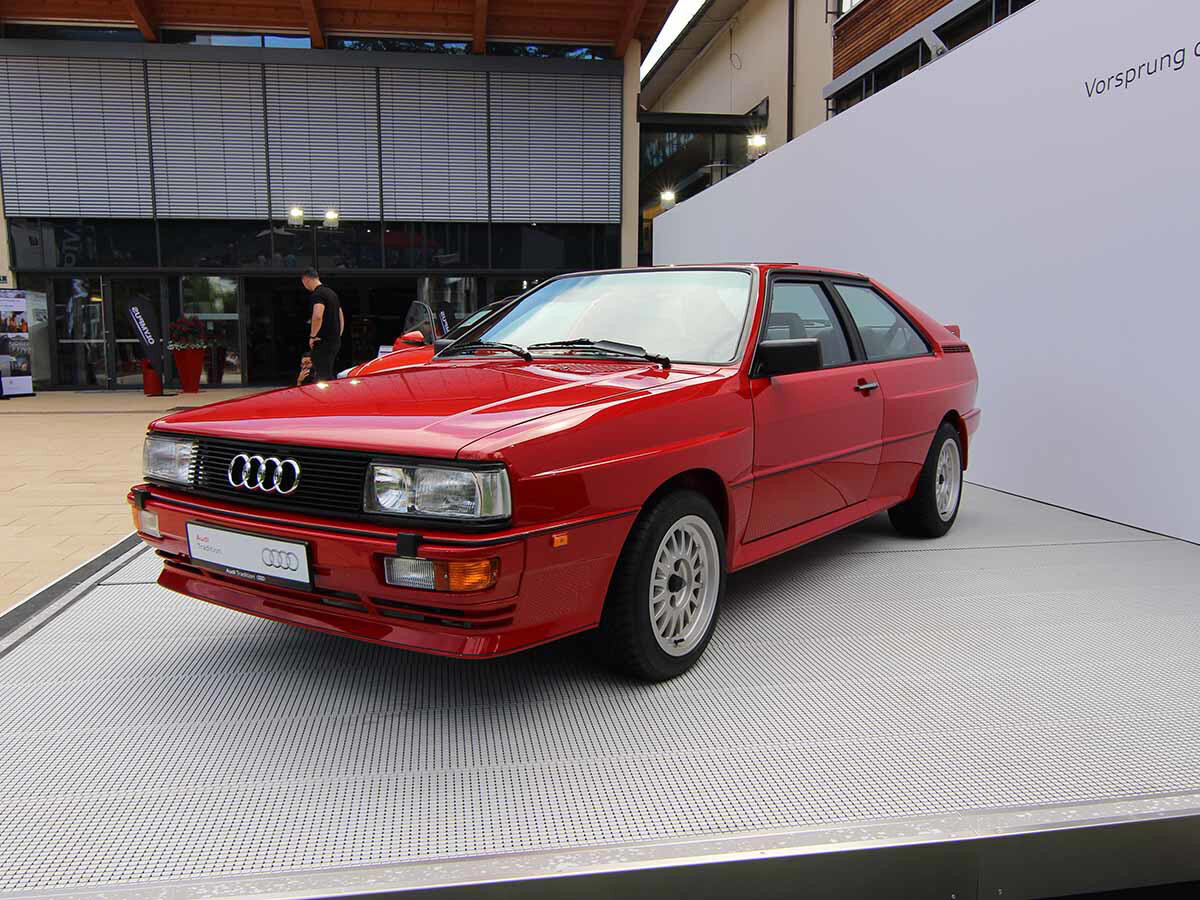
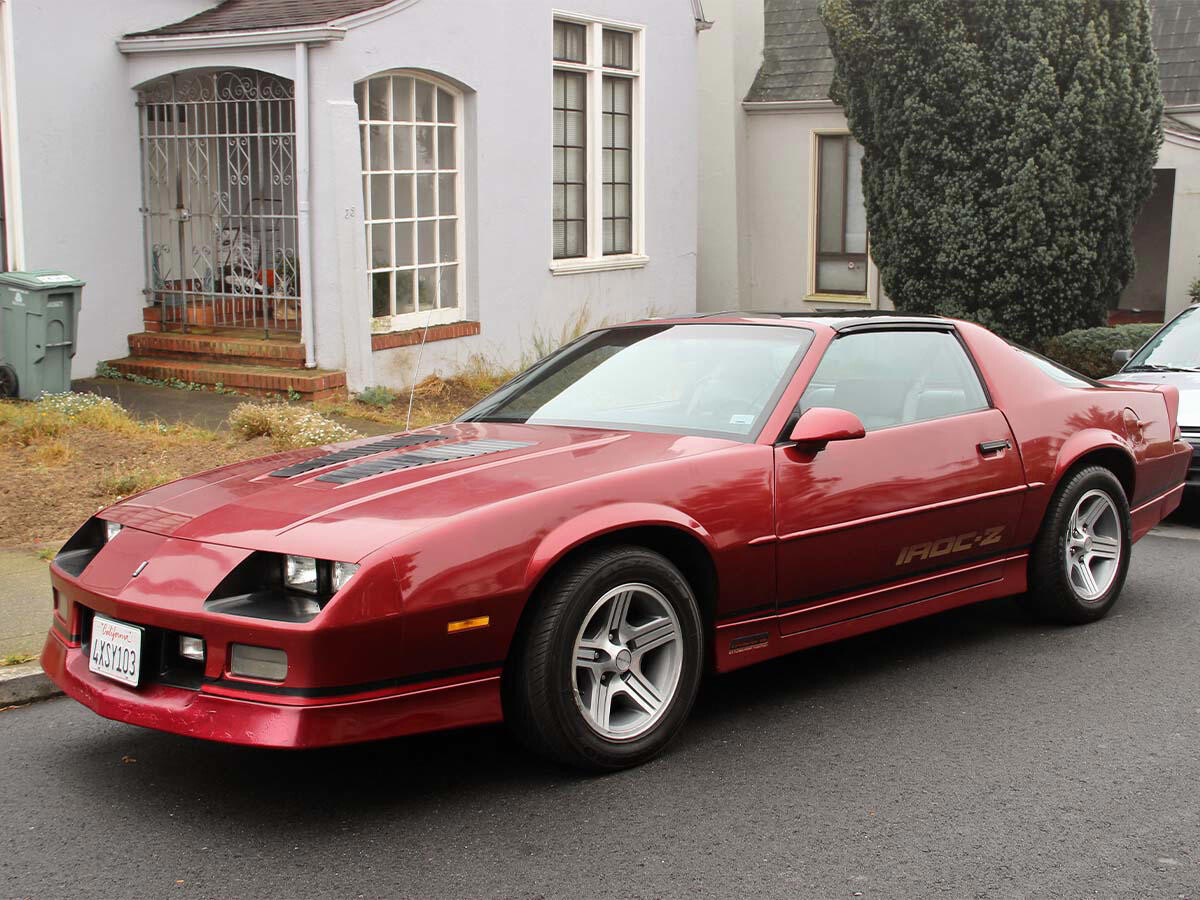
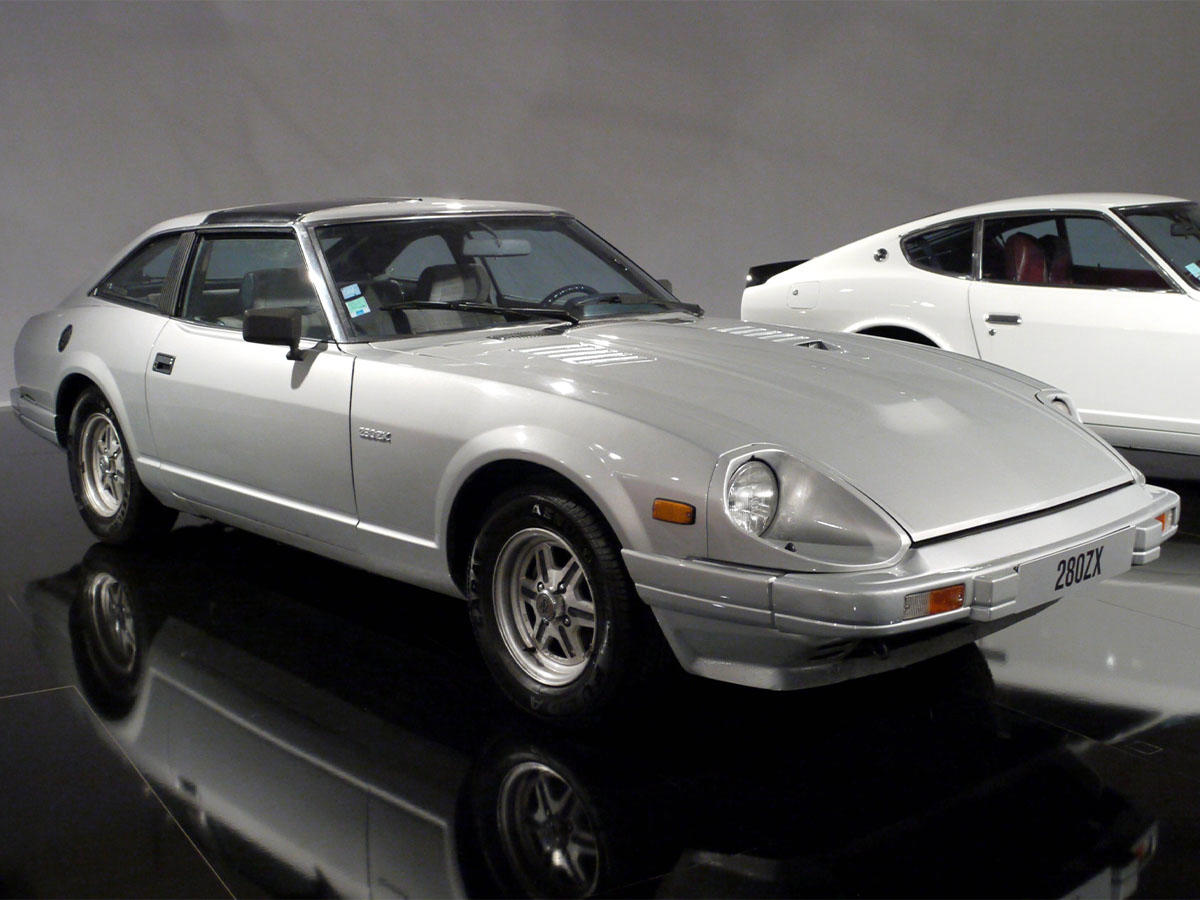
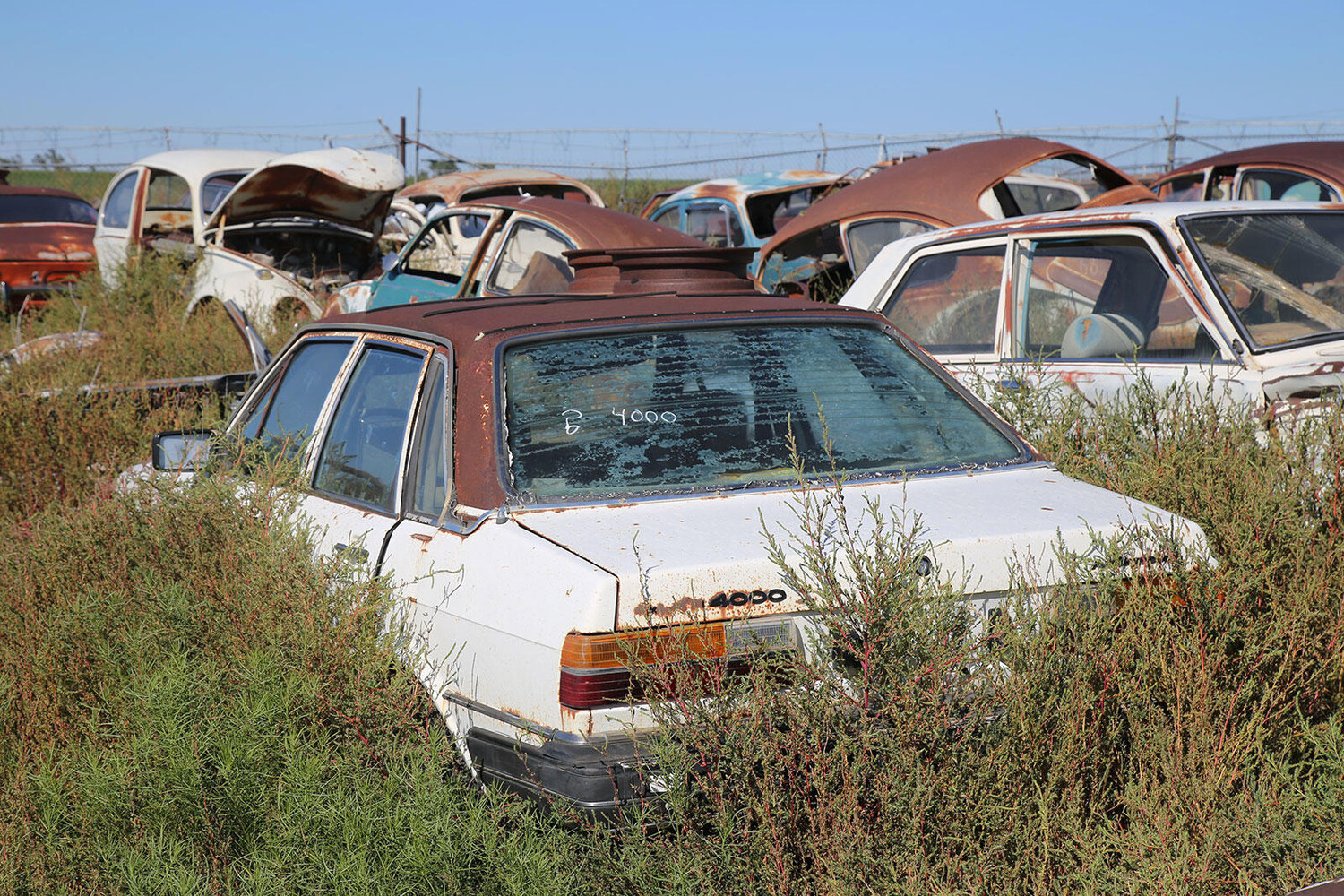
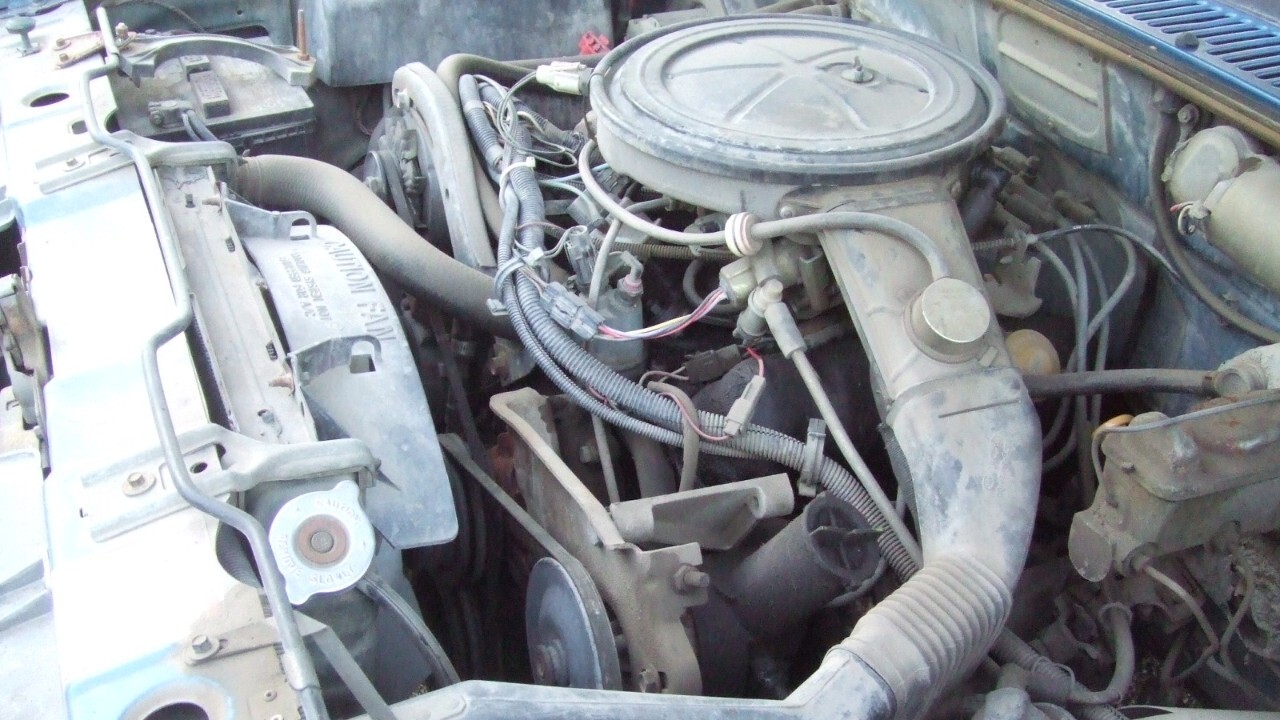
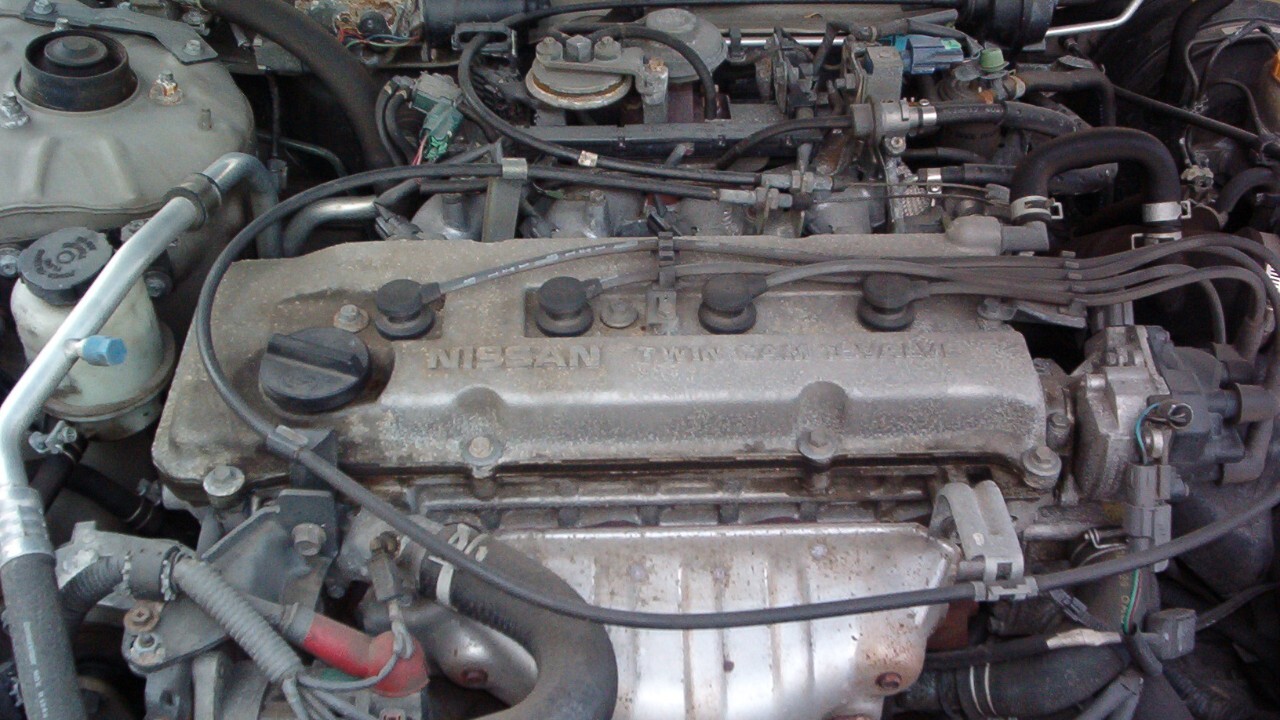
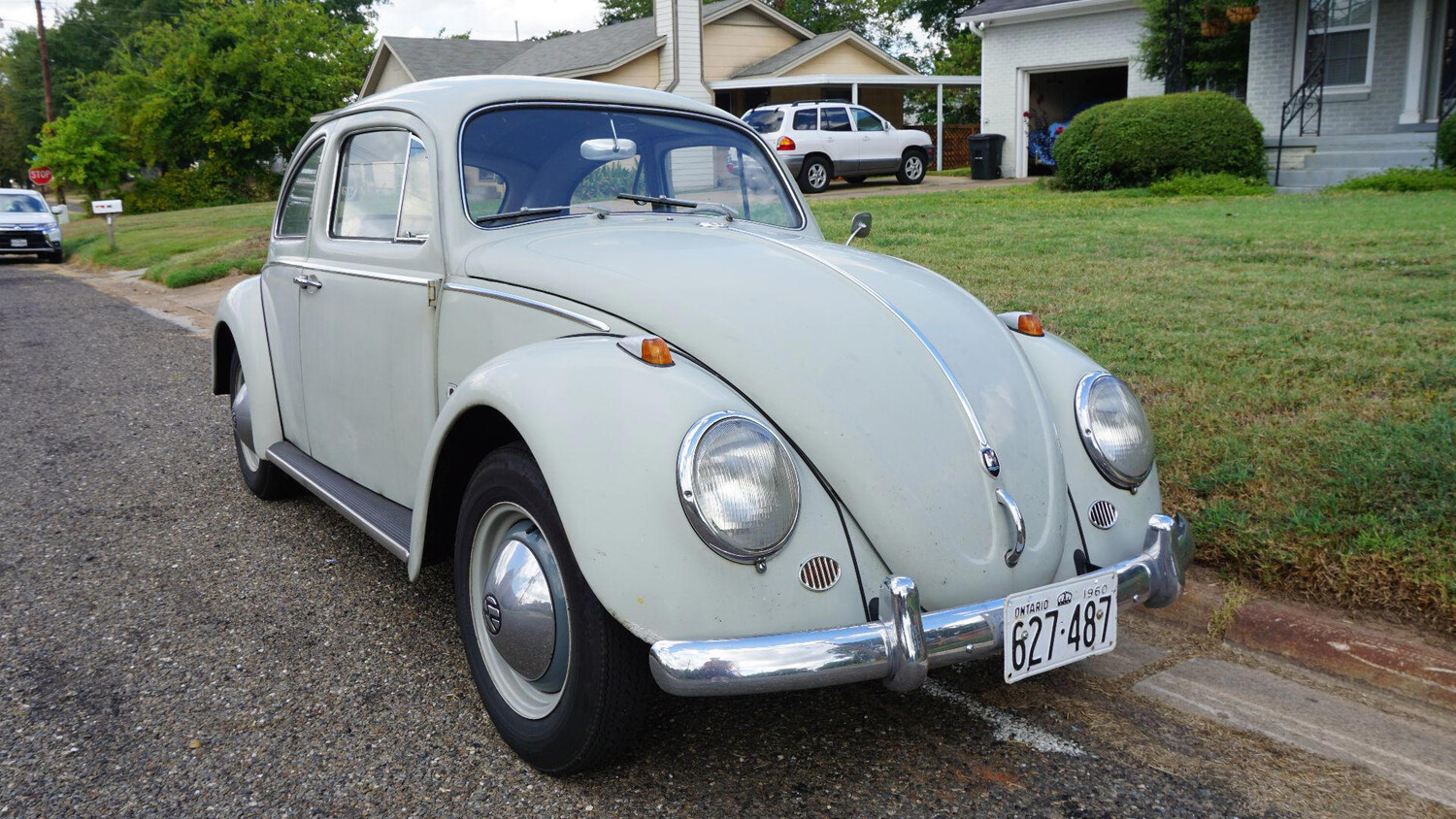
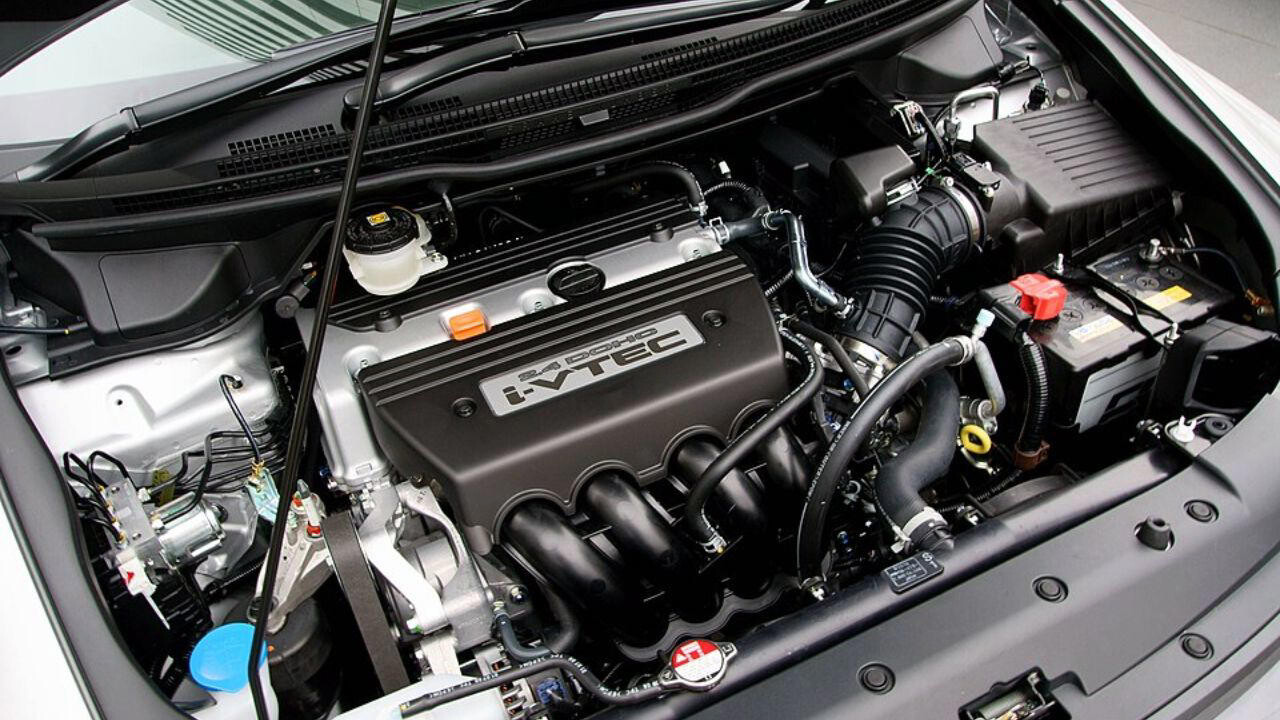
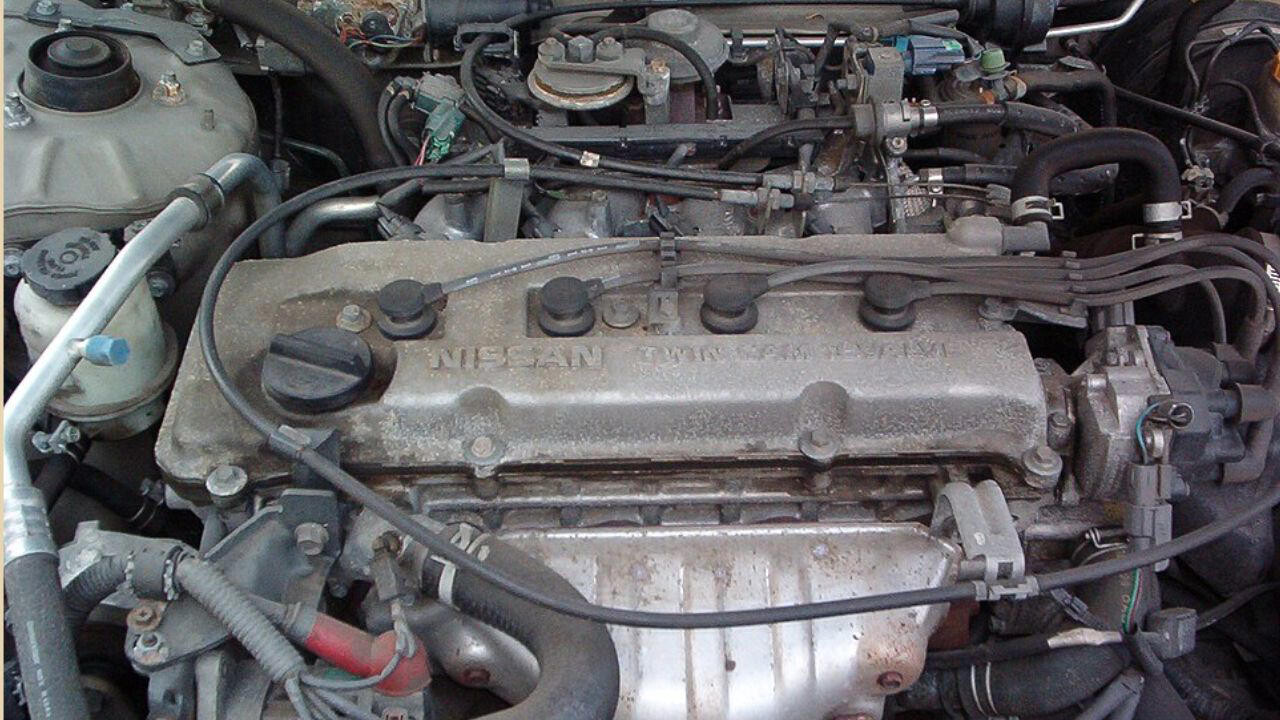
A good four-cylinder engine rarely gets the glory. Yet the four-cylinder engine is the one that commutes, tows, races on Sunday and starts again on Monday. Some of the toughest motors ever built have only four pistons, a cast-iron block and a reputation that spreads mostly by word of mouth. Plenty of small engines wear out, burn oil or eat timing belts. But a handful seem to shrug off neglect, boost and decades of hard use. They powered race cars, pickups, sports cars and family wagons, and many of them made the jump from one job to the next without complaint. These 12 are our picks for the fours that seem nearly unkillable. This verdict is our opinion, built on how these engines were designed and how long they stayed in service. The years, displacements and outputs behind each choice come from manufacturer data and engine histories. 1. Ford Kent 1.6 Crossflow The Kent began small. Ford launched it in 1959 in the Anglia as a 997 cc pushrod four with 39 bhp. Then a 1967 redesign added a cross-flow cylinder head, which gave the engine its other name, the Crossflow. The 1.6-liter version displaced 1,599 cc, and both the block and head were cast iron. Racing made it famous. The Crossflow served as the regulation engine for Formula Ford, and American Formula Ford kept running the Kent until 2010. In fact, Ford announced in October 2009 that it would put the Kent block back into production for historic racing and Formula Ford spares, with sales starting in 2010. Lotus also built its Twin Cam for the Elan on the Kent block, crank and connecting rods. That is why it leads our list. Few engines get a second production run decades after launch because racers refuse to give them up. The Kent also turned up in the Cortina, Capri and European Escort, plus kit cars such as the Lotus Seven, Caterham 7 and Morgan 4/4. That spread kept parts plentiful for decades. If you find one, you are buying simple overhead-valve hardware that any club mechanic can rebuild on a bench. 2. Nissan L16 (Datsun 510) Nissan developed the L16 in 1967, and North America met it under the hood of the Datsun 510. It displaced 1,595 cc from an 83 mm bore and 73.7 mm stroke. In U.S. trim it made 96 horsepower at 6,000 rpm and 100 lb-ft of torque at 3,600 rpm. The recipe was simple and stout. The L series paired an iron block with an aluminum head and a single overhead cam. Its design traces back, through Prince’s G engine, to ideas from the Mercedes-Benz M180. So a humble Japanese sedan carried a little German engineering DNA. Our take: the L16 is the reason so many 510s became club racers and backroad heroes. It revs freely, it tolerates abuse, and its parts interchange across a big family of L engines. Nissan built the L16 from 1967 through 1973, so a good core takes some hunting. Even so, a healthy one is a joy to wind out on a back road. If you want a 510 today, check the head for overheating damage before you worry about the bottom end. 3. Ford 2.3 Lima (1983 Ranger) The Lima got its nickname from the Ohio plant that first built it. Ford introduced this 2.3-liter overhead-cam four, at 2,301 cc, in 1974. Early versions made 89 horsepower, which sounds modest until you count the years. The engine lasted until 1997 in various forms, and Ford built it in Brazil as well. It went everywhere. Rangers carried it from 1983 to 1997, while turbocharged and intercooled versions powered the 1984 to 1986 Mustang SVO and the Thunderbird Turbo Coupe. The broader Pinto engine family also gave Ford its first belt-driven overhead camshaft. Underneath sat a cast-iron block that handled boost about as well as it handled a farm truck’s daily grind. We’d call it the unglamorous hero of 1980s Ford. That longevity tells you plenty about this four-cylinder engine, because Ford kept the design alive for more than two decades and then stroked it to 2.5 liters for 1998 to 2001. A 1983 Ranger with this four will never feel fast, but it will feel unbreakable. Change the timing belt on schedule, keep coolant fresh, and the Lima tends to outlast the truck around it. 4. Mitsubishi 4G63 turbo four-cylinder engine Mitsubishi first offered the 4G63 in 1980 as a naturally aspirated 2.0-liter four, according to engine-management maker Haltech’s history of the engine. Then came the turbo. The twin-cam turbocharged version appeared in the 1988 Galant VR-4 and later powered every Lancer Evolution from the first through the ninth generation. Its bones explain the toughness. The block is cast iron, topped by an aluminum head, with an 85 mm bore and an 88 mm stroke. Haltech notes that some built examples exceed 1,000 horsepower. Meanwhile, the motorsport record speaks for itself. Tommi Mäkinen won four straight World Rally Championship drivers’ titles from 1996 to 1999 in Evolutions powered by this engine. Haltech adds that Mitsubishi took the 1998 manufacturers’ title, and that the Evo won seven straight Group N titles from 1995 to 2001. Our view is simple: few four-cylinder engines have taken more punishment in more forms. If you shop for a DSM Eclipse, Talon or Evo, assume it has been modified, and budget for a careful inspection rather than a cheap purchase. 5. Saab B202 16-valve Saab’s H engine family carried a long lineage. It redesigned the earlier Saab B engine, which itself grew out of the Triumph Slant-4. In 1984, Saab added a 16-valve head with double overhead camshafts, and that engine became the B202. It kept going in production until at least 1993. Because of those Triumph and Saab B roots, the basic layout had many years of development behind it by the time the 16-valve head arrived. Saab also used the H family in the 900, the 9000 and later the 9-5, so the design spent decades in Swedish front-drivers. That 16-valve head arrived just as Saab leaned hard on turbocharging. Even so, the naturally aspirated B202 earns respect for its smoothness and low-stress character. It shared its basic design with the 2.0-liter turbocharged Saabs built from 1985 to 1993, and in our view it rewards regular oil changes with a long life. This is our sleeper pick. Most people remember the turbo cars, yet the plain B202 skips the extra heat and boost. If you want a classic 900 for daily use, an unturbocharged 16-valve car with service records makes a sensible place to start. 6. Volvo B230F The B230F arrived in 1985 as a redesign of the earlier B23. According to Hagerty’s Volvo 240 buyer’s guide, it gained longer connecting rods, a better crankshaft and less internal friction. By 1986, it was the only engine Volvo offered in the 240, rated at 114 horsepower and 136 lb-ft for its entire life. Those numbers never mattered much. The 2,316 cc four uses a single overhead cam driven by a toothed belt. Better yet, the single-cam versions, except the K series, are non-interference designs. So a snapped belt leaves you stranded but does not destroy the valves. Production in Europe continued until 1998, when Volvo dropped the 940. Meanwhile, the wider Redblock family dated back to 1974, so Volvo had more than a decade of practice with this layout before the B230F. Hagerty quotes Jared Lohnes of parts supplier IPD saying, “Volvo didn’t make a bad engine, ever.” We agree about this one. If you buy a pre-1987 car, though, check the wiring harness, because Hagerty warns those early harnesses can disintegrate under the hood. 7. Volkswagen EA827 1.8 16V (Golf II) Volkswagen’s EA827 family dates to the 1972 Audi 80, and the 1.8 16V is one of its best branches. It displaces 1,781 cc and runs twin overhead cams with four valves per cylinder. In non-catalyst European form it made 139 PS in the Golf, Jetta and Corrado. The strength lives below the head. The block is grey cast iron with five main bearings, a heavy-duty base for a small sporty four. Americans got their own version too, since the U.S. Scirocco carried a 126-horsepower 16V from mid-1986. In our view, that iron bottom end is a big reason the 16V earned its tough reputation. Volkswagen also spread the engine across the Golf, Jetta, Scirocco, Passat and Corrado, plus SEAT’s Ibiza and Toledo. We’d happily take a Golf II 16V over many newer hot hatches. It revs cleanly, it shrugs off spirited driving, and its parts remain easy to source. In short, it is a four-cylinder engine that rewards a sympathetic owner for a very long time. Before you buy, ask for service records, listen for a tired timing belt tensioner and check for oil leaks around the valve cover. 8. Toyota 3S-GE Toyota designed the 3S-GE with Yamaha, and production began in May 1984. The 1,998 cc four uses square 86 mm by 86 mm dimensions and an aluminum-alloy head. Unlike the cast crank in the cheaper 3S-FE, the 3S-GE spins a forged crankshaft on five main bearings. It kept improving for five generations. The 1997 “Red Top” BEAMS version made 200 PS at 7,000 rpm with a manual gearbox. Japanese-market first-generation engines made about 160 PS at 6,400 rpm. Then the 1990 to 1993 second generation made 165 PS at 6,800 rpm in Japan. Later, the 1998 “Black Top” in the Altezza RS200 reached 210 PS at 7,600 rpm. Along the way, it powered the Celica, MR2, Caldina and RAV4. That forged bottom end is why we trust this four-cylinder engine. Toyota built this engine to rev, and it lives happily near the redline for years. If you buy an MR2 or Celica with a 3S-GE, check the cooling system first, because heat is a bigger threat than wear. A fresh radiator and hoses are cheap insurance. 9. Nissan KA24DE (2000 Altima) The KA24DE is the anti-hero of this list. It displaces 2,389 cc from a long 96 mm stroke, uses a cast-iron block with an aluminum head, and drives its twin cams by chain rather than belt. Nissan rated it at 155 bhp in the 240SX, which carried it from 1991 to 1998. Torque peaked at 160 lb-ft at 4,400 rpm. Its real home was the everyday car. The Altima used a version from 1993 to 2001, while the Frontier and Navara pickups carried it from 1998 and the Xterra from 2000 to 2004. It also turned up in Japanese-market vans such as the Presage and Bassara. Drifters love it for torque, and commuters love it for never asking for attention. We think the chain drive is the key, since there is no belt to forget. Compression also stayed a mild 9.5:1 in the 240SX, which in our view helps the engine tolerate heavy loads. If you buy a high-mileage example, listen for chain rattle on a cold start and replace the guides before they wear through. 10. Ford Zetec-S 1.7 The 1.7-liter Zetec-S is the odd one out. Ford, Mazda and Yamaha developed the Sigma family together, and it debuted in 1995. Yamaha built the 1.7-liter blocks in Japan, and the 1,679 cc engine added variable cam timing on the inlet side. Ford used this size only in the Puma, never in a Fiesta or Focus, which keeps the 1.7 a curiosity among Ford fours. It launched in 1997 with 125 PS at 6,300 rpm, 157 Nm of torque and a 10.3:1 compression ratio. Later, a 155 PS version went into the Ford Racing Puma, and Ford built only 500 of those. Its 80 mm bore and 83.5 mm stroke make it slightly long-stroke, yet peak power arrives at 6,300 rpm. The block is aluminum, which made the engine light and helped the Puma’s sharp front end. Our take: this engine is better than its obscurity suggests. Yamaha’s involvement shows in how eagerly it revs and how well it holds together. If you find a Puma, check for rust first, since the body usually gives out before the 1.7 does. 11. Honda F20C Honda designed the F20C specifically for the S2000. It displaces 1,998 cc, runs an 11.7:1 compression ratio in Japanese spec, and makes 240 bhp at 8,300 rpm. The redline sits at 9,000 rpm, and VTEC engages at 6,000. Bore and stroke measure 87 mm by 84 mm, an oversquare layout that suits high revs. Torque peaks at 152 lb-ft, but only at 7,000 rpm, so you have to wring it out. Those revs demand hard engineering. SlashGear’s look at the engine notes fiber-reinforced metal cylinder liners, forged aluminum pistons and a forged-steel crankshaft. It also says the F20C held the highest specific output of any mass-produced engine until the Ferrari 458 arrived in 2010. Honda replaced it with the 2.2-liter F22C1 for the 2004 facelift, and S2000 production ended in 2009. For us, the F20C proves a high-revving four-cylinder engine can also be tough. Owners rev these engines to the limiter every weekend. However, SlashGear points out that the F20C can consume oil after a long track session, so check the dipstick often if you buy one. 12. Opel Z18XE 1.8 Ecotec The Z18XE belongs to GM’s Family 1 line, and it spent years under the hoods of ordinary European cars. It displaces 1,796 cc and uses a belt-driven 16-valve twin-cam head on a cast-iron block. Its 80.5 mm bore and 88.2 mm stroke favor torque over revs, which suits a family car. Output ran to 90 kW or 92 kW, roughly 120 to 123 horsepower, with 123 lb-ft of torque. Opel fitted it to the Astra, Vectra, Zafira, Signum, Meriva, Tigra and Corsa. In addition, Saab used it in the 9-3 from 2004 to 2009, and Chevrolet put it in the Niva. GM moved production of the twin-cam engines to Szentgotthárd in Hungary. This is a plain four-cylinder engine, and that is the point. It does fleet duty, school runs and long motorway hauls without fuss. We’d rank it as one of the safest buys in an older Vectra or Astra, as long as you change the timing belt on time. Its last listed job outside Opel ran through 2009, under the hood of the Saab 9-3.

 Liked by Madeleine Macdonald, Samuel Tremblay






























 Liked by Madeleine Macdonald, Samuel Tremblay