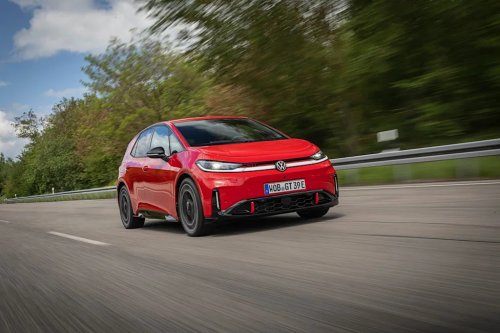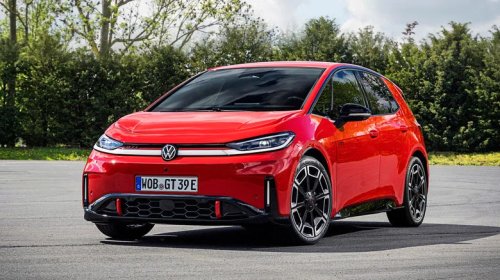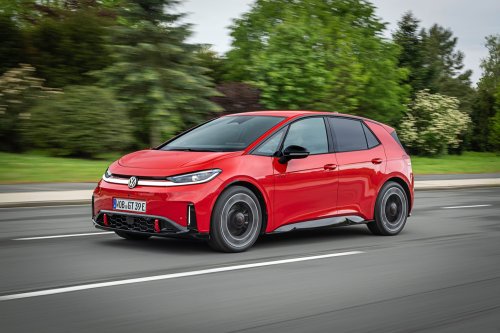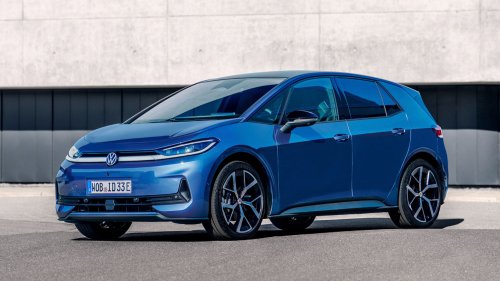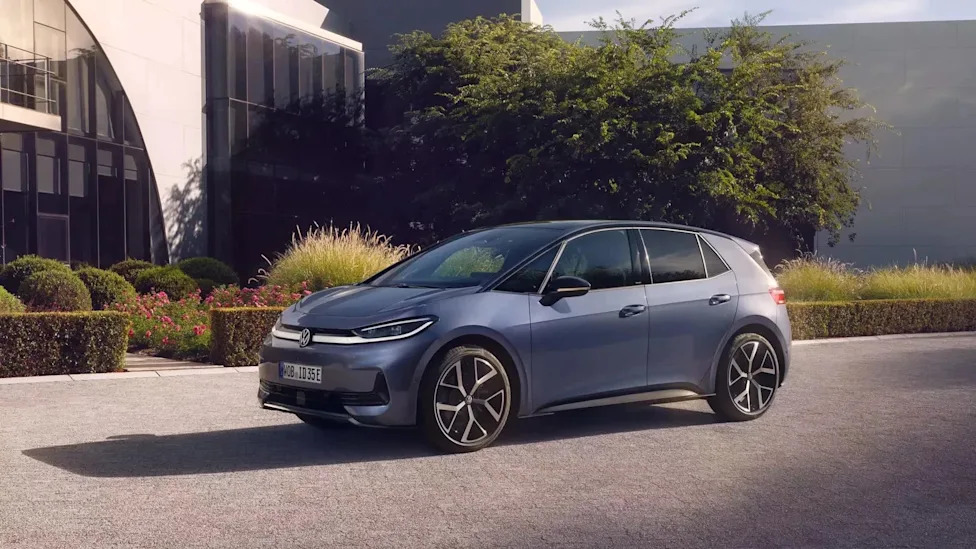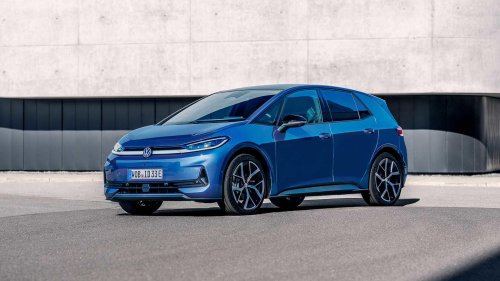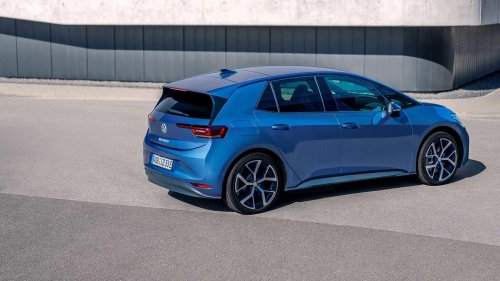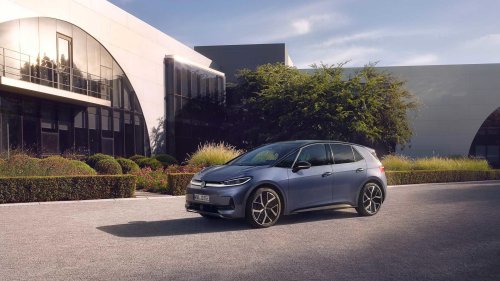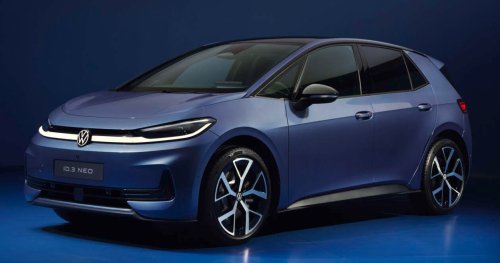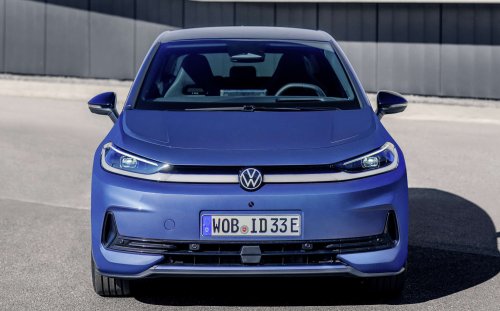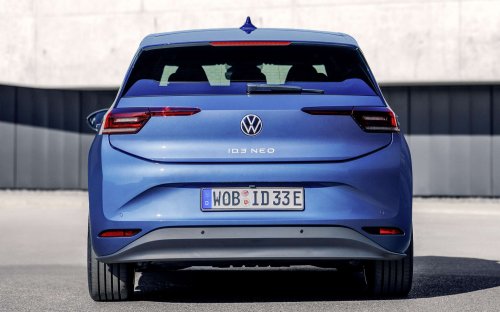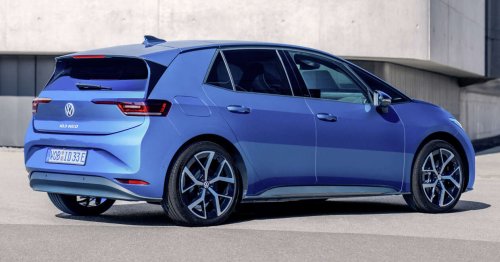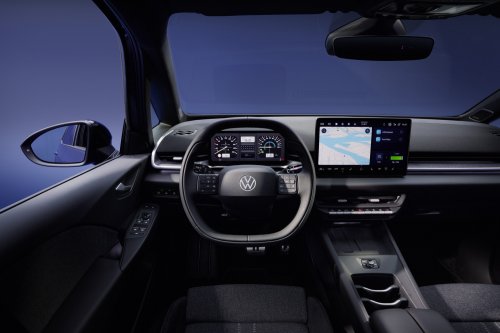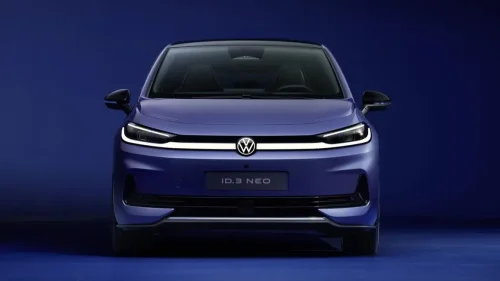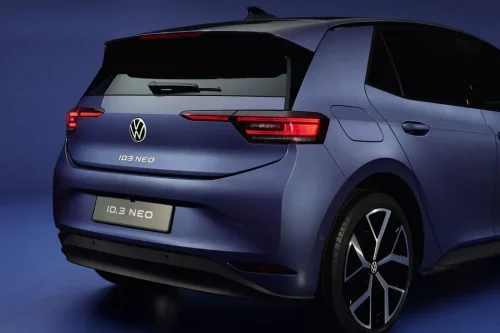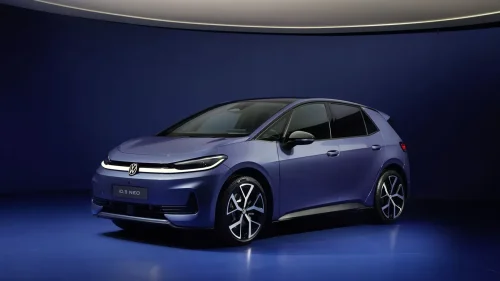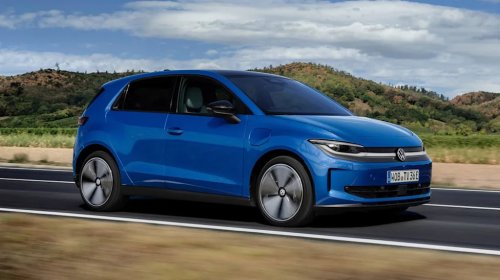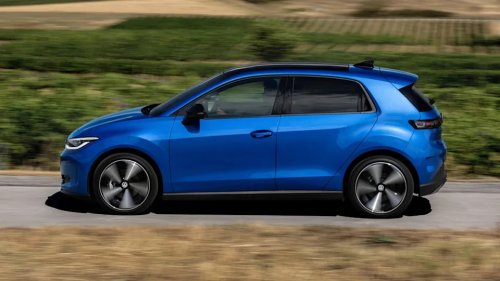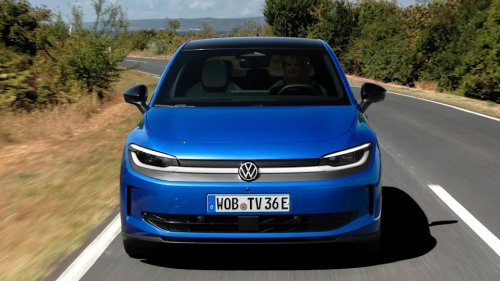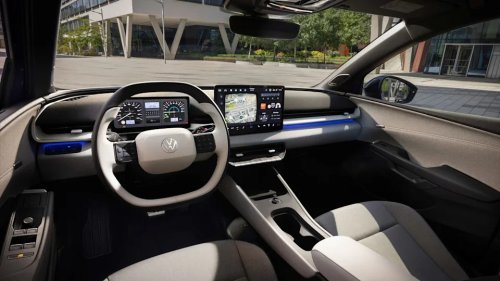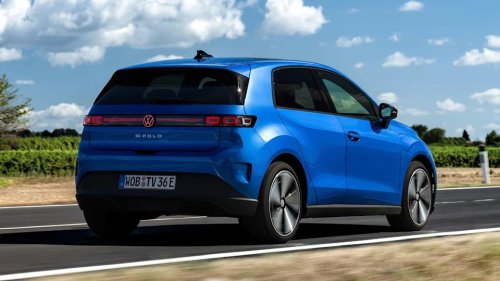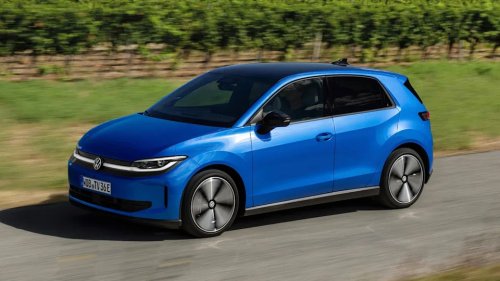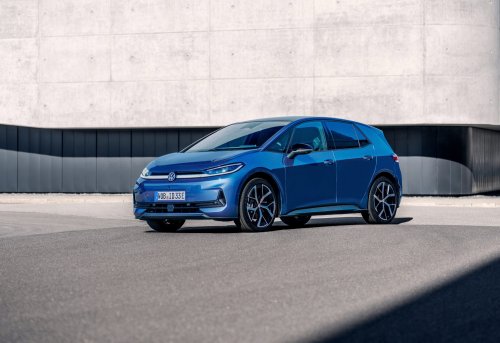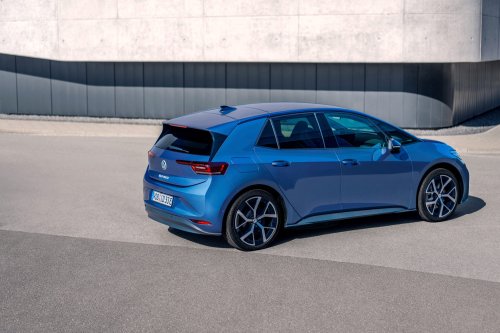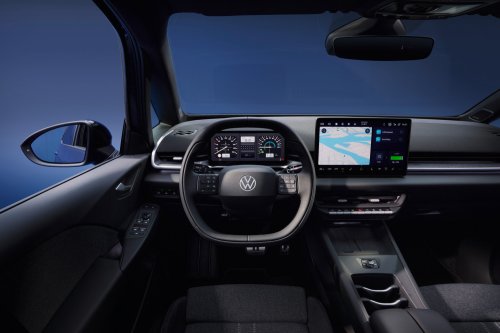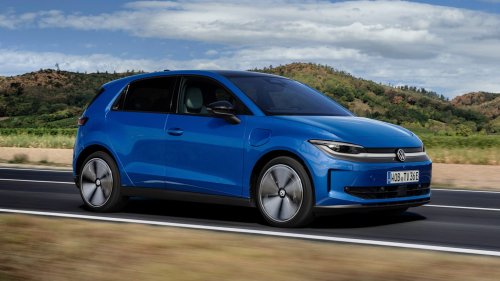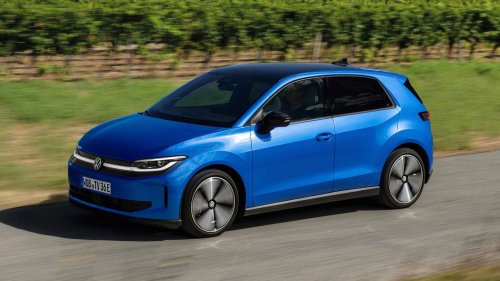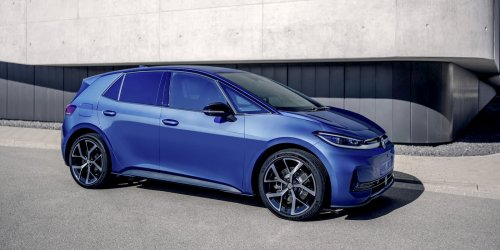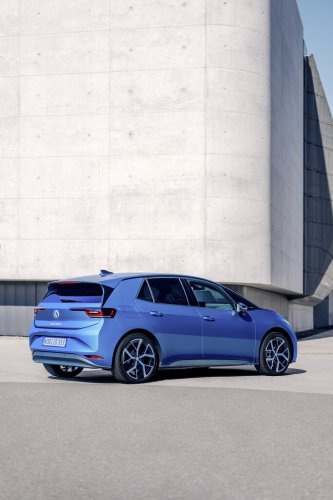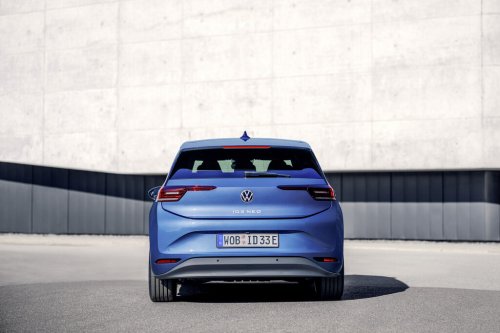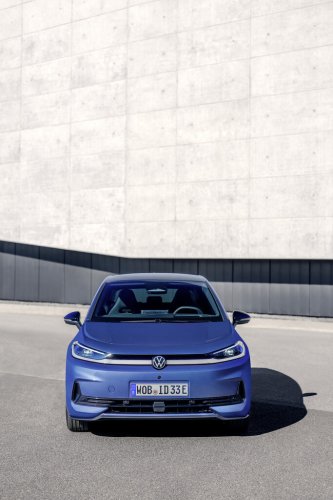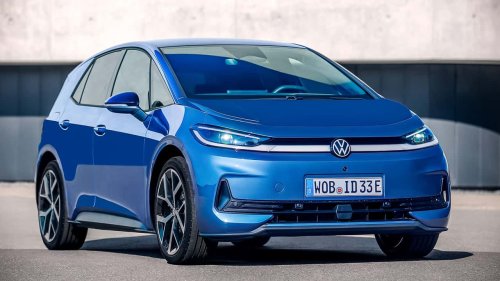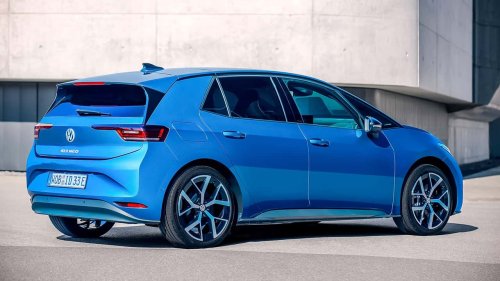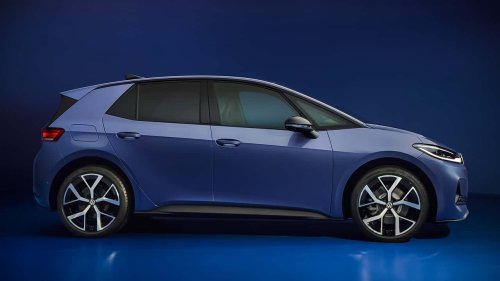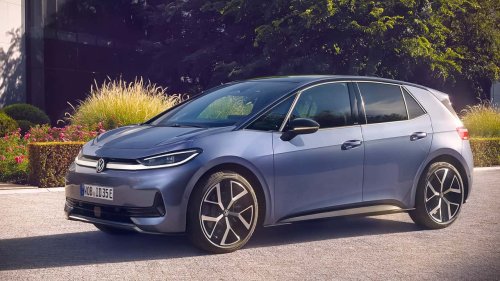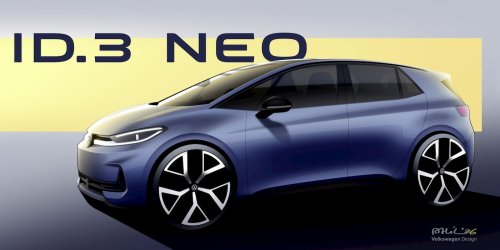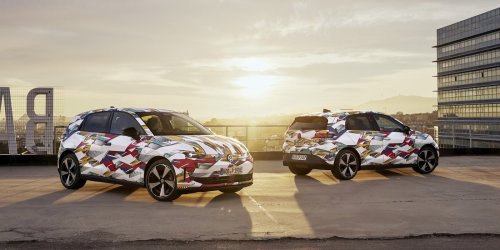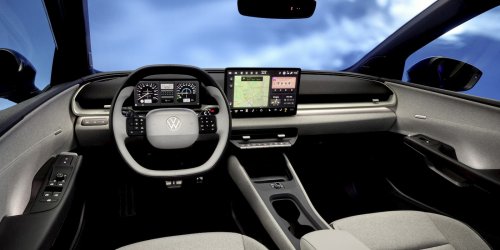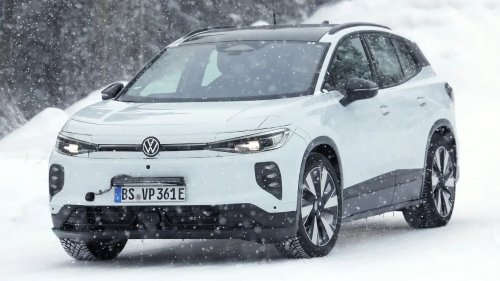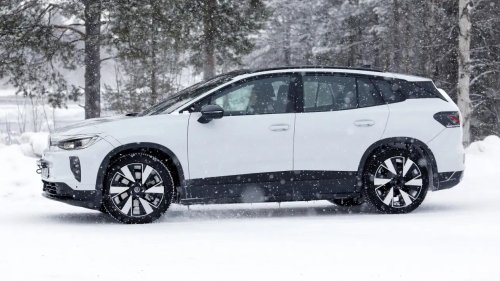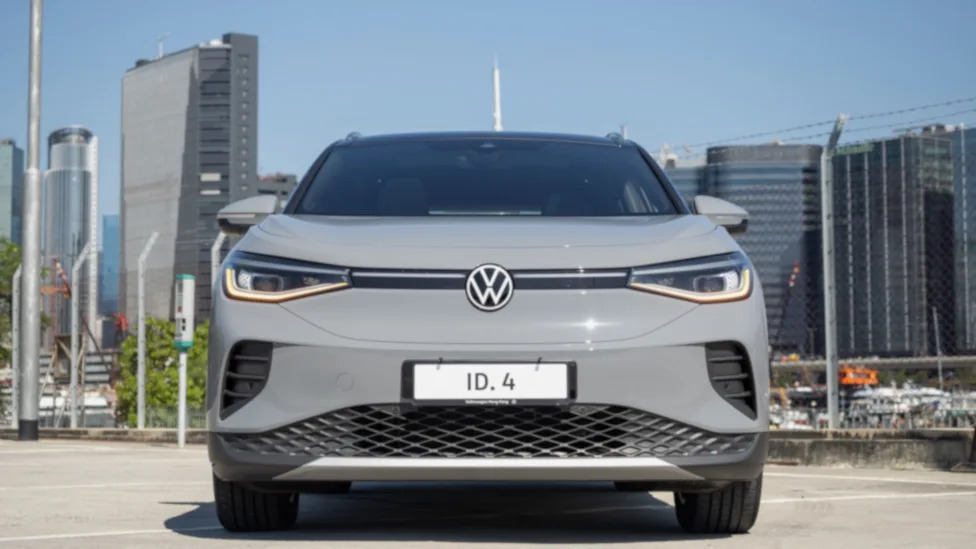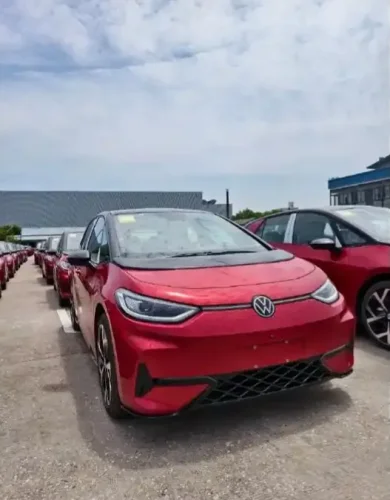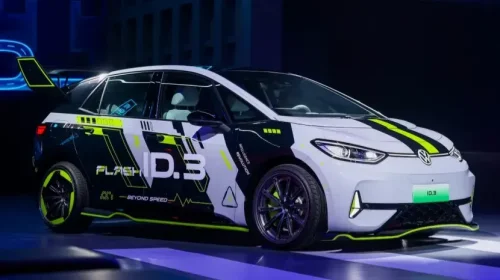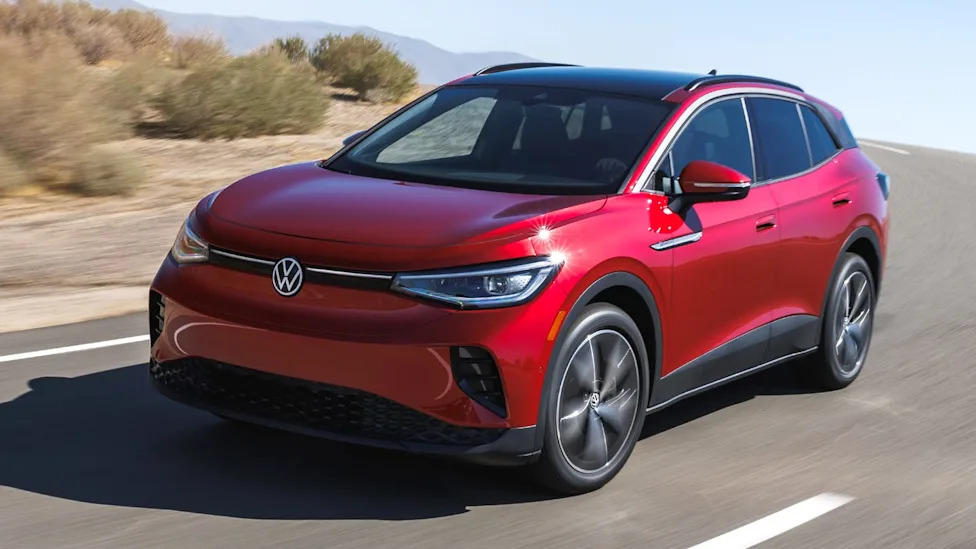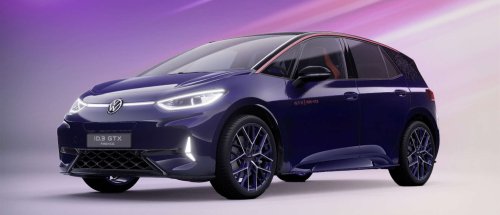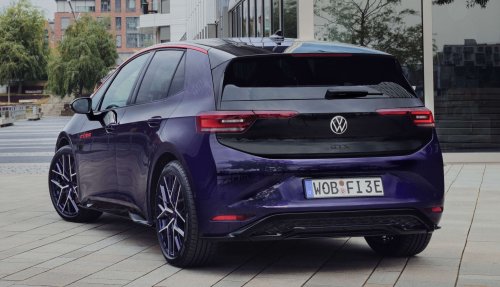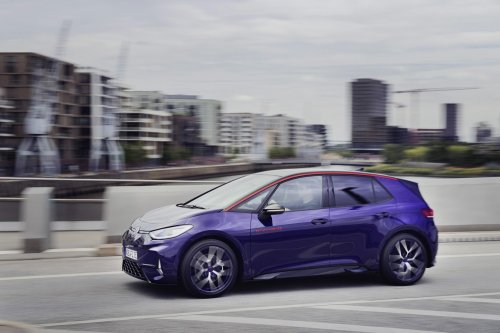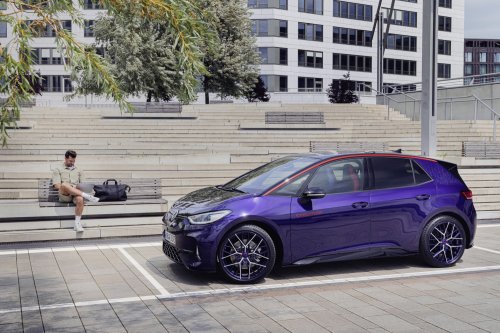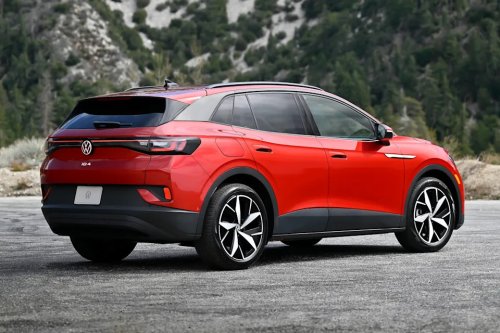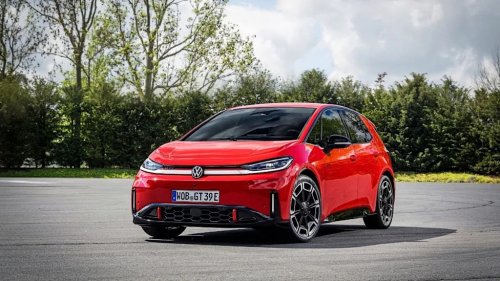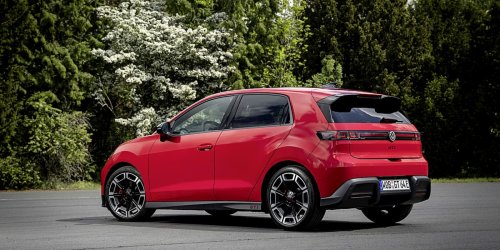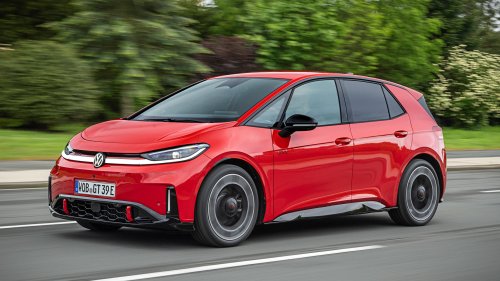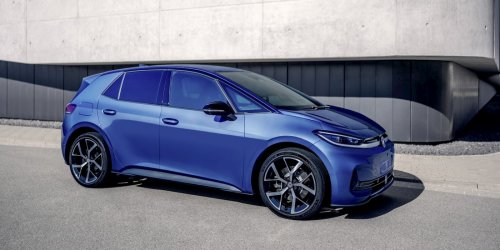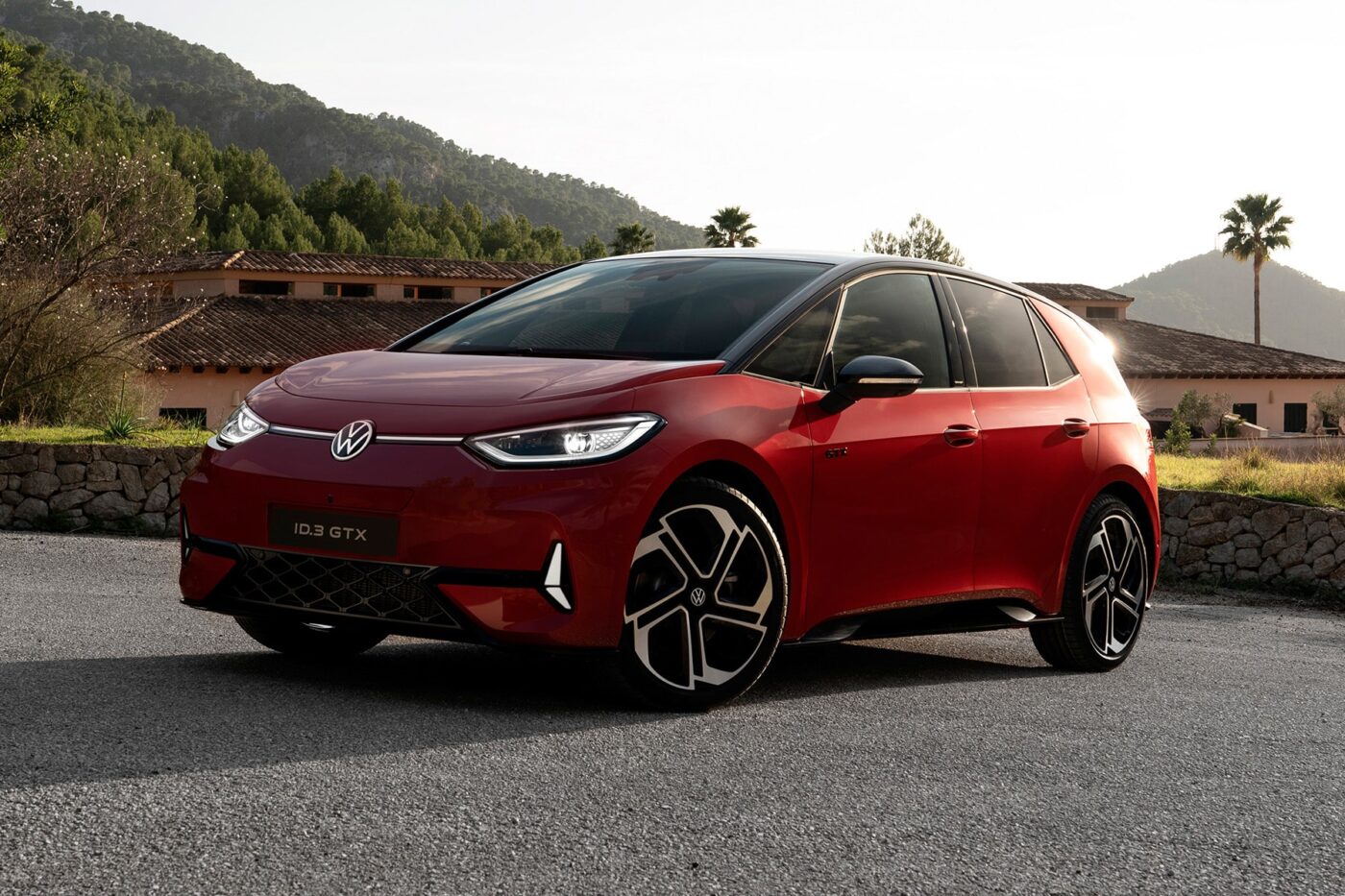



















Image: VolkswagenAs early as February, the Kraftfahrt-Bundesamt (KBA) published data on Germany’s registered passenger car fleet up to 1 January 2026. This officially confirmed that battery-electric vehicles have surpassed the two-million mark, reaching 2,034,260 units.The Flensburg-based agency has also released detailed model rankings for Germany’s electric fleet, revealing changes at the top. As of 1 January 2025 (DE), the Tesla Model Y led with 97,608 units, followed by the VW ID.3 with 91,813 vehicles, and the ID.4/ID.5 duo, which the KBA groups as a single model series. The VW models achieved double-digit growth during 2025, while the Model Y saw only single-digit increases. The result: since early January 2026, the VW ID.3 has been the most common battery-electric car in Germany’s fleet. The compact MEB-based model from Zwickau accounted for 116,053 vehicles in the statistics. This also means that, out of 2,034,260 battery-electric cars in the fleet, 5.7 per cent of all electric vehicles in Germany are ID.3s.While the ID.3 saw a 26.4 per cent increase, the former frontrunner, the Model Y, only grew its fleet numbers by 8.8 percent. This is still enough for a six-figure total of 106,184 units, but it now only secures second place. The ID.4/ID.5 duo also saw significant growth of 17.8 percent, but with 97,120 vehicles, it remains just below the six-figure mark—roughly at the level the Model Y held at the beginning of 2025.ModelFleet as of 01.01.2026Fleet as of 01.01.2025Change in PercentVW ID.3116,05391,81326.4Tesla Model Y106,18497,6088.8VW ID.4, ID.597,12082,42017.8Tesla Model 381,35280,4361.1Skoda Enyaq80,97064,91424.7Renault Zoe79,41781,292-2.3Fiat 50060,57158,6943.2Cupra Born60,25644,19736.3Smart Fortwo57,34158,634-2.2VW Up56,33456,909-1.0The model statistics for fleet numbers reveal that the biggest winners in the top ten are all based on Volkswagen’s MEB platform and are mostly produced at the Zwickau plant. The Skoda Enyaq (from Mlada Boleslav) grew by 24.7 per cent, climbing to fifth place with 80,970 units. However, the largest increase of 36.3 per cent was seen by the Cupra Born from Zwickau, the sister model to the ID.3. With 60,256 vehicles, the Born ranks eighth in Germany’s top ten.Growth has noticeably slowed for other vehicles. For a long time, the Model 3 was Tesla’s bestselling model, as it remains the brand’s most affordable option. However, in 2025, the German fleet grew by fewer than 1,000 units, representing an increase of just 1.1 per cent. Thanks to a strong base from previous years with higher demand, the Model 3 still holds fourth place with 81,352 vehicles. Three models even saw slight declines year-on-year, which is easily explained: the Renault Zoe (79,417 units, -2.3 per cent), the Smart Fortwo (57,341 vehicles, -2.2 per cent), and the VW Up (56,334 units, -1.0 per cent) are no longer in production or available as new cars.In addition to the model details, the KBA has also published data on the federal states, revealing significant regional differences. The most populous and economically strong states have the highest fleet numbers. North Rhine-Westphalia leads with 454,782 vehicles, followed by Bavaria (395,271) and Baden-Württemberg (322,060). Lower Saxony (221,823) and Hesse (179,213) similarly report high adoption figures.In the western and southern states (North Rhine-Westphalia, Bavaria, Baden-Württemberg, Hesse), the share of battery-electric vehicles in the total passenger car fleet ranges between 4.3 and 4.7 per cent. In the eastern states (Saxony, Saxony-Anhalt, Thuringia, Brandenburg, Mecklenburg-Western Pomerania), the share is between 2.0 and 2.3 per cent. However, the city-state of Hamburg leads the way, with 5.3 per cent of all cars in the city being battery-electric.kba.de (link in German)