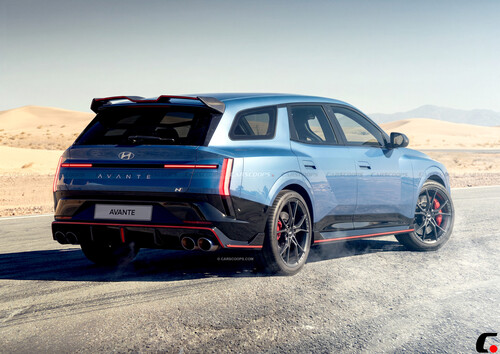
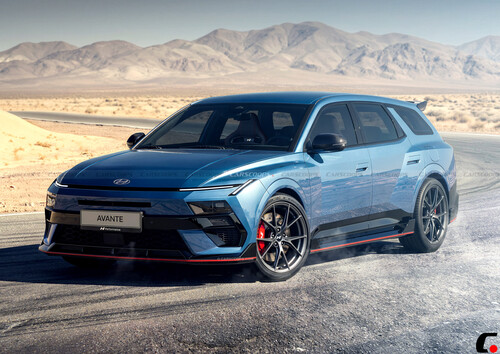
Lily Lavoie · 6 months ago@lilylavoie30Volkswagen Group Still Heavily Highlights EVs in Global Quarterly Report Liked by+14 othersAudiŠkodaPost commentRelated PostsRetro cars get boring fast, says Volkswagen design bossHenry Brown · 12 days agoHyundai Won’t Build This Elantra N Wagon, But It’d Be The Poor Man’s RS6 Avant 42 · Owen Rogers · 2 months agoI Drove The 2027 Volkswagen Atlas: You Don't Need An Audi AnymoreJackson Turner · 18 days agoA Volkswagen Bestseller Goes Electric: World Premiere of the New ID. TiguanZoë Girard · 13 days agoEurope EV Sales Report: BEVs Jump 50% & Reach 26% Market Share! 70 · Ryan Leblanc · 2 months agoTough times for Audi, VW, and Porsche could make October a great time to buyElla Pelletier · 20 days agoHow sonic design could save electric cars from their biggest weaknessCarter Gagnon · 13 days agoSpy pics: All-new Audi A2 44 · Parker Anderson · 3 months agoBargain: Volkswagen Is Practically Giving Away the ID4 Before the ID.Tiguan ArrivesIsabelle Martin · 23 days agoThis 1985 Volkswagen GTI on BaT Has a Little Something ExtraMatthew Young · 13 days agoThe best company cars - driven, ranked and rated 41 · Annabelle Girard · 3 months agoVolkswagen recalls nearly 3 million VW and Audi vehicles over screw that could cause loss of steeringLucas Poirier · 23 days agoCar Deal of the Day: all-new Volkswagen ID. Polo for a tempting £268 a monthKaitlyn Wright · 13 days agoAfter 62,000 Miles, The Healthiest EV Battery Belonged To A Kia, Not A Tesla 96 · Kaitlyn Roy · 3 months agoVolkswagen May Be Looking At Its Largest Recall Since Dieselgate 70 · Emily Roy · 24 days agoVolkswagen Put an EV Into a Giant Popcorn Machine in Wild and Bizarre Stress TestAdam Lee · 14 days ago50% Rise in Volkswagen Electric Vehicle Orders in Europe in 2026 59 · Daniel Girard · 3 months agoOne Rusty Bolt Has VW Recalling 2.86 Million Cars Worldwide. Here Are the 208,724 in America. 66 · Ryan Johnson · 25 days agoThe Jaguar Type 01 is an Insane Gamble. Here are 4 Modern EVs That Risked and Failed MiserablyHenry Martin · 15 days agoJetta, Taycan And Gas-Powered 718 Replacement Are Among 10 Cars That Could All Be Killed To Save Volkswagen 14 · Caleb Moreau · 3 months ago




 +14 others