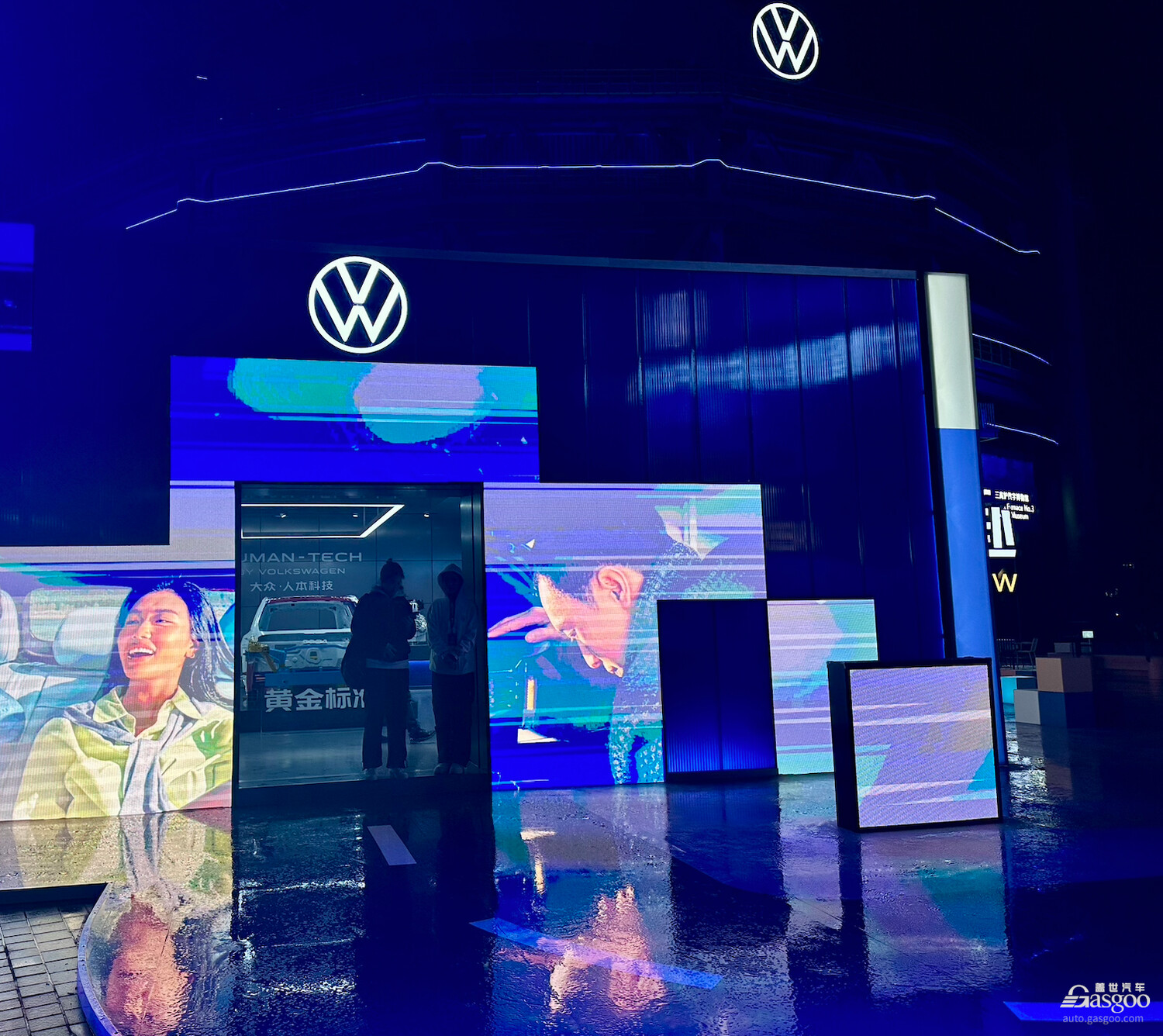
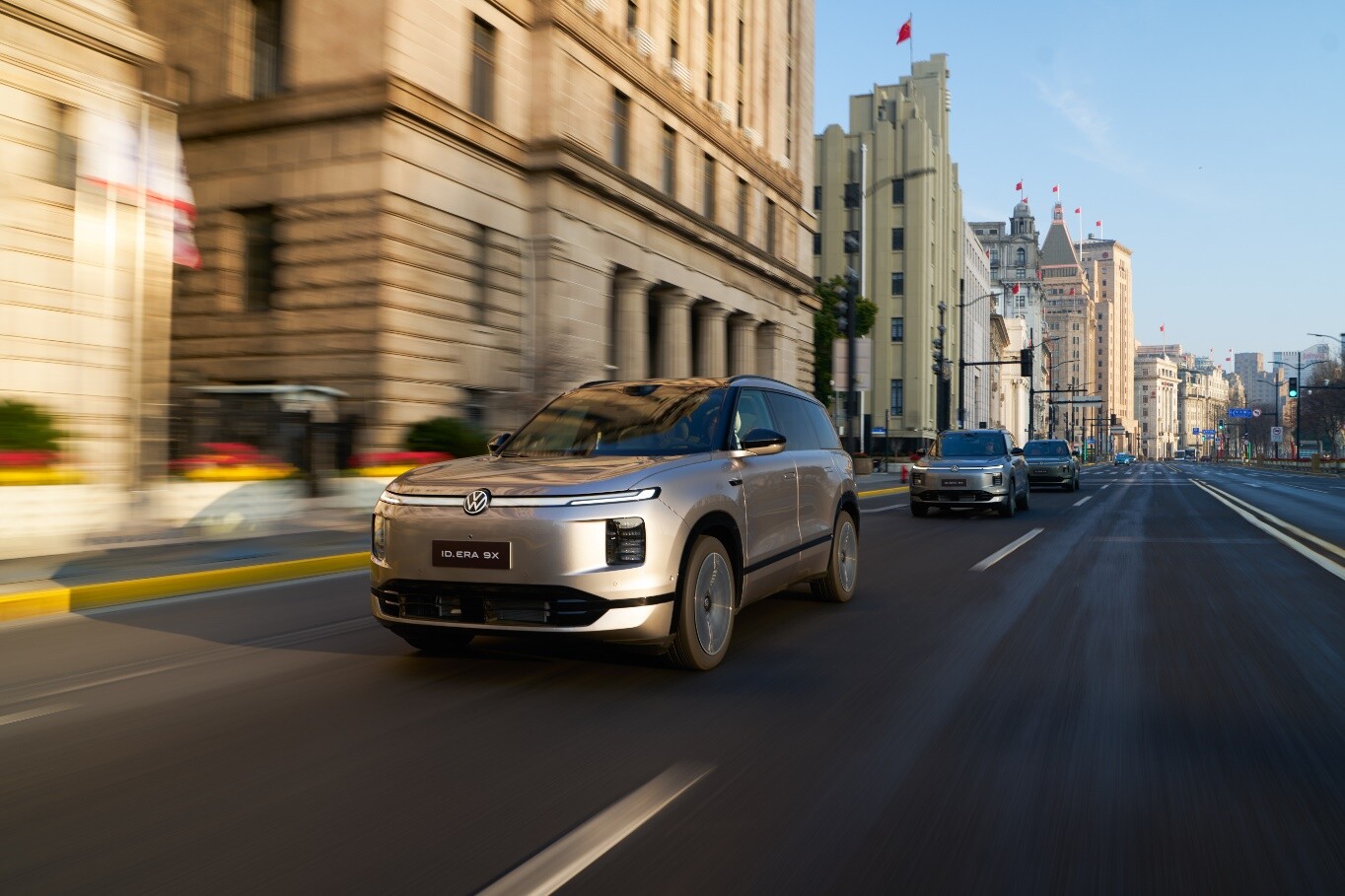
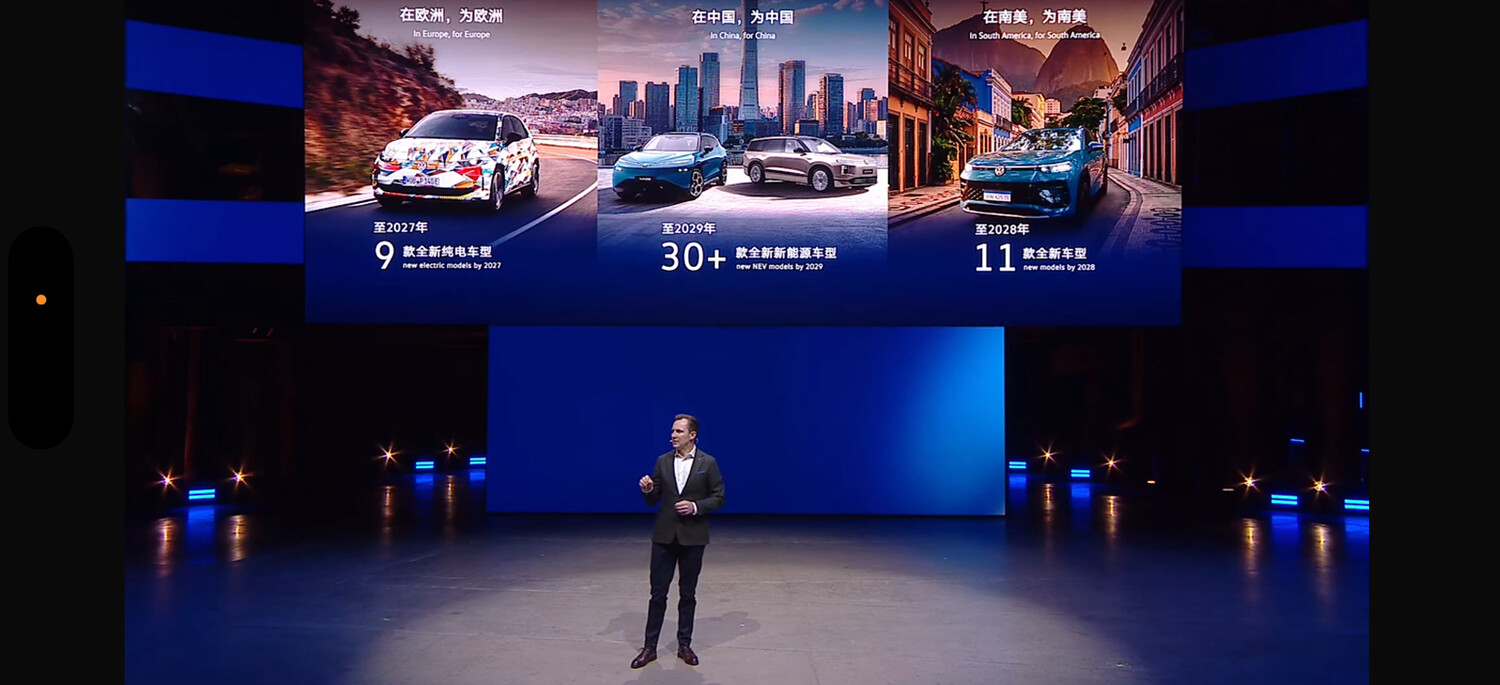
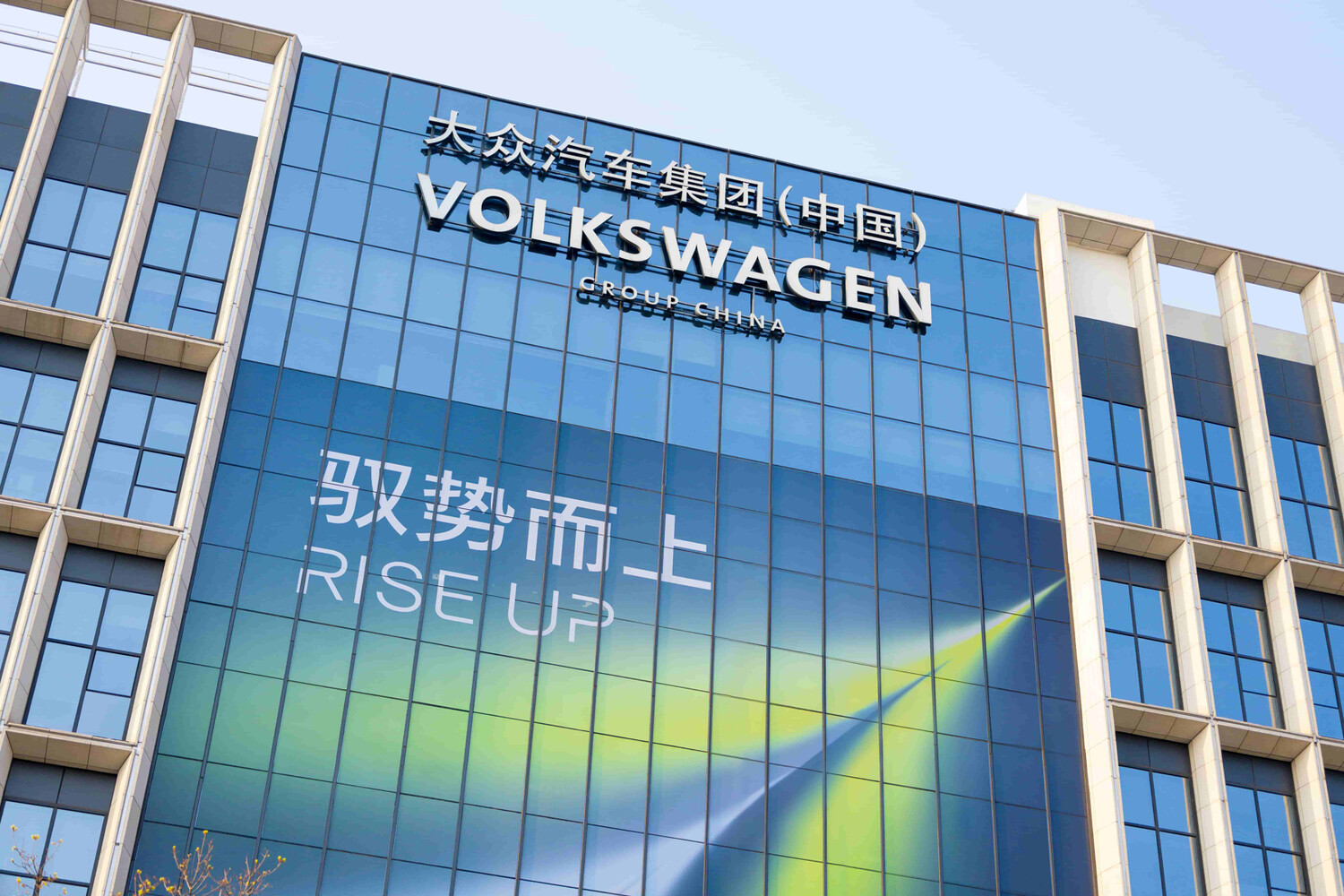
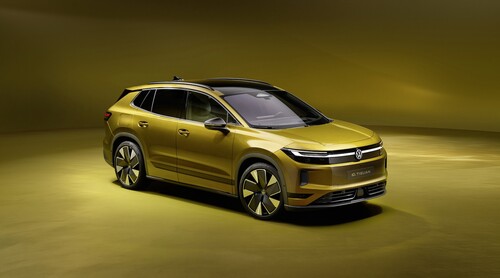
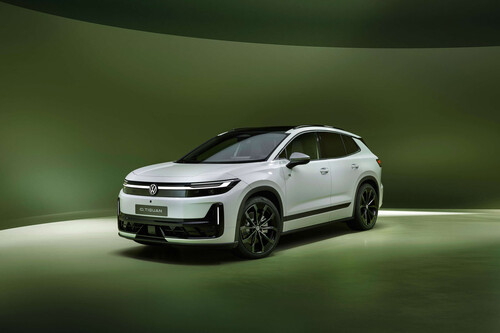
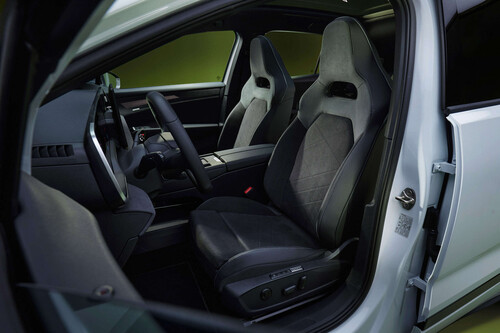
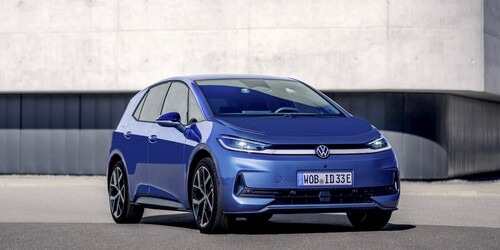
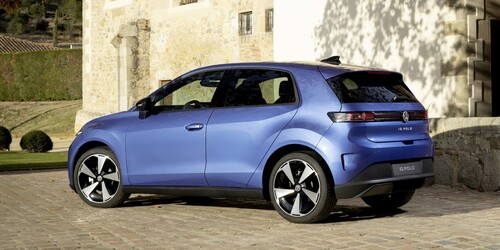
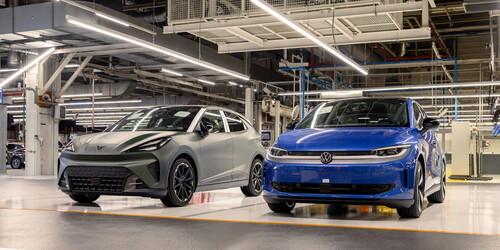
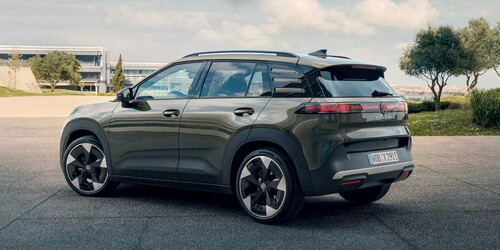
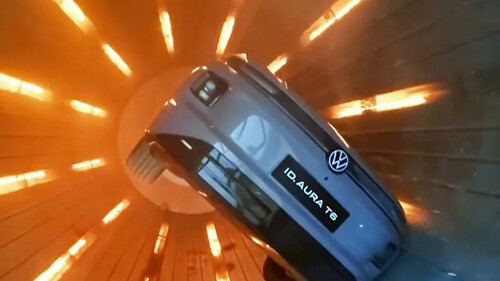
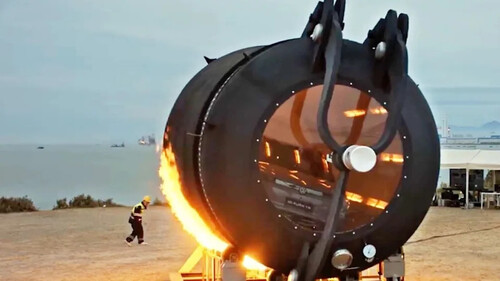
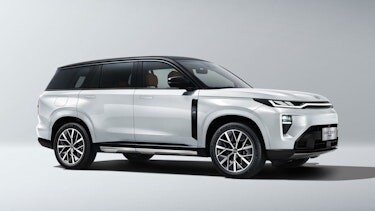
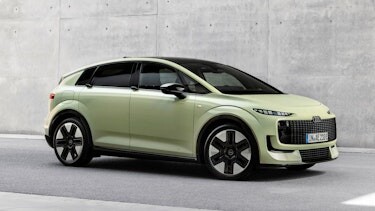
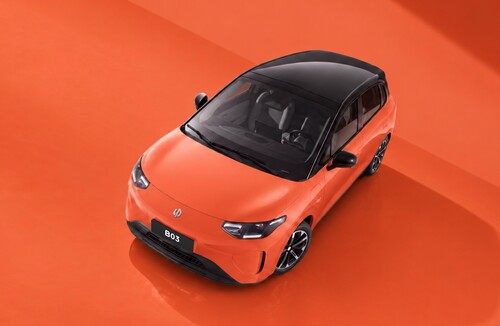
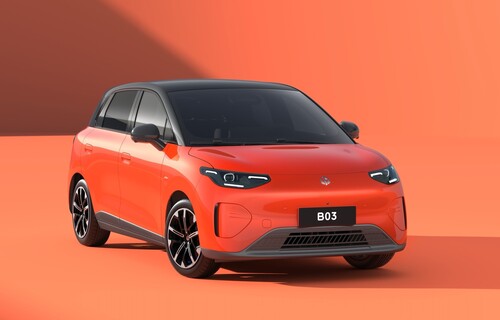
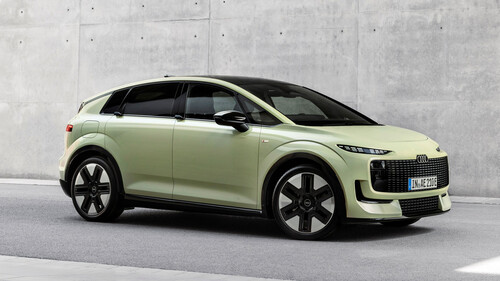
Gasgoo Munich- On April 8, at Beijing's Shougang Park, Volkswagen staged a standalone launch dedicated to the Chinese market. Bringing products, technology, and brand messaging under one roof, the event signaled a shift toward direct communication at this stage—bypassing the group level and deliberately steering clear of the Beijing Auto Show.On stage, Thomas Schäfer, Volkswagen Passenger Cars brand, used phrases like "Going all in" and "All in for the new" to underscore the company's resolve in China's electric transition—and the urgency to turn its fortunes around.Volkswagen has long dominated China's auto market, but the landscape has shifted. As competitors multiply and intensity rises, the German giant is recalibrating its rhythm and methods. This event brought together its three joint ventures: Volkswagen Anhui, SAIC Volkswagen, and FAW-Volkswagen. The focus was not merely on showing off cars, but on delivering an electrification strategy—moving new-energy models from the drawing board to mass production to fulfill the "In China, for China" promise with tangible metal.Three Joint Ventures, Three New ModelsThe stars of the show were three new-energy vehicle models: the ID. UNYX 08, ID. ERA 9X, and ID. AURA T6. One is an extended-range electric vehicle (EREV), and two are battery-electric. All three hail from Volkswagen's Chinese joint ventures—Volkswagen Anhui, SAIC Volkswagen, and FAW-Volkswagen—yet they all fall under the ID. umbrella:Image source: VolkswagenVolkswagen Anhui presented the ID. UNYX 08, a full-size, intelligent electric SUV built on an 800-volt architecture. It boasts a range of 730 kilometers and can add 150 kilometers of range in just five minutes via ultra-fast charging. Pre-sales opened on March 26 with prices ranging from 239,900 to 299,900 yuan, and the official launch is set for the 16th of this month.Image source: VolkswagenSAIC Volkswagen introduced the ID. ERA 9X, a full-size extended-range SUV—a first for the Volkswagen lineup.The new model offers a CLTC battery-powered range exceeding 400 kilometers and a combined range of over 1,600 kilometers. Priced between 329,800 and 379,800 yuan, it is scheduled to hit the market on April 25. Mechanically, it employs an EA211 engine as a range extender, addressing long-distance travel needs while retaining the driving characteristics of an electric powertrain.Image source: VolkswagenFAW-Volkswagen unveiled the ID. AURA T6, a mid-size electric SUV. Unlike the other two, the T6 appeared in camouflage and is set to debut at the Beijing Auto Show. It features the CEA (China Electronic Architecture) developed specifically for China and marks the first inclusion of a LiDAR sensor, with intelligent driving solutions sourced from CARIZON, the joint venture between Volkswagen and Horizon Robotics.While both the ID. UNYX 08 and ID. AURA T6 are battery-electric, the former highlights ultra-fast charging via its 800-volt platform, whereas the latter distinguishes itself with the localized CEA architecture and CARIZON's intelligent driving system.Image source: VolkswagenThe three models complement one another in technology and target audience. The ID. ERA 9X leverages SAIC's resources, targeting family scenarios with an emphasis on space and extended range. The ID. UNYX 08, developed with XPENG, focuses on intelligent features and charging efficiency. The ID. AURA T6 integrates FAW's resources with local tech partners, aiming for a more balanced positioning.A common thread is that all three models fall under the ID. family, sharing the "ID." prefix to maintain consistent brand identity. Technically, the three joint ventures are jointly promoting the "Volkswagen Human-Centric Technology" system, which encompasses three pillars: Intelligent Driving, Intelligent Cockpit, and Golden Standards."Intelligent Driving" integrates AI driver assistance with a smart chassis; rear-wheel steering gives the 5.2-meter-long vehicle a turning radius smaller than an A0-segment car, while power loss in low-battery states is limited to just 0.2 seconds. "Intelligent Cockpit" features a multi-screen ecosystem, dynamic zero-gravity seats (usable while driving), and active noise cancellation, emphasizing the cabin as a mobile living space. "Golden Standards" is a full-stack quality control framework covering chip selection, algorithm verification, and functional safety, ensuring the reliability, scalability, and compliance of deployed technologies.A Volkswagen brand representative stated that these three pillars serve as the unified technical language for the brand, while each joint venture retains its own implementation path within this framework.Three models, three joint ventures, and two powertrain types together form the first wave of Volkswagen's offensive in China's electric market.Why Volkswagen Staged a Standalone EventHosting a "Brand Night" during the Beijing or Shanghai auto shows is standard practice for the Volkswagen Group. Previously, however, the focus was primarily on the Group, usually in a single event. This time, a dedicated Volkswagen Brand Night was added, coming less than two weeks before the Group Night on April 21. This arrangement reflects a shift in strategic priorities: the standalone event highlights the brand's most core foundation.Schäfer noted that China remains Volkswagen's largest single market among more than 150 countries globally. Over four decades, Volkswagen has amassed over 47 million users in China, with the core brand driving the vast majority of sales. Data shows that in 2025, the Volkswagen brand contributed roughly 80% of the Group's sales in China. In essence, the brand's market share and user base largely determine the Group's competitive standing in the region.Yet the landscape has shifted dramatically in recent years. Domestic brands and new entrants have risen rapidly in the electric sector, putting pressure on joint ventures to hold their ground. In 2022, BYD overtook the "North and South" Volkswagen ventures to become the top-selling manufacturer in China. While Volkswagen remains the leading international brand, its lead over the past is no longer as insurmountable.In 2025, the Volkswagen Group delivered nearly 2.7 million vehicles in China—a contraction of 1.5 million units from its peak. In the same year, BYD and Geely sold 4.6 million and over 3 million units, respectively. Volkswagen now faces more than 150 competitors in China. As the pace of innovation accelerates, relying solely on existing scale advantages is no longer enough to sustain future growth.Under these conditions, Volkswagen must accomplish two tasks: use brands like Audi and Porsche to secure profits and prestige in the high-end market, while using the Volkswagen brand to maintain scale and its user base in the mid-range market. The former determines how high the Group can climb; the latter determines how firmly it can stand.By hosting a dedicated launch, the brand is signaling that its foundation cannot be ignored or diluted. Viewed from another angle, this is also a collective mobilization of the three joint ventures, highlighting their differentiation while emphasizing the synergy of "One Volkswagen."The Foundation Remains VolkswagenAmidst all this change, Volkswagen repeatedly emphasizes one constant: safety, quality, and reliability. These are the cornerstones of the brand that will not be compromised.In less than 36 months, Volkswagen has built an entirely new product matrix in China, yet every new product must undergo validation against the brand's unified global standards. This system encompasses over 8,000 testing criteria, with more than 2,500 classified as high-intensity validations.Take the three models unveiled that night: their validation process covered a multitude of scenarios, from extreme climates to complex road conditions.Image source: SAIC VolkswagenFor instance, in Heihe at minus 30 degrees Celsius, the ID. ERA 9X—running on a low battery charge below 20%—accelerated from 0 to 100 km/h only about 0.8 seconds slower than at full charge, while interior noise increased by less than 0.5 decibels. This demonstrates that the common issue of performance degradation in low-battery states has been minimized by Volkswagen's engineering standards to the point where it is virtually imperceptible to users.Similarly, in freezing temperatures, the ID. UNYX 08 maintained 90% charging efficiency even at minus 30 degrees Celsius. This is backed by Volkswagen's continuous optimization of battery management systems and thermal control strategies.On the safety front, the ID. UNYX 08's high-voltage battery system employs a hardware-level pyrotechnic fuse that cuts the high-voltage circuit within 5 milliseconds during a collision. This design costs more than software-based solutions and is not an industry standard. Above the cell pressure relief valve, mica sheets and flame-retardant coatings are used; even in the extreme event of thermal runaway, the system ensures no open flame or heat propagation for 24 hours.ID. ERA 9X Golden Range Extender System (Image source: SAIC Volkswagen)Volkswagen's testing regimen also includes rare industry benchmarks. The Group has been conducting rollover tests in China for decades; each product undergoes more than 20 tests using four actual vehicles, covering real-world scenarios like sand, slopes, and corkscrew rollovers.For new-energy vehicle safety validation, Volkswagen adopts standards far exceeding national norms. Rear-impact tests use a 1,362-kilogram barrier striking at 80 km/h—three times the impact energy of national standards. Side pole-impact tests deliver twice the standard energy, covering more than 20 critical points on the battery pack.Chassis tuning is another technical barrier built over time. Volkswagen controls chassis tuning precision to within 0.01 square millimeters. Engineers conduct over 200 fatigue and durability tests on the chassis; even a single component like a shock absorber piston rod must undergo dedicated fatigue, fracture, and tensile tests, with each test's intensity equivalent to at least 300,000 kilometers of real-world driving.Additionally, the EA211 engine has a global installed base of 25 million units. Its reliability as the range extender for the ID. ERA 9X has already been proven through over a decade of market validation."We cannot rest on our laurels; there is much in China's development model that is worth learning from," said Oliver Blume, CEO of Volkswagen Group. Yet, Volkswagen believes safety, quality, and reliability remain its bedrock. In its electric transition, technical routes may shift and R&D may localize, but the standards by which products are measured will not be lowered for any market.The "China Moment" for the ID. SeriesAfter three years and nearly a thousand days of calibration and preparation, Volkswagen's electrification strategy is reaching a critical juncture.According to the plan, Volkswagen will launch 13 new-energy models in China in 2026, spanning battery-electric, plug-in hybrid, and extended-range powertrains. By 2029, that number will exceed 30. This makes 2026 the true watershed moment for Volkswagen's electric transition in China—shifting from tentative testing to mass delivery.Image source: VolkswagenBefore this, Volkswagen's electrification push in China faced headwinds. Early ID. models, despite wearing the Volkswagen badge, essentially followed a "global car import" model—developed by German headquarters using a global supply chain, then simply shipped to China for sale.This approach led to a misalignment between product technology and local consumer demands: the response speed of early ID. infotainment systems and the localization of intelligent driver-assistance features fell short of the standards set by domestic brands at the time. Even the ID. UNYX 06, the first model launched by Volkswagen Anhui in 2024, failed to meet market expectations.The root cause was insufficient localization in the R&D system. When decision-making power lies in Wolfsburg while the market is in China, response times inevitably lag. The "In China, for China" strategy proposed in 2023 was essentially designed to solve this problem. After nearly three years of systemic restructuring, 2026 is viewed as the pivotal year when this strategy moves from planning to validation.One marker of this change is the implementation of the CEA (China Electronic Architecture). This is a zone-control E/E architecture built exclusively for China, jointly developed by the Volkswagen Anhui R&D Center (VCTC), XPENG, and CARIAD China. The first generation was completed in just 18 months.The CEA architecture boasts high-performance central computing and sustainable iteration capabilities, covering battery-electric, hybrid, and combustion models. This makes Volkswagen the first automaker in the industry to scale zone-control architecture across multiple vehicle platforms. The ID. AURA T6 is the first SUV to feature this architecture.Localizing the R&D system is another critical shift. Located in Hefei, VCTC is Volkswagen's largest R&D center outside Germany, with a total investment of approximately 3.5 billion euros and a workforce of over 3,000 experts.A brand representative explained that the center has two core functions: ensuring all models in China meet unified engineering and quality standards, and deepening local R&D capabilities to make product development more responsive to Chinese market needs and more competitive. The differentiated positioning of each joint venture is then realized by their respective R&D teams within this unified framework.Including the R&D teams of joint venture partners, Volkswagen's total R&D headcount in China now exceeds 7,000. The target cycle for new product launches has been shortened to 24 months, steadily closing the gap with local new-energy vehicle startups.In intelligent driving, Volkswagen is building local capabilities through CARIZON, its joint venture with Horizon Robotics. The advanced driver-assistance system developed by CARIZON is already featured on CEA-based models like the FAW-Volkswagen ID. AURA T6, enabling functions such as assisted navigation for both city and highway scenarios, as well as automated parking.Crucially, CARIZON has begun in-house development of high-compute system-on-chips (SoCs), laying the groundwork for Level 3 and Level 4 autonomous driving. This signifies that Volkswagen is shifting from procuring to self-developing core technologies in intelligent driving.Adjustments are also happening in marketing and sales channels. The ID. UNYX 08 from Volkswagen Anhui will enter select FAW-Volkswagen dealerships via a "store-within-a-store" model, leveraging the latter's channel resources to rapidly expand market reach. Currently in a pilot phase, the model will be expanded if results meet expectations. This marks Volkswagen's first attempt at cross-joint-venture channel synergy in China.Image source: Volkswagen ChinaFrom product to architecture, and from R&D to channels, Volkswagen is delivering a comprehensive "China solution." Ralf Brandstätter, Chairman and CEO of Volkswagen Group China, previously stated that 2026 would be a year to witness the "Volkswagen Moment." The Brand Night showcased a Volkswagen that is restarting on its own terms: with more localized products, a more flexible architecture, and R&D that is closer to the market. Yet the effectiveness of this strategy ultimately depends on the market—specifically, whether consumers will embrace it.Volkswagen still holds a share of over 20% in China's internal combustion engine market—a highly competitive foundation. However, in the electric era, brand loyalty from the gasoline age does not automatically transfer. The past few years have proven this true for several joint ventures. Volkswagen's status in the electric era will have to be proven one new car at a time.