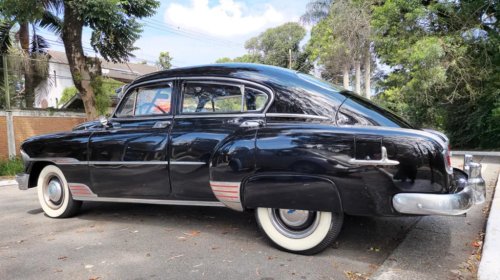
Vintage daily driver vs weekend-only classic what makes more senseFor anyone drawn to chrome bumpers and carburetors, the real dilemma is not whether to own an old car but how to live with it. Some drivers want a vintage machine that shoulders the grind of commuting, school runs, and errands. Others prefer a classic that stays tucked away until the weather, mood, and schedule all line up. The choice between a daily-driven old car and a weekend-only classic shapes everything from insurance and maintenance to safety and stress levels. Either path can work. The right answer depends less on nostalgia and more on how a specific car will be used, protected, and paid for over time. What “daily driver” and “weekend classic” really mean In enthusiast circles, a vintage daily driver is an older car that handles regular transportation duties most days of the week. It might be a 1970s Volkswagen Beetle used for a short commute or a 1990s pickup that hauls and tows. The key is frequency. Insurers describe this as primary use, which typically disqualifies a vehicle from specialized collector coverage in favor of standard auto insurance. A weekend-only classic, by contrast, is driven occasionally and usually for pleasure. Collector policies are built around this idea of limited use. One insurer describes classic coverage as designed for “occasional pleasure use,” meaning weekend drives, shows, and club events rather than daily traffic and parking lots. That distinction affects everything from premiums to how claims are handled. Reliability: how old cars cope with daily use Classic-car reliability is often misunderstood. Owners who treat their cars carefully report that most older vehicles can be very dependable if they are maintained correctly and if known weak points are addressed. One detailed account of living with a classic every day notes that inherent weak spots usually have a known fix, and that the main obstacles are not catastrophic failures but the accumulation of small age-related issues that modern drivers are not used to managing. Daily use magnifies those small issues. A car that sees only a few hundred miles a year can tolerate marginal cooling or a tired starter. The same car, driven in rush-hour traffic, might overheat or refuse to crank in a crowded parking garage. Another report on How Daily Use driving explains that occasional use lets the car operate within controlled limits, while daily use exposes it to more temperature swings, stop-and-go traffic, and extended idling that accelerate wear. For a weekend-only classic, reliability expectations are different. The car must start and run well for planned outings, but a canceled Sunday drive is less disruptive than a missed commute. Owners can schedule repairs around free time instead of scrambling for same-day fixes so they can get to work. Maintenance demands and parts availability Every older car demands more attention than a new crossover, but the maintenance burden changes dramatically once a classic becomes the main vehicle. Guidance for those considering a full-time vintage driver stresses that regular inspections, fluid changes, and preemptive replacement of wear items are non-negotiable. One collector-focused resource lists factors such as mileage, storage, and mechanical condition as central to deciding whether an older car can handle constant use, and it encourages owners to think through how they will keep up with the extra work before committing to daily duty. Daily drivers rack up miles quickly, which means more frequent oil changes, brake jobs, and tune-ups. A car that might need a major service every few years as a hobby vehicle could require the same work annually or even more often when used for commuting. At the same time, some owners report that using a classic regularly keeps seals from drying out and carburetors from gumming up, which can actually improve reliability compared with a car that sits for long stretches. Parts availability is another dividing line. Common models such as Mustangs, Camaros, and air-cooled Volkswagens benefit from large aftermarket catalogs. Suppliers like Restoration specialists stock reproduction trim, weatherstripping, and mechanical components that make it realistic to keep an older car in daily service. Rarer imported models or low-production domestic cars may require custom fabrication or long waits for used parts. For those vehicles, occasional use often makes more sense because the owner has time to source components without the pressure of needing the car on Monday morning. Comfort and safety in modern traffic Comfort and safety are where nostalgia most often collides with reality. Many older cars lack air conditioning, modern sound insulation, and seating that supports long commutes. A long-time owner writing about daily use of a classic describes creeping through traffic with eyes locked on the temperature gauge as it climbs past “220” degrees, while the cabin heats up and stress levels rise. That kind of experience can turn a dream daily driver into a rolling anxiety machine. Safety expectations have also changed. Enthusiasts on one discussion thread urge would-be daily drivers to “Buy a 10-15 year old Camaro, at least it has airbags and ABS,” highlighting how much protection systems such as airbags and anti-lock brakes matter in modern traffic. Another owner who daily drove a “66” era car eventually stopped because watching the vehicle get beaten up by parking lots and bad weather was emotionally draining, and the risk of serious injury in a crash weighed heavily. Some owners accept those trade-offs. Others compromise by updating their classics with modern safety features. Advice on keeping a vintage driver roadworthy often recommends front Disc brakes and Power steering as minimum upgrades for a car that will see regular traffic and parallel parking. Still, even upgraded classics will not match the crash protection of a recent sedan with multiple airbags and electronic stability control. Insurance: where usage decides coverage Insurance is one of the clearest dividing lines between a vintage daily and a weekend classic. Specialist policies are built around the idea that the car is not the primary vehicle and is driven on a limited basis. One overview of qualifications for classic explains that carriers typically require the classic to be stored securely, used only for pleasure, and supported by a separate regular-use vehicle. In exchange, owners can access agreed value coverage that pays a pre-set amount in the event of a total loss, rather than the depreciated market value. If a classic is driven daily, that structure falls apart. A major insurer spells it out plainly: if a driver uses a classic car every day, they will need a standard auto policy rather than specialty coverage. The explanation on daily driving notes that collector policies are not designed for commuting or heavy mileage, and that using the car that way can violate the terms of coverage. For weekend-only use, the situation is more favorable. Collector-focused guidance on classic-car-as-daily-drivers outlines how limited use, secure storage, and good condition help qualify a car for specialized policies that often cost less than standard insurance for the same vehicle while protecting its appraised value. Another resource that answers “How Often Can I Drive My Classic Car” frames collector coverage around occasional pleasure use, which aligns neatly with the weekend-only model. Owners who hope to split the difference by daily driving while carrying a collector policy risk serious problems if they file a claim after an accident on the way to work. Insurers can point to mileage limits and usage restrictions to deny or limit payouts. Finances: fuel, depreciation, and repairs Money often decides whether a vintage car can realistically serve as a daily driver. Fuel economy is one factor. Some older cars are surprisingly efficient. A period report on Volkswagen Beetle gas highlights that small-displacement engines in lightweight bodies can deliver respectable consumption numbers. Others, especially large V8 sedans and trucks, drink fuel at a rate that makes them expensive commuters compared with modern compact cars or hybrids. Depreciation cuts the other way. A well-kept classic that is already fully depreciated may hold its value or even appreciate, particularly if it is a desirable model. Daily use, however, accelerates wear and cosmetic damage. One owner on a classic-car forum describes quitting daily use of a cherished car because it was painful to watch it collect door dings and rust from constant exposure. For a weekend-only car, the lower mileage and better preservation can help protect long-term value. Repair costs are more complex. Labor for carburetor tuning or drum-brake service can be expensive if a local shop is unfamiliar with older systems. On the other hand, many mechanical parts for popular classics are inexpensive, and the simplicity of older designs can make do-it-yourself repairs more feasible. A guide on driving your classic notes that owners who are willing to handle some maintenance themselves can offset higher insurance or fuel costs, particularly if they keep the car for occasional use. Lifestyle: stress, joy, and identity Beyond numbers and policies, the choice between daily and occasional use is about how a classic fits into a driver’s life. Some enthusiasts find that using a vintage car every day brings constant joy. A piece encouraging owners to the pitfalls and triumphs of daily use describes the satisfaction of turning every commute into a small event, with thumbs-up from other drivers and a deeper connection to the machine. Others find that the stress outweighs the romance. A discussion among classic owners includes stories of breakdowns in heavy traffic, difficulty finding shops willing to work on older cars on short notice, and anxiety about leaving a valuable vintage vehicle in unsecured parking lots. One contributor who rebuilt an “Austin Healey Sprite” tried to use it regularly, then discovered that the car struggled to cope with modern highway speeds and aggressive driving habits around it. Weekend-only use offers a different rhythm. The car becomes a reward instead of an obligation. Owners can choose their weather, avoid salty winter roads, and plan routes that suit the car’s strengths rather than its weaknesses. Guidance on should-i-use-my-classic-car-as-a-daily-driver emphasizes this point, suggesting that occasional use allows owners to preserve both the vehicle and their enjoyment of it. Patina, preservation, and how much wear is acceptable How to choose: a practical decision tree Is there another reliable car in the household? If not, relying on a decades-old vehicle as the only transportation adds significant risk. Guidance on driving your classic and on classic-car-as-daily-drivers both assume that a classic is not the sole vehicle. Does the intended use match the collector insurance rules? If the plan involves commuting, school runs, or heavy mileage, standard insurance, such as the policies described in Drive Your Classic, is usually required. Is the owner ready for hands-on maintenance? Daily use of a classic is more realistic for someone comfortable with basic repairs. For those who prefer to hand everything to a shop, occasional use can keep costs and inconvenience manageable. How long and demanding is the commute? Short, low-speed drives on secondary roads are much kinder to older cars than long highway slogs in extreme weather. Is the car rare or easily replaceable? A common model with plentiful parts is better suited to daily use than a rare survivor that would be difficult to repair or replace after a major accident. More from Fast Lane Only Unboxing the WWII Jeep in a Crate 15 rare Chevys collectors are quietly buying 10 underrated V8s still worth hunting down Police notice this before you even roll window down