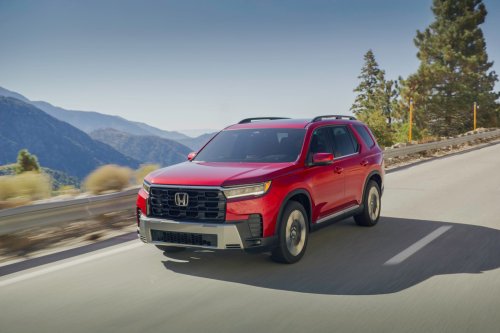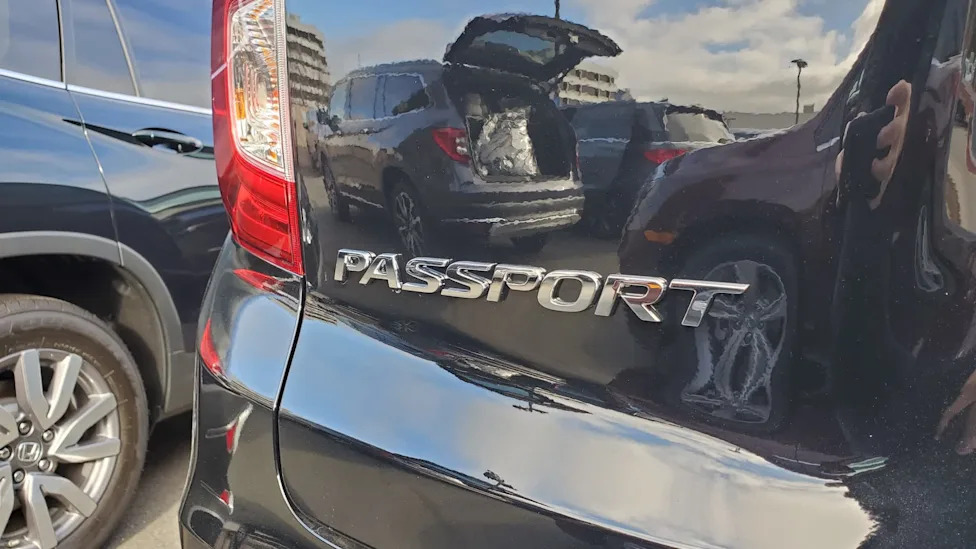



















Photo Credit: Getty ImagesFor many drivers, the case for going electric is often framed around gas prices or cutting pollution. But in a Reddit post that struck a chord with other motorists, one EV owner said the real tipping point was more practical: the hassle of maintaining a lightly driven gas-powered SUV.What's happening?In a post on Reddit's r/electricvehicles, one driver explained that maintenance was the deciding factor for the change.AdvertisementAdvertisementAn upcoming 90,000-mile service for a Honda Passport they "barely drove" was the kicker."I got an [EV] cause my Honda Passport was due for its 90k service and I barely drove it," the driver wrote."Maintenance on gas cars is what really made me swap. No more oil changes, no more worrying the transmission is getting worse," the poster added.They said saving money on gas was a welcome extra and added that they do not miss "the engine vibration" either.Other Reddit users highlighted smaller benefits they have noticed after switching. "I forgot one of the MANY little benefits until yesterday: I don't have to listen to gas pump advertising anymore," a commenter concurred.AdvertisementAdvertisement"It's funny cause I haven't had to get gas in so long (8 years) that when I walk past pumps to go in the store I'm like wtaf is this," another added.Why does it matter?The discussion centered on a practical side of EV adoption that can be overshadowed by debates about charging networks, pollution, or fuel prices: maintenance fatigue.For many households, major scheduled service, recurring oil changes, and worries about transmissions or other engine-related repairs can create both financial and mental strain.That is especially relevant for drivers who do not put many miles on their vehicles but still face age- or mileage-based service intervals. In that situation, the appeal of a simpler drivetrain can feel immediate rather than theoretical.AdvertisementAdvertisementCommenters also pointed to the potential savings once gas station visits disappear. One said their 2022 Hyundai Ioniq 5 is charged with home solar and costs about 32 cents per 25 miles of driving, illustrating how low operating costs can be for some EV owners.At the same time, the thread was not entirely celebratory. One commenter raised concerns about battery fires, while another noted that EVs still require upkeep, including brake fluid, cabin air filters, inspections, and, in some cases, gear oil service.EVs are not maintenance-free, but many owners described the list as far shorter, way easier to manage, and much less costly over the life of the car.What can I do?Comparing total ownership costs can give a fuller picture than the sticker price alone.AdvertisementAdvertisementThat includes fuel costs, oil changes, transmission-related service, and the kinds of major maintenance appointments that often come up as gas vehicles age.Day-to-day charging also affects convenience and cost. Home charging can be a major convenience, and drivers with access to solar may be able to reduce operating costs even further. If home charging is not an option, workplace and public charging access become much more important.Maintenance schedules still vary by model. Tires, filters, brake inspections, and some fluid checks still matter.Ultimately, commenters largely agreed on "simplicity" when it comes to electric cars.AdvertisementAdvertisement"Having spent hours working on ICE cars over the years, the sheer simplicity from a mechanical perspective of an EV is as interesting to me as it's efficiency," one wrote."A used 50,000 km [31,000 mile] EV beats the s*** out [of] your budget ICE car," another agreed. "Lower price, lower cost of ownership, more life expectancy."Get TCD's free newsletters for easy tips, smart advice, and a chance to earn $5,000 toward home upgrades. To see more stories like this one, change your Google preferences here.