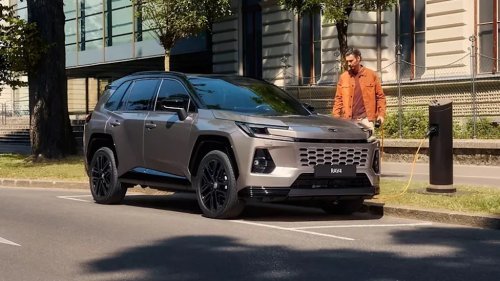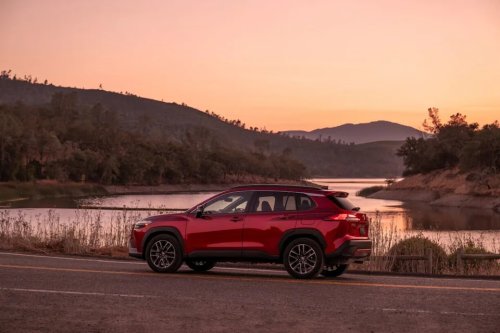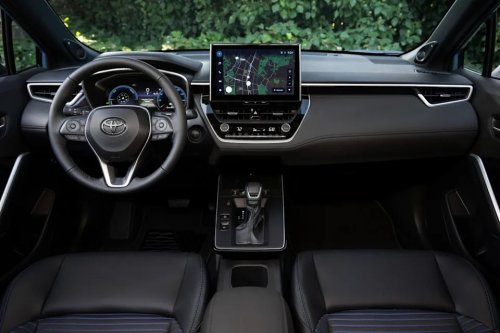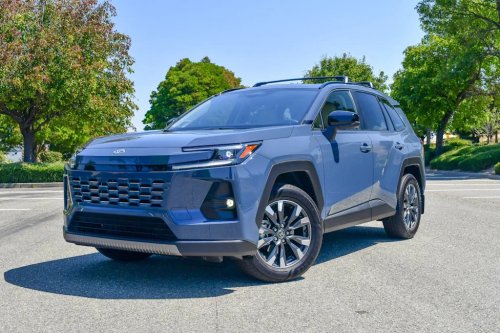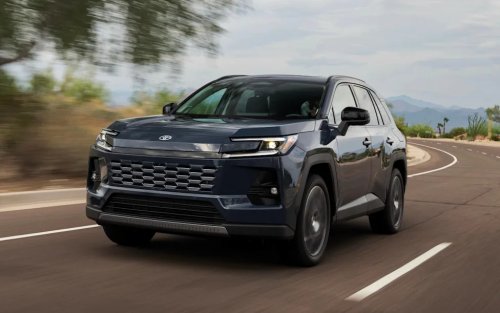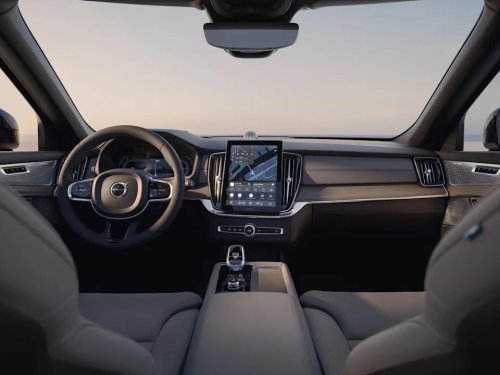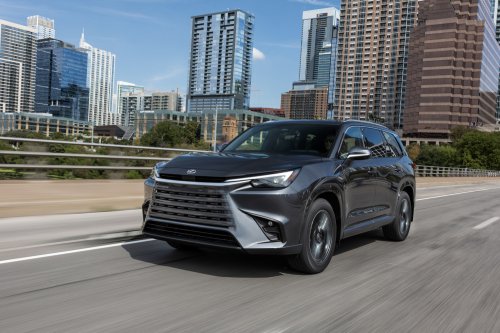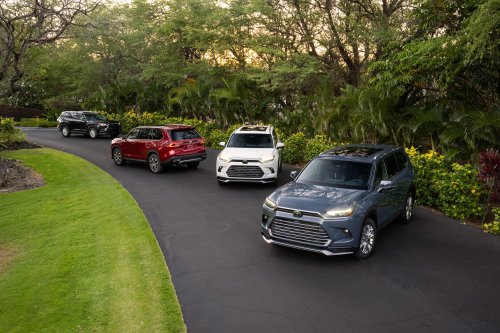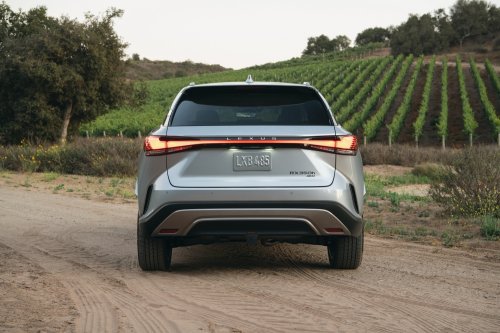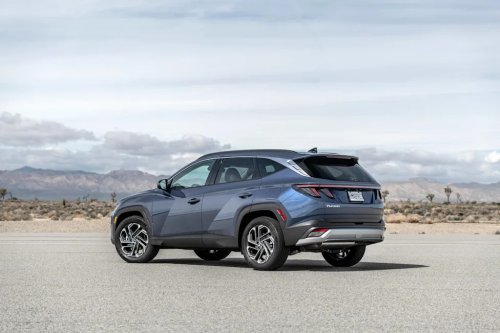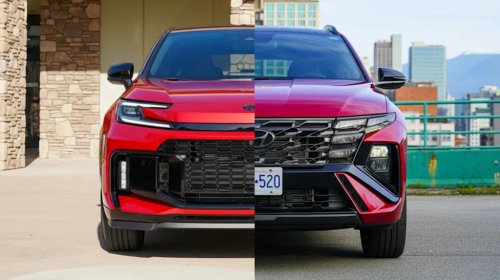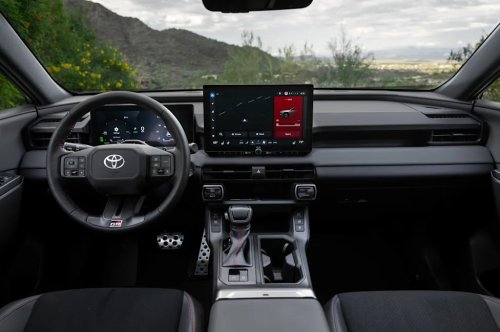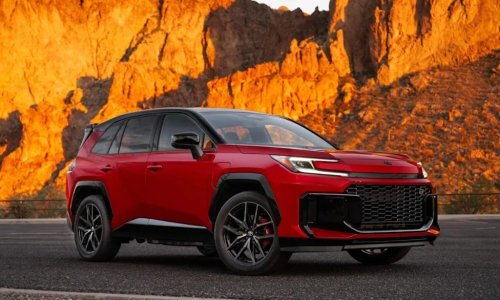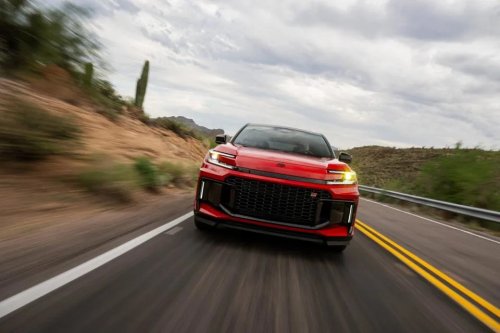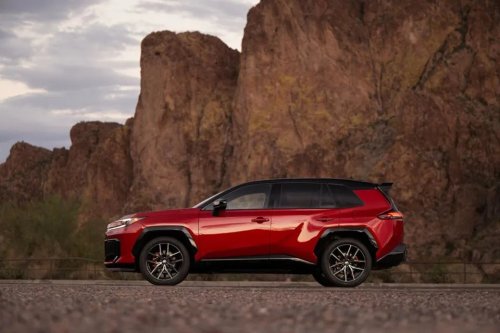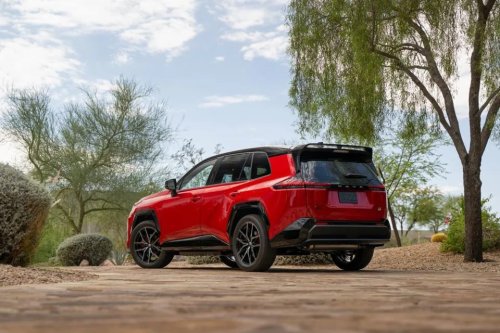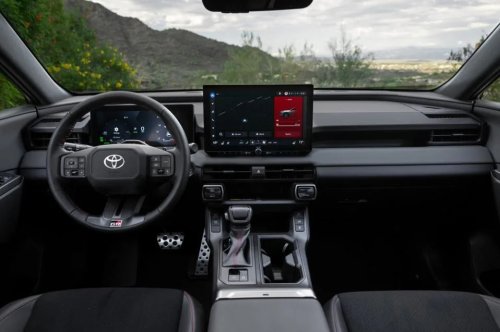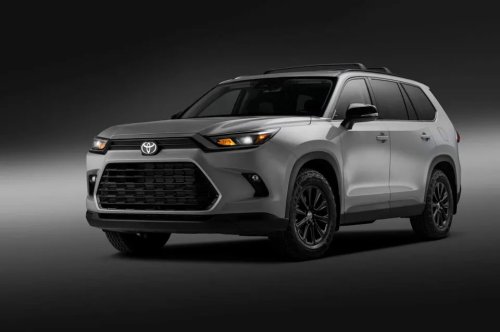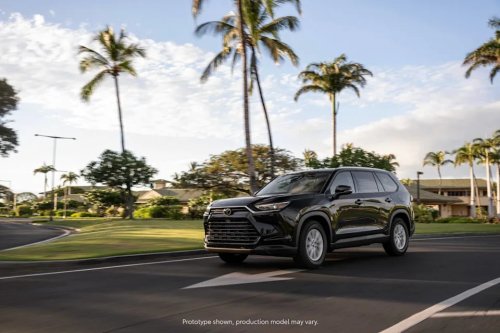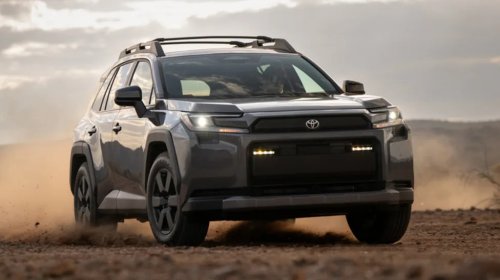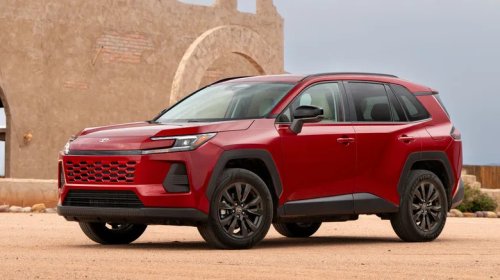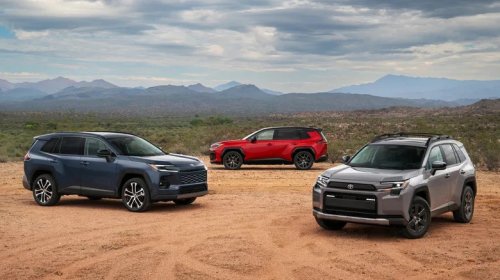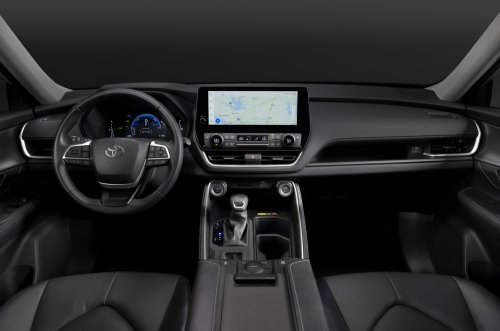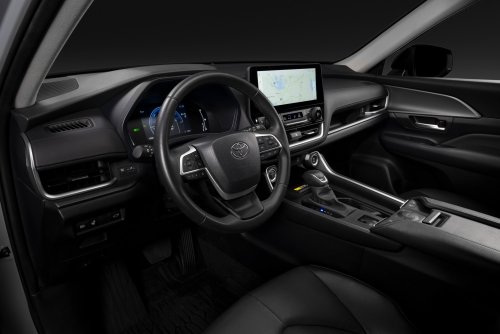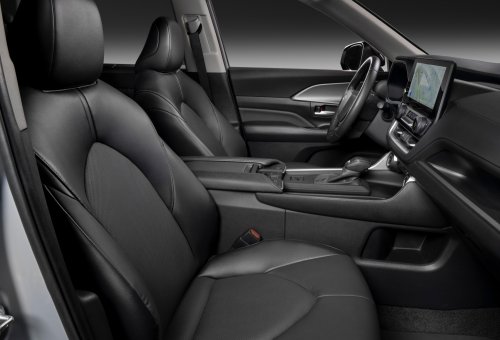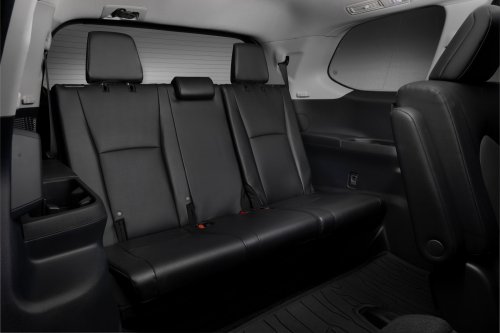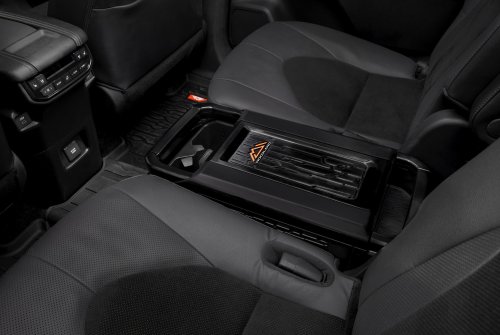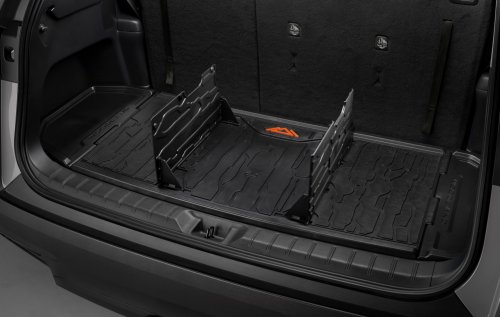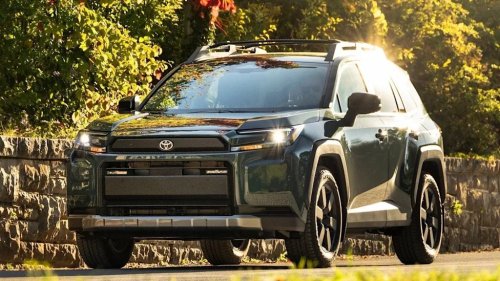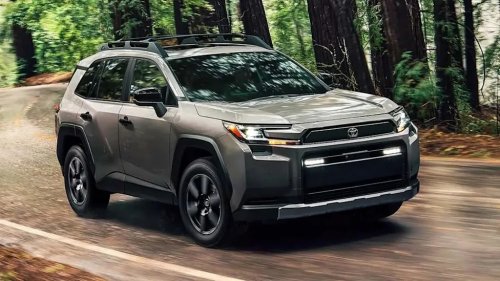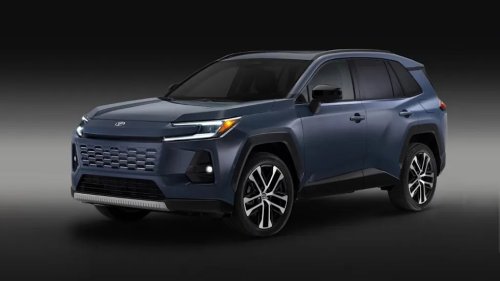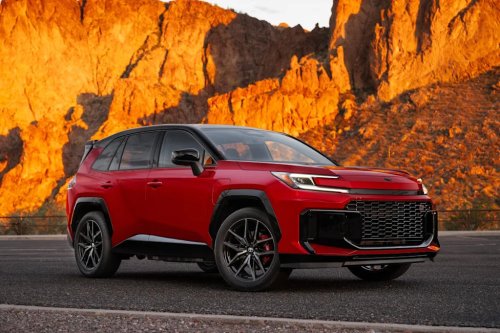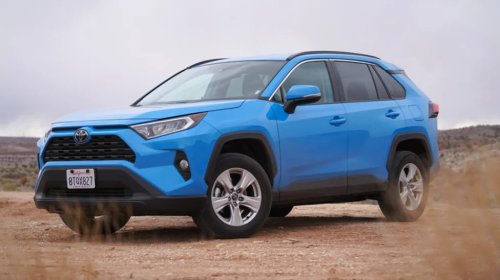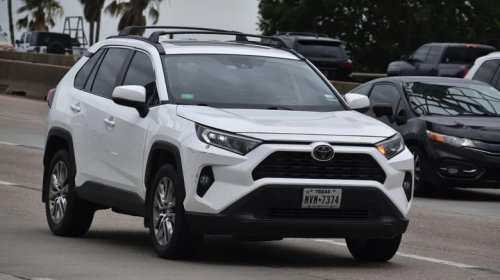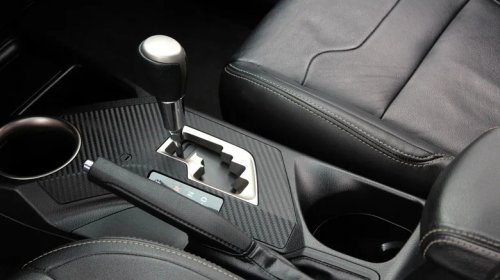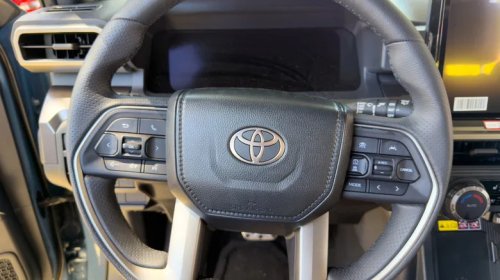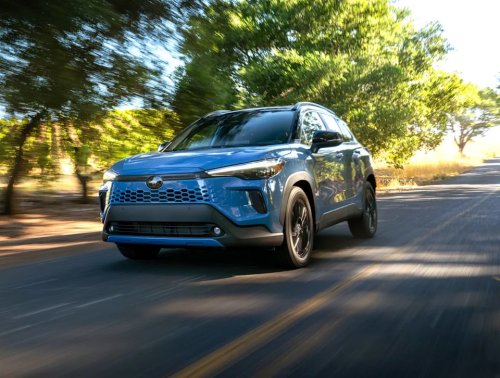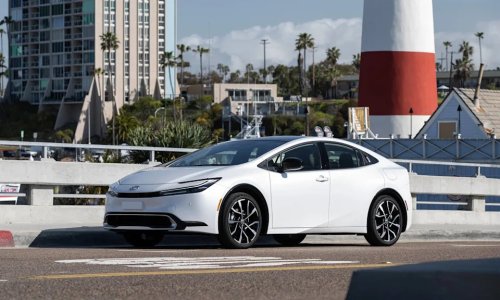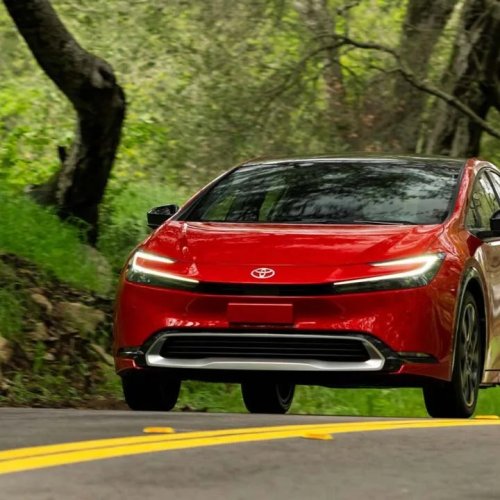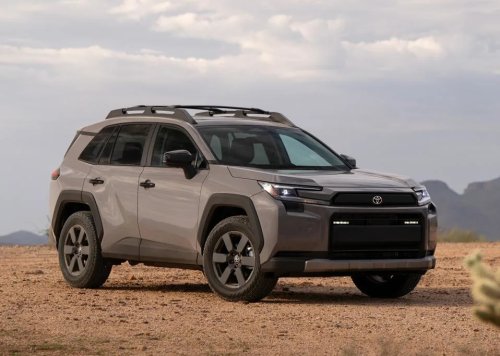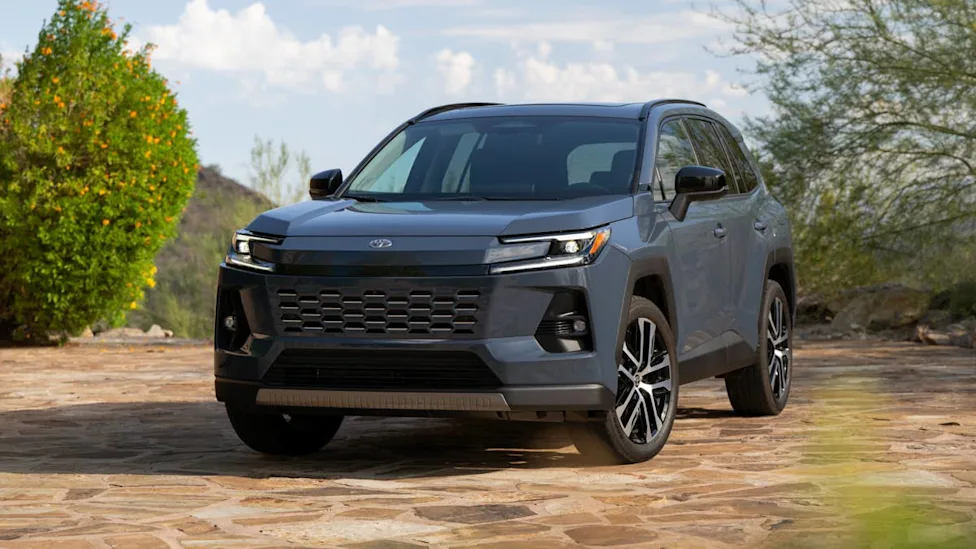
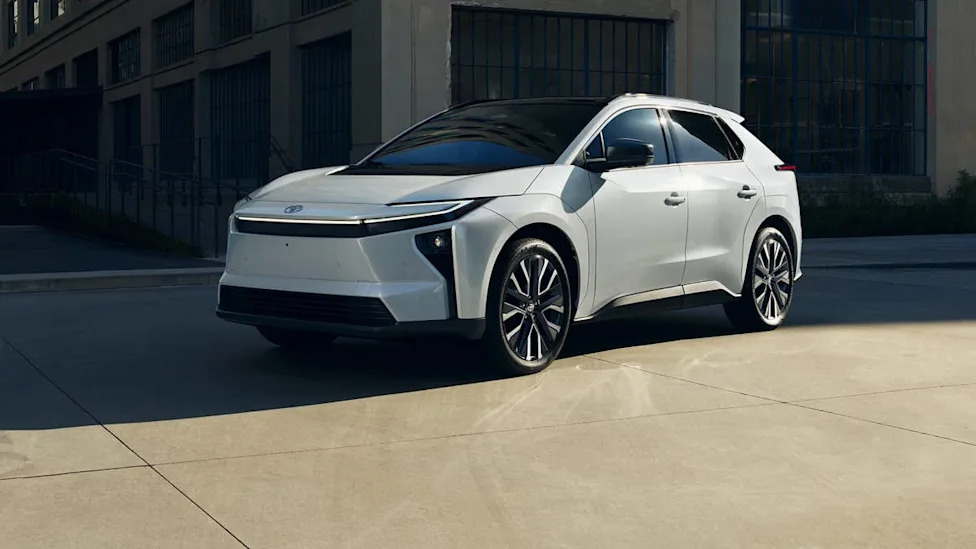
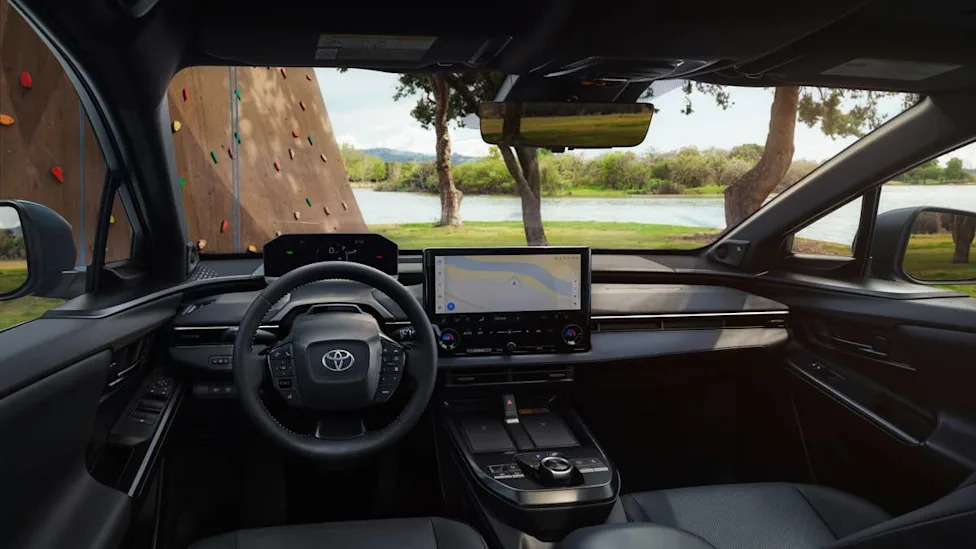



















Autoblog and Yahoo may earn commission from links in this article.Toyota's lineup for 2026 includes two vehicles that could be cannibalizing each other's buyer base. On one side, the RAV4 plug-in hybrid electric vehicle (PHEV), and on the other, the Toyota bZ battery electric vehicle (BEV). We break down the choices and analyze the pros and cons of each of them.Vehicle OverviewsThe 2026 Toyota RAV4 PHEV enters the new model year with approximately 50 miles of electric-only range, standard all-wheel drive, and a starting price of roughly $41,500. Undoubtedly, the RAV4 makes for a compelling package when viewed through the lens of Toyota's reputation for reliability and longevity.ToyotaThe 2026 Toyota bZ, though, which is essentially a heavily updated version of the older bZ4X, offers a massive price advantage. With prices starting at just $34,900 for the front-wheel drive, single motor variant and 57.7 kWh battery, it undercuts the RAV4 pricing right off the bat. However, when specced up to the 74.7 kWh battery, available in both front-wheel drive (FWD) and all-wheel drive (AWD) - when specced with a dual motor setup - the price steps up to $37,900 for the single motor FWD variant, and $43,400 for the dual motor AWD variant. To ensure that this is an apples-to-apples comparison, we use the AWD 74.7 kWh Toyota bZ as the variant of choice.ToyotaWhat Really MattersConsidering both AWD variants, the Toyota bZ Limited AWD offers 338 horsepower and 278 miles of range with its 74.7 kWh battery. The RAV4 PHEV SE offers approximately 50 miles of electric-only range, 324 horsepower from a combination of its 2.5-liter four-cylinder and electric motors, and a combined 41 MPG estimated, with owners reporting higher numbers from their usage.AdvertisementAdvertisementThe differences arise when comparing real-world use cases. The Toyota bZ would thrive in urban and developed environments, while the RAV4 PHEV, conversely, is hardly phased by where it must operate.Specification2026 Toyota RAV4 PHEV (SE Base)2026 Toyota bZ (Limited AWD)Pricing (MSRP)$42,950~$43,400Horsepower320 hp338 hpCargo Volume (Seats Up)33.5 cu ft27.7 cu ftCargo Volume (Seats Down)63.2 cu ft56.9 cu ftRange & Efficiency50-mile EV Range / 41 MPG combined252–270-mile EV Range / ~104 MPGeOn The InsideInside, these crossovers present fundamentally different philosophies. The RAV4 PHEV offers a reassuringly traditional cabin featuring physical buttons, a conventional gauge cluster, and a higher seating position - prioritizing straightforward ergonomics and robust utility. Its layout offers a slightly larger cargo space, although the rear seat is eaten into by the drivetrain tunnel. Conversely, the Toyota bZ embraces hypermodern minimalism. Anchored by a new 14-inch screen and the lack of a traditional center console, its cabin feels noticeably more spacious. Thanks to its electric drivetrain, the bZ also offers a completely flat rear floor, delivering superior passenger comfort while offering less cargo capacity.Toyota bZToyotaView the 2 images of this gallery on the original articleVerdictIf the use case centers around value, longevity, and reliability, the RAV4, with its rock-solid resale reputation, Toyota's established hybrid prowess, and superior practicality, takes the cake as the better choice. Having said that, the bZ definitely has a market that may prefer it. For the more urban-dwelling demographic trying to keep up with the ever-changing EV ecosystem, the bZ may be the alternate choice. Maybe the primary differentiator between these two ends up simply being buyer preference.AdvertisementAdvertisementThis story was originally published by Autoblog on Jun 21, 2026, where it first appeared in the Features section. Add Autoblog as a Preferred Source by clicking here.