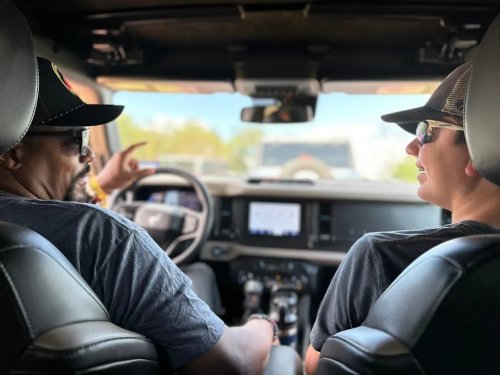
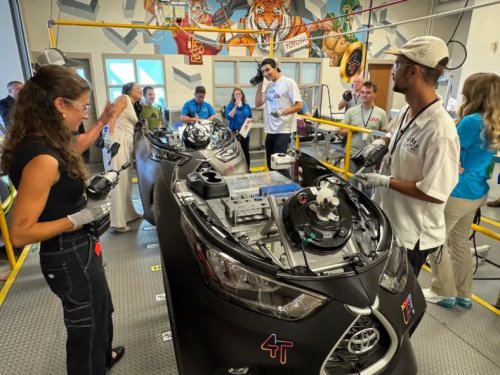
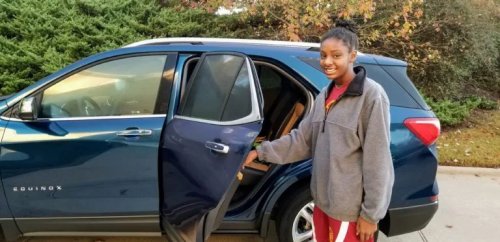
My teen learned a lot from Doug Merritt, a 30-year Army veteran and former tank driverHanding the car keys to teen drivers isn't easy, but with the right education and resources, you and your teen can both feel more prepared and confident.Happy summer; it's time to relax and plan a road trip or two, sprinkled with a few spontaneous adventures. With longer days, extra sunlight, and no early morning runs to school, your teenagers might be driving more often. The season comes with more opportunities to be social with their friends or the need to commute to seasonal part-time gigs.But unfortunately, having more teen drivers and an uptick in auto accidents go hand-in-hand. The period between Memorial Day and Labor Day is known to insurance companies as the "100 Deadliest Days" due to the increase in distracted driving and fatal accidents. Inexperienced drivers can be more distracted, lack confidence in their abilities, or feel more anxious, increasing the likelihood of making mistakes.AdvertisementAdvertisementSummer is also synonymous with traffic jams, thunderstorms, and extreme heat, which can add more variables when driving in unfamiliar areas. Luckily, there's no need to panic and wait by your phone for your teen to text you when they make it to their location. You can bolster their confidence and skills with the Tire Rack Street Survival Program. It teaches teens how to stay safe behind the wheel with hands-on experience.I may not be a teen anymore, but here are the valuable things I learned through the $175 program.This story is 100% human-researched and written based on actual first-person knowledge, extensive experience and expertise on the subject of cars and trucks.The Tire Rack Street Survival Program Teaches Teen Drivers Safety SkillsThere are many things to love, but a few to be wary of – Credit: Kim SmithFirst of all, congratulations to the Tire Rack Street Survival for celebrating its 1,000th safety course after 15 years of program history. If you're on the East Coast and in the Philly region of the Sports Car Club of America, your teen can join the upcoming course on July 18, from 8 AM to 5 PM at Montgomery County Community College for $175 per student. The company has classes in various states on different dates, so be sure to check and see when and where a session is in your state on their website.AdvertisementAdvertisementThe course provides teen drivers with confidence, skills in defensive driving, and knowledge about real-world driving consequences to mitigate risks from behind the wheel. The overall goal is to improve safety by teaching both simple and complex driving skills. Lessons from the classroom are reinforced as each student receives hands-on training in their own cars.A trained in-car instructor sits beside them to provide real-world experience. The program goes beyond what's taught in required driver education programs to allow younger folks to be more observant in traffic and better anticipate the actions of fellow motorists. A few of the most valuable lessons include accident avoidance, skid control, emergency braking, and how to control unintended under- and oversteer.Find A Teen Driving Program In Your AreaPart of the training that high school students get focuses on quick use of tools on the assembly line – Credit: Scotty ReissOur very own Krisitin Shaw recently sent her teen to the Teen Driving Solutions course in Virginia after feeling like the public school courses and driving sessions simply didn't provide enough crucial information and behind-the-wheel experience. It didn't help that she also learned that car crashes are the leading cause of death for teenagers between 15 and 19 years old.With Tire Rack Street Survival, Parents are involved in the course to learn how to coach their teen drivers more effectively. I'm sure we all remember what it's like to drive for the first time while your mom or dad panicked and clutched the car roof handle with enough force to break it in half because you took a turn with some gusto. The situation only gets more intense when you're suddenly the parent with a 15-year-old who's ready to take off. With their coaching, a parent can learn how to avoid projecting their anxiety onto their already-anxious teen.AdvertisementAdvertisementThis public service program covers the five main contributors to teen fatalities while driving:How to properly steer to evade or avoid an obstacle without losing controlHow to safely pull into an emergency lane, highway shoulder, or off of an uneven road while maintaining controlProper following distances to allow more room to brake in an emergencyHow to minimize or eliminate common distractions for driversProper seatbelt adjustment to ensure the most protection in the event of an accidentKristin explains, "Raise your hand if you know how to teach your teen how to escape from a drifting skid. If you didn't know, you're far from alone. Unless you've had driving lessons yourself to learn what to do in these situations, you might feel unsure or even flat-out uncomfortable." Because a professional might be able to teach you and your teen tons of valuable information to help you both set higher safety standards.Back To School Driving Tips If Your Teen Can't Attend a Driving SchoolTweens and teens will love the connectivity of the Equinox. Photo: Maria SmithIf you and your teen don't have access to a driving school, there are other free ways to help you and your teen feel better about taking the wheel. First, it's a good idea to set rules and expectations ahead of time. Go over when the gas tank needs to be refilled, who will be paying for gas and how, rules for when extra passengers are in tow, phone and electronic use, and what the consequences will be for getting traffic tickets or staying out past curfew.AdvertisementAdvertisementIt's essential to minimize distractions for teen drivers, so be on top of them about keeping the radio turned down and make sure hands-free and eyes-free methods of communication are set up. If your car lacks modern safety features such as blind-spot warning or a reverse camera, there are aftermarket solutions to improve peace of mind.Having an Emergency Kit At the Ready Helps, TooEmergency prep items I keep in my car, to prepare for the unexpected – Credit: Kim SUnfortunately, even with all of the defensive driving skills in the world, accidents and emergencies can still happen. The last place you want your teen to be is stuck on the side of the road without any help or without knowing how to take care of themselves. Packing a car emergency kit to keep in the trunk enables teen drivers to be prepared in case something happens. However, having roadside assistance as an add-on with your insurance company is an option, too.A few important items to have on hand include an extra phone charger so they can stay connected, snacks and bottled water to stay hydrated and maintain energy during long waiting times, jumper cables to charge that dead battery, and extra fluids such as oil, coolant, and transmission fluid in case something overheats. Don't forget to have Band-Aids or badges on hand in the event of an injury.Make sure your teen knows where their insurance card, title, and registration are in case they get pulled over. A pen and some paper are essential in case something needs to be written down, too. Also, an old towel or a blanket is great to have in case your teen needs to dry off or stay warm.AdvertisementAdvertisementHaving your kid behind the wheel can be both exciting and a significant source of anxiety at the same time! But being prepared with the right tools and skills can bolster confidence and promote safer habits. Correctly knowing how to handle emergencies can make a massive difference on the road.