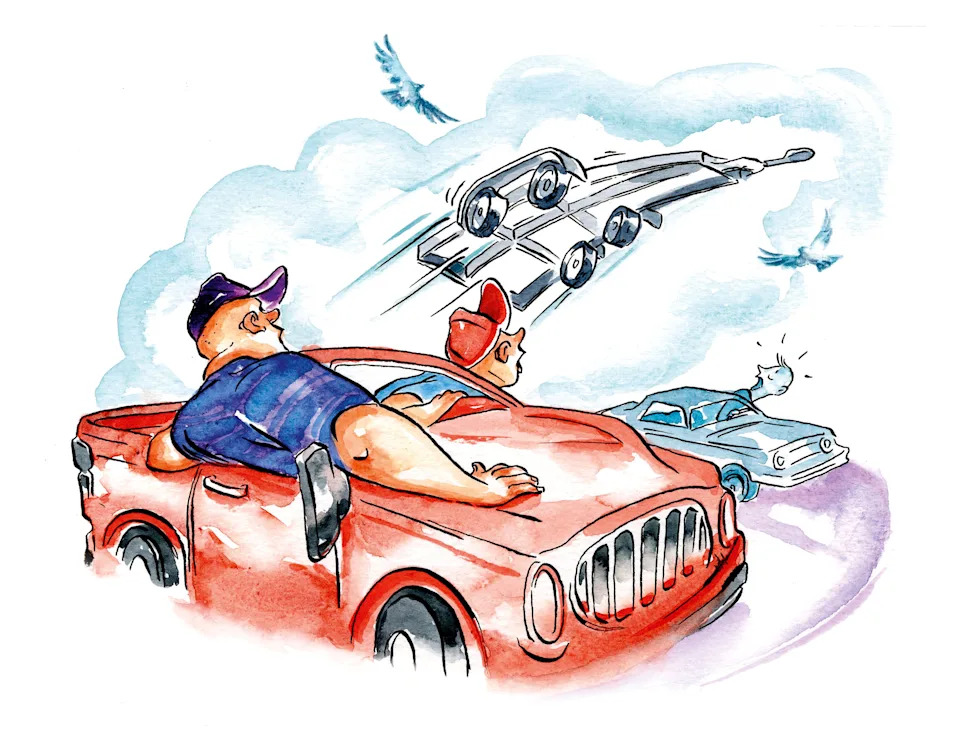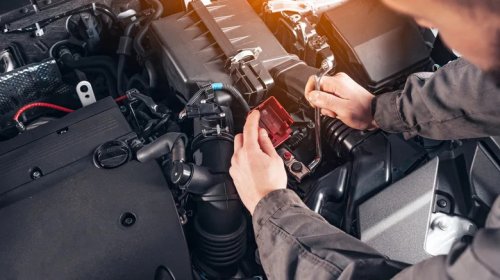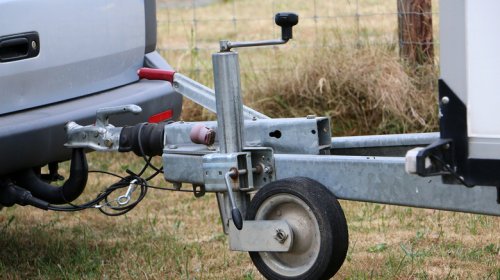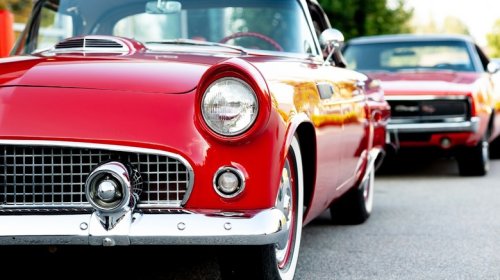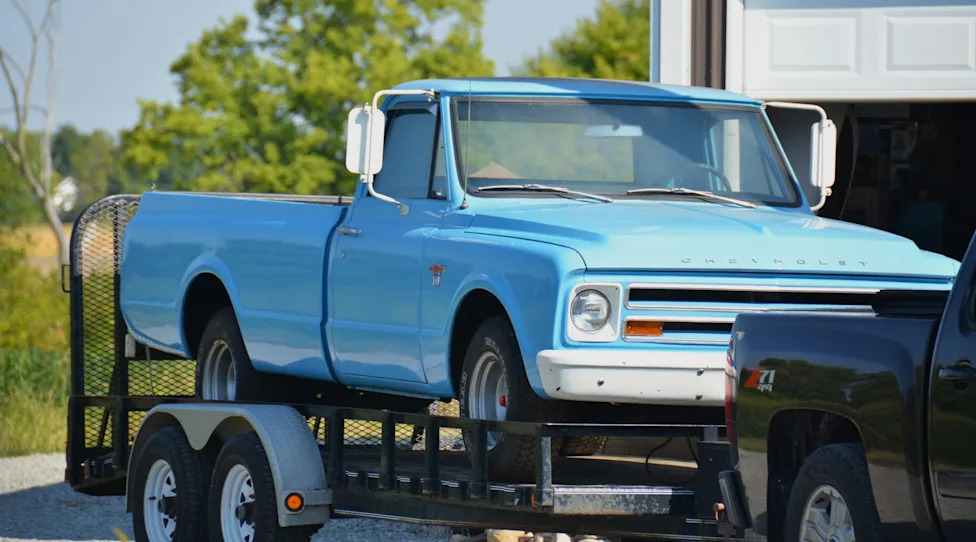



















How to Trailer and Transport a Classic Car SafelyGetting a newly purchased classic car home safely is just as important as the research that went into buying it. A little preparation before the trip prevents the kind of damage that can undo years of careful ownership in a matter of minutes.Choosing Between an Open and Enclosed TrailerOpen trailers are more affordable and widely available, making them a practical choice for shorter trips or less valuable vehicles, while enclosed trailers protect a car from road debris, weather, and prying eyes during longer journeys. For a particularly rare or valuable classic, the extra cost of enclosed transport is generally considered a worthwhile investment.Securing the Car Properly for TransportUsing wheel straps rather than chains hooked to the frame or suspension prevents damage to components never designed to bear the stress of tie-down points, and a four-point tie-down pattern distributes load far more safely than fewer attachment points. Rushing this step is one of the most common causes of transport damage.Preparing the Car Itself Before LoadingDisconnecting or securing a loose battery terminal, ensuring the parking brake is functioning properly, and topping off fluids all help prevent avoidable problems during transport. A thorough set of photos taken immediately before loading also creates useful documentation in case any dispute arises about the car's condition upon arrival.Vetting a Professional Transport CompanyReputable transporters carry adequate cargo insurance specifically covering the value of classic and collector vehicles, which differs from standard auto transport coverage. Checking reviews, insurance certificates, and requesting references from other collectors helps separate reliable operators from less careful ones.What to Do Upon DeliveryInspecting the car thoroughly against your pre-transport photos before signing any delivery paperwork protects you if damage did occur during the trip. Noting any discrepancies immediately, rather than after the transporter has left, makes any necessary insurance claim far simpler to resolve.Final ThoughtsWhether you're hauling a car yourself or hiring a professional transporter, careful preparation and documentation protect your investment throughout the journey. A little extra caution during transport is a small price to pay for getting your classic home in the same condition it left in.Related ReadingHow to Properly Store a Collector Car Long-TermAdvertisementAdvertisementSuspension Setup 101: Getting a Classic Car to Handle Like You WantCar Show Etiquette: How to Prepare Your Car for Judging⚡️ Read the full article on MotoriousSign up for the Motorious Newsletter. For the latest news, follow us on Facebook, Twitter, and Instagram.