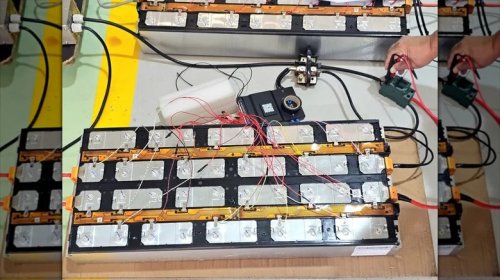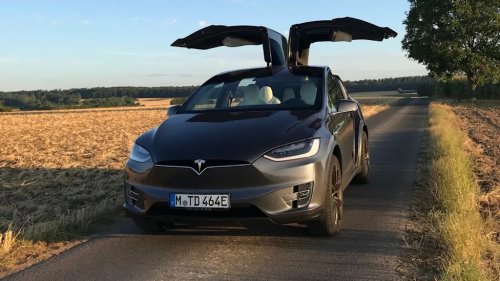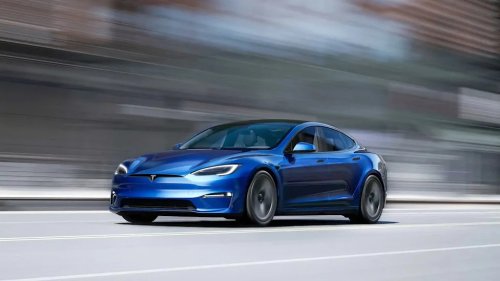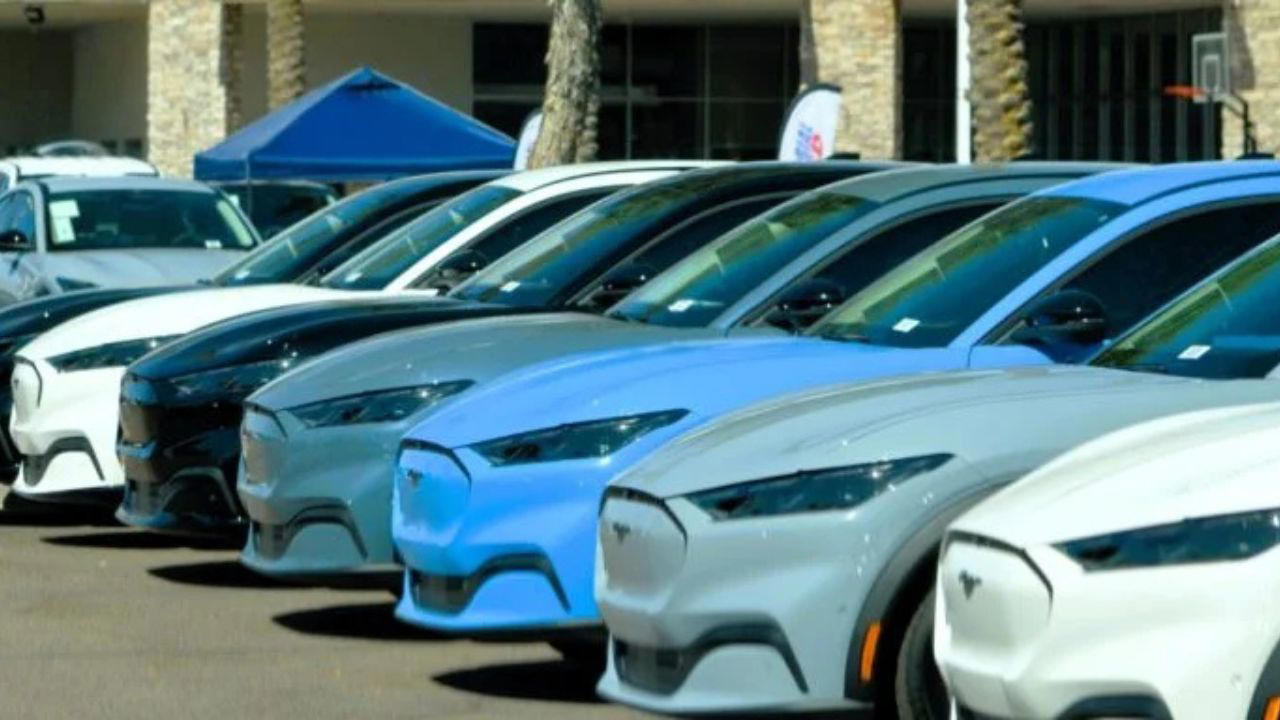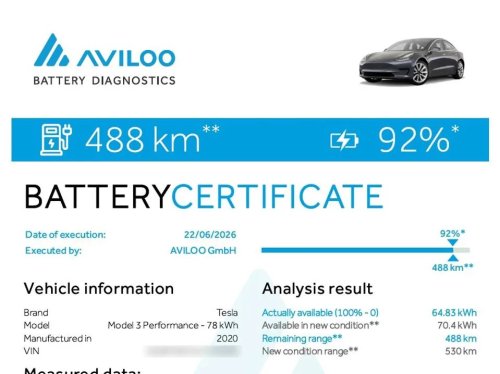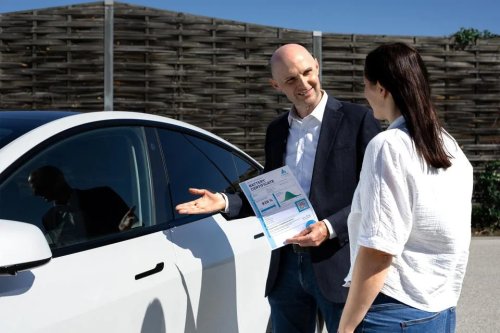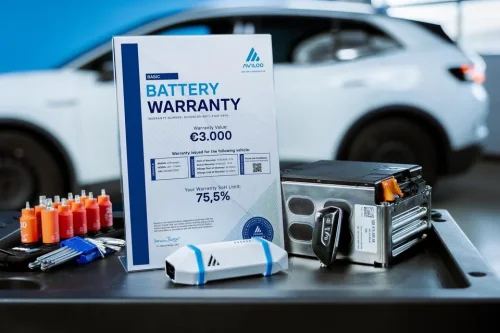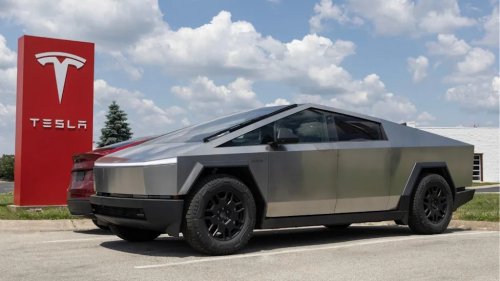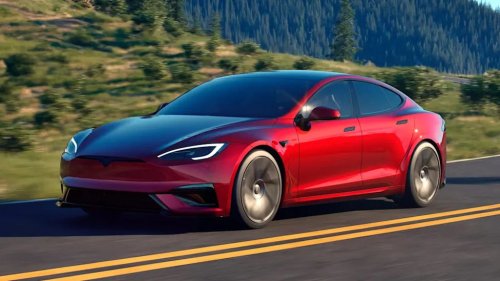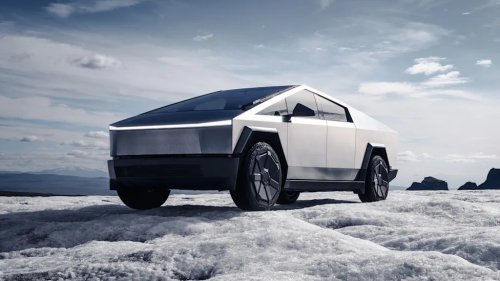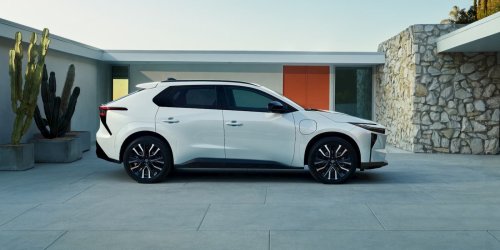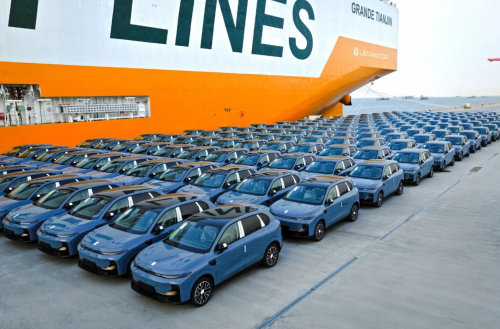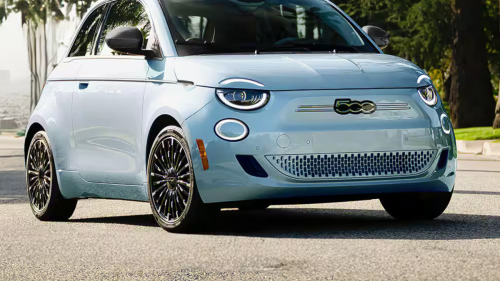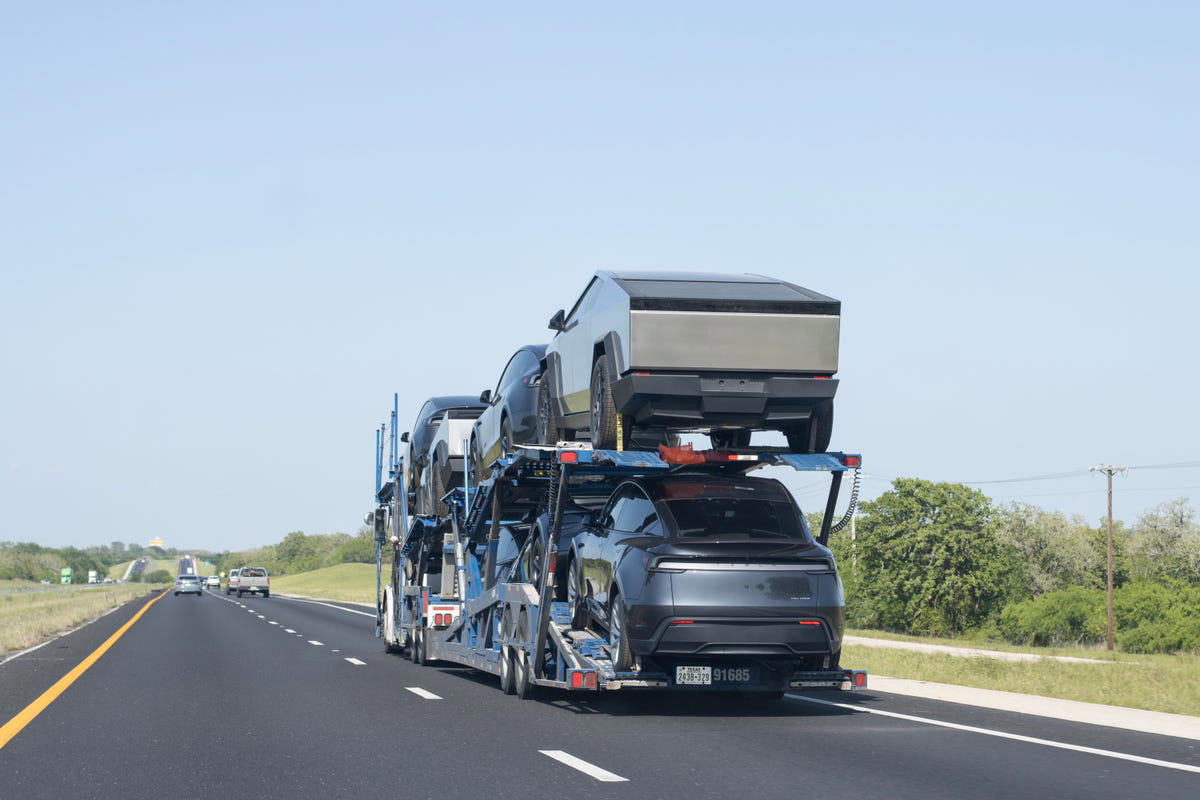






















A wave of off-lease electric vehicles is set to create billions of dollars in losses for automakers, as resale values fall far short of earlier expectations, reports Automotive News.Leasing played a major role in boosting EV adoption in the United States over the past few years. Incentives, especially federal tax credits that applied more broadly to leased vehicles than purchases, helped to lower monthly outlays and drove car shoppers toward short-term leases. Now, those two- and three-year leases are beginning to expire, sending a wave of used EVs back into the market.The problem is that those vehicles are worth much less than predicted.A three-year-old EV retained about 40 percent of its original value at auction by the end of 2025. Compare that to early 2022 when comparable vehicles held roughly 90 percent of their value, says Cox Automotive. Analysts say that difference could translate into losses of around $10,000 per vehicle on average, adding up to as much as $8 billion across the industry by 2028. All automakers won’t feel the same level of pain. Tesla sees the most EV leasing volume and is expected to experience the biggest fallout, followed by General Motors, Hyundai-Kia, Volkswagen Group, Ford, and Honda. Industry analysts say any automaker with a significant EV lease portfolio will have some level of loss.Car Hauler - TeslaAutomakers have been adjusting their strategies, however. Finance companies are working with dealerships and auction platforms to move vehicles as quickly as possible to lessen losses. Some are even toying with direct-to-consumer sales or new certified pre-owned leasing programs to prod more demand.And the used EV market itself is changing. Some outfits have invested in things like battery testing systems that provide buyers with health scores, which is a major factor in resale confidence. In some markets, like California, EVs now make up a significant chunk of auction inventory.Autoweek SOC EV Newsletter sign upDealers say there is still demand—at the right price. Lower upfront costs compared with new EVs, combined with improving battery transparency, are helping attract buyers. However, success may depend on cooperation between automakers and retailers, including pricing incentives to help move inventory.The situation reflects broader challenges in the EV market. While new electric vehicles continue to gain ground, rapid technological changes, pricing pressure and fluctuating incentives have made residual values difficult to predict.As more vehicles come off lease in the coming years, the industry will be forced to adapt quickly. The peak is expected around 2028, when nearly 800,000 off-lease EVs could hit the market—testing whether demand can keep pace with supply, and how much of a financial hit automakers are willing to absorb.