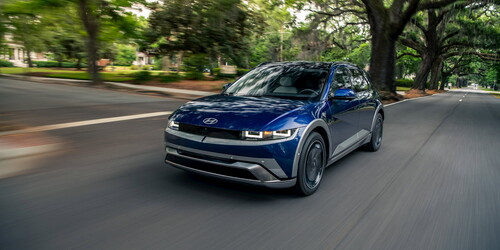
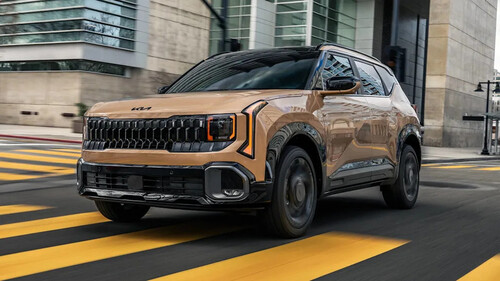
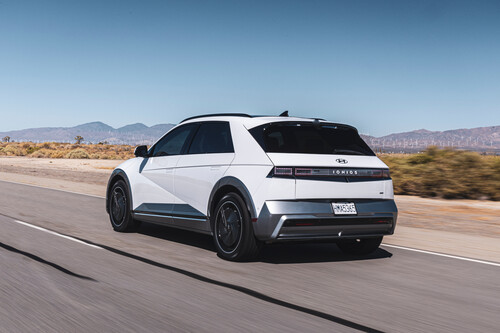
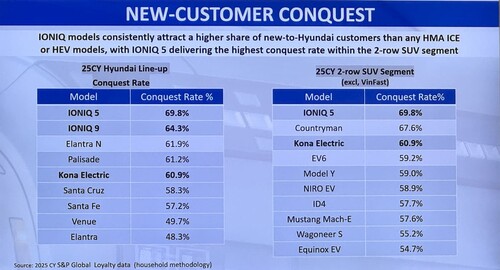
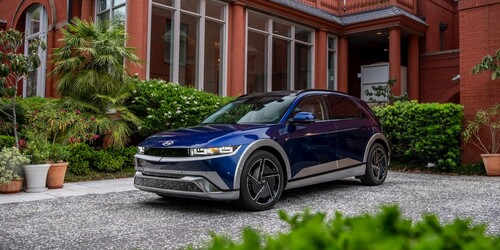
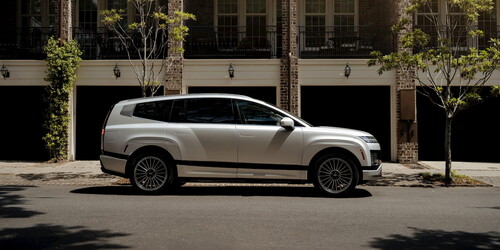
More than 300,000 off-lease EVs could hit the used market in 2026In 2026, the electric vehicle market is poised for one of its biggest shifts yet. More than 300,000 off-lease EVs are projected to return to dealers, creating a surge of relatively new, low-mileage electric cars that will look nothing like the thin used inventory you have seen in recent years. Whether you plan to buy, sell, or hang on to your current car, that wave will shape prices, choices, and strategies in ways you cannot ignore. What the 300,000 figure really means Dealer data points to more than 300,000 electric vehicles coming back from leases in 2026, a volume that would have been unthinkable just a few years ago when EVs were still a niche on showroom floors. One detailed analysis of returning contracts describes 300,000 returning EV as a distinct cohort that dealers must plan around rather than a background trend. Another breakdown of the lease maturity calendar, 300,000 EVs Coming, stresses that these units are concentrated in just a few model years. Those same sources explain that earlier lease campaigns pushed EV leasing to levels that rivaled or exceeded the lease rate for all powertrains. A focused inventory guide on What 300,000 Returning ties that spike directly to aggressive promotions that pulled buyers into three year terms. You are now seeing the back end of that strategy, with lease maturities bunching into a single year instead of spreading out quietly. Market watchers who track dealer lots have gone further and described the jump as a more than 200% increase in off-lease EV supply compared with the current year. Combined with the already rising share of electric models in new car sales, that points to a used market that is about to look very different, very quickly. How this wave will change pricing When that many similar vehicles hit the used market in a short period, basic supply and demand starts to reprice everything. Analysts following the surge of Used EV supply expect downward pressure on prices for three- and four-year-old battery models, especially compact crossovers and entry luxury cars that were heavily leased. That trend is already visible in some markets, where nearly every mainstream EV, from the Chevrolet Bolt EUV to the Hyundai Ioniq 5, is listed used for far less than its original sticker. One dealer-focused newsletter has been warning for months that off lease EV and that a growing share of used electric cars is already listed for under 25,000 dollars. Pricing at that level pulls EVs into the same budget conversation as popular gasoline compact SUVs, which is exactly where many shoppers live. If you have been waiting for electric options to reach mass-market affordability, this is the dynamic that could finally get you there. Several consumer-focused guides are already telling you that 2026 will be, even without a federal tax credit on second hand cars. They point to three- and five-year-old models with excellent range and features that are now trading at a steep discount to their original MSRP. Another buyer guide frames it more bluntly and argues that lease returns will and finally bring EVs within reach for budget conscious buyers. What you can expect as a shopper The incoming inventory is not a random mix of aging cars. Data shared with one electric-focused outlet shows hundreds of thousands headed for the United States market, often with relatively low mileage and still modern battery tech. Another report that builds on the same dealership data, accessible through Support CleanTechnica’s work, emphasizes that many of these vehicles are still under original battery warranty when they come off lease. Social media commentary has already started to frame 2026 as a kind of used EV flood, with one viral post warning that used car market arriving at once. Video explainers echo that point and argue that 2026 will be, backed by registration and financing data. For you as a shopper, that means more cross-shopping within the EV segment itself. Instead of choosing between one or two used electric models at your local store, you are likely to compare multiple trims of Tesla Model 3, Ford Mustang Mach E, Hyundai Kona Electric, and similar cars that all hit the market at the same time. Guides aimed at mainstream buyers describe this as a used EV surge that finally gives you leverage to negotiate on color, options, and mileage instead of settling for whatever is available. How dealers are preparing and why that matters to you Dealers are not walking into this shift blind. Retail analysts describe store managers poring over lease data to understand exactly when each batch of EVs will return, then adjusting trade in offers and marketing plans accordingly. Some of that thinking is captured in dealer focused briefings that urge operators to track local off lease volumes and prepare for new pricing norms. Other dealer guides go deeper into the operational side, with CDK Global Heavy and related platforms highlighting the need for technician training, charging infrastructure, and appraisal tools that understand battery health. You also see recruiting and training pushes on sites like careers at CDK, where service and software roles are framed around helping stores manage growing EV volumes. From your perspective, that preparation can play to your advantage. Stores that have invested in EV certified technicians, upgraded chargers, and accurate valuation tools are more likely to price aggressively and stand behind the cars they sell. They may also be more open to creative deals, such as including home charger installation credits or discounted maintenance plans, as they compete to move a larger pool of similar vehicles. What this means if you already own an EV If you already drive an electric car, the 2026 wave cuts both ways. Commentators who track resale values warn that a flash flooding of will put pressure on the price you can get for your current vehicle. If you plan to sell or trade in, you may want to move earlier, before the full wave hits and resets the market. Leasing customers could see the opposite effect: an unexpectedly attractive buyout. Some analysts argue that automakers misjudged future values during the pandemic and that Real Miscalculation Was. That gap between predicted and actual resale value could let you purchase your car at a figure well below what comparable models will list for at retail. If you like your current EV, keeping it at the end of the term may be one of the smartest financial moves you can make. You should also think about how a flood of newer models affects your long term ownership. As more 2023 and 2024 EVs with longer range and faster charging hit the used market, older models with shorter range may feel dated more quickly. That does not make them bad cars, but it does mean you need to be realistic about future resale and whether the features you have now will still meet your needs three or five years from today. How to position yourself now With the 2026 lease maturity wave approaching, you have a rare chance to plan around a market shift that is already visible in the data. If you are shopping, start by tracking local inventory and price trends so you can recognize a genuine deal when cars start arriving in larger numbers. Tools that aggregate listings, along with alerts from sites like autoblog EV coverage, can help you see when your preferred models move into your budget range. More from Fast Lane Only Unboxing the WWII Jeep in a Crate 15 rare Chevys collectors are quietly buying 10 underrated V8s still worth hunting down Police notice this before you even roll window down