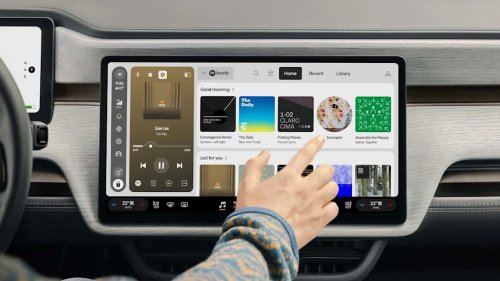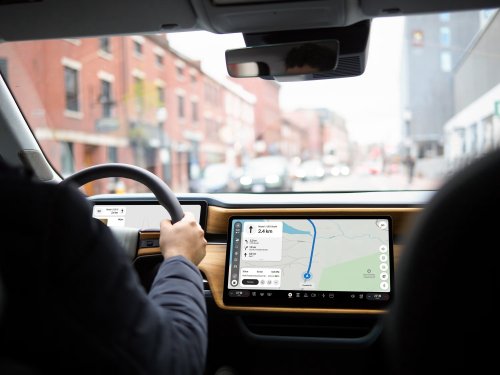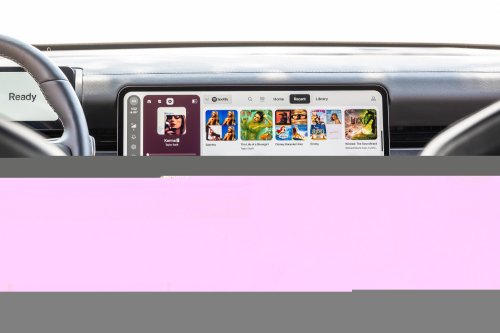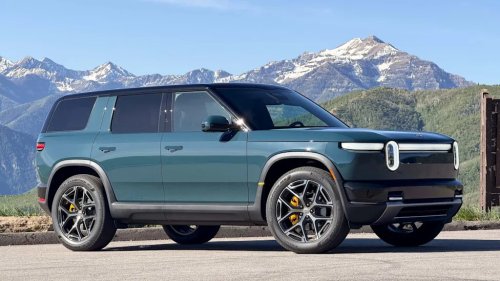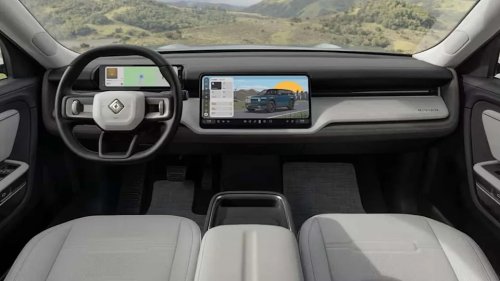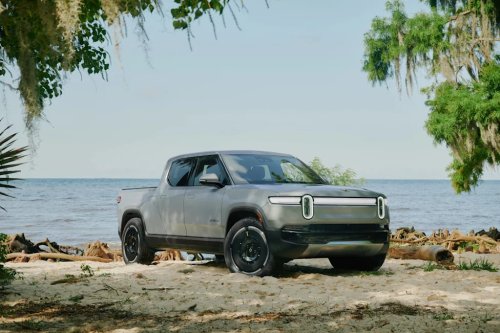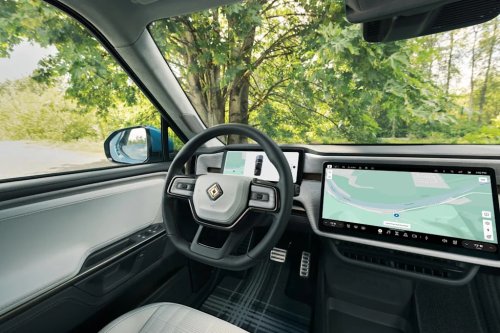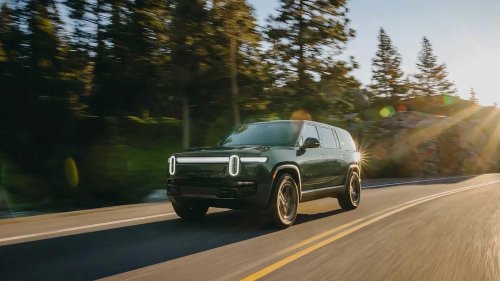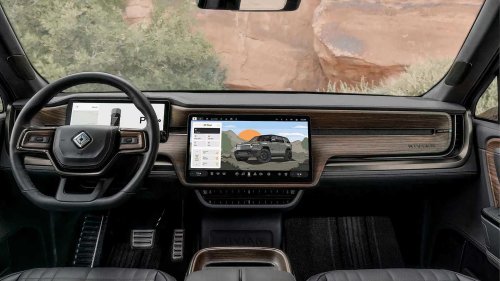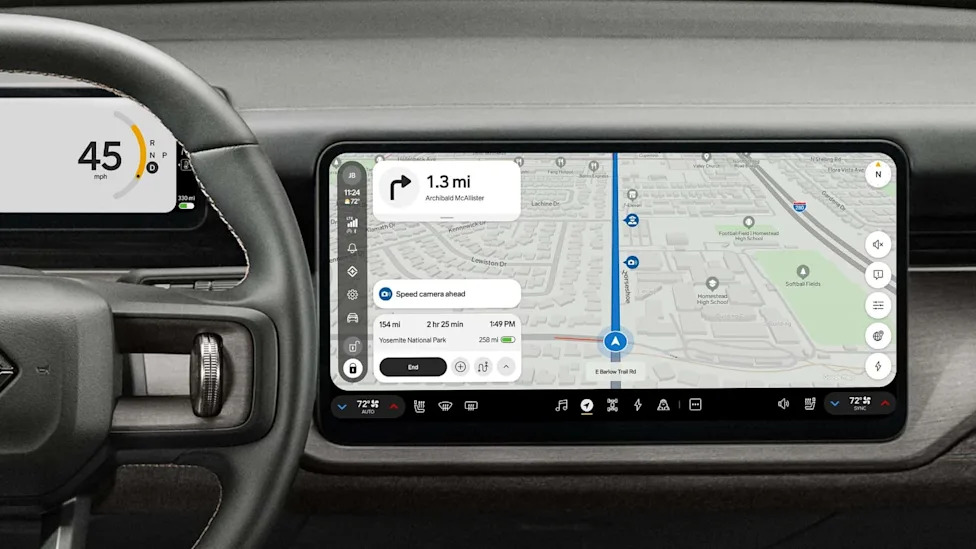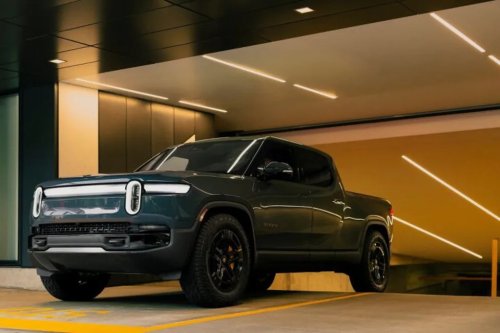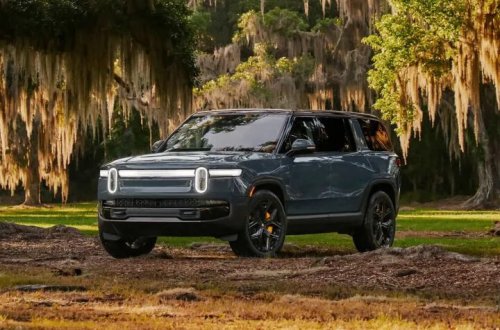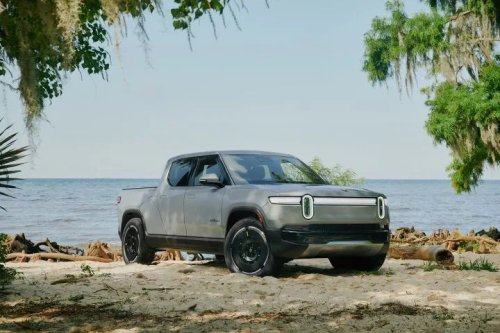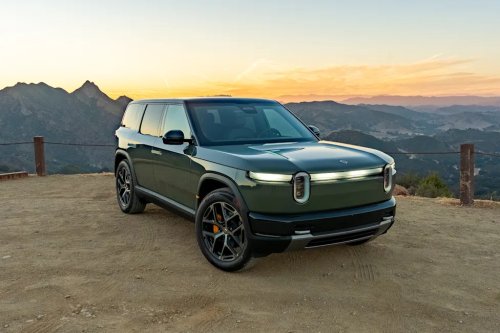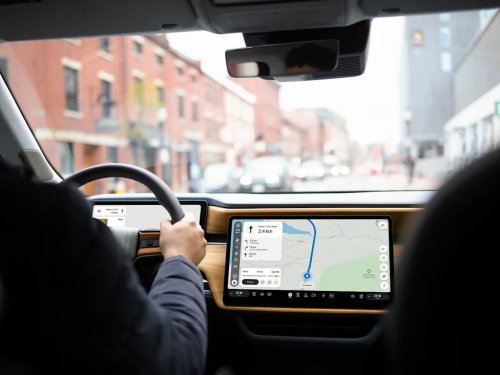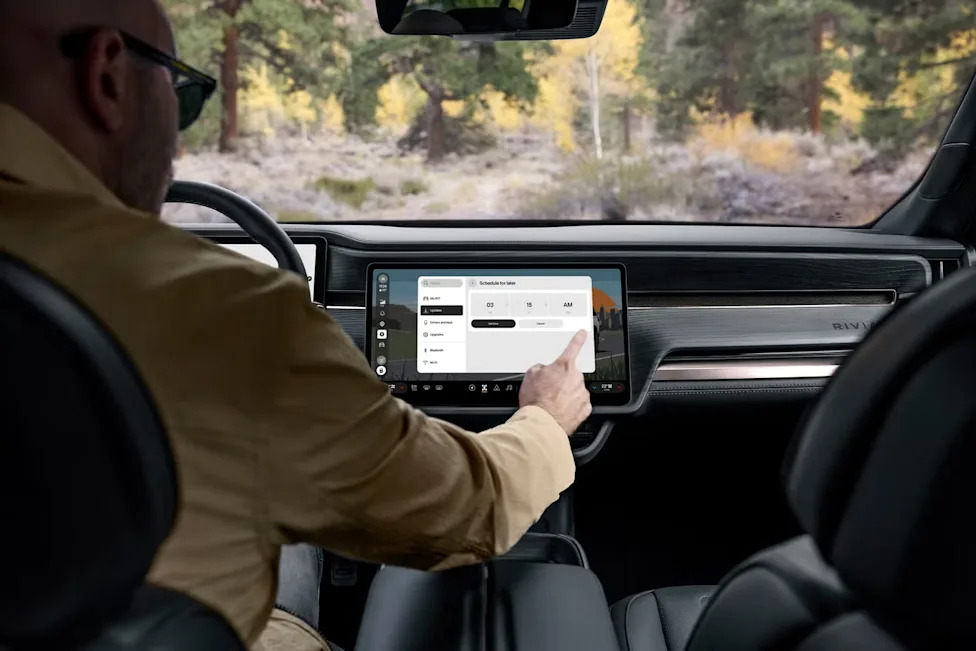
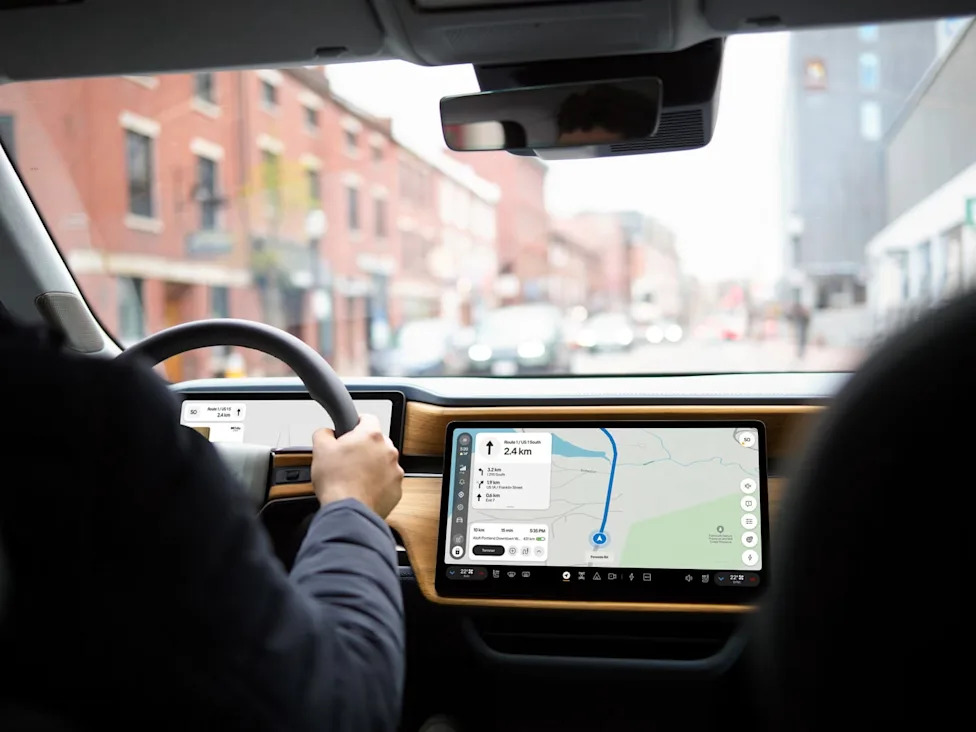
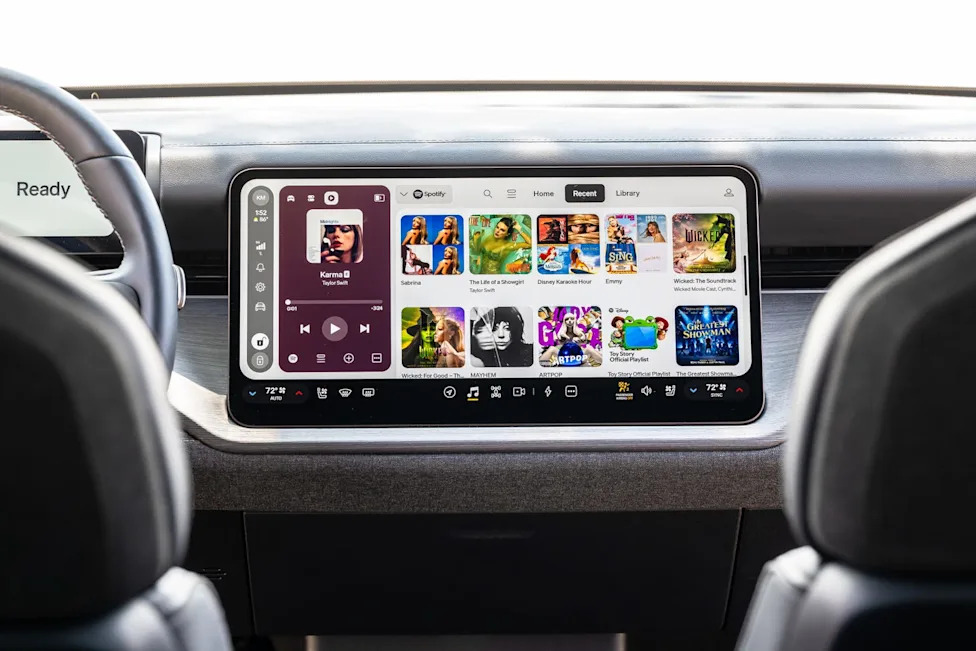



















Every Rivian Screen Now Has the Same Look and FeelRivianRivian is bringing its new RivianOS 2 interface from the R2 to existing R1S and R1T through an over-the-air update.New features include dynamic controls, redesigned search settings, Google Maps route alerts, improved AI voice assistance, and an available weather app and live trip management.The software's design will be consistent across Rivian models, but older R1 hardware will have less advanced graphics, AI, and steering-wheel controls than newer R1 and R2 vehicles.Like smartphone software rolling out to existing handsets, Rivian is making its new look and feel—dubbed RivianOS 2—available to owners of the R1S SUV and R1T pickup. The new OS was introduced for the smaller R2 and will now come to the older models via an over-the-air update, specifically version 2026.31.So you don't have to trade in your R1 to get the newer interface found on the R2's instruments or infotainment system. That includes dynamic controls that appear based on what you're doing, and more choices for where some control panes are located on the center screen. Even the way you select settings—Rivian calls it Settings 2—has been reconfigured, with context-based controls and a search function for when you forget where a particular setting lives.RivianOther new features for the R1 models include real-time route alerts fed by Google Maps, so you'll get both official and crowd-sourced warnings for things like speed cameras and police presence. Owners who pay for Connect+ services also benefit from a dedicated weather app with real-time conditions as well as the ability to start, view, and update a trip live from the Rivian app.AdvertisementAdvertisementThis alignment also means that future improvements to the OS will apply across the R1 and R2 lineups. There are some catches, however, so early adopter types may still want an R2, as it has the most capable systems of the bunch. There are now three generations of Rivian vehicles—first- and second-gen R1s plus the R2—and each has different hardware.For instance, the R2 and second-gen R1 use Unreal Engine 5 for their visuals, which allows for 3-D renderings of the vehicle, while the original R1s stick with Unreal Engine 4 and its less awesome graphics capabilities to keep the system responsive on the older display hardware. The design language and layout are the same across all products, though.And it wouldn't be a software update in the year 2026 without at least one mention of artificial intelligence. The OG R1S and R1T get improved cloud-based AI voice assistance, while the later models can use a combination of connected and offline AI thanks to more powerful onboard computers. Rivian has separately said the R2's super-fast integrated infotainment chip can run the assistant entirely offline.James Lipman - Car and DriverHow you interact with the system also differs between the R1 and R2. While Rivian's first products use separate thumbwheels and buttons to control things from the steering wheel, the R2 introduced Haptic Halo Wheels, which of course include haptic feedback and combine everything into a pair of multifunction scroll wheels that can also be pulled, pushed, or tilted to accomplish different tasks. That gives R2 drivers more ways to interact with the vehicle via thumbs, but also more to learn.AdvertisementAdvertisementThose differences aside, this should be a welcome update for R1 owners, especially those hopping in and out of a new R2 or just jealous of what's on the newer model's screens.➡️ Skip the lot. Let Car and Driver help you find your next car.Shop New Cars Shop Used CarsYou Might Also LikeGift Guide: Best Ride-On Electric Cars for KidsFuture Cars Worth Waiting For: 2025–2029