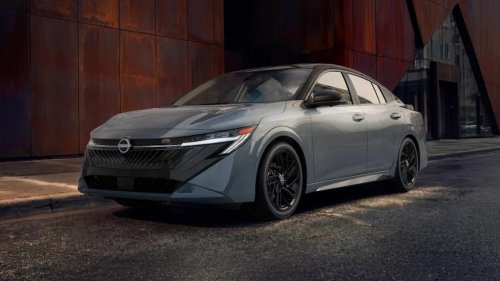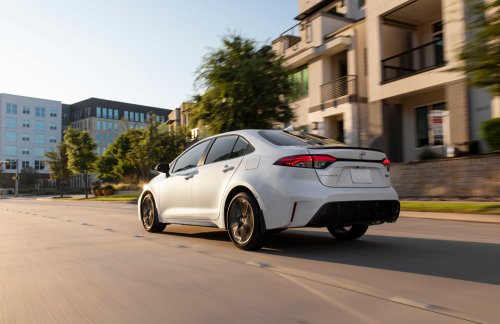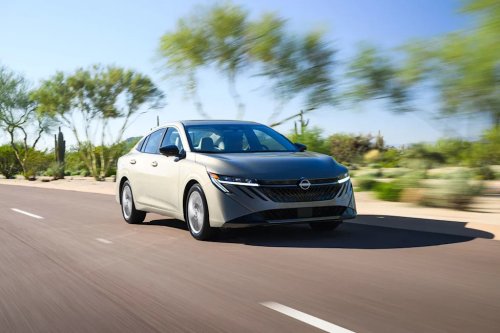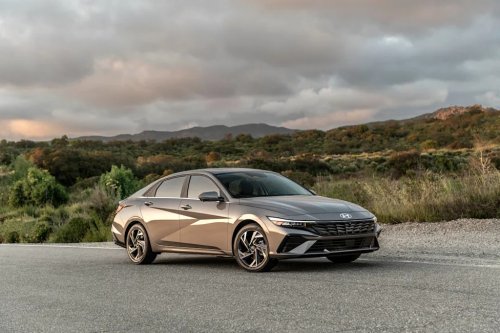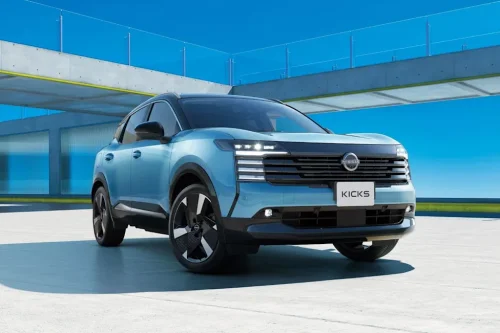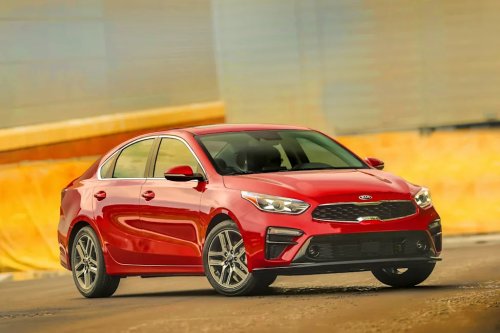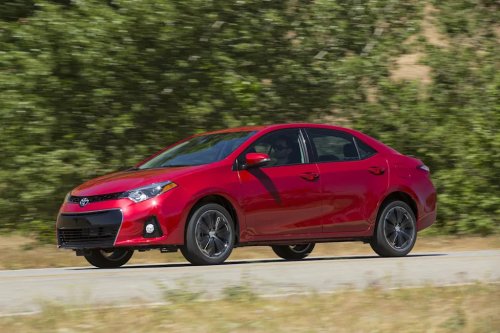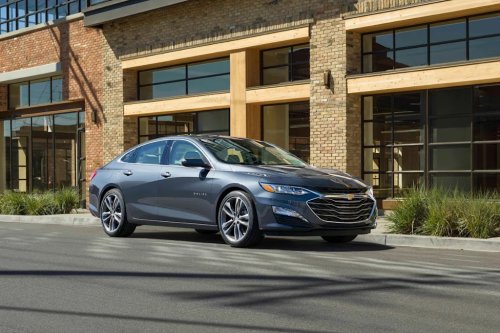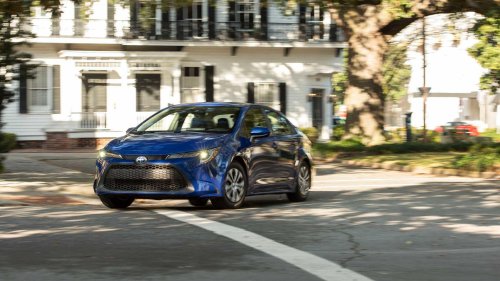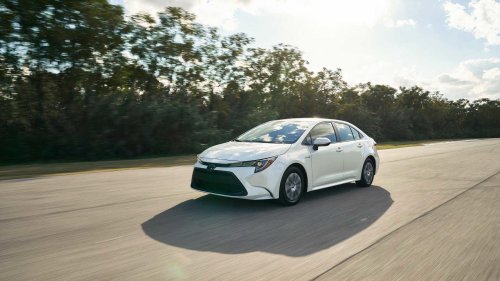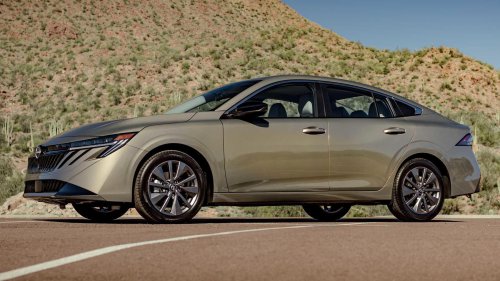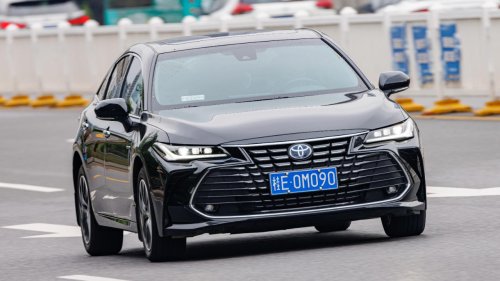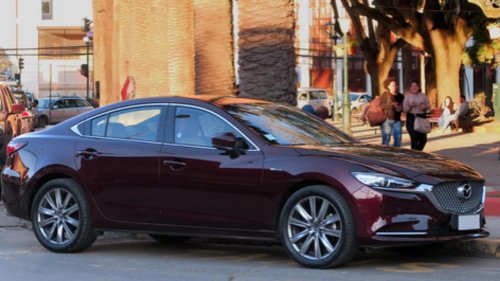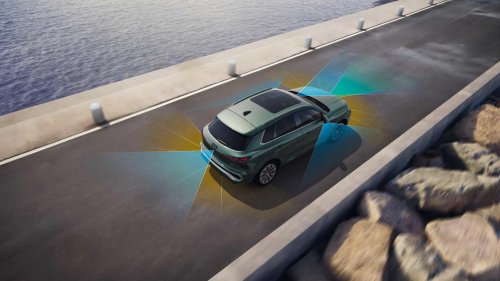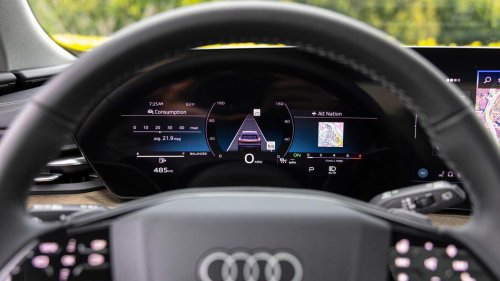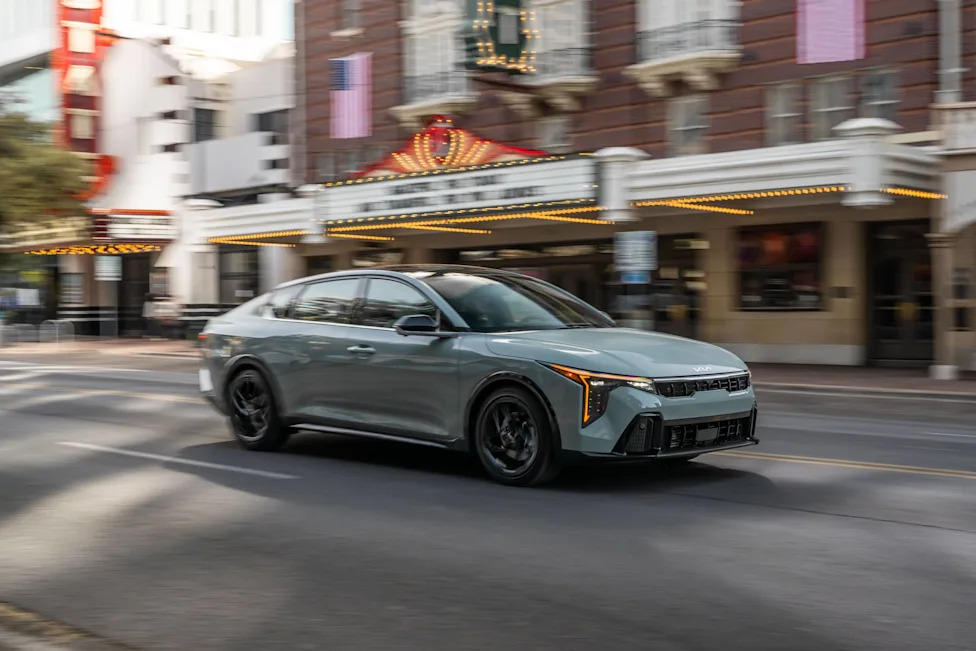
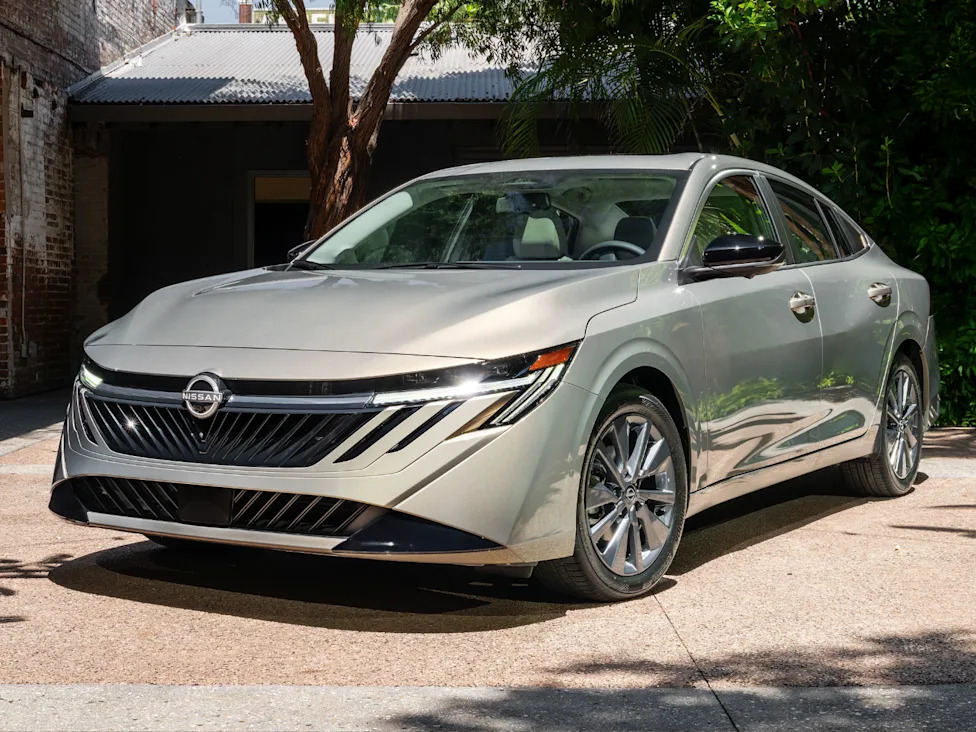
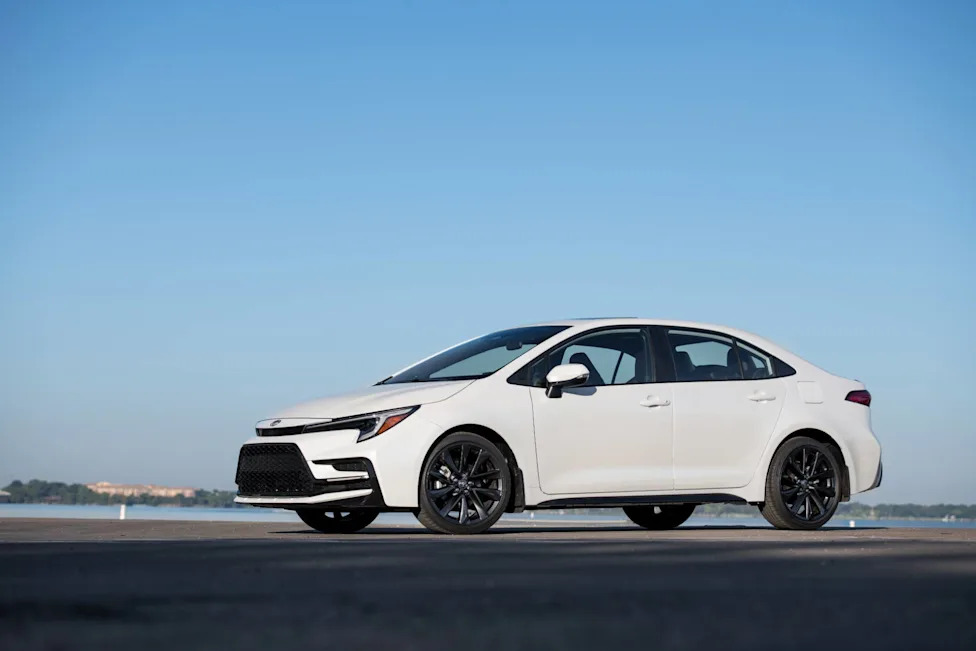



















Autoblog and Yahoo may earn commission from links in this article.Adaptive cruise control that works down to a standstill in traffic. Automatic braking that recognizes a pedestrian. Steering that holds the car in the middle of its lane without being asked. Ten years ago that list read like the options sheet of a German sedan, and it cost extra even there.Today it describes the standard equipment on three of the cheapest compact sedans sold in America. The Kia K4 LX opens at $22,290. The Nissan Sentra S at $22,600. The Toyota Corolla LE at $23,125.AdvertisementAdvertisementOn July 14 Toyotapriced the 2027 Corolla Hatchback at $24,780 and said information on the 2027 sedan would follow later. Until it does, $23,125 is what the cheapest new Toyota costs.All prices here are MSRP before delivery fees. With those added, the K4 is $23,535, the Sentra $23,845 and the Corolla $24,420, still under $25,000 across the board. The driver assistance hardware that used to justify a badge is now the cost of admission to the compact segment.The three packages are not interchangeable, though, and the differences are specific enough to matter on a test drive.What Counts As A Luxury Safety Feature NowAutomatic emergency braking applies the brakes when it detects an impending collision. The version worth having detects pedestrians and cyclists as well as vehicles. That is the first line to look for.AdvertisementAdvertisementAdaptive cruise control holds a set distance to the car ahead. Both kinds typically want around 20 mph before they will engage, so the activation threshold is not the line to look for. The line is what happens when traffic stops. Full-speed range follows the car ahead down to a standstill and pulls away again. The lesser version drops out and hands the brakes back to you, which is precisely the moment you wanted it.Then there is the pair that causes the most confusion, because the spec sheets print them a line apart and leave you to work it out. Lane keeping waits until the car drifts across a marking, then nudges it back. Lane centering steers continuously to hold the middle of the lane. One is a warning with a correction attached. The other is a hand on the wheel.Blind spot monitoring watches the adjacent lane. There are two kinds, and the cheap one only warns you while the expensive one applies steering or braking to keep you out of the car you missed.All four were options on premium sedans within recent memory. They now sit at the bottom of the price list.The Three Cars Under $25,000Kia K4 LX. $22,290. Standard: Smart Cruise Control with stop-and-go, Lane Following Assist (Kia's lane centering system), forward collision avoidance with pedestrian, cyclist and junction-turning detection, lane keeping assist, driver attention warning, high beam assist, rear occupant alert. Not included: blind spot collision warning and rear cross-traffic collision-avoidance assist, which begin at the LXS trim at $23,390. The blind spot system that actively intervenes is a separate item and does not appear anywhere below the GT-Line Turbo at $28,390.KiaView the 3 images of this gallery on the original articleAdvertisementAdvertisementNissan Sentra S. $22,600. Standard: Safety Shield 360 across the entire lineup, comprising automatic emergency braking with pedestrian detection, Intelligent Blind Spot Intervention, rear cross-traffic alert, lane departure warning and prevention, Intelligent Driver Alertness, traffic sign recognition, high beam assist, plus Intelligent Cruise Control. Not included: lane centering, which arrives with ProPILOT Assist, standard on the SL at $27,990 and optional on the SR. The full-speed range version of the cruise control, the one that handles stop-and-go traffic, is also absent: it sits in the SR's Premium Package and comes standard only on the SL.2026 Nissan Sentra SLNissanView the 3 images of this gallery on the original articleToyota Corolla LE. $23,125. Standard: Toyota Safety Sense 3.0, comprising a pre-collision system with pedestrian detection, full-speed range Dynamic Radar Cruise Control, Lane Tracing Assist, lane departure alert with steering assist, Proactive Driving Assist, road sign assist and automatic high beams. Proactive Driving Assist is the one to note: it applies gentle braking and steering to hold distance from a car, a pedestrian or a cyclist, and brakes into curves. Blind spot monitoring and rear cross-traffic alert became standard across the lineup for 2026. Not included: a dedicated driver attention monitor. Toyota offers no additional safety equipment on the 2026 Corolla at any price.ToyotaView the 3 images of this gallery on the original articleWhere The Gaps Actually AreThe Corolla is the only one of the three with no hole in its base trim. Full-speed adaptive cruise, lane centering, pedestrian-aware braking, blind spot and rear cross-traffic all arrive at $23,125 without a single box to tick, and Toyota does not sell a safety package on this car because there is nothing left to sell.AdvertisementAdvertisementMost equipped is a different question, and the Corolla loses it. The Sentra's blind spot system intervenes, applying steering to keep you out of a car you have not seen, where the Corolla's only warns. Kia has no intervening system on the K4 below the GT-Line Turbo at $28,390. Nissan puts one on its cheapest trim for $22,600, along with a driver alertness monitor that Toyota does not offer on the Corolla at any price. Set against that, the Sentra has no lane centering at all, and for a commuter with an hour of highway a day that is the feature most likely to be missed.The K4 undercuts the Corolla by $835 and matches it on cruise and lane centering. Blind spot coverage means the LXS and another $1,100.The money did not disappear. It moved. Hands-on highway assistance is where most of it went: Kia's Highway Driving Assist is an option on the GT-Line, Nissan's ProPILOT Assist is standard only on the $27,990 SL. All-wheel drive is the other line item, and Subaru is the obvious counterexample here, since every Impreza gets symmetrical all-wheel drive plus EyeSight, which includes adaptive cruise with lane centering. Two catches. The Impreza is no longer a sedan at all, because Subaru dropped that body style and the base trim along with it, leaving a five-door hatchback in Sport and RS trim. And the cheapest of those, the Sport, is $26,595. That is $3,470 above the Corolla and $4,305 above the K4. Blind spot detection is not standard on it either. That comes in a $1,900 option package.What The Spec Sheet Cannot Tell YouEverything above is a list of what is fitted. How well any of it works is a different question, and it runs into a limit worth stating plainly.AdvertisementAdvertisementComparing performance rather than presence would take instrumented testing across all three cars, and that data does not exist in a form that supports a verdict. How smoothly a lane centering system tracks, how abruptly an adaptive cruise reacts to a cut-in, how early automatic high beams dip: all of it varies, sometimes considerably, and no spec sheet records any of it. Anyone telling you the more expensive system is better calibrated is assuming. Equipment is the part that can be checked. On equipment, the gap has closed.Related: The Safest New Cars Under $30,000, According to IIHSRead The Trim, Not The BadgeHonda Sensing, Toyota Safety Sense 3.0, Kia Drive Wise, Nissan Safety Shield 360: each is an umbrella, and what sits under it changes from trim to trim within the same model. A badge on the window sticker guarantees nothing specific.Five lines to check on the trim you are actually buying:AdvertisementAdvertisementAutomatic emergency braking. Does it detect pedestrians and cyclists, or only vehicles?Adaptive cruise control. Full-speed range with stop-and-go, or does it quit when the traffic does? This is the difference between a system that works in a jam and one that leaves at the door.Lane centering versus lane keeping. Confirm which one is fitted. The spec sheet will list them a line apart and expect you to know.Blind spot monitoring. Standard, or one trim up? On the K4 that answer costs $1,100.Driver attention monitoring. And how it works. A system watching your steering inputs and a camera watching your eyes carry the same name and do different jobs.AdvertisementAdvertisementCompare those five lines across the trims you are considering. That is where the actual difference between a $22,290 car and a $23,125 one turns up, and it is not visible from the brochure cover.This story was originally published by Autoblog on Jul 18, 2026, where it first appeared in the Features section. Add Autoblog as a Preferred Source by clicking here.