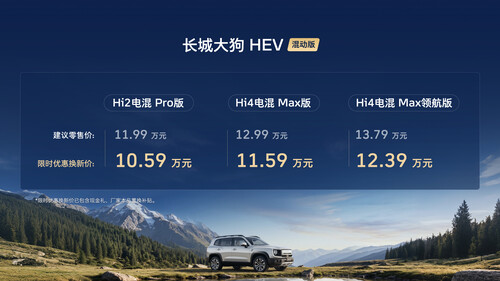
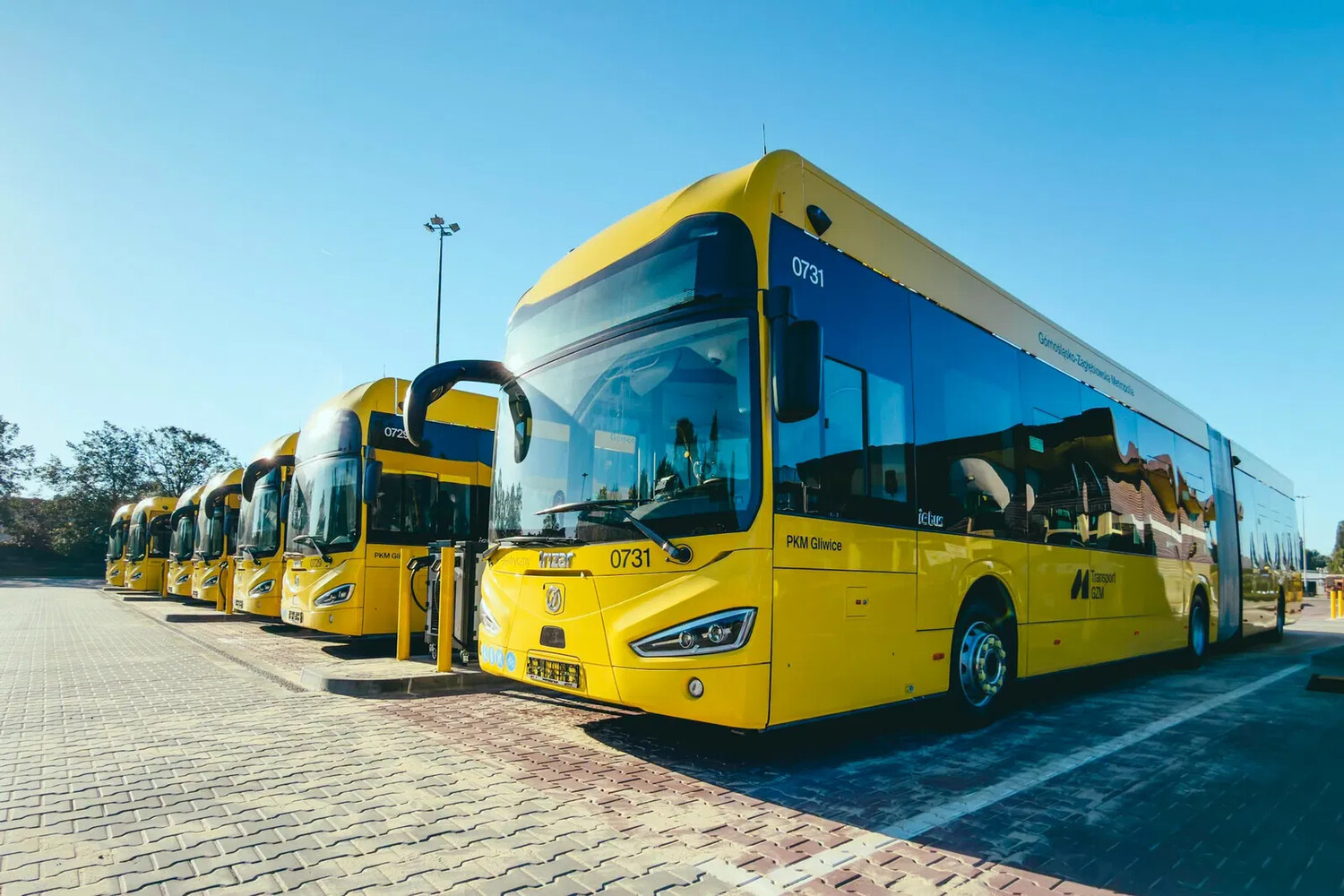
Noah Harris · 3 months ago@noahharris86This RC Basher Has a Motor in Every Wheel — and It’s Completely Unhinged Liked by+70 othersPost commentRelated PostsThe Citroën 2CV Is Making A Comeback, Complete With A Place To Store Your EggsAmélie Fortin · 12 days agoAlpine Reimagines the A310 As an EV, Complete With Pop-Down HeadlightsMorgan Young · 13 days agoAlpine Reimagines A310 Sports Car, Complete With Pop-Down HeadlightsAbigail Walker · 13 days agoPhase I of Optics Valley High-End Microelectronic Devices Industrial Park CompletedAnnabelle Bouchard · 13 days agoChina to Tighten Vehicle Approval Rules: New Models Must Complete at Least One Year of Environmental ValidationCaleb Hall · 13 days agoMax Verstappen Completes Sweep and Wins Singapore Grand PrixZoë Harris · 14 days agoBattery swap works: Nio completes 1.2 million swaps in a SINGLE WEEKEvan Lavoie · 15 days agoLuxshare completes acquisition of BWI, integrating automotive chassis businessesLily King · 15 days agoYAPP's Americana Plant in Brazil Starts Production, Completing Dual-Site South American NetworkEvan Rogers · 16 days agoRino.ai completes $100 million Series C financingHenry Green · 17 days agoYouTuber Gets 2 ‘Completely Dead’ $140K Lucid EVs Running Again – But There’s a CatchAva Turner · 18 days agoGWM Haval Dargo HEV Launched: Limited-Time Price from 105,900 Yuan, Completing Hybrid Lineup 69 · Mia Hall · 25 days agoChenzi Tech Completes Validation of In-House Hollow-Shaft Brake-by-Wire Motor, Ready for Mass Production 52 · Mia Wilson · 25 days agoBYD's Xi'an Project Fully Completed and Put into Production 62 · Nathan Nelson · 25 days agoNIO Opens 4,125th Battery Swap Station, Completing Silk Road Swap Route 91 · Morgan Rogers · 26 days agoThe Complete Guide to Auction Fees and Buyer's Premiums 47 · Samuel Green · 26 days agoChina Industry & Technology News: "De-CATLization" Rhetoric is Ill-Advised; XPENG Robotics Completes Supplier Audits and Core Component Specifications 72 · Alexander Green · 1 months agoIonic Power Opens New Wuhan Site as R&D Center Is Completed and Production Base Begins Operations 58 · Samuel Hall · 1 months agoFounder Motor's R&D Headquarters Project Tops Out, Set for Completion Early Next Year 23 · Audrey Wilson · 1 months agoIrizar Completes Delivery of 31 Electric Buses to Poland’s GZM Network 55 · Leo Côté · 1 months ago


 +70 others+70 others
 +70 others