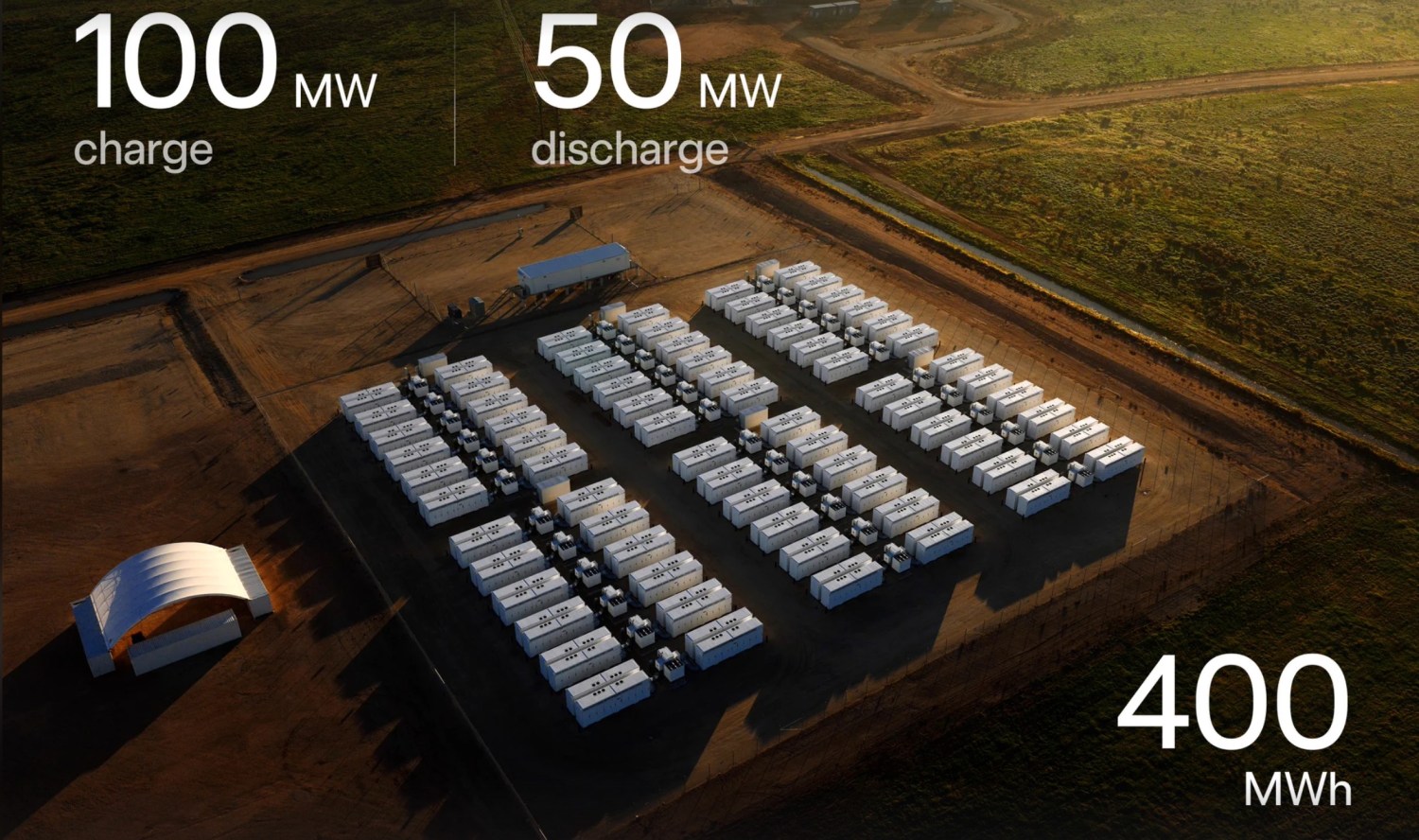
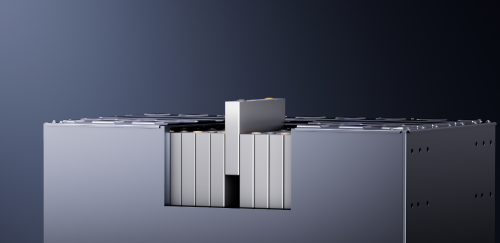
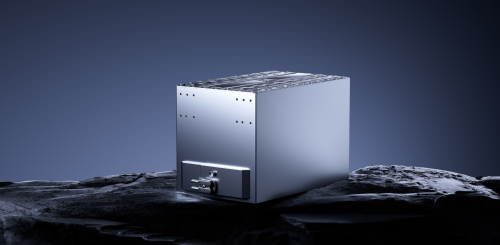
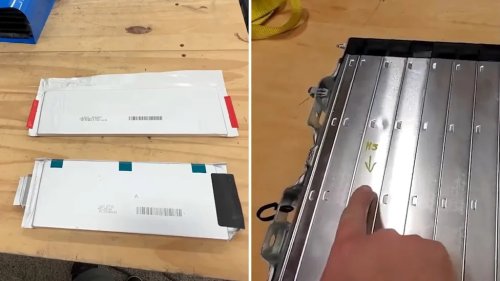
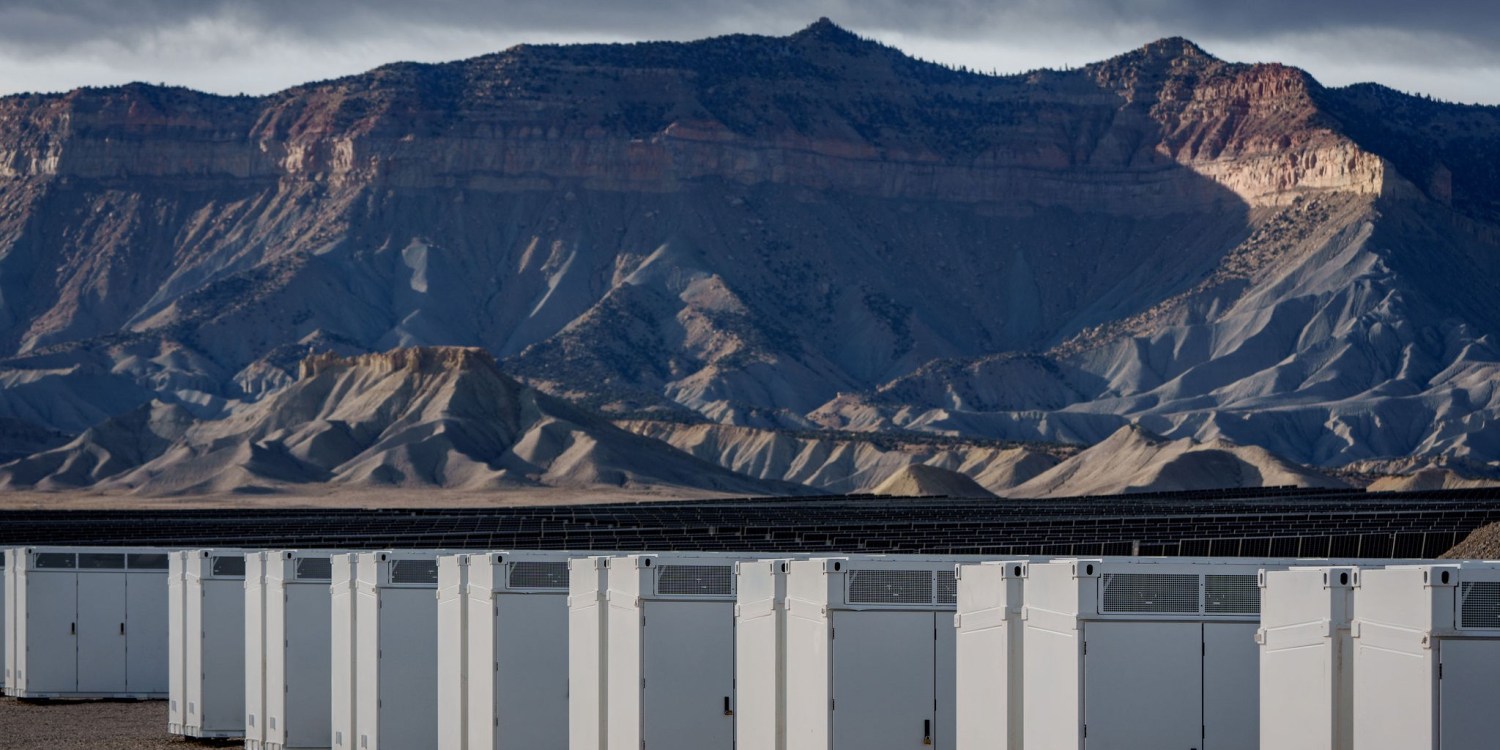
Photo: rPlus Energies The US battery storage market just posted its biggest quarter ever, adding 20.2 gigawatt-hours (GWh) of new capacity in Q2 2026. The record quarter brought total battery storage installations for the first half of 2026 to 30.8 GWh – up 23% year over year – according to the new “US Energy Storage Market Outlook” from the Solar Energy Industries Association (SEIA) and Benchmark Mineral Intelligence. Utility-scale batteries drove the record Nearly all the growth came from large grid batteries. Utility-scale projects accounted for about 18 GWh of Q2 installations, supported by seven gigawatt-hour-scale projects – four in Arizona, two in California, and one in Utah. Arizona alone added a record 6.2 GWh, the strongest quarter ever recorded by a single state. Texas added 3.8 GWh, and California installed another 3.6 GWh. Of the utility-scale capacity installed during the quarter, 44% was paired with solar, while 56% was standalone storage. Advertisement - scroll for more content That matters because batteries can charge when electricity is abundant and relatively cheap, then send it back to the grid when demand and prices rise. During extreme heat, that stored electricity can help cover the evening hours when solar output drops but air-conditioning demand remains high. Battery storage supplied more electricity to the US grid during the first eight months of 2026 than it did during all of 2025, according to the report. “This record growth highlights that storage is a powerful reliability tool that strengthens our energy security, meets rising demand, and puts downward pressure on electricity bills,” said Tim Pawlenty, president and CEO of SEIA. Storage growth spreads beyond California and Texas More than 74% of US battery storage capacity installed in Q2 2026 was in states that Donald Trump won in the 2024 presidential election, with Arizona, Texas, and Utah leading. SEIA also notes that US utility-scale battery capacity grew from 88 GWh to 165 GWh during the first 18 months of the Trump administration. Those figures show when and where the capacity entered service, but the report doesn’t attribute individual project investment decisions to a particular administration. “Energy storage is no longer just a California and Texas story anymore,” said Shan Tomouk, BESS & Energy Lead at Benchmark Minerals. “We’re seeing strong pipeline growth in Arizona, Nevada, Oregon, Colorado, and several other states.” Demand is running ahead of previous expectations, so Benchmark raised its storage forecast through 2030 by 11.5%, to 683 GWh. More than 10% of all US battery storage capacity now operating came online in Q2 alone. Home batteries have a rough quarter Residential battery storage saw a much weaker quarter. US homes added 657 megawatt-hours (MWh) of batteries in Q2, down 27% year over year. The report attributes the decline partly to the removal of the federal 25D residential clean energy tax credit and partly to homeowners rushing installations into 2025 ahead of the incentive change. Benchmark still sees a long-term case for home batteries as electricity costs rise, net-metering rules change, power outages remain a concern, and utilities expand virtual power plant and demand-response programs. But it forecasts residential installations falling 16% in 2026 after jumping 56% in 2025. Commercial and industrial storage added approximately 1.8 GWh during Q2. Benchmark expects data centers to be a major source of future demand as developers combine batteries with onsite solar, wind, and, in some cases, natural gas generation to work around grid constraints and manage fast-changing power loads. US battery manufacturing also expanded during the quarter. Tesla brought its third Megafactory online in Texas, with the capacity to produce 50 GWh of Megapacks annually, and began shipping Megapacks containing domestically manufactured lithium iron phosphate cells. Benchmark now expects the US to install about 71 GWh of battery storage in 2026 – around 20% more than in 2025 – as utilities and grid operators race to keep up with rising electricity demand. Read more: 1 in 7 US students now goes to a solar-powered school If you’re looking to replace your old HVAC equipment, it’s always a good idea to get quotes from a few installers. To make sure you’re finding a trusted, reliable HVAC installer near you that offers competitive pricing on heat pumps, check out EnergySage. EnergySage is a free service that makes it easy for you to get a heat pump. They have pre-vetted heat pump installers competing for your business, ensuring you get high quality solutions. Plus, it’s free to use! Your personalized heat pump quotes are easy to compare online and you’ll get access to unbiased Energy Advisors to help you every step of the way. Get started here. – *ad Stay up to date with the latest content by subscribing to Electrek on Google News. You’re reading Electrek— experts who break news about Tesla, electric vehicles, and green energy, day after day. Be sure to check out our homepage for all the latest news, and follow Electrek on Twitter, Facebook, and LinkedIn to stay in the loop. Don’t know where to start? Check out our YouTube channel for the latest reviews.



















 +41 others