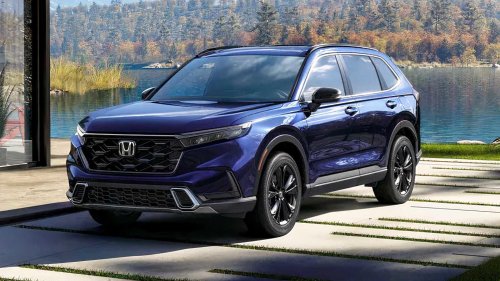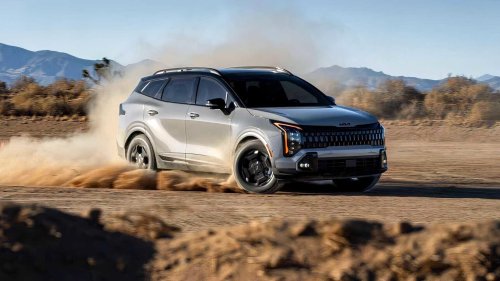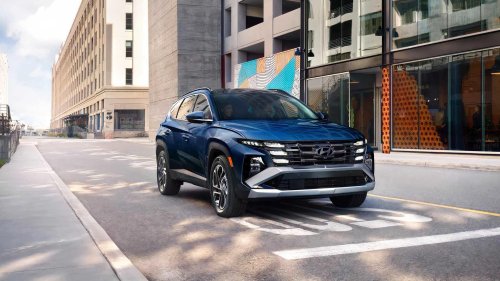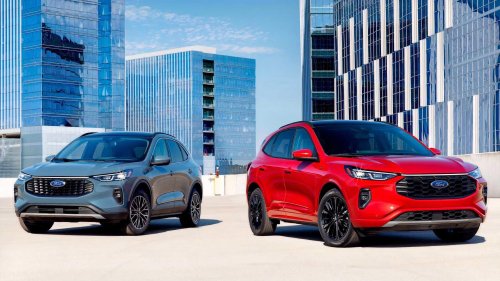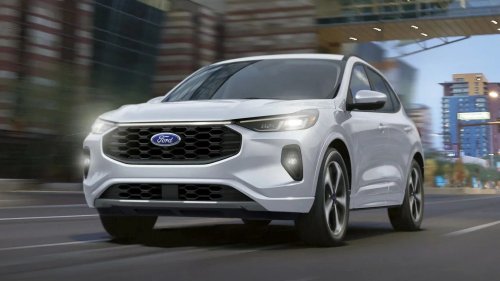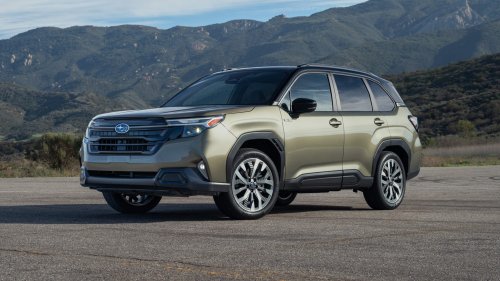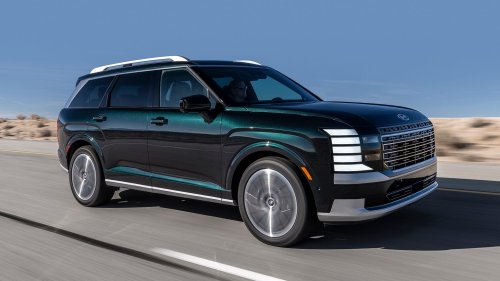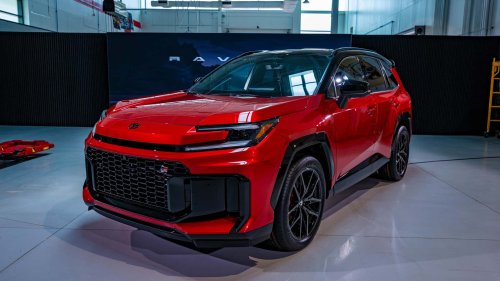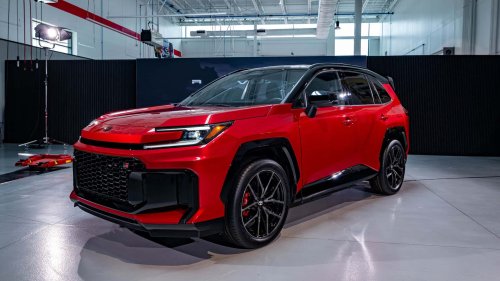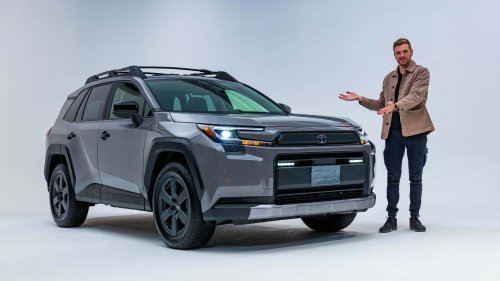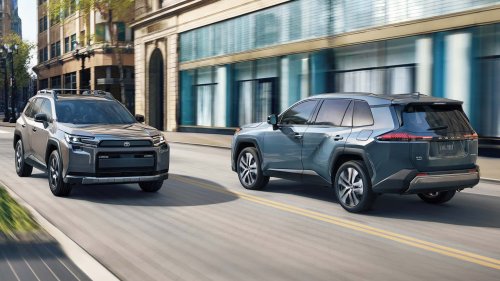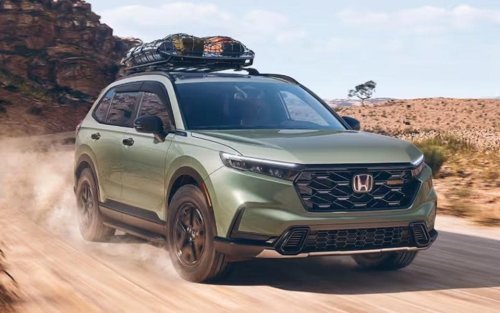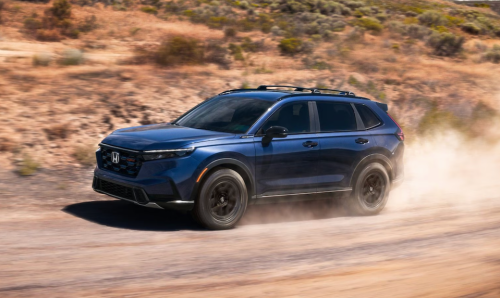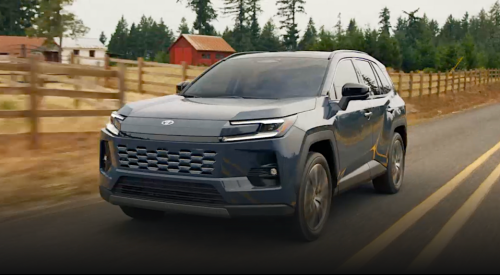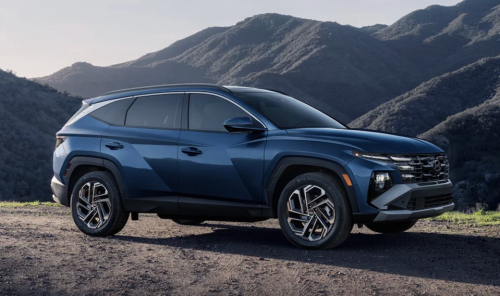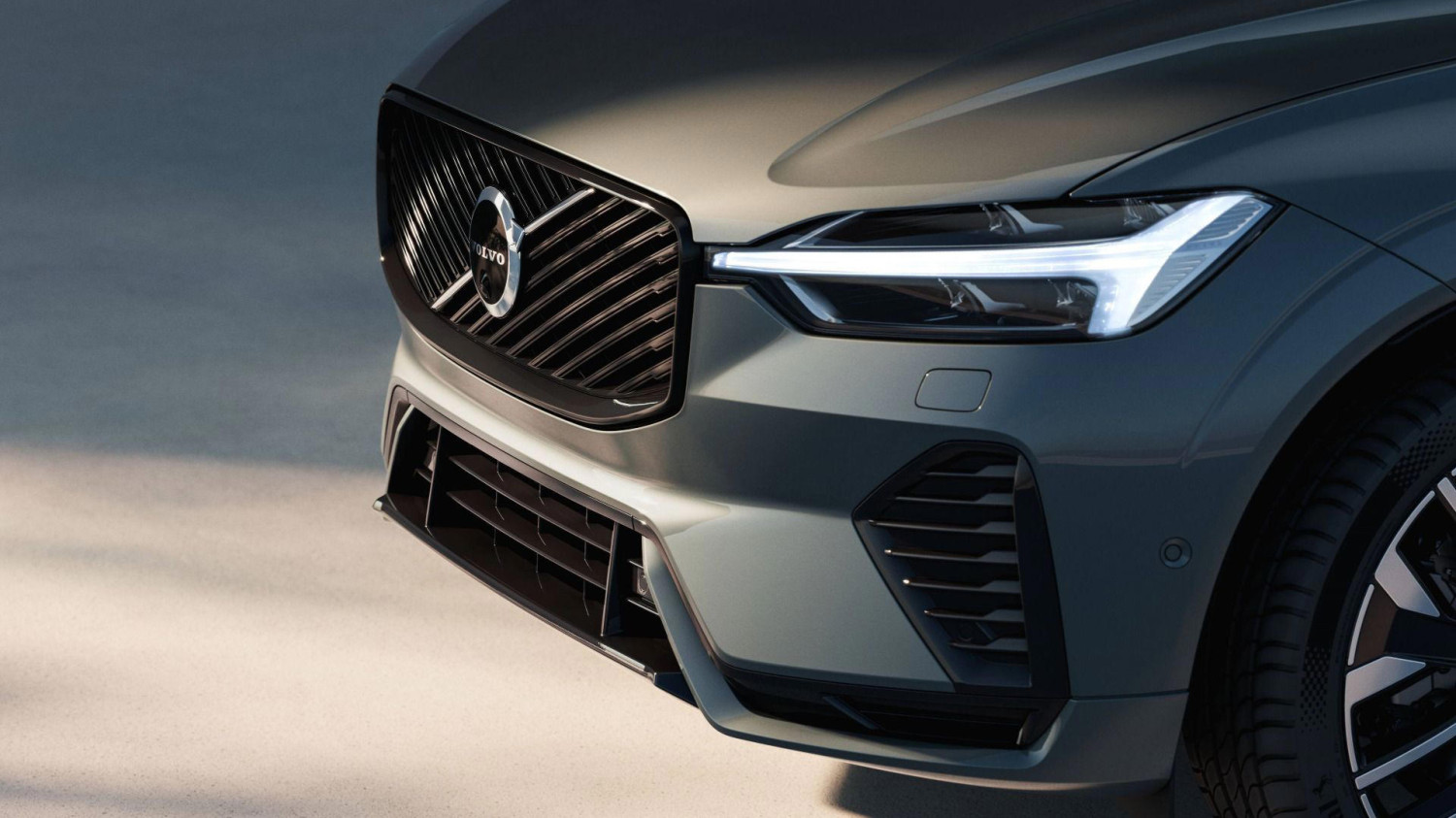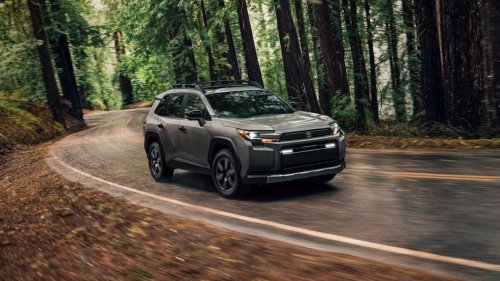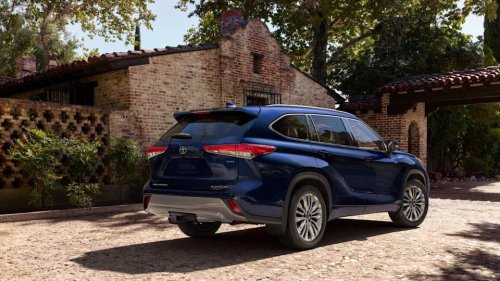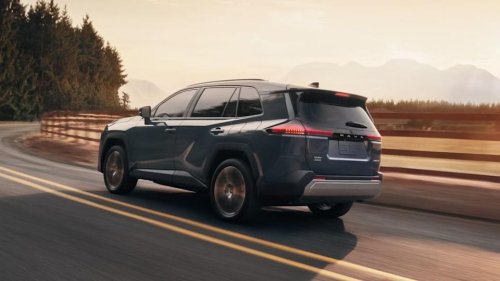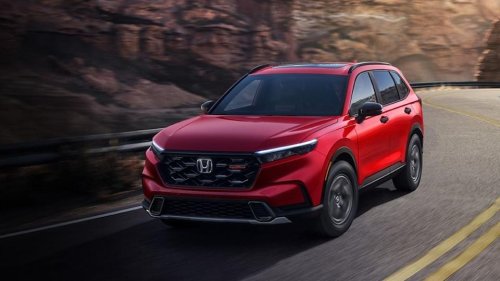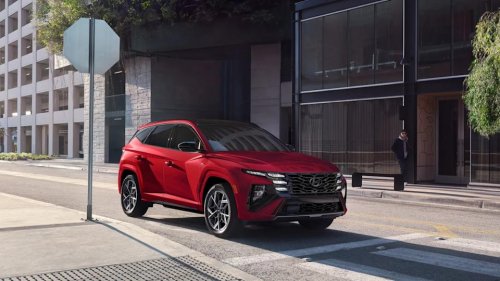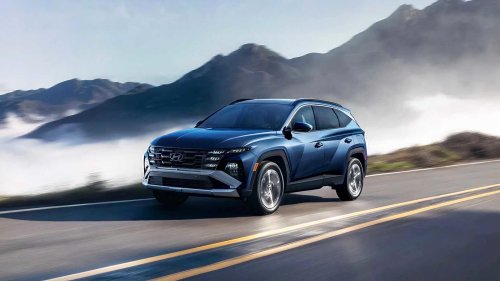
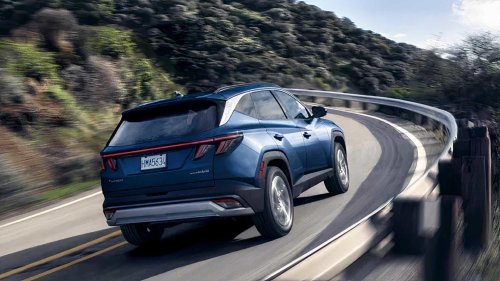
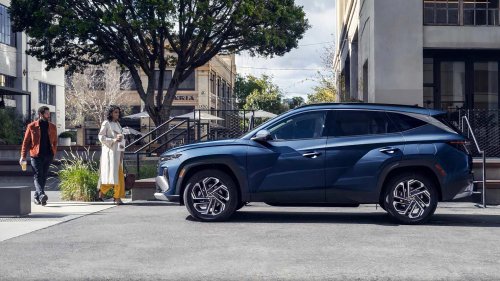
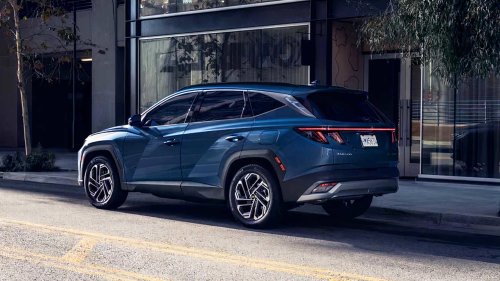
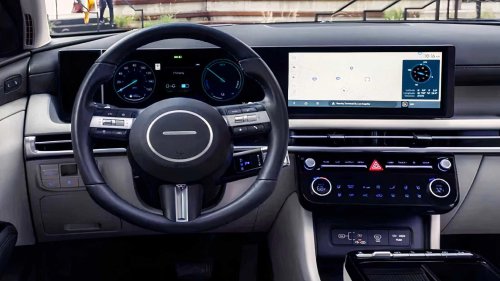
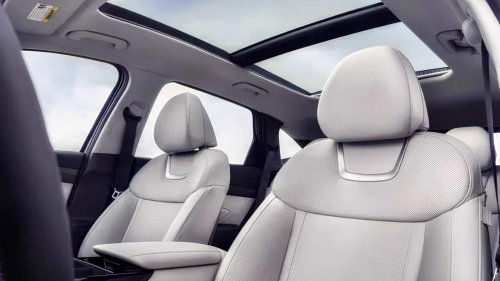
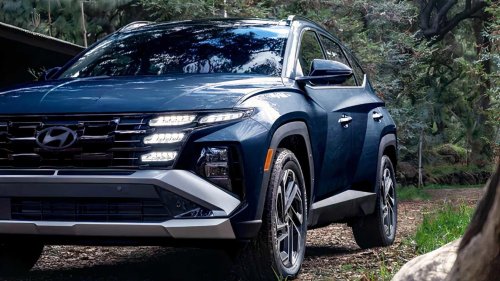



















With the 2026 sales calendar now well underway, it appears that the all-new generation Toyota RAV4 and Honda CR-V Hybrid continue their absolute dominance in the hybrid SUV market. These two Japanese models enjoy a long and trusting relationship with American consumers, as well as an extensive dealer network, resulting in them benefiting from a considerable edge that supports their impressive market success.According to January sales reports, it is apparent that the 2026 Hyundai Tucson Hybrid is challenging this dominance with an impressive performance. The South Korean brand's leading compact SUV option has consistently grown in appeal over the years, with this model year being the most premium and comprehensive thanks to a series of key refinements and updates. Key Refinements To Improve Competitiveness HyundaiFor the 2026 model year, Hyundai applies some mechanical refinements to the Tucson Hybrid, together with a strategic trim reshuffle in an attempt to enhance its competitive edge. The most notable update is the addition of an entry-level Blue SE trim, resulting in the former Blue trim evolving into the SEL. Hyundai has also decided to discontinue the enthusiast-oriented N-Line hybrid. Refinements include software updates for the six-speed automatic transmission that provide smoother transitions between the electric motor and gasoline engine, particularly at low speeds.Visually, the 2026 model remains largely consistent with the previous year's major refresh, but Hyundai does add a new Ecotronic Gray exterior paint option to the catalog. The brand also offers minor updates to active grille shutters for improved aerodynamics. Inside, the cabin maintains its dual 12.3-inch panoramic display setup but sees a minor reduction in long-term perks, as the fingerprint scanner and the standard three years of complimentary maintenance have been phased out for this model year. Where The Tucson Hybrid Fits In The Market HyundaiThe Tucson Hybrid has consistently been the best-selling vehicle in Hyundai’s electrified global lineup, serving as the brand's volume-driving backbone. It essentially bridges the gap between the smaller Kona and the larger, three-row Santa Fe. Hyundai markets this to value-conscious families and tech-forward commuters who want the efficiency of an electrified powertrain. The current-generation model positions itself as a premium option without compromising on its overall attainable status, making it a competitive alternative to the Toyota RAV4 and Honda CR-V Hybrid.J.D. Power rates this model with an 81/100 consumer-verified overall score, which includes 83/100 for quality and reliability, 83/100 for the driving experience, 83/100 for resale, and 71/100 for the dealership experience. On the value retention front, iSeeCars indicates that this model will lose $14,464 or 44.9 percent of its value after five years, which is considerably worse than its key rivals. Edmunds consumer reviews show a 4/5 average score from 28 submissions, highlighting fuel efficiency, value, and the driving experience as key strengths. The Tucson Hybrid Puts Up A Fight HyundaiAs of Hyundai USA's 2025 sales report, the entire Tucson range solidified its position as the brand’s volume leader with record-breaking total sales of 234,230 examples. This reflects a 14 percent increase over the previous year. Hyundai does not explicitly split hybrid sales per model, but its year-end results report that electrified vehicles accounted for 30 percent of the brand’s retail mix, with total hybrid sales surging 71 percent in December alone. Leading this was the hybridized Tucson model. If we apply a generous 35 percent electrified mix, we can estimate that 82,000 individual copies might have been sold throughout last year.Hyundai continues this momentum into January 2026. Despite a four percent dip in total Tucson volume, coming in at 14,428 copies, Hyundai reports a massive 60 percent surge in total hybrid sales, indicating the hybrid variant is increasingly carrying the model's weight as internal combustion sales soften. While impressive, the Tucson Hybrid still trails its primary Japanese rivals in both volume and mix.The previous-generation Toyota RAV4 Hybrid achieves 479,288 total sales in 2025 with an estimated 50 percent hybrid and PHEV mix of around 240,000 individual copies. The Honda CR-V surpassed 400,000 total units with more than half being hybrids. In January 2026, the CR-V maintained this dominance with 27,019 total units and a 55 percent hybrid mix, resulting in a 14,860 unit sales figure, which is nearly triple the estimated hybrid volume of the Tucson for the same month. Pricing An Influential Success Factor Hyundai The 2026 Hyundai Tucson Hybrid lineup now consists of four primary trim levels, starting with the entry-level Blue SE at an MSRP of $32,450. Moving up the range gets you access to the Hybrid SEL for $33,900, followed by the Hybrid SEL Convenience at $34,900. The flagship trim for the 2026 model year remains the Hybrid Limited, carrying a starting MSRP of $42,075.There's an additional $1,600 that you'll need to spend on the destination fee. With this pricing strategy, Hyundai is able to undercut the Honda CR-V Hybrid's $35,630 MSRP. The 2026 Toyota RAV4 remains a value king, with its $31,900 base MSRP. Comprehensive Specification Enhances Market Appeal Hyundai The new Blue SE trim establishes a technology-focused entry-level offering. Standard entertainment on this base trim includes a 12.3-inch color touchscreen featuring wireless Apple CarPlay and Android Auto, paired with a six-speaker audio system and the Bluelink+ connected car system. You also get dual-zone automatic temperature control, stain-resistant cloth upholstery, and a 4.2-inch color digital instrument cluster.Stepping up to the SEL adds a hands-free smart liftgate, an eight-way power-adjustable driver’s seat with two-way lumbar support, and heated front seats. It also enhances the exterior with 18-inch alloy wheels and roof side rails, while the interior gains rear air conditioning vents for improved passenger comfort.The SEL Convenience trim is a tech-sweet spot of the lineup, replacing the previous SEL Convenience package as a standalone trim. This level introduces the dual-curved 12.3-inch display architecture, which combines a fully digital instrument cluster with the central infotainment screen for a panoramic look. High-end convenience features include the Hyundai Digital Key 2, which allows smartphone-based access. You also get a power tilt-and-slide sunroof, and a wireless device charging pad. Elevating the interior is H-Tex leatherette-trimmed seating surfaces, a leather-wrapped steering wheel, and 64-color ambient cabin lighting that allows for extensive personalization. Limited Trims Offer A Luxurious Feel HyundaiThe Limited trim sits as the flagship model, upgrading the cabin to an eight-speaker Bose Premium Audio system and a 12-inch head-up display. The cabin is fully outfitted with genuine leather seating surfaces, ventilated front seats, heated rear seats, and an Integrated Memory System for the driver’s seat and side mirrors.Advanced technological highlights exclusive to the Limited include the Remote Smart Parking Assist, allowing the car to pull into tight spots via the key fob. There's also a Surround View Monitor, and a Blind-Spot View Monitor that displays a live camera feed of the vehicle's flank within the instrument cluster.In terms of optional extras, Hyundai typically keeps its hybrid configurations focused, meaning most equipment is locked into the trim levels rather than offered as individual add-on packages. However, you can opt for premium exterior paint colors, such as Serenity White Pearl or Ultimate Red, priced at $450. A Perfectly Balanced HEV Drivetrain Under the hood of the 2026 Hyundai Tucson Hybrid remains the South Korean brand's turbocharged 1.6-liter gasoline direct-injection four-cylinder engine that produces 178 horsepower and 195 pound-feet of torque. This works in tandem with a permanent magnet synchronous electric motor that contributes 64 horsepower and 195 pound-feet of torque, resulting in a combined system output of 231 horsepower and 258 pound-feet of torque.Hyundai applies this to a six-speed automatic transmission specifically tuned for hybrid integration, delivering power through the standard HTRAC mechanical all-wheel drive system. With this, you can expect to cover a 0-to-60 MPH acceleration sprint in 7.1 seconds, while the brand limits its top speed to 120 MPH. Impressive Fuel Efficiency Standards HyundaiThe Hyundai Tucson Blue SE is the most efficient option of the range, achieving an EPA-estimated consumption of 38/38/38 MPGon the city/highway/combined cycle, together with a 521-mile range estimate from the 13.7-gallon tank. This results in an annual fuel cost of $1,200, and a cost of $2.09 to drive 25 miles, meaning you'll save $2,000 in fuel costs over five years compared to the average new vehicle sold in the U.S.The rest of the range reflects a 37/36/36 MPG consumption estimate on the same cycle, with a 493-mile range claim. The result is an annual fuel cost of $1,350, and a cost of $2.27 to drive 25 miles. Expect to spend about $38 to fill the tank.