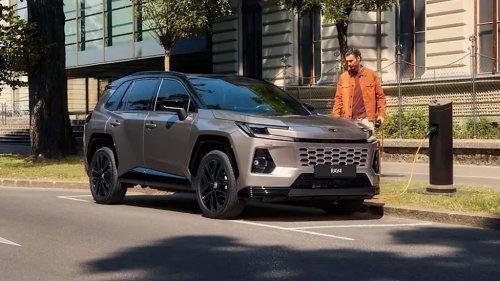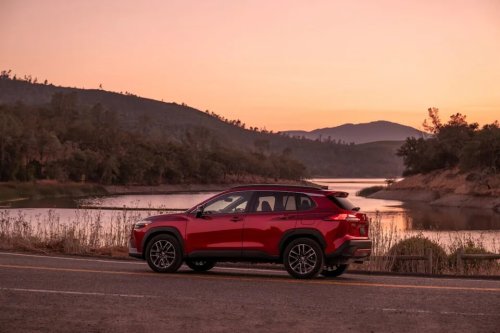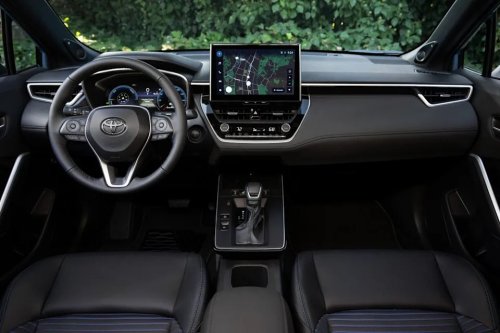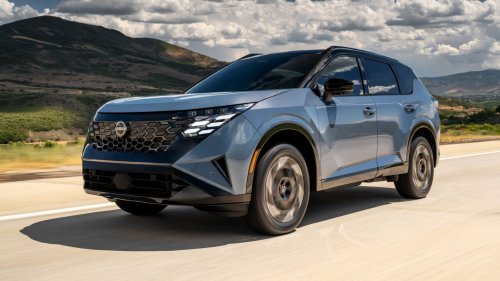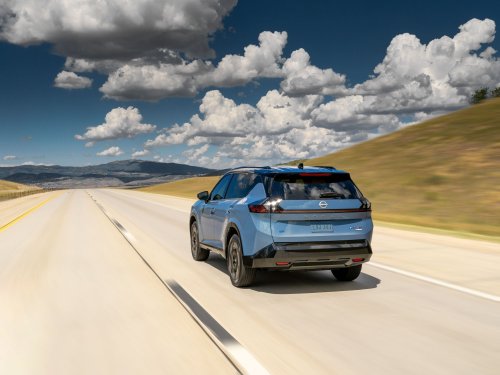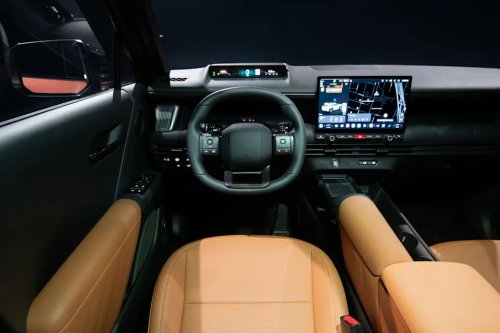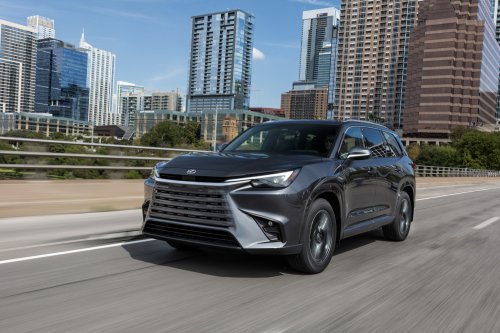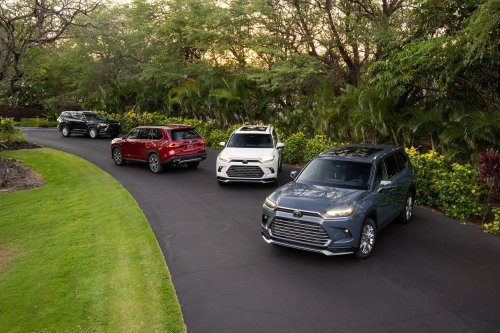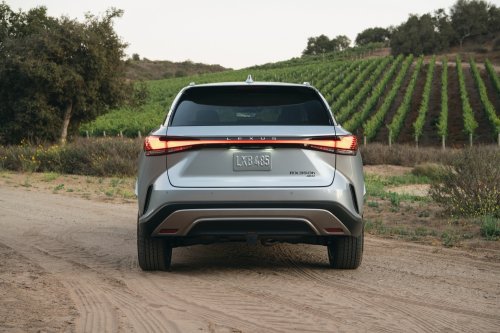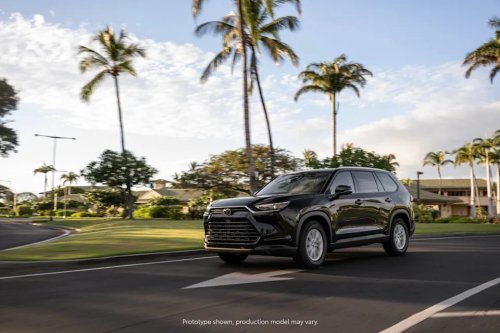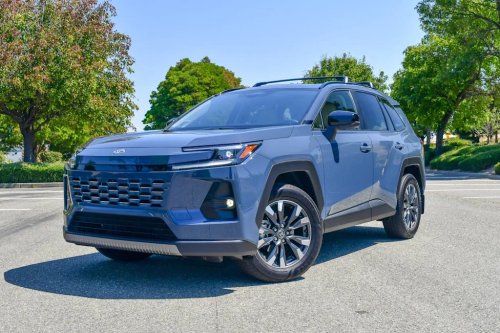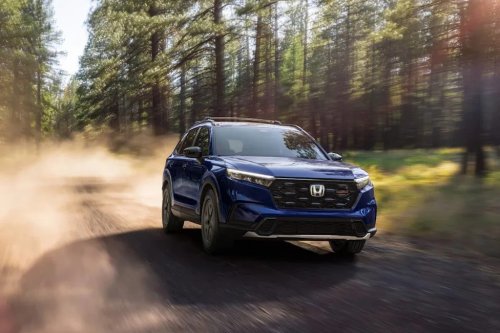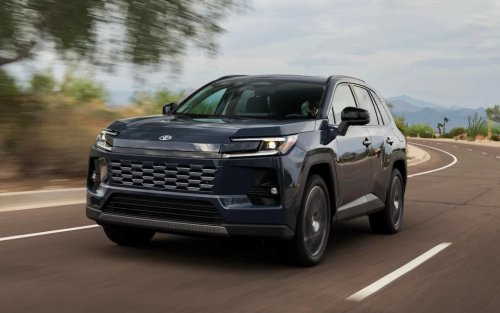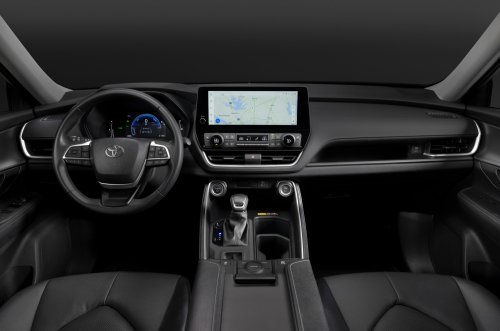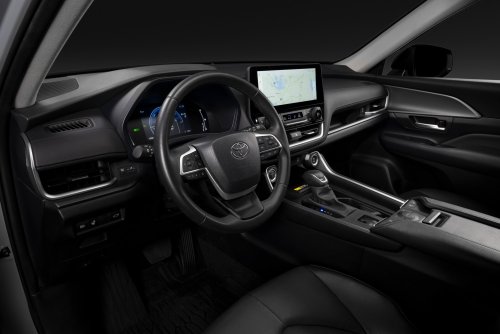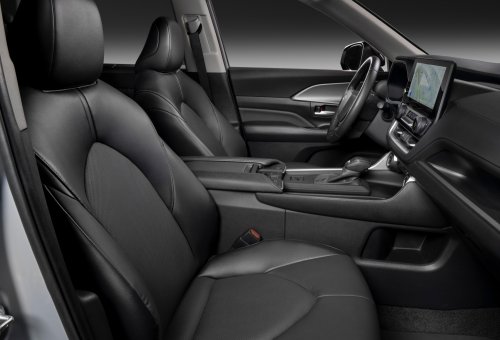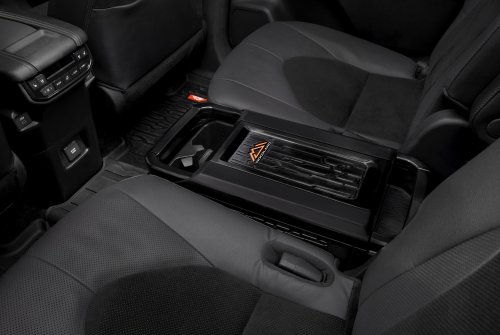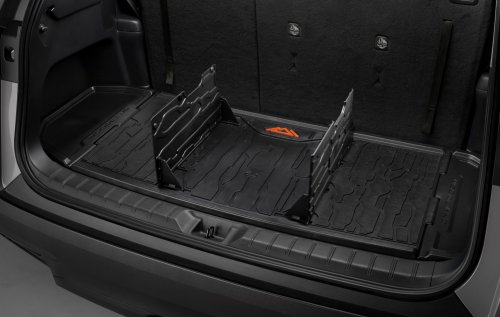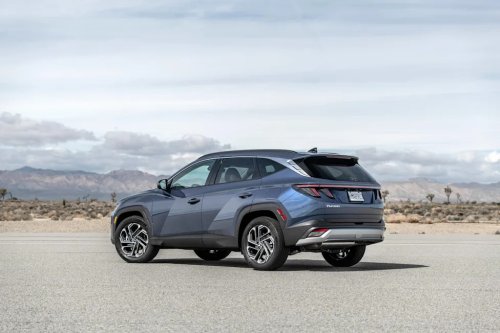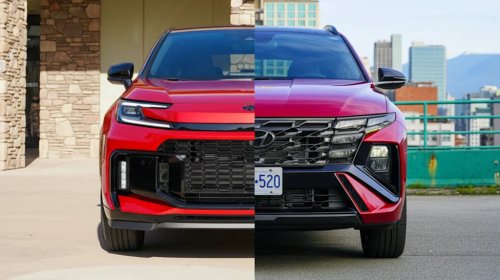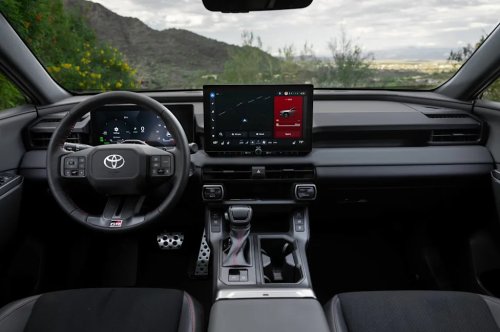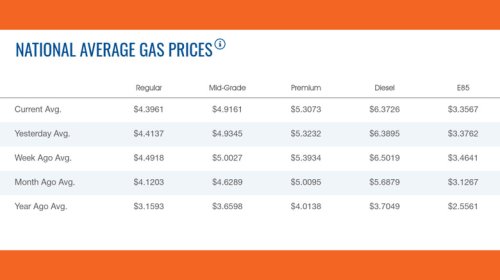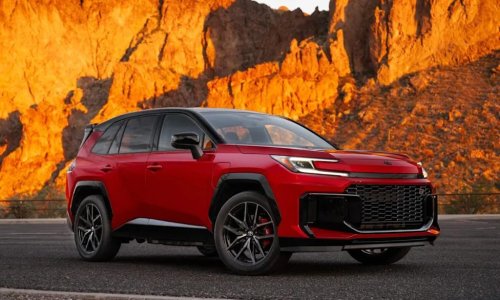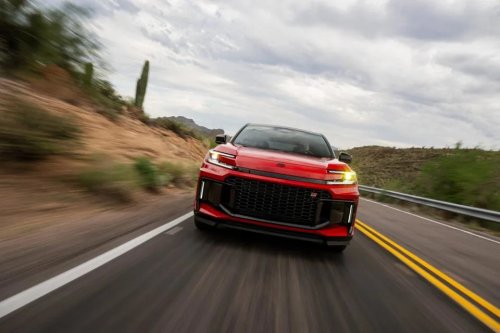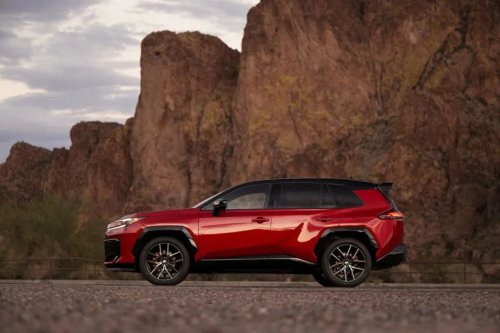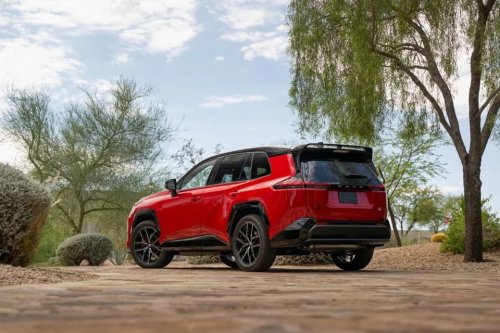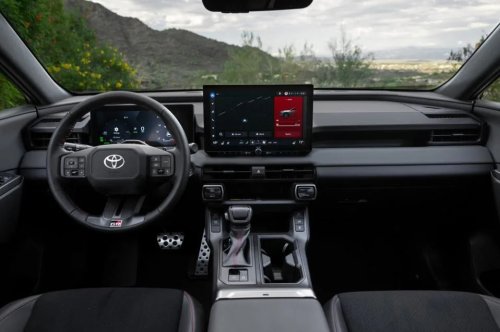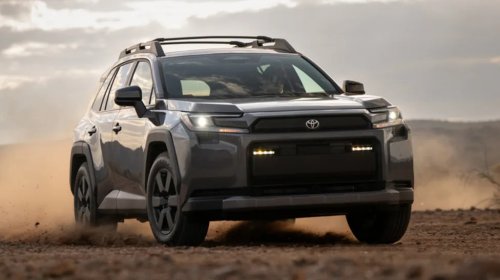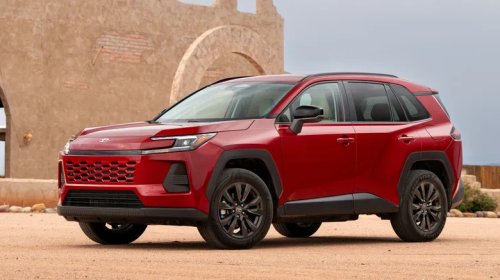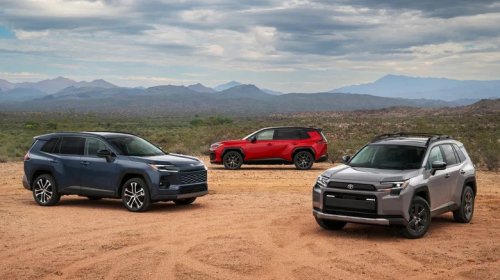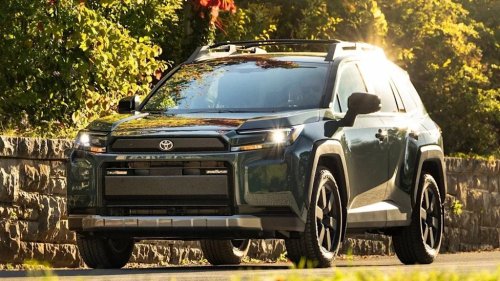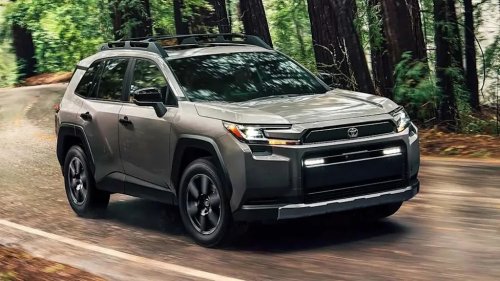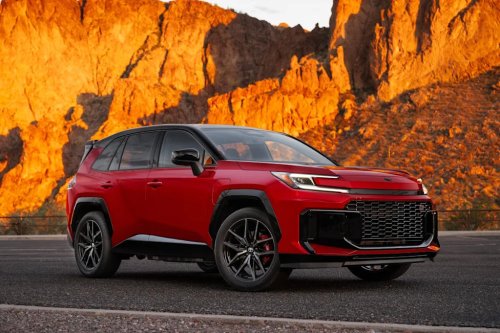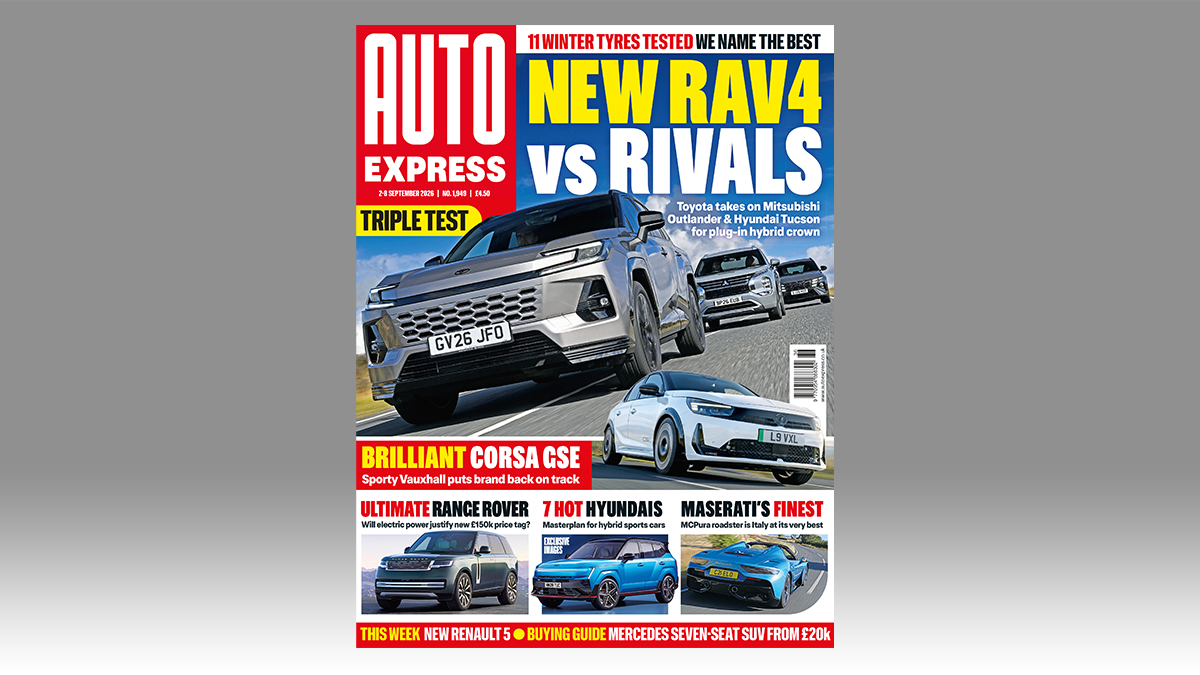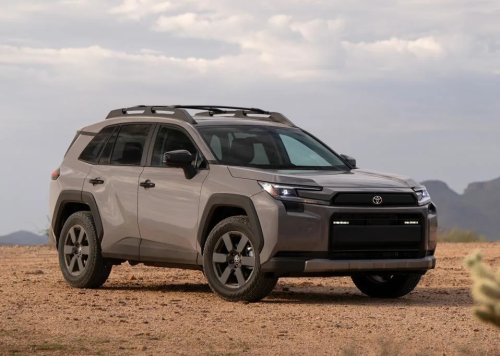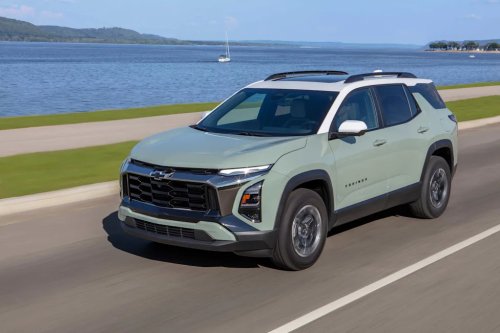
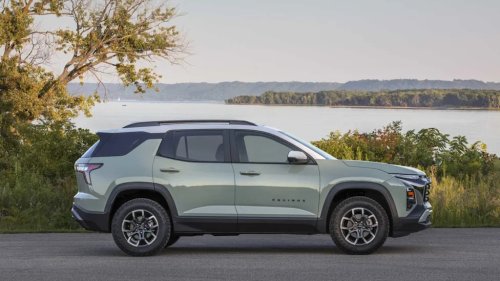
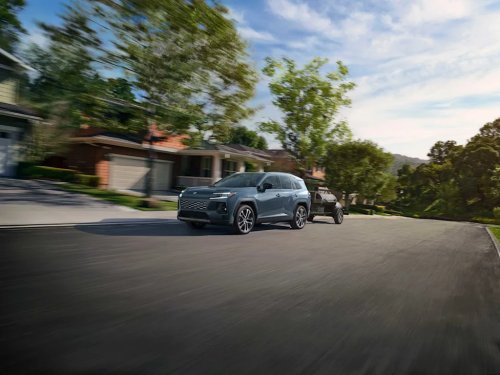
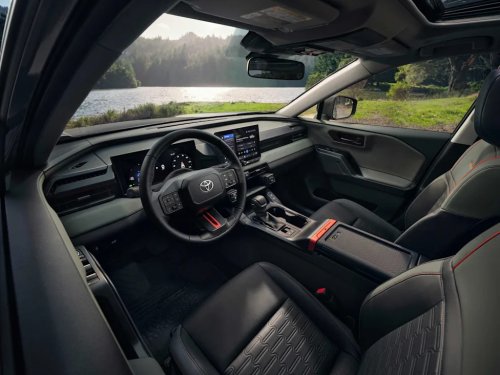



















ChevroletThe Toyota RAV4 has been one of America's best-selling SUVs since the late 1990s, and for 2026, it made one of the boldest moves in its nearly 30-year history. Toyota dropped gas-only engines entirely and made every RAV4 a hybrid.The result is a more powerful, more fuel-efficient vehicle with a still affordable starting price of $33,495, including destination. Hybrid or otherwise, the RAV4 remains a benchmark in the compact SUV segment, earning accolades from everyday consumers and industry insiders alike.But the 2026 Chevrolet Equinox, which starts at $30,795 (including destination), has something to say about that. The Equinox is not a hybrid, and it does not pretend to match the RAV4's fuel economy. What it does offer, however, is a well-equipped, comfortable, and technology-forward interior that undercuts the RAV4 by roughly $2,700 at the base level.AdvertisementAdvertisementFor buyers with priorities other than just fuel economy, the 2026 Chevrolet Equinox is worth a second look against the mighty RAV4.Two different powertrain approachesAll-wheel drive can be worth the moneyThe Equinox runs a 1.5-liter turbo four-cylinder producing 175 horsepower and 184 lb-ft. of torque in front-wheel-drive (FWD) form, or 203 lb-ft. of torque in an all-wheel drive (AWD) configuration.FWD models pair with a continuously variable automatic transmission (CVT), while AWD models use a Hydra-Matic eight-speed automatic. The turbo engine is responsive around town and capable of merging or passing on the highway without strain, even though it is not a performance engine in the traditional sense.By contrast, the RAV4 Hybrid uses a 2.5-liter four-cylinder paired with Toyota's fifth-generation hybrid system, producing 226 combined horsepower in FWD form and 236 combined horsepower in AWD form. The win here for Toyota is how the RAV4 exceeds the Equinox on output while using considerably less fuel (more on that below).AdvertisementAdvertisementThe RAV4's electronic CVT manages the hybrid system and, for AWD models, a dedicated rear electric motor powers the rear wheels independently, with no mechanical connection to the front axle.As noted a moment ago, the 2026 Chevrolet Equinox LT FWD starts at $30,795, including a $1,995 destination charge. The 2026 RAV4 LE FWD starts at $33,495, including a $1,595 destination charge.Both SUVs offer all-wheel drive, which can be worth the additional money for buyers who deal with winter weather. The Equinox LT AWD starts at $32,795, including destination, while the RAV4 LE AWD starts at $34,895, also including destination. That puts the Equinox roughly $2,100 less at the AWD level, meaning the price advantage holds whether you go FWD or AWD.Fuel economy numbersWhere the two SUVs part waysThe 2026 RAV4 and its hybrid powertrain hold a clear advantage here, but things are not so cut-and-dry, as it depends on how many miles a year you drive. Let's look at the EPA estimates for both SUVs first.AdvertisementAdvertisement2026 Chevrolet Equinox (EPA-estimated):FWD: 26 mpg city / 29 mpg highway / 27 mpg combinedAWD: 25 mpg city / 29 mpg highway / 26 mpg combinedEstimated annual fuel cost (FWD): $2,300Estimated annual fuel cost (AWD): $2,4002026 Toyota RAV4 Hybrid (EPA-estimated):FWD (LE/SE): 47 mpg city / 40 mpg highway / 43 mpg combinedAWD (LE/SE): 46 mpg city / 39 mpg highway / 42 mpg combinedEstimated annual fuel cost (FWD): $1,450Estimated annual fuel cost (AWD): $1,500The gap is 16 mpg combined in the RAV4's favor on FWD models. At the current national average of $4.05 per gallon, a driver covering 15,000 miles a year spends roughly $2,250 annually on gas in the Equinox versus about $1,413 in the RAV4, a difference of $837 per year.AdvertisementAdvertisementTo find your own payback timeline, divide the price gap between the two vehicles by your estimated annual fuel savings. At 15,000 miles per year and $4.05 per gallon, the $2,700 starting-price difference between the Equinox LT FWD and the RAV4 LE FWD works out to a payback period of about 3.2 years, meaning it takes just over three years of fuel savings to make up what you would pay extra for to own the RAV4.However, that timeline gets longer if you drive less. A buyer covering only 8,000 miles a year would see the payback period stretch beyond six years for a new RAV4. At that point, the Equinox's lower sticker price starts to look more attractive.Interior tech and cargo spaceEquinox competes on total passenger volumeThe Equinox offers 29.8 cubic feet of cargo space behind the rear seat, expanding to 63.5 cubic feet when everything is folded. The RAV4 offers 37.8 cubic feet behind the rear seat and 70.4 cubic feet when they are folded. Similar to fuel economy, the Toyota RAV4 has a meaningful advantage here when it comes to available cargo space.When it comes to passenger space, the Equinox actually has a slight edge. EPA passenger volume comes in at 104.3 cubic feet for the Equinox versus 98.9 cubic feet for the RAV4. Rear seat passengers in particular have a bit more room to stretch out in the Equinox.AdvertisementAdvertisementEvery 2026 Equinox is standard with an 11-inch digital instrument cluster and an 11.3-inch touchscreen that supports Google built-in, Apple CarPlay, and Android Auto. The RAV4 LE has a 10.5-inch touchscreen and a 12.3-inch digital gauge cluster. The RAV4's gauge cluster is larger and more detailed, displaying hybrid energy flow information alongside standard trip data. Higher RAV4 trims step up to a 12.9-inch touchscreen.Both SUVs include dual-zone automatic climate control, a backup camera, and wireless smartphone connectivity as standard features.The RAV4 also includes a built-in Drive Recorder Dash Cam as standard equipment, using the vehicle's existing cameras to record front and rear footage. That is a feature you would typically pay extra for or add as an accessory on competing vehicles.Both SUVs are worth a test driveThe 2026 Chevrolet Equinox is a well-rounded SUV that delivers the latest technology, generous passenger space, and a lower entry price than the RAV4 at the base trim level. For buyers who prioritize upfront value and do not drive enough miles for the fuel savings to add up, it holds its own.AdvertisementAdvertisementThe 2026 Toyota RAV4 Hybrid is the better vehicle by most objective measures. It is more powerful, more fuel-efficient, and has Toyota's longstanding reputation for quality behind it.The Equinox makes the most sense for buyers who want a capable, comfortable SUV at a lower price point and are not prioritizing fuel economy. The RAV4 makes the most sense for buyers who want fuel-efficiency gains over time. Either way, both are likely worth a test drive before you decide.The Equinox and the RAV4 each carry a three-year/36,000-mile bumper-to-bumper warranty and a five-year/60,000-mile powertrain warranty. Toyota covers the RAV4 and its hybrid system components for eight years or 100,000 miles, and the hybrid battery for 10 years or 150,000 miles.