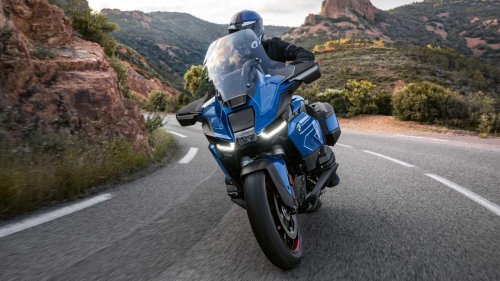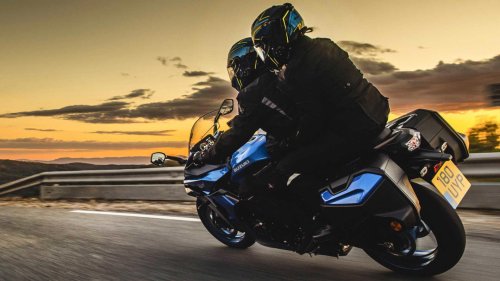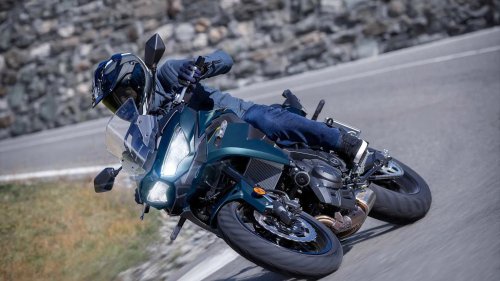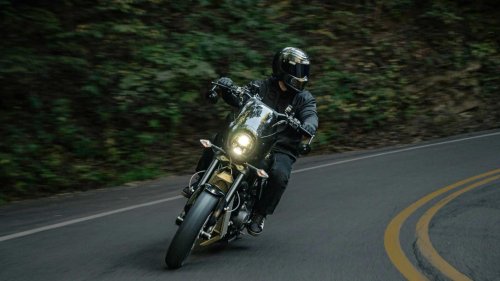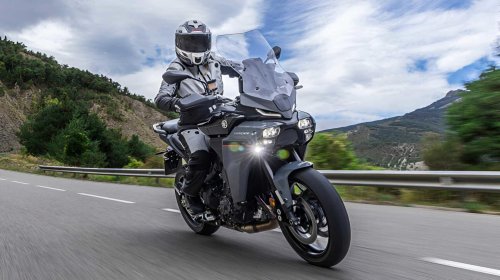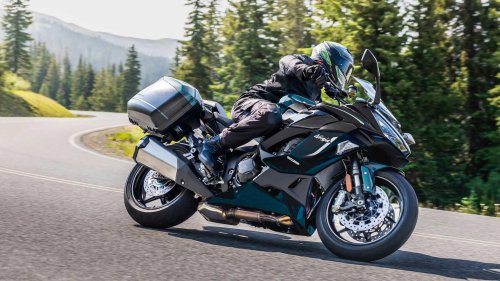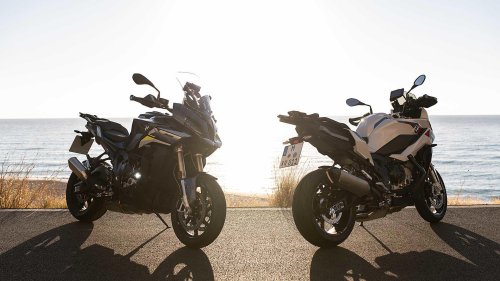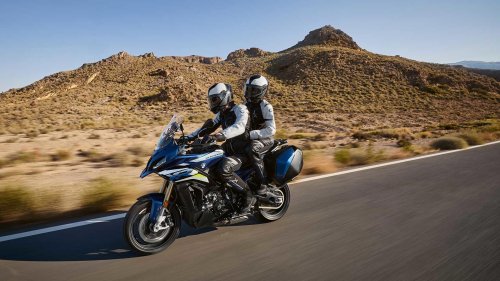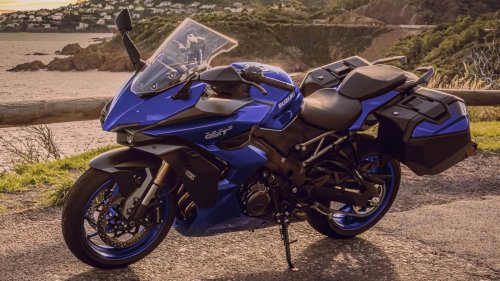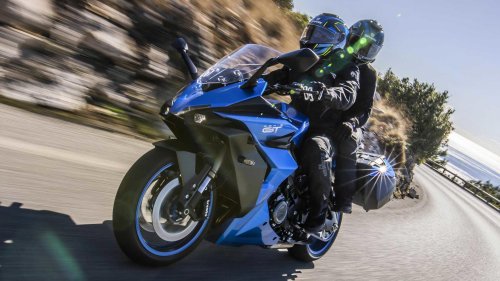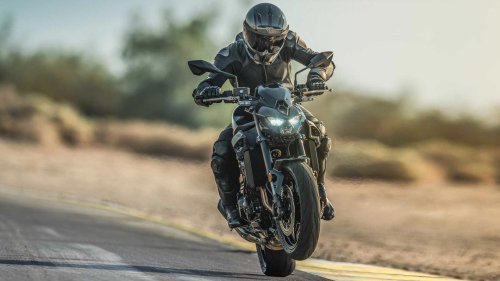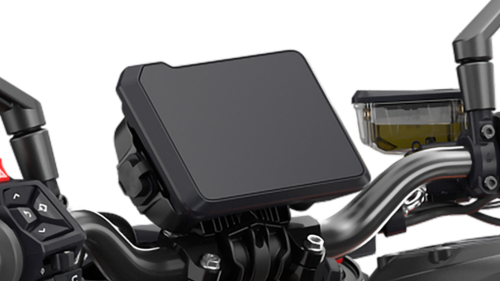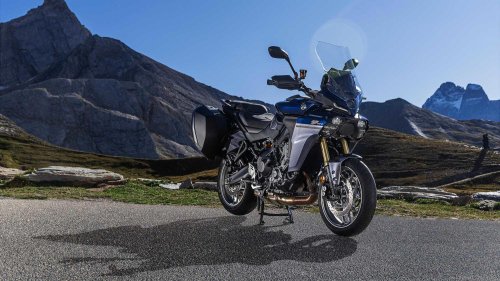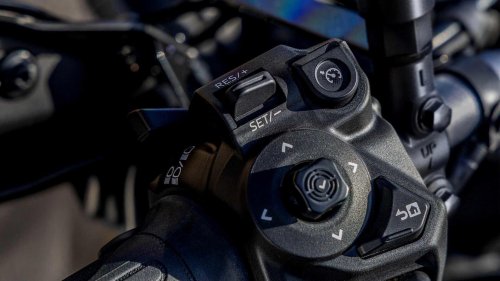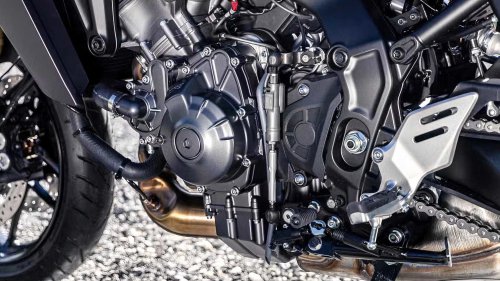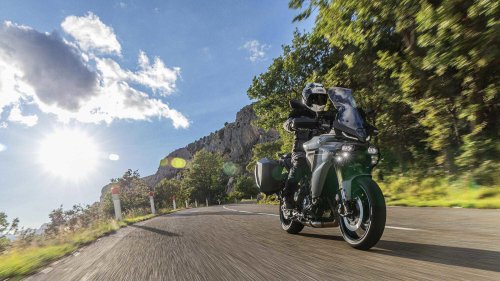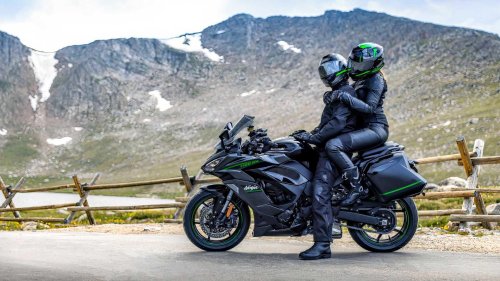
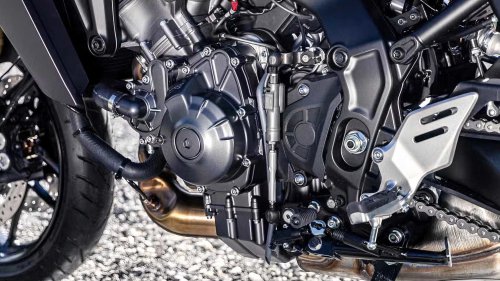
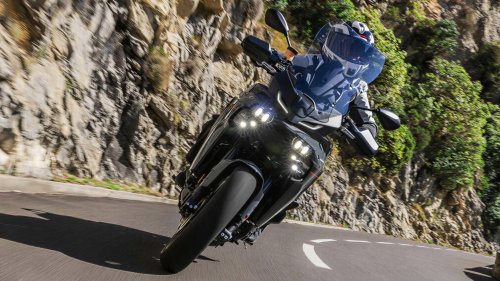
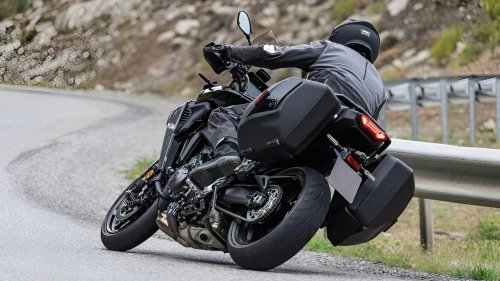
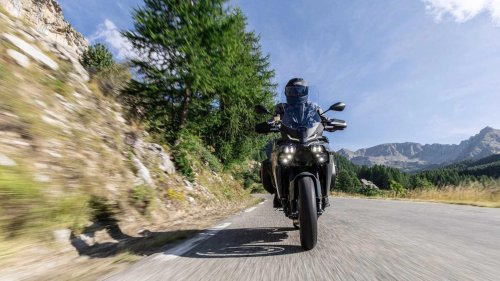
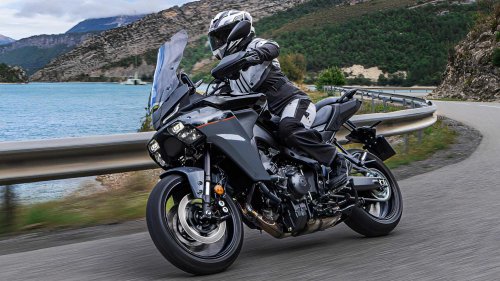
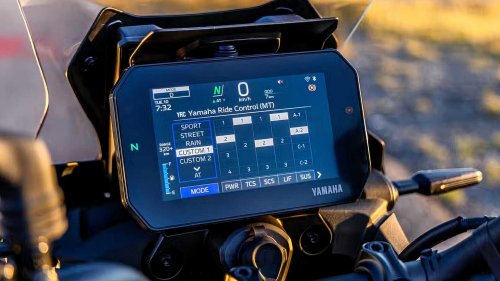
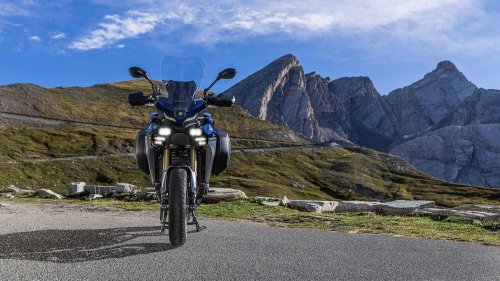


















Designing a motorcycle that genuinely works as both a sport bike and a long-distance tourer is as hard as it sounds. Increase the comfort, and you often add bulk. Chase the performance, and the tractability suffers. Try to include everything, and the price tag can spiral well past the point of reason. For decades, manufacturers have approached this problem by doubling down on one side of the equation or the other, producing bikes that are either impressively fast or genuinely comfortable — rarely both, and almost never at a sensible price. Too many premium touring machines solve the problem by simply getting bigger, heavier, and more expensive. The result can be impressive, but also a little exhausting in the real world. That's why the Yamaha tourer in context dominates in this space. What A Genuine Sport-Tourer Needs To Deliver KawasakiA good sport-tourer lives in the midrange. That is where real riding happens. Even some superbikes are taking inspiration from the idea now. A sport-tourer's engine is not asked to perform the same job as a superbike's. Instead, it demands torque that arrives early and builds predictably across the rev range. What actually matters on a touring run is the mill's thrust between 3,000 and 6,000 rpm. An engine that screams to deliver its best is exhausting to live with over distance, and it becomes genuinely problematic when the bike is loaded with panniers or carrying a passenger.HondaA touring bike also has to be comfortable enough to live with for hours, but not so relaxed that it feels like a wet sponge once the road gets interesting. The key is that comfort does not come at the expense of agility, which is where many larger tourers start to feel like they are fighting their own mass. That balance matters because sport-tourers are judged in two very different environments. On the interstate, they need stability and wind protection. In town, they need to be easy to thread through traffic and simple to paddle around a parking lot. The Yamaha Tracer 9 Nails Performance And Practicality Base Price: $12,599 Yamaha MotorsportsThe Yamaha Tracer 9 lands in a sweet spot that is getting harder to find. Yamaha does not load the bike with every fashionable touring gimmick just to push the sticker higher. Instead, it gives riders a strong engine, a usable chassis, a modern TFT display, lean-sensitive rider aids, hard side cases, and the kind of core hardware that actually matters day to day. That is a more honest kind of value than the “fully loaded” approach, because the motorcycle feels complete without becoming bloated. Avoiding The Flagship Cost Trap YamahaThe upside of Yamaha’s approach is simplicity. The Tracer 9 uses a conventional adjustable KYB fork and shock rather than semi-active suspension, and it does not boast a radar-linked touring system. For many riders, that is not a compromise at all. That simplicity also makes Tracer 9 feel more focused on the right things. It is still sophisticated, just not overcomplicated. You have the essentials that count: usable power, useful luggage, modern rider aids, and a chassis that does not need a 600-pound curb weight to feel settled at speed. A Proven Crossplane Engine Refined For Road Travel Yamaha MotorsportsThe Tracer 9’s engine is an 890cc liquid-cooled DOHC inline-three setup. It is a platform Yamaha uses across multiple performance models, and the appeal is obvious: the triple has more character than a typical inline-four, more punch than many twins, and a smoother, less frantic feel than a high-strung supersport motor. Yamaha’s official description emphasizes broad torque, smooth running, and a rewarding intake note. On the road, three-cylinder motors tend to feel naturally flexible. That is one reason the Tracer 9 can feel relaxed without feeling lazy. Linear Torque Production Where Riders Actually Live Yamaha MotorsportsThe Tracer 9’s strength is not just peak output, but where the output arrives. The engine produces 117 hp and 68.6 lb-ft of torque, which is broad and usable. The inline-three is happy to pull from around 2,500 rpm, with a stronger surge once the engine is spun up, while still allowing highway speeds without constant shifting. That flexibility also reduces fatigue. On a long ride, fewer shifts mean fewer interruptions, and fewer interruptions mean a calmer rhythm. The Tracer 9 seems to understand that better than many more expensive bikes. A Lightweight Chassis That Retains Sports Bike Agility Yamaha MotorsportsYamaha’s official wet weight for the Tracer 9 is 483 pounds, which is notably modest for a near-liter-class sport-tourer. That lighter footprint is a real advantage when you are crawling through a gas station, turning around in a hotel lot, or filtering through tight urban traffic before the road opens up. It also matters once the day gets long. A lighter motorcycle tends to feel less demanding in all the small, repetitive moments that add up over time. That kind of subtle ease is one reason the Tracer 9 gets described as both sporty and manageable by road testers. High Rigidity Via Spin-Forged Underpinnings Yamaha MotorsportsYamaha uses a controlled-fill aluminum Deltabox frame, a long lightweight subframe, a high-rigidity swingarm, and lightweight SpinForged wheels to reduce inertia and improve directional response. Yamaha says the rear wheel inertia is reduced by 11 percent, which is a neat engineering detail, but the effect is simple: the bike turns quickly without feeling nervous. That is exactly the kind of chassis behavior a sport-tourer needs. The suspension setup also supports that character. The Tracer 9 uses an adjustable 41mm KYB inverted fork and adjustable KYB rear shock, along with dual 298 mm front discs. Tailored Geometry For Rider And Passenger Yamaha MotorsportsComfort is baked into the Tracer 9’s packaging rather than tacked on as an afterthought. Yamaha’s long subframe gives the passenger more room, while the upright seating position keeps pressure off the wrists and shoulders. The adjustable seat height, between 33.3 and 33.9 inches, also helps the bike fit a wider range of riders. The result is that you get enough room to stay comfortable, but not so much bulk that the chassis loses its agility. It is one of the reasons the Tracer 9 feels more like a properly engineered motorcycle. Sophisticated Technology Built For Real-World Usability Yamaha MotorsportsIn the saddle, you'll realize Yamaha uses a full-color 7-inch TFT display with multiple themes, ride-by-wire throttle management, intuitive switchgear, a smartphone storage box with USB-C charging, and an assist and slipper clutch for a light lever pull and smoother downshifts. That is a lot of useful daily functionality, but it is presented in a way that should feel familiar rather than intimidating.The display joins up with a six-axis inertial measurement unit, which gives the bike a capable suite of lean-sensitive rider aids. The official list includes traction control, slide control, lift control, brake control, Yamaha Ride Control modes, Back Slip Regulator, and the Yamaha Variable Speed Limiter. In practice, that means the electronics are there to calm the bike down when conditions get messy, not to separate the rider from the experience.YamahaA nice touch is that Yamaha includes the kind of practical features touring riders actually appreciate on long days, like standard hard side cases that can fit a full-face helmet, self-canceling turn signals, and cornering lights for better visibility through bends. Those details may not dominate a brochure headline, but they make the bike more pleasant every single time you ride it.Source: Yamaha